Historic England has added 197 sites to its Heritage at Risk Register. However it has also managed to save dozens of buildings, including a 1,000-year-old church.
Sites added to the 2026 register include Hastings Castle, the home of Shakespeare’s daughter, and Charles Dickens’ Writing Chalet.
Hastings Castle was one of the first fortifications built by William the Conqueror. Situated on the cliffs above the seafront at Hastings, the ruins have for years been at risk from the elements and coastal erosion. Recently sections of the ruins have been declared vulnerable.
As well as listing historic buildings deemed to be at risk, Historic England also said that during the year 85 sites had been saved.
In the past year Historic England spent over £12 million in grants in order to support and repair the locations on the register.
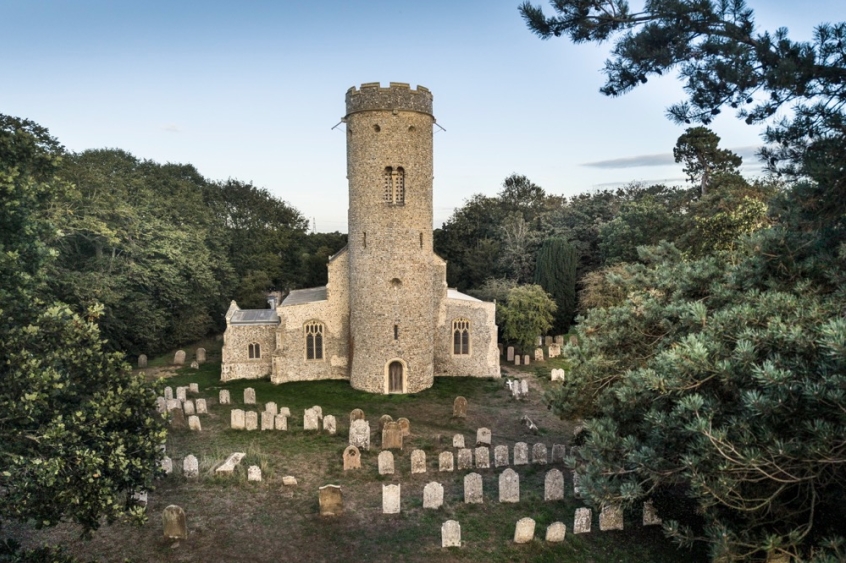
One of the sites to have been saved is the Church of St Peter in Forncett, Norfolk, which dates back to the 10th century and features a Saxon round tower - which, according to Historic England, is “considered one of the finest in England”.
“The church has exceptional features, including a 15th century alabaster tomb, intricately carved pew ends, a rare ancient wooden staircase and a memorial connected to the Wordsworth family,” said Historic England.
The church was added to the at risk register in 2019 due to the poor condition of its roof and masonry and was closed in 2022 for urgent repairs. It finally reopened last month.
In total, there are 4,991 entries across England on the 2026 Heritage at Risk Register. Places of worship account for 1,041 of them.
Historic England’s Heritage at Risk Capital Fund comes from state support and is used to preserve and protect many of England’s historic buildings, including churches and other places of worship.
Claudia Kenyatta and Emma Squire, Co-CEOs of Historic England, said, “The most effective way to protect our buildings is to bring them back into use as places that create connection and enjoyment for local people.
“The sites saved and removed from the register this year show what can be achieved when partners and communities work together to deliver positive, lasting change. By working together, we can protect our heritage for generations to come.”
Heritage Minister Baroness Twycross commented, “This year’s register is an important reminder of the pressures facing our historic environment, from ageing buildings and structural deterioration to the impacts of extreme weather. I want us to build on our progress to ensure our heritage is protected for generations to come.”