The Salvation Army has called for older people with cognitive impairments to “remain heard and involved” at a UN human rights meeting.
Markus Hofer, who represents The Salvation Army at the UN in Geneva, gave an oral statement last month during a session of the UN’s Human Rights Council.
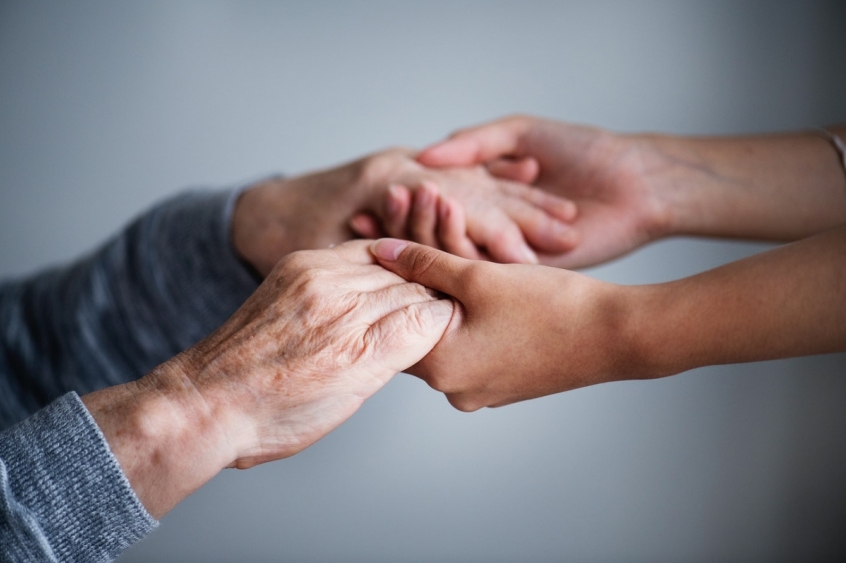
Part of the session revolved around the examination of a new report, "Cognitive Impairment and the Continuing Exercise of the Human Rights of Older Persons". The core theme of the report is on how older people with changing cognitive abilities can continue to exercise their rights.
During his statement, Hofer welcomed the report’s focus on autonomy, participation and dignity, saying, “We share the view that cognitive impairment must never be equated with a loss of personhood or human rights.”
He added, “Older persons retain their values, preferences, relationships and right to participate in decisions affecting their lives.”
Hofer also spoke of The Salvation Army’s experience of helping older people around the world with residential care, community and pastoral programmes and dementia-inclusive initiatives. He also spoke of the importance of dementia-friendly communities and of providing suitable education to care-givers as a way to help people feel included, safe and engaged.
The statement dismissed the idea that those with weakened cognitive abilities lose their independence or autonomy, stressing that with support, such people can still make their voices heard and have their life choices respected.
Hofer called upon the world’s governments to use the knowledge and experience of civil society organisations like The Salvation Army in tackling the issues posed by dementia and cognitive decline in older people. He also emphasised that it was the responsibility of governments to protect the rights of older citizens.
The Salvation Army said that for its part it would continue to engage with the UN and other international bodies to “advocate for the dignity, inclusion and human rights of people at every stage of life”.