
MOSCOW - Foreign observers and opposition parties say Russia's parliamentary election was unfair but nobody expects big protests in a country riding the eighth year of an oil boom where political apathy is becoming a way of life.
President Vladimir Putin's United Russia party won a big majority in Sunday's election after a one-sided campaign in which state media and government resources relentlessly promoted the Kremlin line, monitors and independent analysts say.
Europe and the United States demanded an investigation into reports of election irregularities and opposition leaders decried "the dirtiest elections in Russian history".
But few Russians seemed bothered.
"The public is cynical and realises that dubious tricks are being played but they don't care very much," said Masha Lipman, editor of the Pro et Contra Journal at the Moscow Carnegie Centre think-tank. "Life is better for them right now.
Former chess champion and opposition leader Garry Kasparov denounced Sunday's election while voting was still going on. He appealed for supporters to lay flowers at the Central Electoral Commission on Monday marking the "funeral of Russian democracy".
A few dozen people turned up and the protest fizzled out.
By contrast, around 10,000 youths belonging to Nashi, a pro-Putin youth movement, rallied the same day at the Kremlin walls wearing scarves, jackets and pins bearing Putin's face to celebrate their leader's victory.
Russia's history is dominated by autocratic rulers, from the tsars to the Soviet Communist leaders ushered in by the Bolshevik Revolution in 1917. Ordinary Russians often say they prefer tough rulers who brook little or no dissent.
"We can complain about the unfairness of the election but something we can't do is provide an opposition movement -- the Russian people have to do that themselves," one senior European diplomat said.
The liberal politicians who ruled Russia in the 1990s remain discredited, following the 1998 economic collapse in which many Russians lost their savings. The opposition has been marginalised and faces frequent police harassment at rallies.
Putin's supporters are set to win 393 of the 450 seats in the lower house of parliament. Russia's two liberal, pro-Western parties scored far below the 7 percent minimum needed to get in.
The Kremlin said the low vote was the liberal parties' own fault.
"Unfortunately there was a further collapse of the right," said a presidential spokesman. "It's a real signal they have to do something to get rid of their marginality."
"DIRTIEST ELECTIONS IN RUSSIA'S HISTORY"
Opposition politicians talked tough about unfairness on election day. Communist leader Gennady Zyuganov threatened legal challenges. Other parties were equally scathing.
But the Communists have long seemed content to stay in opposition and the Central Electoral Commission, headed by a Putin ally, quickly declared it had found no major problems.
The complaints about unfairness and cheating led some observers to recall events in neighbouring Ukraine, where presidential elections were deemed unfair by voters in 2004.
Ukraine's controversial vote led to street protests which finally led to a re-run of the election and handed victory to the opposition.
Nobody expects a similar outcome in Russia.
"Even at that time (2004) it was totally obvious to any objective observer that there would never be anything like an Orange Revolution in Russia," Lipman said.
"If the stakes are as high as they are for the Kremlin elite to preserve the status quo, you want double, triple, quadruple protection."
Opinion pollsters say many Russians didn't expect a clean election in the first place.
"There won't be any protests," said Natalya Zorkaya, a researcher at the Levada Centre, a polling group. "Those who didn't vote for United Russia anticipated that the election would be dirty and those who did are happy with the outcome."
49% OFF
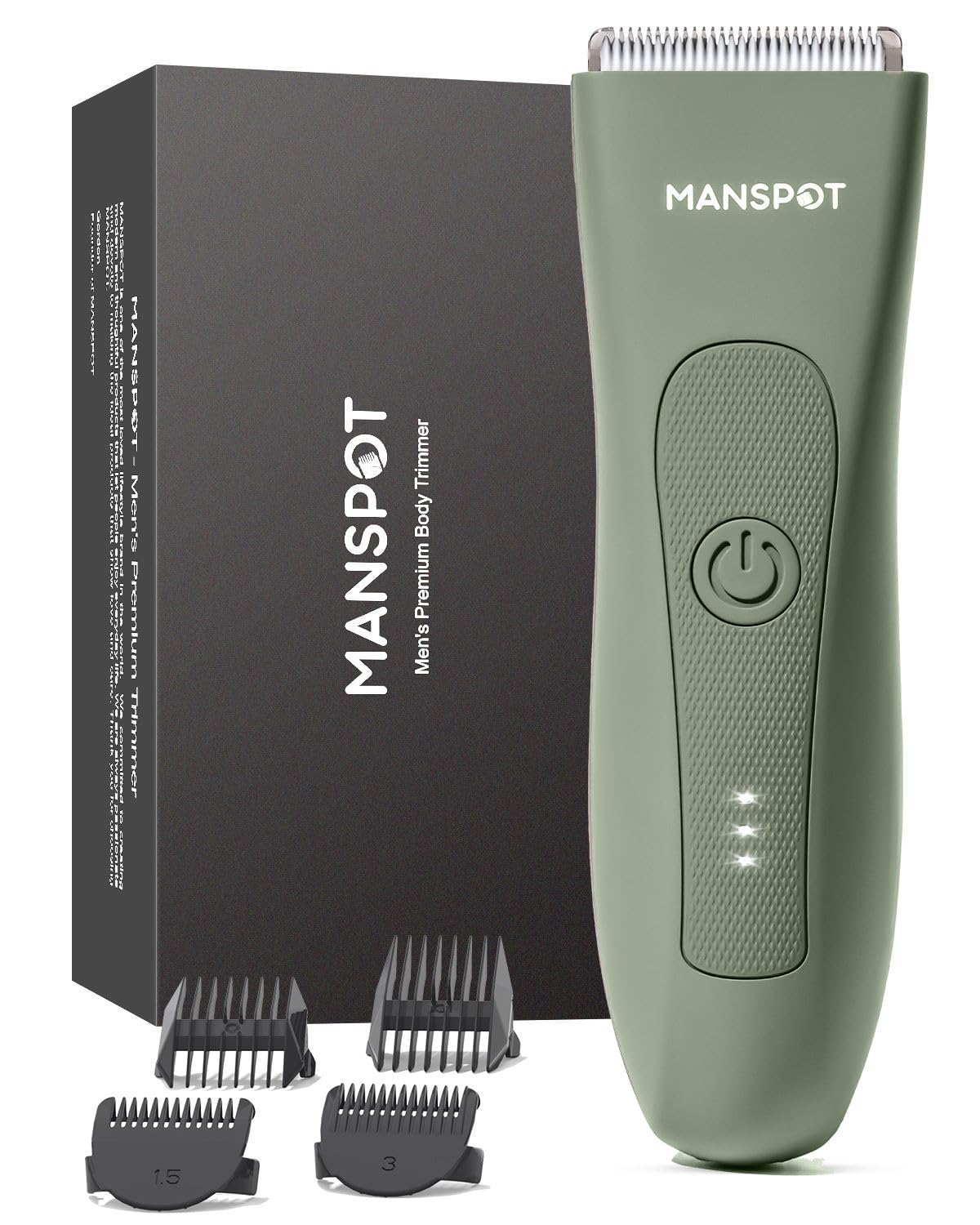
MANSPOT Electric Pubic Hair Trimmer - Waterproof Body and Groin Shaver for Men and Women (Black)
$20.39 $40
25% OFF
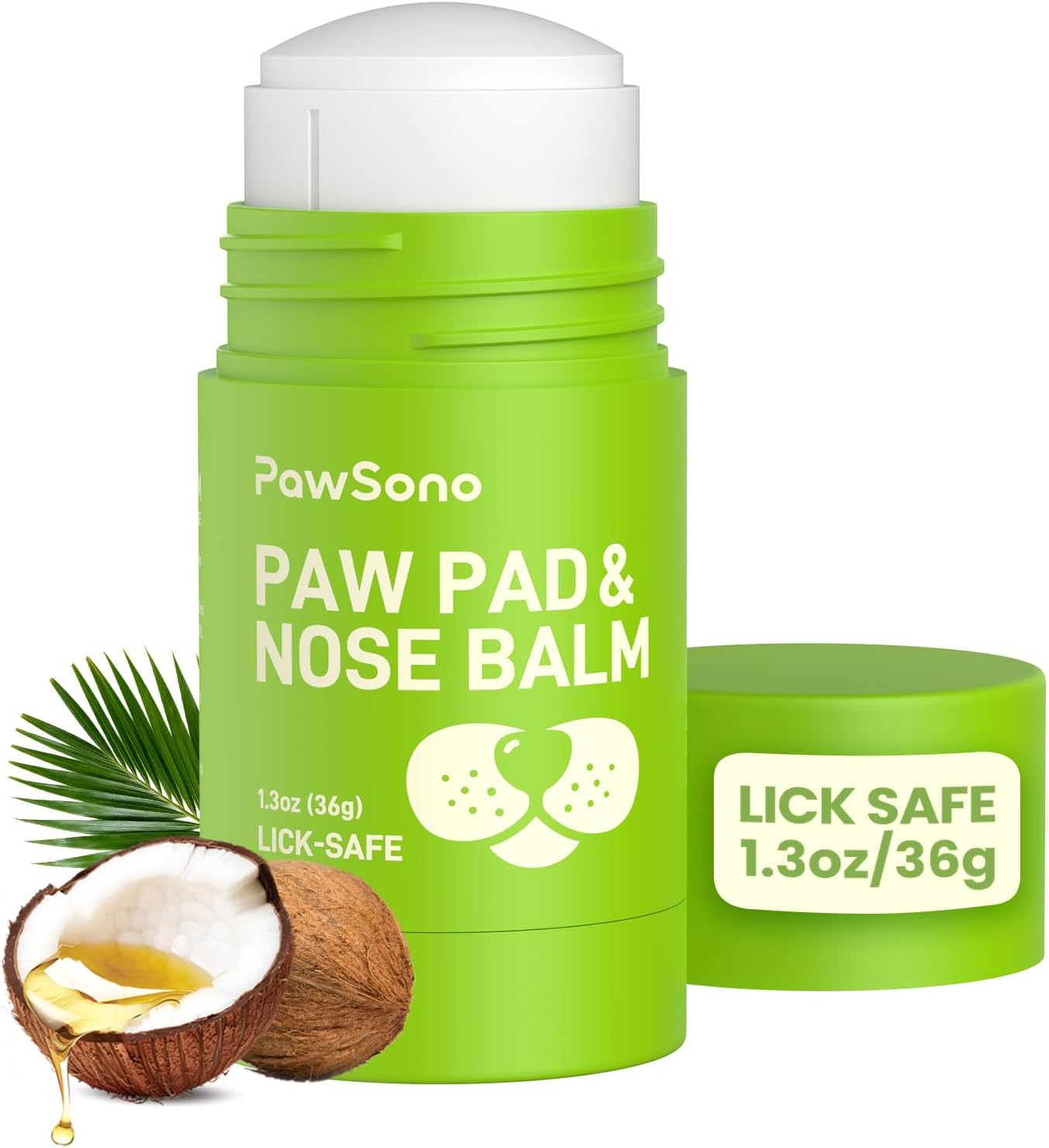
Lick-Safe Dog Paw and Nose Balm Stick - All-Natural Moisturizer with Coconut Oil for Dry, Cracked Pads and Snout
$11.69 $15.59
77% OFF
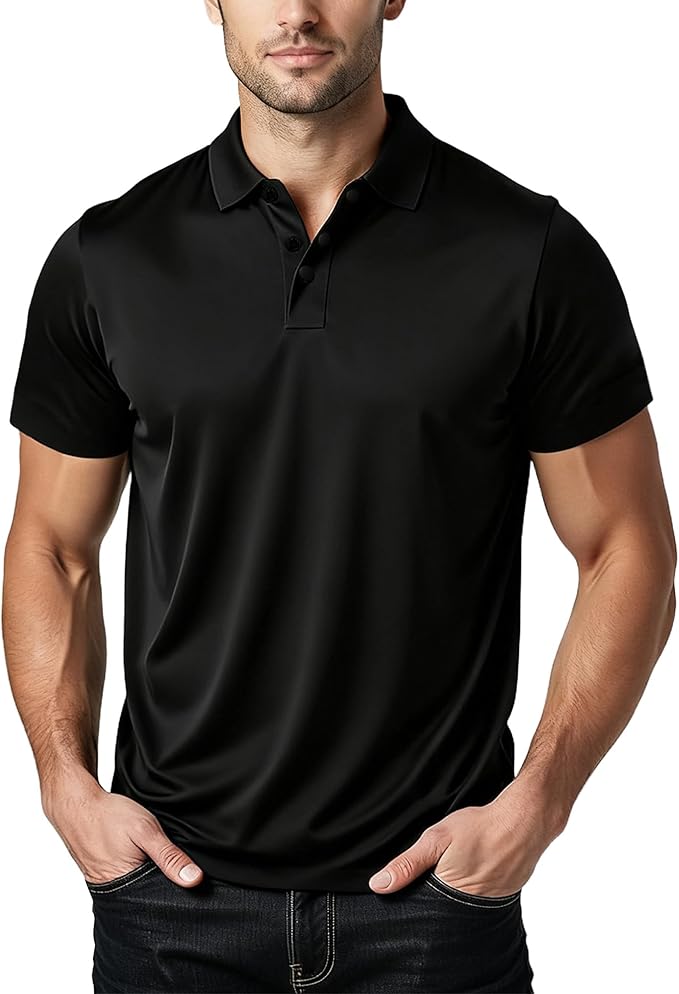
Men's Quick Dry Moisture Wicking Polo Shirt - High Elasticity Slim Fit Athletic Top (Runs Small)
$6.99 $29.99
46% OFF
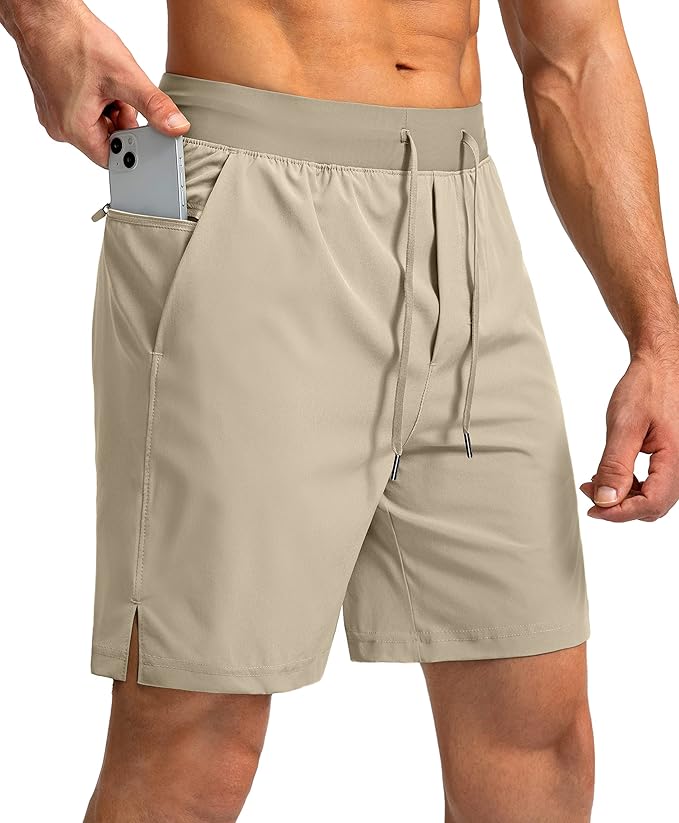
Men's Running Shorts with Zipper Pockets - Lightweight, Quick-Dry, Multi-Sport
$12.95 $23.99
50% OFF
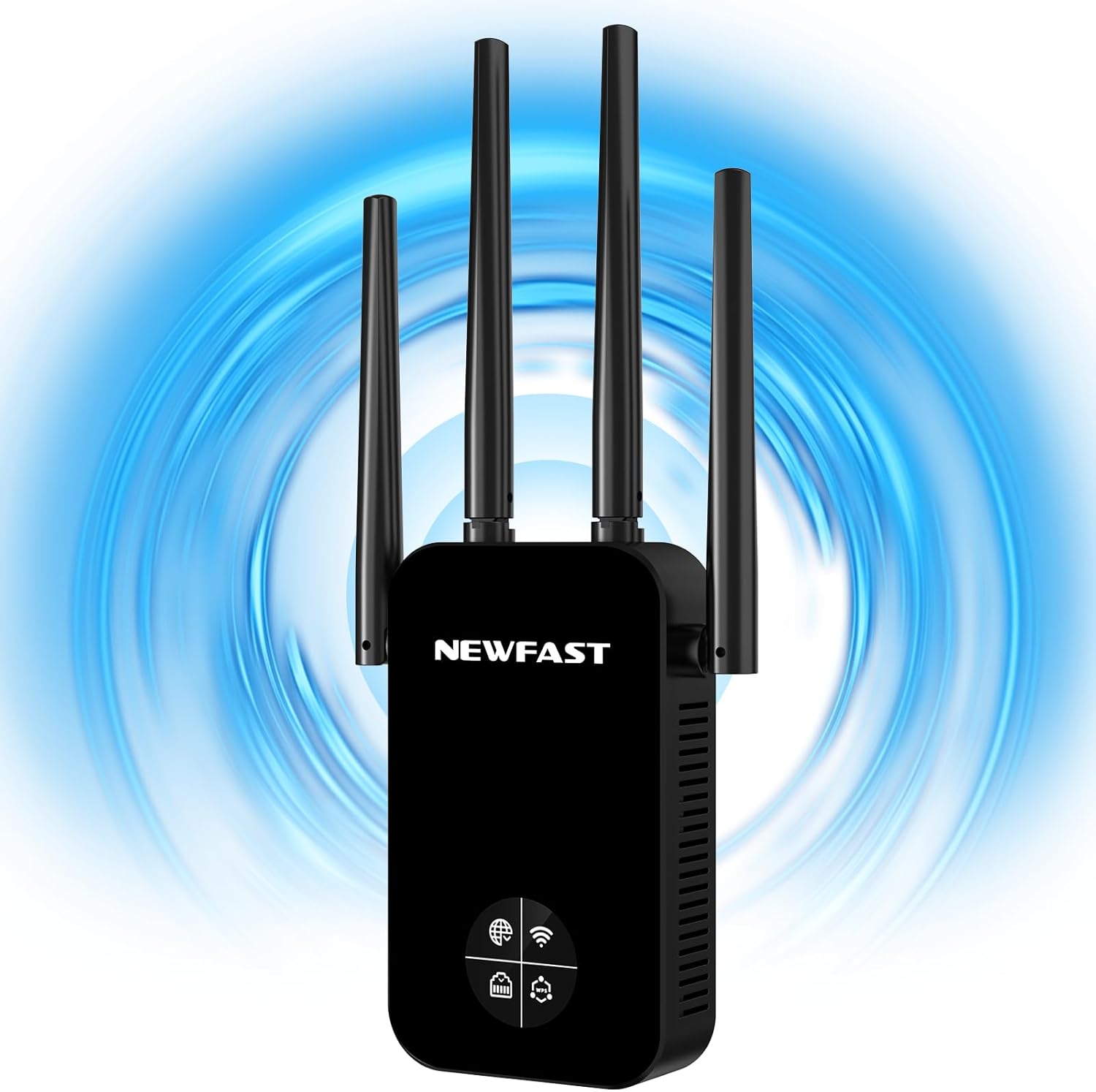
NEWFAST NF-RE523 AC1200 WiFi Extender - 1200Mbps Dual Band Signal Booster & Internet Repeater
$18.5 $36.99
48% OFF
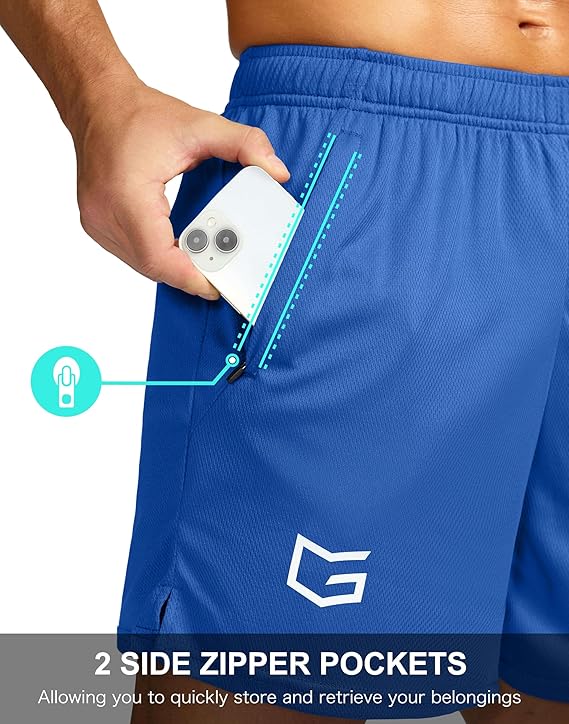
G Gradual Men's 7-inch Workout Running Shorts - Lightweight, Quick-Dry, Comfort
$12.91 $24.99
30% OFF
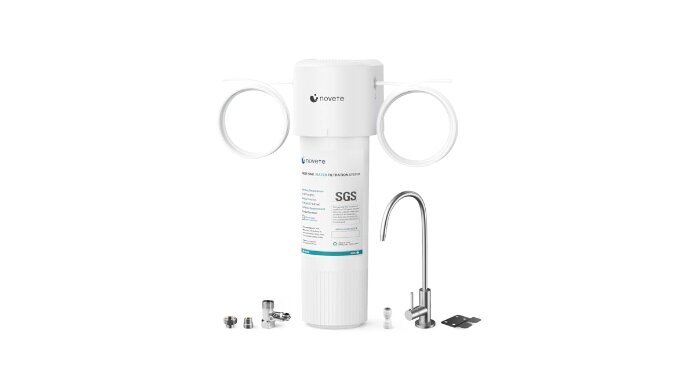
NOVETE Under Sink Water Filter - 3 Years, 30,000 Gallons, High-Efficiency Filtration
$41.99 $59.99
50% OFF

HDPE All-Weather Adirondack Chair with Built-In Cup Holder - Tool-Free Assembly (Grey)
$69.99 $139.99
60% OFF

HOMETUK Clear Plastic Storage Bins with Dividers - 3-Pack Stackable Acrylic Organizer Containers for Fridge and Pantry
$19.99 $49.99
58% OFF

G Gradual Men's Fishing Shirt - UPF 50+ Lightweight Short Sleeve Button Down with Zipper Pockets
$14.99 $35.99
55% OFF

Everyfun 60" Rectangular Platform Tree Swing - 700lbs Heavy Duty Adjustable Outdoor Swing (Colorful)
$49.99 $110.99
61% OFF

Ekouaer Women's Casual Loose Jumpsuit - One-Piece Printed Sleeveless Wide Leg Romper with Pockets
$14.99 $37.99
36% OFF

Men's Athletic Running Shorts with Zipper Pockets - Lightweight & Quick Dry
$12.74 $19.99
61% OFF

Modern Ceiling Fan with Light and Remote - Reversible Quiet DC Motor
$69.3 $179.99
50% OFF

MOOKA H13 True HEPA Air Purifier for Home Large Room - 1076 sq ft Odor Eliminator
$39.97 $79.95
40% OFF
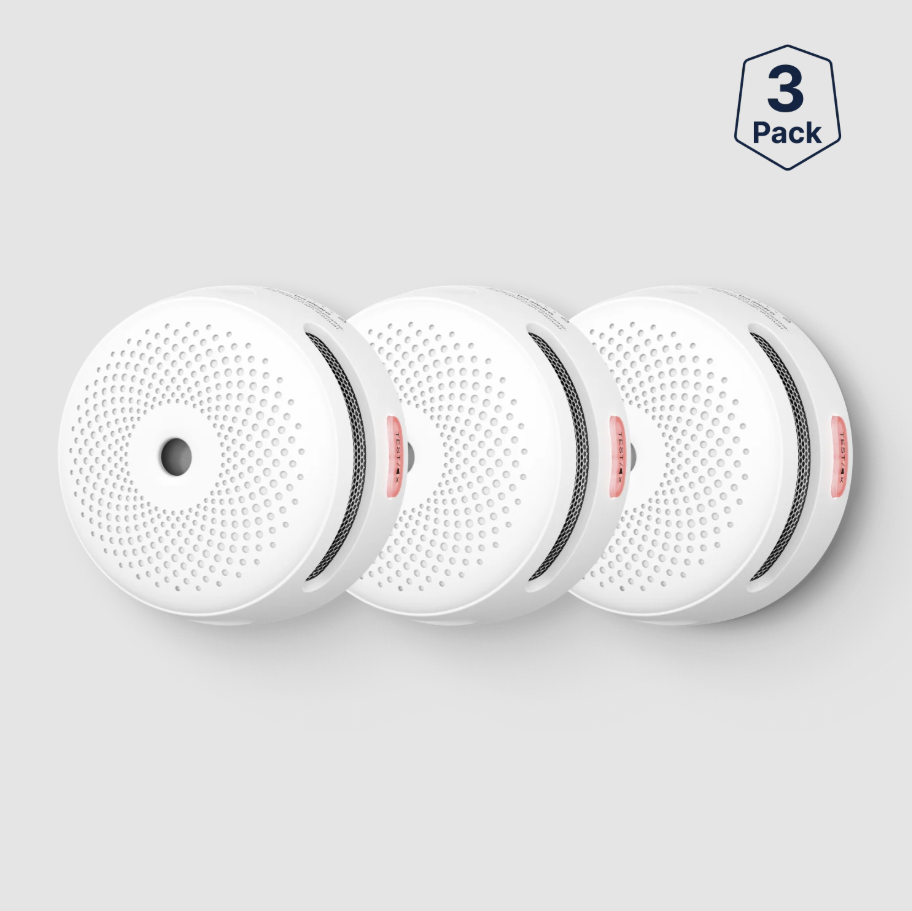
X-Sense XS01-WX Smart Smoke Alarm - 2.4 GHz Wi-Fi Photoelectric Fire Detector with Mobile App Alerts
$65.99 $109.99
11% OFF

VitaUp Beet Root Gummies with CoQ10 & Grape Seed - Nitric Oxide Circulation Support (60 Count)
$24.91 $27.91
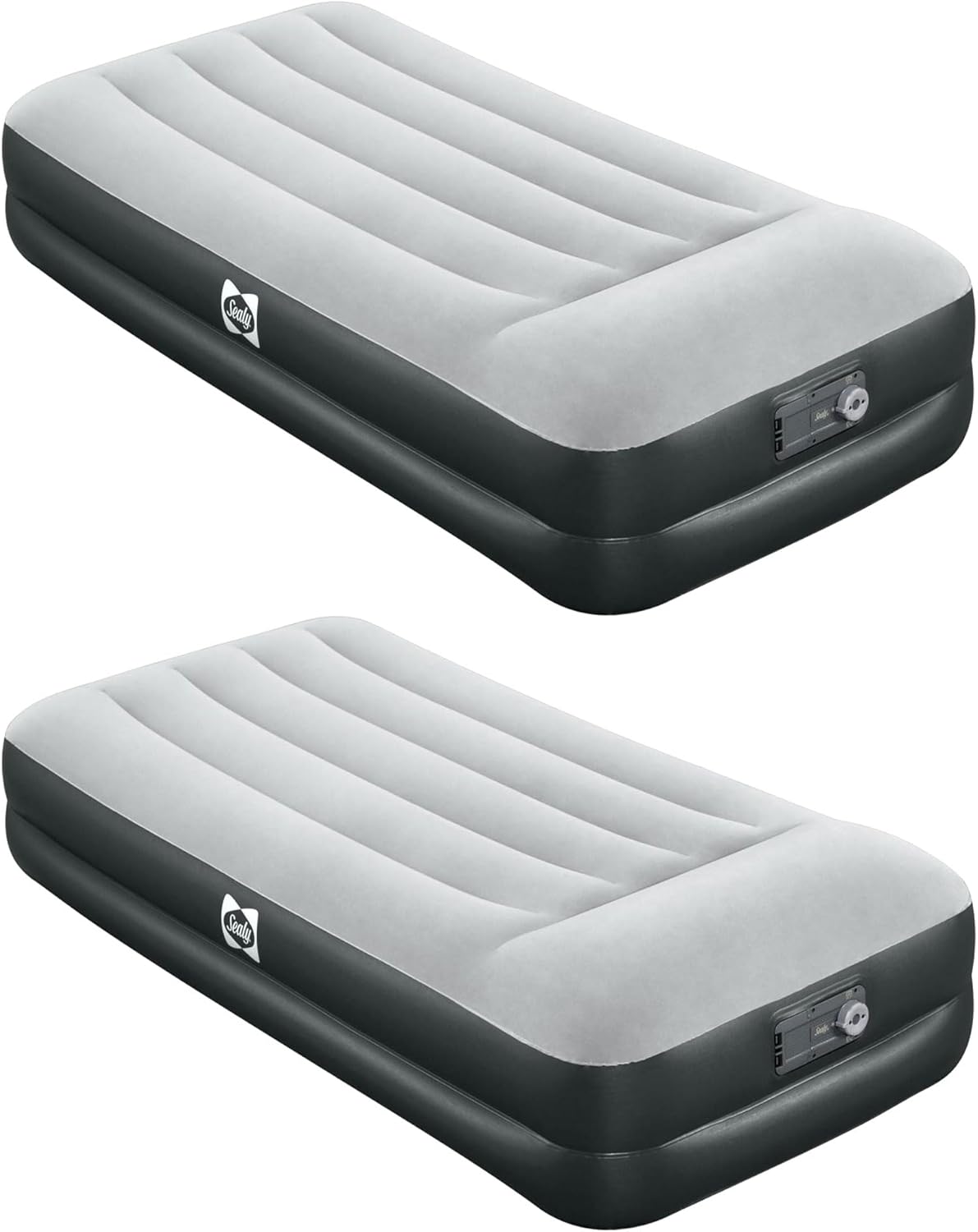
Sealy 2-Pack Tritech 16" Twin Inflatable Air Mattress with Built-in AC Pump
$0 $113.99
20% OFF

INTEX Prism Frame 20ft x 52in Above Ground Pool Set - Round Steel Frame Swimming Pool
$695.99 $869.99

Gardner Pet 43" Heavy Duty Dog Crate with Wheels - Indestructible Folding Metal Cage (Black)
$0 $149.99




-

Diary of a CEO’s Steven Bartlett and John Lennox discuss AI, faith and the search for meaning
-

Belfast churches 'heartbroken' over unrest
-

Is there a two-tier Britain?
-

Churches must disciple well and listen well in response to rise of Christian nationalism
-

Biblical models and the creation of King Arthur
-

UK Supreme Court to hear Christian schools’ challenge to VAT on private school fees
Most Popular
News

Gloucester churches come together to bless River Avon amid pollution concerns
It is part of a broader campaign against river pollution as concerns remain about the amount of untreated sewage in the Avon.

Life beyond burnout: how Christians can grow in the desert seasons
Christian Today speaks to author and Anglican priest Tish Harrison Warren about growth in desert seasons and why the Church shouldn’t treat all spiritual weariness as a problem to fix.

Iranian-born bishop stands in solidarity with Britain's Jews
2025 had the second highest number of antisemitic incidents on record.

Bishops protest Israeli arrest of another Palestinian Christian
An Evangelical Lutheran has been accused of "promoting terrorist activities".
MANSPOT Electric Pubic Hair Trimmer - Waterproof Body and Groin Shaver for Men and Women (Black)
$20.39
Lick-Safe Dog Paw and Nose Balm Stick - All-Natural Moisturizer with Coconut Oil for Dry, Cracked Pads and Snout
$11.69
Men's Quick Dry Moisture Wicking Polo Shirt - High Elasticity Slim Fit Athletic Top (Runs Small)
$6.99
Men's Running Shorts with Zipper Pockets - Lightweight, Quick-Dry, Multi-Sport
$12.95
NEWFAST NF-RE523 AC1200 WiFi Extender - 1200Mbps Dual Band Signal Booster & Internet Repeater
$18.5
G Gradual Men's 7-inch Workout Running Shorts - Lightweight, Quick-Dry, Comfort
$12.91
NOVETE Under Sink Water Filter - 3 Years, 30,000 Gallons, High-Efficiency Filtration
$41.99
HDPE All-Weather Adirondack Chair with Built-In Cup Holder - Tool-Free Assembly (Grey)
$69.99
HOMETUK Clear Plastic Storage Bins with Dividers - 3-Pack Stackable Acrylic Organizer Containers for Fridge and Pantry
$19.99
G Gradual Men's Fishing Shirt - UPF 50+ Lightweight Short Sleeve Button Down with Zipper Pockets
$14.99
Everyfun 60" Rectangular Platform Tree Swing - 700lbs Heavy Duty Adjustable Outdoor Swing (Colorful)
$49.99
Ekouaer Women's Casual Loose Jumpsuit - One-Piece Printed Sleeveless Wide Leg Romper with Pockets
$14.99
Men's Athletic Running Shorts with Zipper Pockets - Lightweight & Quick Dry
$12.74
Modern Ceiling Fan with Light and Remote - Reversible Quiet DC Motor
$69.3
MOOKA H13 True HEPA Air Purifier for Home Large Room - 1076 sq ft Odor Eliminator
$39.97
X-Sense XS01-WX Smart Smoke Alarm - 2.4 GHz Wi-Fi Photoelectric Fire Detector with Mobile App Alerts
$65.99
VitaUp Beet Root Gummies with CoQ10 & Grape Seed - Nitric Oxide Circulation Support (60 Count)
$24.91
Sealy 2-Pack Tritech 16" Twin Inflatable Air Mattress with Built-in AC Pump
$0
INTEX Prism Frame 20ft x 52in Above Ground Pool Set - Round Steel Frame Swimming Pool
$695.99
Gardner Pet 43" Heavy Duty Dog Crate with Wheels - Indestructible Folding Metal Cage (Black)
$0