
The challenges of climate change have profoundly affected the Church’s outreach in a region of Africa increasingly afflicted by drought and famine.
In the Turkana district of north-west Kenya, where more than two-thirds of the population are nomads dependant on grazing animals, changing rain patterns over the last decade have led to very serious droughts – and triggered a major famine in 2011.
The average annual rainfall can be less than 150mm (6”) in central parts of the district.
During a visit to the international headquarters of Catholic charity Aid to the Church in Need in Konigstein, Bishop Dominic Kimengich of Lodwar Diocese described how the Church is responding by providing for people’s material and spiritual needs.
Bishop Kimengich said: “Evangelisation has to go hand in hand with development, you have to ensure you have given food, water, education and things like that.”
He added: “Water is a very big issue, because one of the things even before you set up a parish is to ensure that there is water” – either by building a dam of sinking a borehole – “you cannot set up any structures where there is no water.”
Water is absolutely vital in this semi-arid region. Droughts over the last decade have led to the deaths of many grazing animals.
Across Kenya, long-term weather pattern changes, resulting in worsening drought conditions, have been blamed for reduction in coffee and agriculture production.
The overall impact in Turkana has been an increase in people dependent on emergency relief aid.
Bishop Kimengich said: “They are very poor, they have always relied on their animals, but now many of them are relying on relief food.”
Increased dependency on outside help – particularly food distribution – has caused “idleness” leading to a growth in problems such as alcoholism and HIV/AIDS.
The bishop said: “We are actually the biggest provider of help [for those living with HIV/AIDS], for example medicine, and home-based care, in all our dispensaries we have the cans there for treatment, so we are heavily involved in that area.”
“As of now, really about 60 per cent of the health care is provided by the Church.”
This includes the only hospital in Lodwar, which is looked after by Sisters from India and Nairobi.
The people’s spiritual needs are also being addressed and Aid to the Church in Need has been supporting a number of the diocese’s projects, including providing the Child’s Bible in the local language, Turknana.
Bishop Kimengich said: “When somebody is able to read the Bible in his own language it makes a big difference.
“They say that when somebody gives it to you in a different language it speaks to the head but when somebody gives to you in your own language it speaks to the heart.
“So we feel that the Bible especially in the local language is really reaching out to the heart, and that makes it easier because they read and they are in touch with the Word of God transforms them at that level.”
With 70 per cent of the population still illiterate, and less than 60 per cent of children starting primary school, printed words are of little effect – so the diocese set up FM station Radio Akicha in January 2009 to reach those who cannot read.
Bishop Kimengich said: “When they read the Bible to them on the radio, then it reaches also the rest who are not going to school.”
“Basically we use the radio as a means of catechesis, so we have catechism and prayer – they read from the Catechism of the Catholic Church translated into Turkana and they teach the people through the radio.”
-

Enoch Burke accuses Archbishop of remaining 'silent' in school trans dispute
-

Churches challenged to make single Christians feel fully part of church life
-

Many churches lack AI policies despite widespread support among pastors, study finds
-

Half of Christian questions on ChatGPT are attempts to understand the Bible
News
-

Former Crowded House pastor and wife charged with rape
-

Enoch Burke accuses Archbishop of remaining 'silent' in school trans dispute
-

'Such a blessing' - church that closed down 15 years ago opens its doors again
-

Christians urged to speak out against 'conversion practices' bill
-

Half of Christian questions on ChatGPT are attempts to understand the Bible
-

Violence and persecution driving global Christian exodus, report warns
Most Popular
News
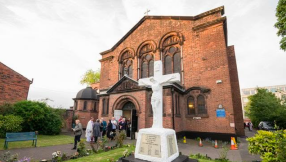
Police appeal for witnesses after head smashed off Jesus statue at church war memorial
Officers have released a CCTV image after a war memorial at St Alban’s Church in Warrington was vandalised and daubed with offensive graffiti.

Belief in ghosts and magic linked to faith and trust in science, study finds
A new study suggests that Americans who believe in God while placing strong trust in science and reason may be more likely to believe in ghosts, curses and other supernatural phenomena.
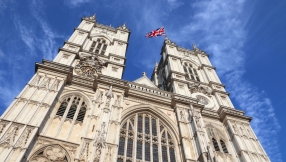
Archaeologists may have discovered identity of mystery skeleton in Westminster Abbey
Archaeologists believe they may have finally discovered the identity of a skeleton buried in a Roman sarcophagus in Westminster Abbey.

Many churches lack AI policies despite widespread support among pastors, study finds
New research reveals a significant divide between church leaders’ recognition of the need for responsible AI practices and the measures currently in place within their congregations.





