
“We will only end world poverty by working with people who have faiths other than our own – so let’s do it right,” said Christian Aid’s Inter-Community Initiatives Manager, Nigel Varndell, following a major conference on inter-faith humanitarian work this week.
Mr Varndell was one of the key initiators of the Keeping Faith in Development conference in Cambridge, which brought together Christian Aid, Islamic Relief and World Jewish Relief among other faith charities to debate how faith-based charities should work with people of other religions.
The issue came to prominence after the murder of Christian charity worker Gayle Williams in Afghanistan in October. The Taliban claimed responsibility, saying it had executed her for spreading the Christian faith.
“We wanted to dispel the myths that we only work with people of our faith. We also wanted to convince people of all faiths of the value of inter-faith work, and to share examples of best practice,” said Mr Varndell.
The Parliamentary Under-Secretary of State for Development, Ivan Lewis, told the 60 delegates he believed faith-based charities had a distinctive contribution to make in international development work. Their identity as people of faith could, he argued, actually help them to win the trust of local communities with religious beliefs.
He also urged faith-based development organisations to do more to keep the need for aid to poor countries high on the public agenda, but warned that the effectiveness of aid was going to come increasingly under the spotlight of critics.
“We have a responsibility to demonstrate maximum effectiveness,” said Mr Lewis.
Participants were encouraged to share their aid plans with local religious leaders and listen to their responses. They were also advised to be open with the community about the faith-based identity of their organisation as well as ensure ahead of time that they understood the culture and customs of the community they planned to work in.
The conference included presentations on the aid work of each of the participating charities, including a Christian Aid-funded peace-building project by the Muslim organisation Ummah fi Salaam in partnership with a Catholic NGO in the troubled region of Mindanao in the Philippines.




-

Edinburgh University ends divinity programmes as theology faces a changing future
-

Why the Archbishop of Canterbury’s award controversy matters
-

More than one in four US Protestant churchgoers believe some biblical truths become outdated
-

Catholicism in France has 'collapsed'
-

Christian leaders issue ‘sober and urgent call’ for Western Church to prepare for disruption
-

Australia's anti-therapy laws harm the most vulnerable - Britain should not copy them
Most Popular
News

Active faith linked to happier marriages and lower divorce rates, study finds
People who regularly attend church are more likely to report happy marriages, according to a new report examining the relationship between faith and family life.
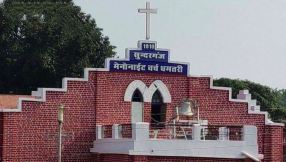
Indian churches fearing anti-conversion laws tell non-Christians: enter at your own risk
Churches in Dhamtari, a town in the central Indian state of Chhattisgarh, have put up notices warning non-Christians that they enter at their own risk, weeks after a law against religious conversion came into force in the state.

£1k bursaries to help churches develop youth and community mentoring programmes
Churches across the UK are being offered bursaries to help them establish mentoring programmes aimed at supporting young people and others in their communities.
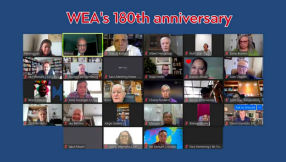
World Evangelical Alliance celebrates 180th anniversary
The World Evangelical Alliance (WEA) has held an online celebration to mark its 180th anniversary. Hundreds of people from more than 22 countries attended, and the event was rebroadcast to accommodate different time zones.








