
The two largest reformed church bodies officially merged on Friday to become the World Communion of Reformed Churches, representing more than 80 million Christians.
Hundreds of delegates from countries around the world convened for the Uniting General Council in Grand Rapids, Michigan, where they signed the constitution and bylaws of the new organisation.
"In these times of division and dissension in so many areas of our lives – including church life – it is highly significant that two global groups of churches … should be willing to come together in a higher level of union than ever before," said Richard van Houten, general secretary of the Reformed Ecumenical Council.
The merger between 75 million-member World Alliance of Reformed Churches and the 12 million-member REC was proposed in 2006 and then approved by the executive committees of the two bodies the following year.
Reformed leaders sought to strengthen their common witness.
"I do believe it is God's intention that we live together in unity and I thank God for this momentous day in which we are not just called to be more cooperative, but to be one in Jesus Christ," said Clifton Kirkpatrick, president of WARC who chaired the discussions for his organization that led to the formation of the WCRC.
Expressing support for the merger, the World Council of Churches General Secretary the Rev Dr Olav Fykse Tveit called it a "new expression of the visible unity of God's church".
The two bodies bring distinct traditions to the new organisation. The REC places emphasis on spiritual development and faithfulness to the church's faith statements while the WARC focuses on issues such as racial and gender justice, environmental protection and a just and equitable world economic order.
WARC General Secretary the Rev Dr Setri Nyomi said the term "communion" in the new organisation's name signifies "a new form of working relationship".
The articles of union that delegates approved Friday affirm "that such an act of union is implemented not only in order to carry out the major aims for which both organisations have existed separately, but also in order to respond to God's call for service in the church and the world".
The gathering on Friday was not without debates.
Debate over the constitution and bylaws grew lively and took longer than planned over the issue of representation of women on committees and in leadership positions in the new body, according to a press release. Delegates approved an amendment to provide that "when a church sends four or more delegates (to General Council meetings), half shall be women".
The historic gathering in Grand Rapids concludes June 28.




-

More than one in four US Protestant churchgoers believe some biblical truths become outdated
-

Could the Church face a ‘silver uprising’?
-

Christian leaders issue ‘sober and urgent call’ for Western Church to prepare for disruption
-
Wycliffe celebrates ‘remarkable moment’ as Bible translation advances at rapid pace
-

Church in Wales pauses plans to allow gay marriage
-

Christian social worker returns to Court of Appeal in dispute over withdrawn job offer
Most Popular
News
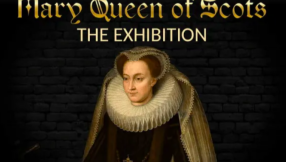
Peterborough Cathedral opens exhibition on Mary, Queen of Scots
Peterborough has opened a new exhibition on Mary, Queen of Scots, that will remain in place until 15 November.
From Tyndale to today: The enduring hunger for the Bible
As Christians mark the 500th anniversary of William Tyndale’s English New Testament, EEM President Dirk Smith speaks to Christian Today about the reformer’s enduring legacy and the struggle to keep up with the present-day demand for Bibles around the world.
Lessons from Old Testament figures: Jonathan
As we continue our series exploring the lives of Old Testament figures, we turn to Jonathan - a prince and warrior whose remarkable faith, courage and sacrificial friendship reveal what it means to put God’s purposes above our own.

New resource launched to bring evangelism and social action together
Christian charity Jubilee+ is launching a new resource designed to help churches connect their work tackling poverty with sharing the Christian faith.








