Today is the Nativity of St John the Baptist, a lesser-known Christian feast day celebrating the birth of the prophet who foretold the coming of Jesus Christ.
While not as famous as the Christmas story, John's nativity is a feast day celebrated around the world by Christians, and has been since 506AD. It's even a national holiday in Quebec.
Who was John the Baptist?
Preacher, prophet and second cousin of Jesus, John the Baptist lived in the early first century AD. He gets his name because he used baptism as a central sacrament in his ministry. He in fact baptised Jesus himself. It's likely that Jesus was a disciple of his older cousin before starting his own ministry. But John's ministry was never about himself – it was always pointing to the coming Messiah, who he recognised to be Jesus. He was, in many ways, a forerunner of Jesus himself.
OK, so he's important. But why do we remember his birth specifically?
John is mentioned in the Gospel of Luke before he was even born; his conception was miraculous and is often thought to precursor Jesus'.
While most saints are celebrated on their death-days not their birthdays, John is a little different. His birth is celebrated, like Mary mother of Jesus and Jesus himself. It is said that John was "filled with the Holy Spirit even from his mother's womb" which makes his birth a day of triumph.
His parents – Zechariah and Elizabeth – were way beyond child-bearing age when they miraculously conceived after an angelic visitation. Zechariah, a priest, was offering incense to God when the Archangel Gabriel appeared to him and told him they were to have a son. It was so unexpected that Zechariah did not believe him, and was rendered speechless until his son's birth. Only after he had written that his name would be John did Zechariah receive his speech back. He then prophesied the ministry of his son (Luke 1:67-69).
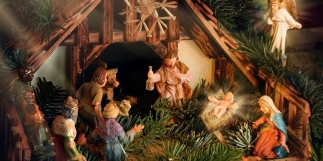
During the pregnancy, when Mary visited Elizabeth pregnant herself, Luke's Gospel tells that John-in-utero "leapt" with joy.
The festival comes six months before the Christmas nativity in anticipation of the feast that is to come, just as John came to prepare and anticipate Jesus' coming.
How is it celebrated?
All over Europe hilltops will have been alight with "Saint John's fires" on the eve of June 24. In Quebec it is a national holiday and people celebrate it as a sort-of second Christmas. Elsewhere, Saint John is celebrated through art work and liturgy. In Eastern Christianity people hold all-night vigils and there is an extended period of celebration called an "afterfeast".
There has been a weird conflation outside of the Church with summer solstice traditions. In Germany there is a tradition that herbs are given unusual powers of healing, which are retained if plucked during the eve of the feast – these herbs are called Johanneskraut (St. John's herbs).