
Ecumenicals from around the world have concluded the International Ecumenical Peace Convocation (IEPC) with renewed commitments to pursue a ‘just peace’ together.
In a joint message, the nearly 1,000 delegates pledged to continue working together and with other faiths to establish peace in communities, in the relationship between man and the environment, in the marketplace, and among different peoples.
The weeklong meeting in Kingston, Jamaica, was organised by the World Council of Churches (WCC) and included reflections on the peace initiatives carried out during its Decade to Overcome Violence, which concluded last year.
“Our engagements have inspired us in showing that overcoming violence is possible. The Decade to Overcome Violence has generated many beautiful examples of Christians who have made a difference,” the leaders stated.
They categorically rejected war in favour of a just peace, which they described as the “establishment of peace with justice through a common response to God’s calling”.
However, the delegates also expressed their regret at the complicity of Christians in violence.
“We realise that Christians have often been complicit in systems of violence, injustice, militarism, racism, casteism, intolerance and discrimination,” they said. “We ask God to forgive us our sins, and to transform us as agents of righteousness and advocates of just peace.”
They called upon governments and other groups to stop using religion as a pretext for the justification of violence.
Whilst ecumenicals may have different approaches to peacebuilding, they said they were “unified” in their aspiration to see war made illegal and for total nuclear disarmament.
It was a “scandal”, they continued, that the money spent by governments on military budgets and the arms trade is not being used to eradicate global poverty and fund “an ecologically and socially responsible reorientation of the world economy”.
The leaders also admitted to reservations about the concept of the “responsibility to protect”, which they warned was open to “misuse”.
They urged governments to take immediate action to redirect their financial resources to “programmes that foster life rather than death”.
“History, especially in the witness of the historic peace churches, reminds us of the fact that violence is contrary to the will of God and can never resolve conflicts,” they said.
“It is for this reason that we are moving beyond the doctrine of just war towards a commitment to just peace.
“It requires moving from exclusive concepts of national security to safety for all.
“This includes a day-to-day responsibility to prevent, that is, to avoid violence at its root.”
Addressing delegates, Moderator of the WCC Central Committee the Rev Dr Walter Altmann said the issues of peace and conflict would require further reflection and action.
Moderator of the preparatory committee for the IEPC, Professor Dr Fernando Enns, challenged delegates to continue working for peace long after the convocation draws to a close on Wednesday.
“Our journey must continue,” he said. “You and I, we shall hold each other accountable. The church is either accepting the call to just peace or it is not the church at all.”




-

Edinburgh University ends divinity programmes as theology faces a changing future
-

Why the Archbishop of Canterbury’s award controversy matters
-

More than one in four US Protestant churchgoers believe some biblical truths become outdated
-

Catholicism in France has 'collapsed'
-

Christian leaders issue ‘sober and urgent call’ for Western Church to prepare for disruption
-

Australia's anti-therapy laws harm the most vulnerable - Britain should not copy them
Most Popular
News

Active faith linked to happier marriages and lower divorce rates, study finds
People who regularly attend church are more likely to report happy marriages, according to a new report examining the relationship between faith and family life.
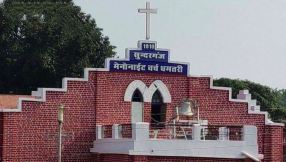
Indian churches fearing anti-conversion laws tell non-Christians: enter at your own risk
Churches in Dhamtari, a town in the central Indian state of Chhattisgarh, have put up notices warning non-Christians that they enter at their own risk, weeks after a law against religious conversion came into force in the state.

£1k bursaries to help churches develop youth and community mentoring programmes
Churches across the UK are being offered bursaries to help them establish mentoring programmes aimed at supporting young people and others in their communities.

World Evangelical Alliance celebrates 180th anniversary
The World Evangelical Alliance (WEA) has held an online celebration to mark its 180th anniversary. Hundreds of people from more than 22 countries attended, and the event was rebroadcast to accommodate different time zones.








