
U.S. presidential candidate Barack Obama urged Europe to stand by the United States in stabilising Afghanistan in a speech to over 200,000 in Berlin that stressed the need for unity in the face of new threats.
Speaking at the Victory Column in the central Tiergarten park on Thursday, the Democratic senator said America had no better partner than Europe but cautioned both sides against turning inward.
"I recognise the enormous difficulties in Afghanistan," Obama said. "But my country and yours have a stake in seeing that NATO's first mission beyond Europe's borders is a success. For the people of Afghanistan, and for our shared security, the work must be done. America cannot do this alone."
Broad in scope, the speech was aimed not only at European audiences but also U.S. voters who face a choice in the November 4 election between Obama and Republican John McCain.
McCain, a Vietnam veteran and former prisoner of war, is an Arizona senator who has long been an influential voice on foreign policy and military matters.
He is making national security a central focus of his campaign and contends that Obama, a 46-year-old first-term senator from Illinois, lacks the foreign affairs seasoning to serve as commander-in-chief.
Obama has aimed to dispel that notion with a seven-nation tour this week that has taken him to Afghanistan, Iraq, Kuwait, Jordan, Israel and Germany, where he is highly popular.
The German media has likened his visit to that of President John F. Kennedy in 1963, whose "Ich bin ein Berliner" address shortly after the building of the Berlin Wall became an iconic moment of the Cold War.
The Obama campaign has been accused of exploiting the comparison by staging such a public show in the heart of the German capital. His campaign's initial plan to hold the speech at the Brandenburg Gate, Berlin's most famous landmark, was rebuffed by German Chancellor Angela Merkel.
McCain, speaking to reporters in Ohio, took a swipe at Obama for campaigning abroad, saying he would also like to speak in Berlin but would wait until he was president.
NEW HOPE, NEW DANGERS
While Obama did not break into German like Kennedy, he did speak at length of the historic ties between the United States and Germany, touching on the Berlin airlift 60 years ago and the fall of the Wall in 1989.
"The fall of the Berlin Wall brought new hope. But that very closeness has given rise to new dangers," he said, citing terrorism, climate change and violence in Sudan and Somalia. "No one nation, no matter how large or powerful, can defeat such challenges alone."
Obama is popular in Europe partly because he opposed the Iraq war and has vowed to pull U.S. troops out of the country. But he is now pledging to shift the focus to Afghanistan, which is likely to mean more demands on Germany.
Obama said Europe and the United States needed to stand together to pressure Iran to abandon its nuclear ambitions and urged both sides to move beyond their differences over the Iraq war to help suffering Iraqis rebuild their lives.
Relations between the United States and Germany reached a post-war low under Merkel's predecessor Gerhard Schroeder, who strongly opposed the U.S. invasion of Iraq in 2003.
"Yes, there have been differences between America and Europe. No doubt, there will be differences in the future," he said. "The greatest danger of all is to allow new walls to divide us from one another."
His comments were cheered by a huge crowd, some wearing Obama badges, t-shirts with the campaign slogan "Yes We Can" and carrying American flags. A reggae band played and people gulped down beer under clear skies in a summertime party atmosphere.
The loudest applause came when Obama talked about the environment, multilateralism and human rights, but his audience fell silent when he raised Afghanistan.
"Relations between Germany and the United States will improve under Obama," said Dennis Buchner, 31. "But he has high expectations of Germans increasing their military engagement in Afghanistan. That will certainly spark debate in Germany."
49% OFF
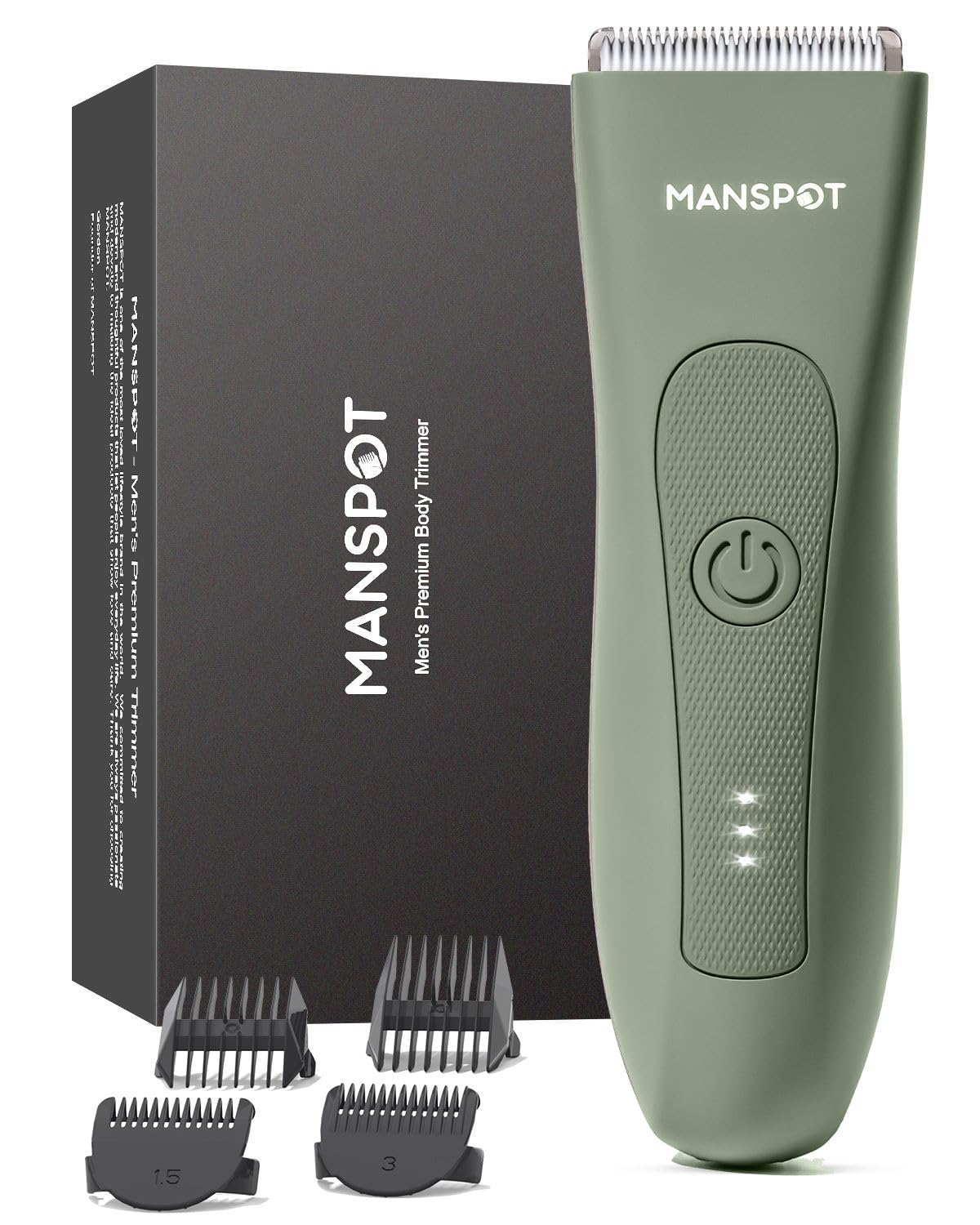
MANSPOT Electric Pubic Hair Trimmer - Waterproof Body and Groin Shaver for Men and Women (Black)
$20.39 $40
25% OFF
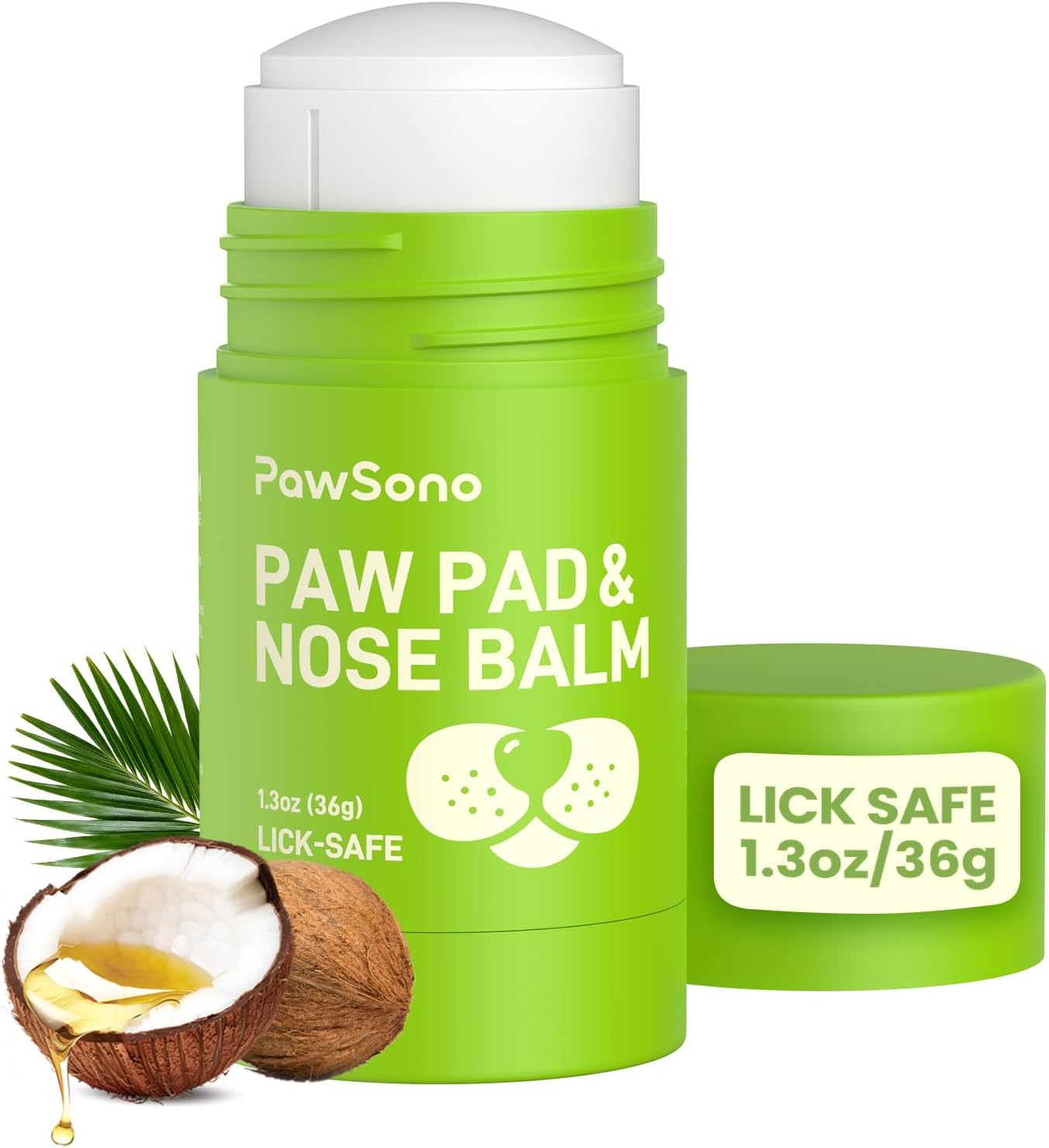
Lick-Safe Dog Paw and Nose Balm Stick - All-Natural Moisturizer with Coconut Oil for Dry, Cracked Pads and Snout
$11.69 $15.59
77% OFF
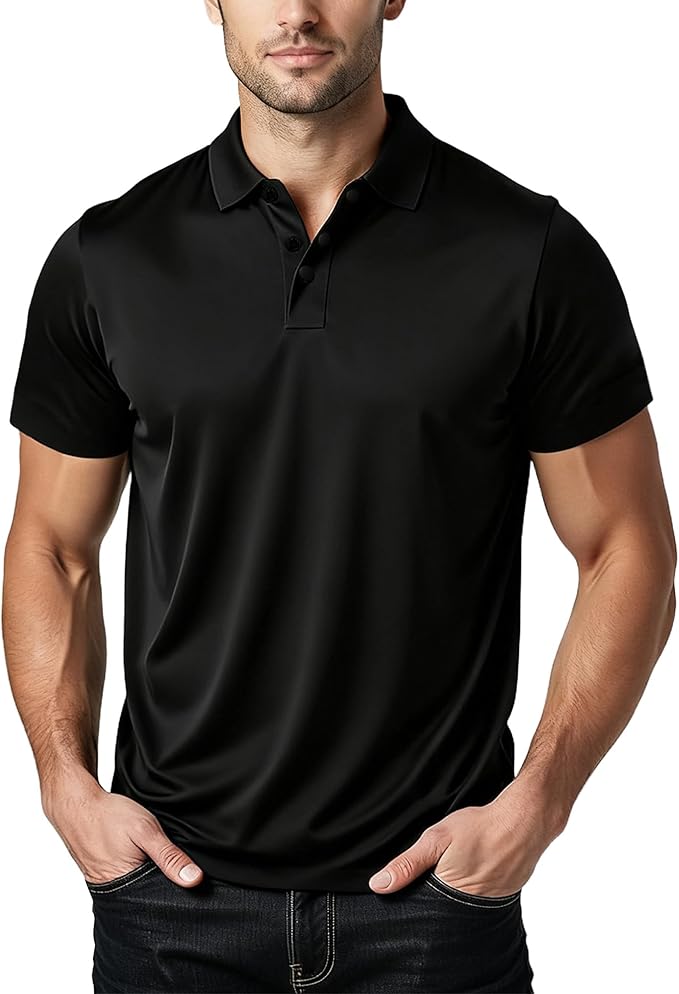
Men's Quick Dry Moisture Wicking Polo Shirt - High Elasticity Slim Fit Athletic Top (Runs Small)
$6.99 $29.99
46% OFF
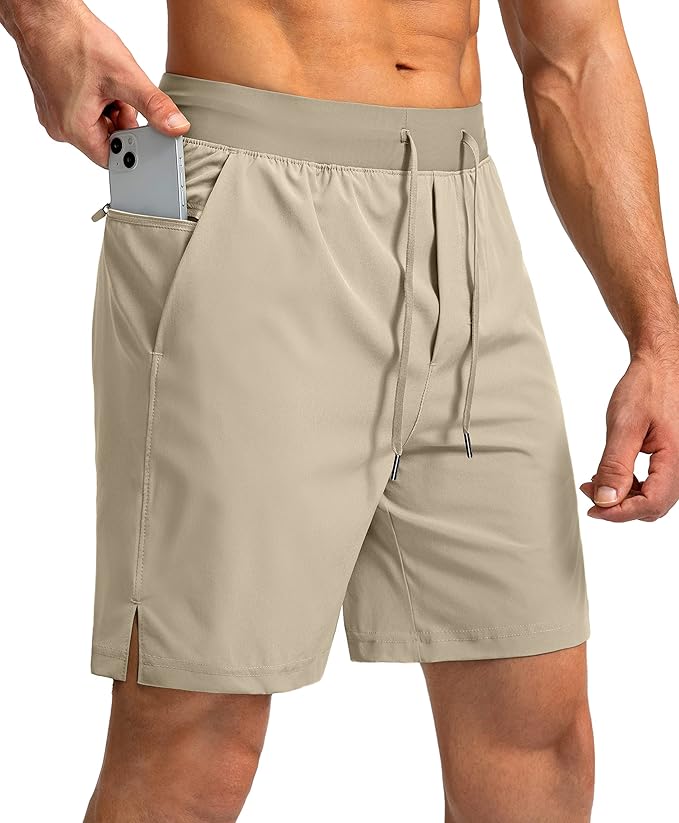
Men's Running Shorts with Zipper Pockets - Lightweight, Quick-Dry, Multi-Sport
$12.95 $23.99
50% OFF
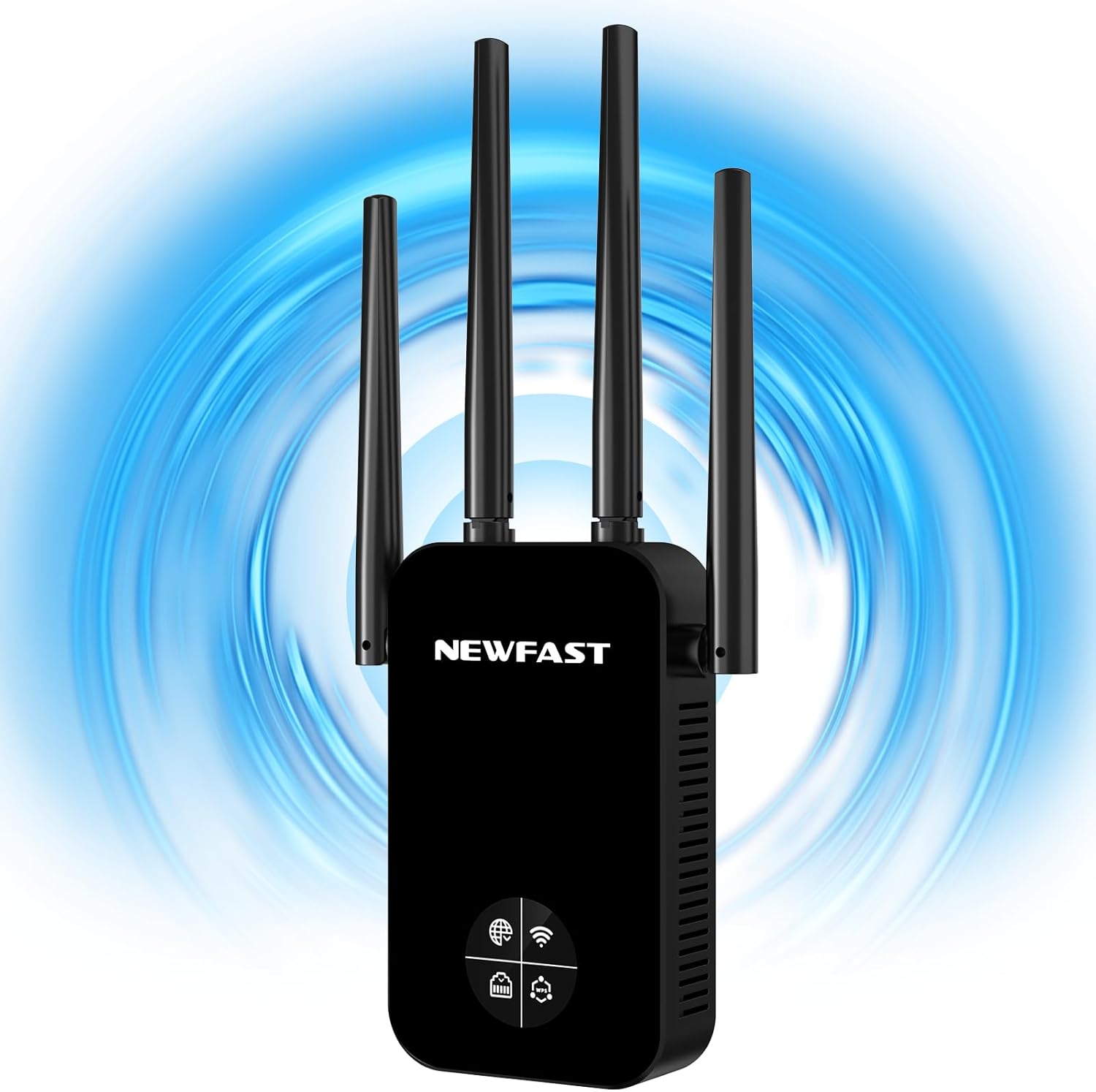
NEWFAST NF-RE523 AC1200 WiFi Extender - 1200Mbps Dual Band Signal Booster & Internet Repeater
$18.5 $36.99
48% OFF
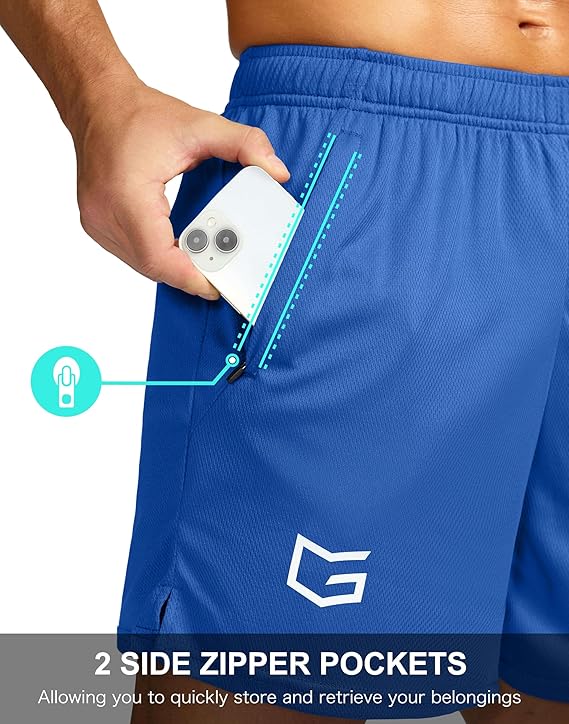
G Gradual Men's 7-inch Workout Running Shorts - Lightweight, Quick-Dry, Comfort
$12.91 $24.99
30% OFF
NOVETE Under Sink Water Filter - 3 Years, 30,000 Gallons, High-Efficiency Filtration
$41.99 $59.99
50% OFF

HDPE All-Weather Adirondack Chair with Built-In Cup Holder - Tool-Free Assembly (Grey)
$69.99 $139.99
60% OFF

HOMETUK Clear Plastic Storage Bins with Dividers - 3-Pack Stackable Acrylic Organizer Containers for Fridge and Pantry
$19.99 $49.99
58% OFF

G Gradual Men's Fishing Shirt - UPF 50+ Lightweight Short Sleeve Button Down with Zipper Pockets
$14.99 $35.99
55% OFF

Everyfun 60" Rectangular Platform Tree Swing - 700lbs Heavy Duty Adjustable Outdoor Swing (Colorful)
$49.99 $110.99
61% OFF

Ekouaer Women's Casual Loose Jumpsuit - One-Piece Printed Sleeveless Wide Leg Romper with Pockets
$14.99 $37.99
36% OFF

Men's Athletic Running Shorts with Zipper Pockets - Lightweight & Quick Dry
$12.74 $19.99
61% OFF

Modern Ceiling Fan with Light and Remote - Reversible Quiet DC Motor
$69.3 $179.99
50% OFF

MOOKA H13 True HEPA Air Purifier for Home Large Room - 1076 sq ft Odor Eliminator
$39.97 $79.95
40% OFF
X-Sense XS01-WX Smart Smoke Alarm - 2.4 GHz Wi-Fi Photoelectric Fire Detector with Mobile App Alerts
$65.99 $109.99
11% OFF
VitaUp Beet Root Gummies with CoQ10 & Grape Seed - Nitric Oxide Circulation Support (60 Count)
$24.91 $27.91
Sealy 2-Pack Tritech 16" Twin Inflatable Air Mattress with Built-in AC Pump
$0 $113.99
20% OFF

INTEX Prism Frame 20ft x 52in Above Ground Pool Set - Round Steel Frame Swimming Pool
$695.99 $869.99

Gardner Pet 43" Heavy Duty Dog Crate with Wheels - Indestructible Folding Metal Cage (Black)
$0 $149.99




-
Diary of a CEO’s Steven Bartlett and John Lennox discuss AI, faith and the search for meaning
-

Belfast churches 'heartbroken' over unrest
-

Is there a two-tier Britain?
-
Churches must disciple well and listen well in response to rise of Christian nationalism
-
Biblical models and the creation of King Arthur
-
UK Supreme Court to hear Christian schools’ challenge to VAT on private school fees
Most Popular
News
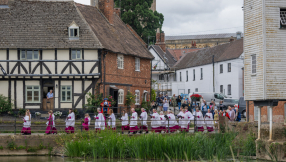
Gloucester churches come together to bless River Avon amid pollution concerns
It is part of a broader campaign against river pollution as concerns remain about the amount of untreated sewage in the Avon.

Life beyond burnout: how Christians can grow in the desert seasons
Christian Today speaks to author and Anglican priest Tish Harrison Warren about growth in desert seasons and why the Church shouldn’t treat all spiritual weariness as a problem to fix.

Iranian-born bishop stands in solidarity with Britain's Jews
2025 had the second highest number of antisemitic incidents on record.

Bishops protest Israeli arrest of another Palestinian Christian
An Evangelical Lutheran has been accused of "promoting terrorist activities".
MANSPOT Electric Pubic Hair Trimmer - Waterproof Body and Groin Shaver for Men and Women (Black)
$20.39
Lick-Safe Dog Paw and Nose Balm Stick - All-Natural Moisturizer with Coconut Oil for Dry, Cracked Pads and Snout
$11.69
Men's Quick Dry Moisture Wicking Polo Shirt - High Elasticity Slim Fit Athletic Top (Runs Small)
$6.99
Men's Running Shorts with Zipper Pockets - Lightweight, Quick-Dry, Multi-Sport
$12.95
NEWFAST NF-RE523 AC1200 WiFi Extender - 1200Mbps Dual Band Signal Booster & Internet Repeater
$18.5
G Gradual Men's 7-inch Workout Running Shorts - Lightweight, Quick-Dry, Comfort
$12.91
NOVETE Under Sink Water Filter - 3 Years, 30,000 Gallons, High-Efficiency Filtration
$41.99
HDPE All-Weather Adirondack Chair with Built-In Cup Holder - Tool-Free Assembly (Grey)
$69.99
HOMETUK Clear Plastic Storage Bins with Dividers - 3-Pack Stackable Acrylic Organizer Containers for Fridge and Pantry
$19.99
G Gradual Men's Fishing Shirt - UPF 50+ Lightweight Short Sleeve Button Down with Zipper Pockets
$14.99
Everyfun 60" Rectangular Platform Tree Swing - 700lbs Heavy Duty Adjustable Outdoor Swing (Colorful)
$49.99
Ekouaer Women's Casual Loose Jumpsuit - One-Piece Printed Sleeveless Wide Leg Romper with Pockets
$14.99
Men's Athletic Running Shorts with Zipper Pockets - Lightweight & Quick Dry
$12.74
Modern Ceiling Fan with Light and Remote - Reversible Quiet DC Motor
$69.3
MOOKA H13 True HEPA Air Purifier for Home Large Room - 1076 sq ft Odor Eliminator
$39.97
X-Sense XS01-WX Smart Smoke Alarm - 2.4 GHz Wi-Fi Photoelectric Fire Detector with Mobile App Alerts
$65.99
VitaUp Beet Root Gummies with CoQ10 & Grape Seed - Nitric Oxide Circulation Support (60 Count)
$24.91
Sealy 2-Pack Tritech 16" Twin Inflatable Air Mattress with Built-in AC Pump
$0
INTEX Prism Frame 20ft x 52in Above Ground Pool Set - Round Steel Frame Swimming Pool
$695.99
Gardner Pet 43" Heavy Duty Dog Crate with Wheels - Indestructible Folding Metal Cage (Black)
$0