
According to the Bertelsmann Foundation, intercultural competence is “the ability to reflect and act in an effective and appropriate manner in intercultural situations, based on distinct convictions and attitudes as well as particular reflection and response mechanisms”. But what does that actually mean?
Frank Hinkelmann, Leader of OM Europe, says that it is an awareness of one’s own cultural boundaries.
“As a German living in Austria, I’m regularly reminded by my host country that I’m German.
"This in principle is neither bad nor good, but simply a reality I need to be aware of. At the same time, I want to be open to discover differences in the Austrian culture and I want to learn to appreciate them.
"This attitude of appreciation is needed if I want to share about the love of Jesus with other people. This attitude of appreciation also helps me to see elements of my own culture that are not helpful at all.”
Intercultural Lifestyle
But should we be open to an intercultural lifestyle, you might ask. “Absolutely!” says James Price of World Outreach, and co-ordinator of Mission-Net short-term outreaches. This is true in mixing with followers of Jesus and those of other or no faith. Encountering our Christian faith in another culture deepens our understanding of the character of God, seeing things from a different worldview. And mixing with people who don’t share the Christian faith is equally important. “We are all called to make disciples of all nations, taking the Gospel to the ends of the earth,” adds James. “For God loves all people – every nation, tribe, people and language.”
Cultural Diversity
There are over 830 million people living in Europe – less than two per cent are followers of Jesus. In recent years the continent has witnessed increased secularisation of the nations and massive growth in the migrant population. Today’s European culture is multi-cultural and therefore demands an intercultural lifestyle.
“We live in exciting times – the ends of the earth are now our neighbours,” says James. Many people come to Europe from countries where they have no access to God’s truth, providing a great opportunity for the church to engage in the mandate of the Great Commission in its local communities. Who, if not we Christians as part of one body – the Church – can be a prime example of an intercultural lifestyle, appreciating our differences without giving up our cultural distinctiveness?
Opposing Trends in Europe
Two opposing trends can be witnessed in Europe: One is very much characterised by a growing nationalism often linked with ethnocentricity, while the other is the preference, especially amongst the youth to define oneself as European rather than as a citizen of one’s respective country.
Both of these trends are strongly influenced by a vibrant migration within Europe such as Poles working in the UK, Romanians in Spain and Portugal, Albanians in Italy. In addition there is evidence of a growing and constant migration to Europe, mainly from Africa and certain parts of Asia.
As many of the migrants from the Global South are believers, an inflow of new vibrant and authentic expressions of Biblical Christianity is emerging in Europe. “I believe these Christians will be the new mission force to Europe,” says Frank. “However, I also observe an attitude of ethnocentricity in many churches, sometimes even linked with racism. This is certainly against all Biblical values.”
Intercultural Experience this summer
Under the umbrella of Mission-Net, OM and World Outreach are hosting short-term outreaches to Germany, Malta, Romania, Sweden and UK this summer. When asked why young Europeans should sign up, Frank responds emphatically, “Because a summer outreach can be a life changing experience – I’ve seen it myself. You’ll learn more about yourself, you’ll learn more about other cultures – be it the culture of your teammates or your host country. And you’ll have the great opportunity to share the good news about Jesus Christ in ways you might not have done before.”
“Spending time in another culture can be really challenging, but equally rewarding,” adds James. “Stepping out of your comfort zones allows God to stretch you and enlarge your vision for the nations. You will learn more about yourself and God as you put your faith into action.”
Concludes Frank, “Mission-Net is a terrific event for young Christians from across Europe to not only hear about what God is doing in today’s world, but also to grow in their personal walk with God. Mission-Net provided the opportunity to make friends from all over Europe and to build inter-cultural relationships.”
For more information, check out www.mission-net .org or contact James Price about outreaches this summer: james.price@wouk.org
26% OFF

Magnelex American Flag Windshield Sun Shade - High-Resolution UV Reflective Heat Shield (X-Large)
$19.9 $26.9
50% OFF
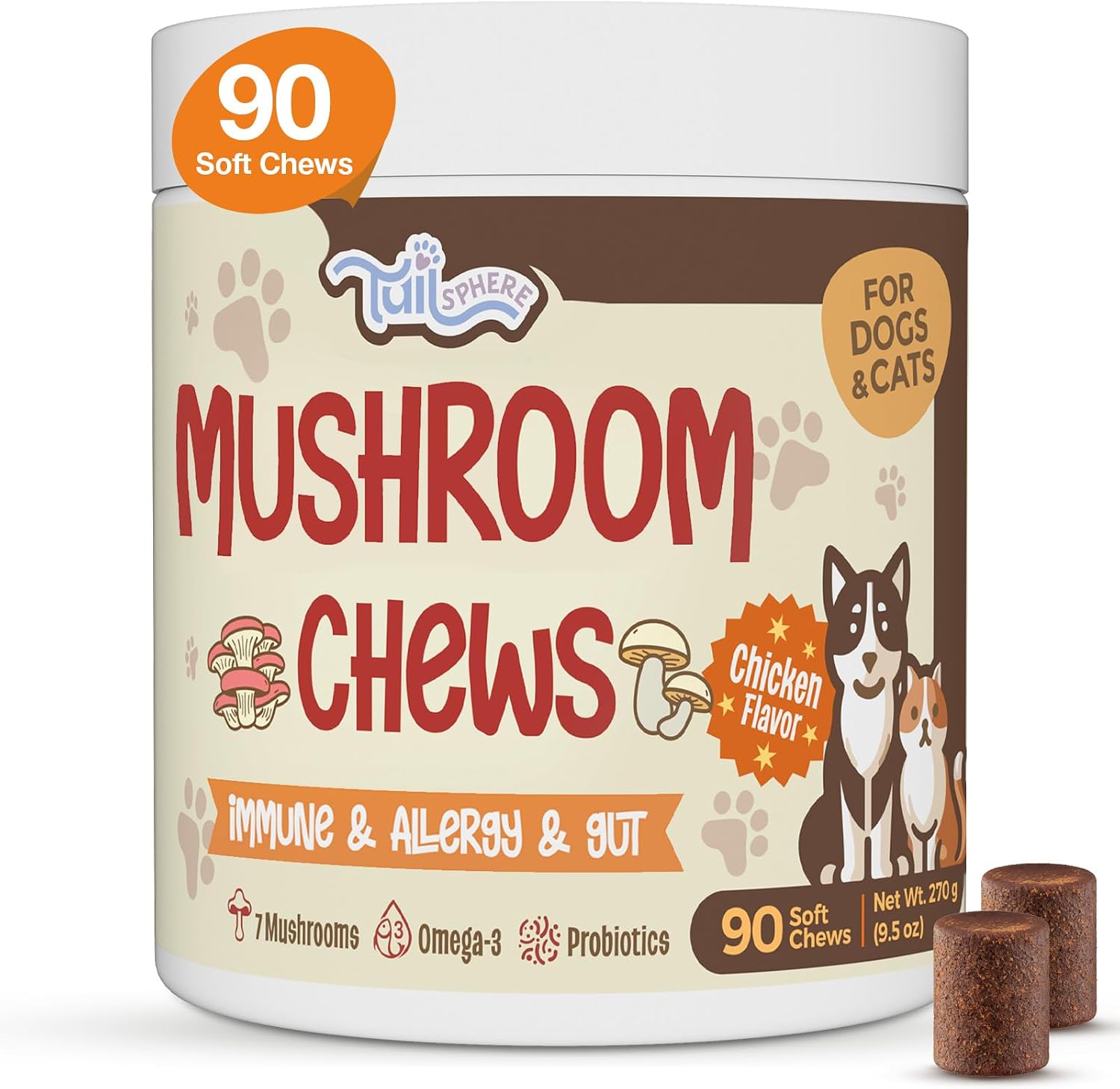
TailSphere 12-in-1 Turkey Tail Mushroom Immune Support Chews for Dogs (90 Count)
$13.49 $26.99
50% OFF
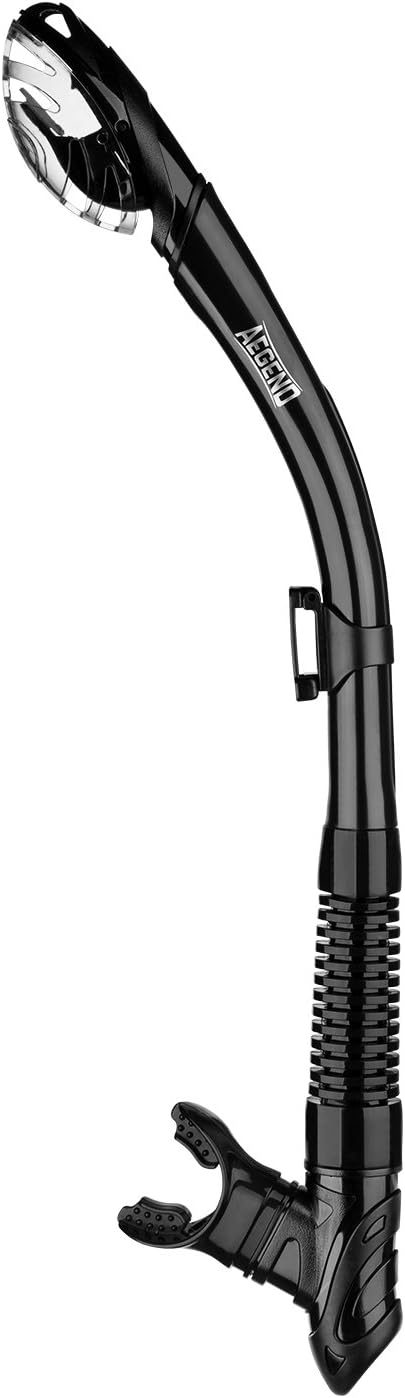
Aegend Diving Dry Snorkel for Adults and Youth with Top Dry Valve
$7.49 $14.99
50% OFF
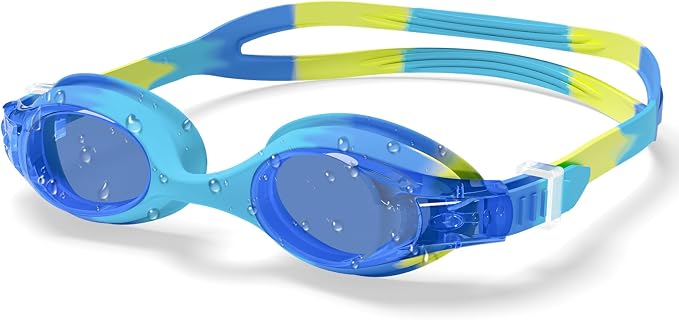
Aegend Kids Swim Goggles for Toddlers 3-8 with Anti-Fog and No-Hair-Pull Strap
$4.49 $8.99
73% OFF
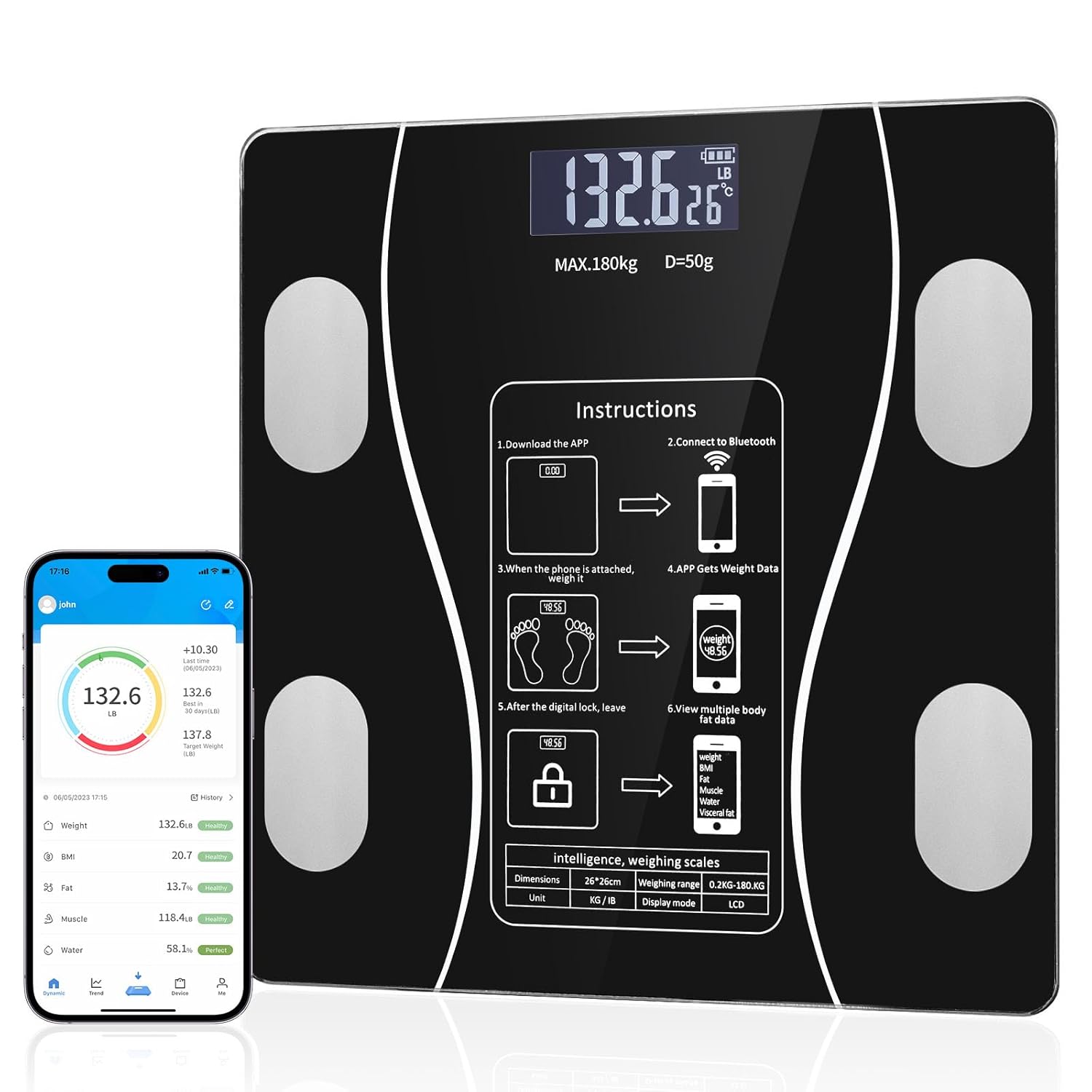
Smart Bluetooth Body Fat Scale with LED Display and Body Composition Analyzer
$21.58 $79.96
73% OFF
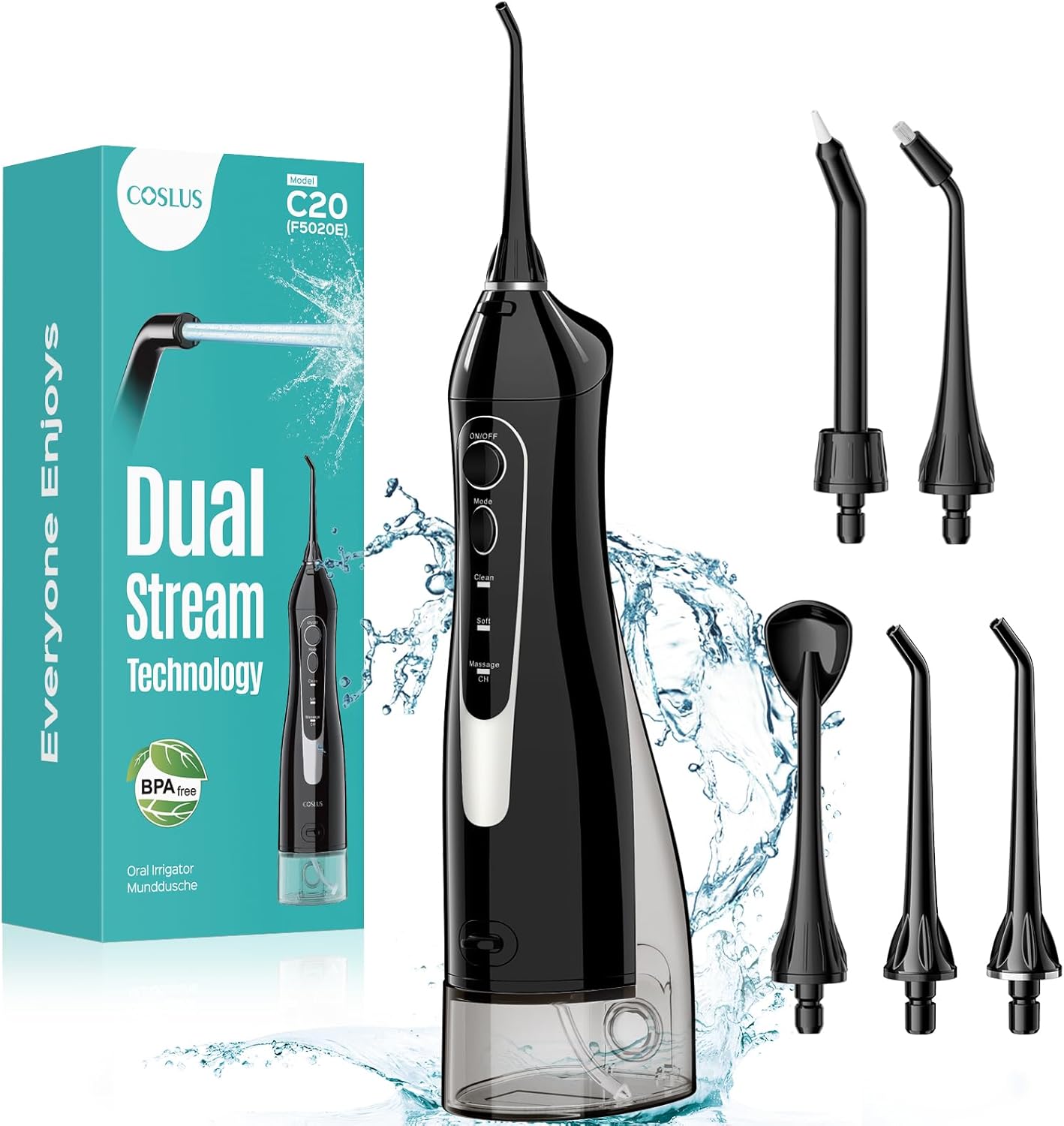
COSLUS C20 Portable Cordless Water Dental Flosser and Oral Irrigator
$7.99 $29.99
29% OFF
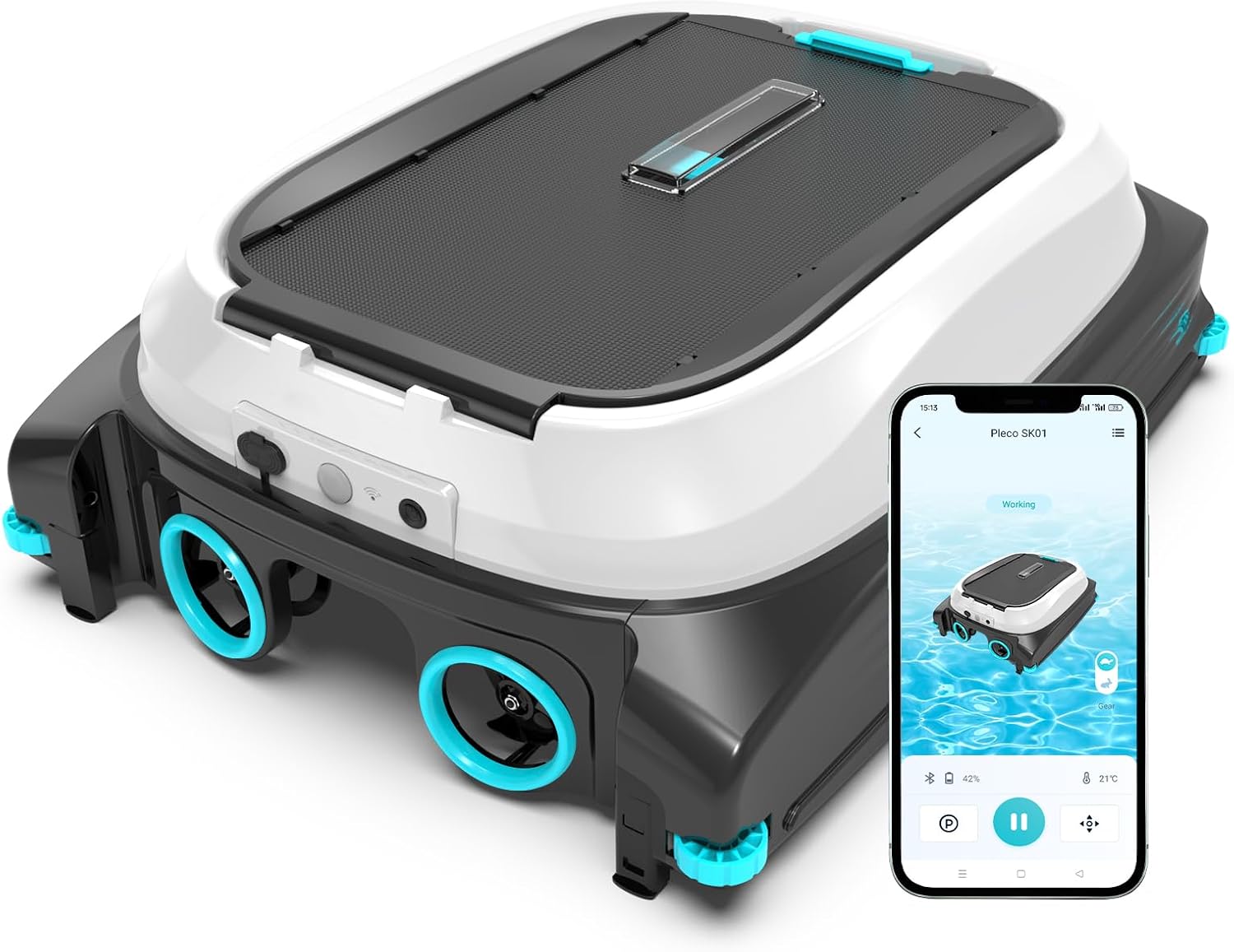
Pleco SK01 Solar Powered Robotic Pool Skimmer with App Control (Obsidian & Ivory)
$284.99 $399.99
52% OFF
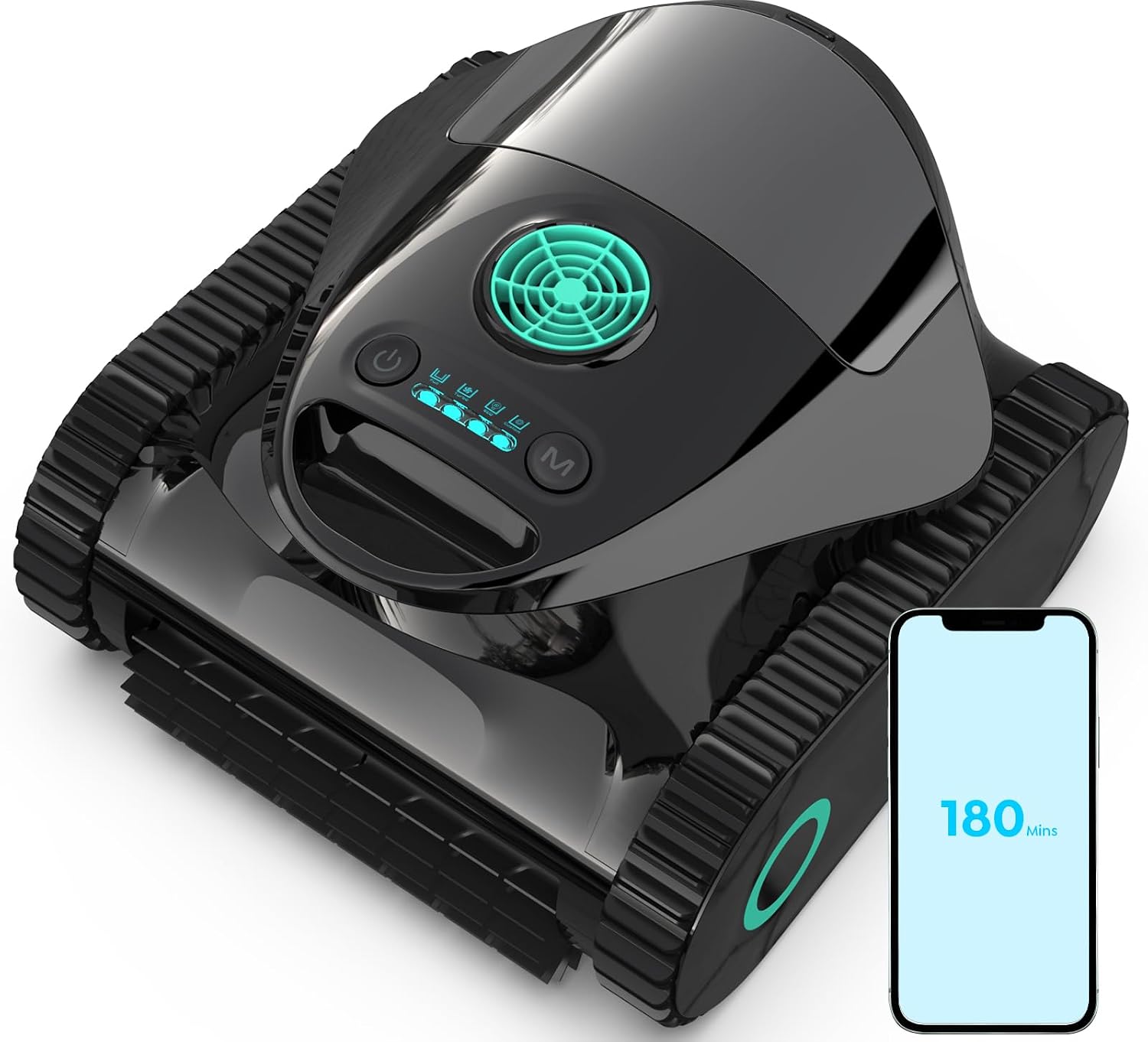
Cordless Robotic Pool Cleaner C1 with Wall Climbing and App Control (Glossy Black)
$290.69 $599.99
52% OFF
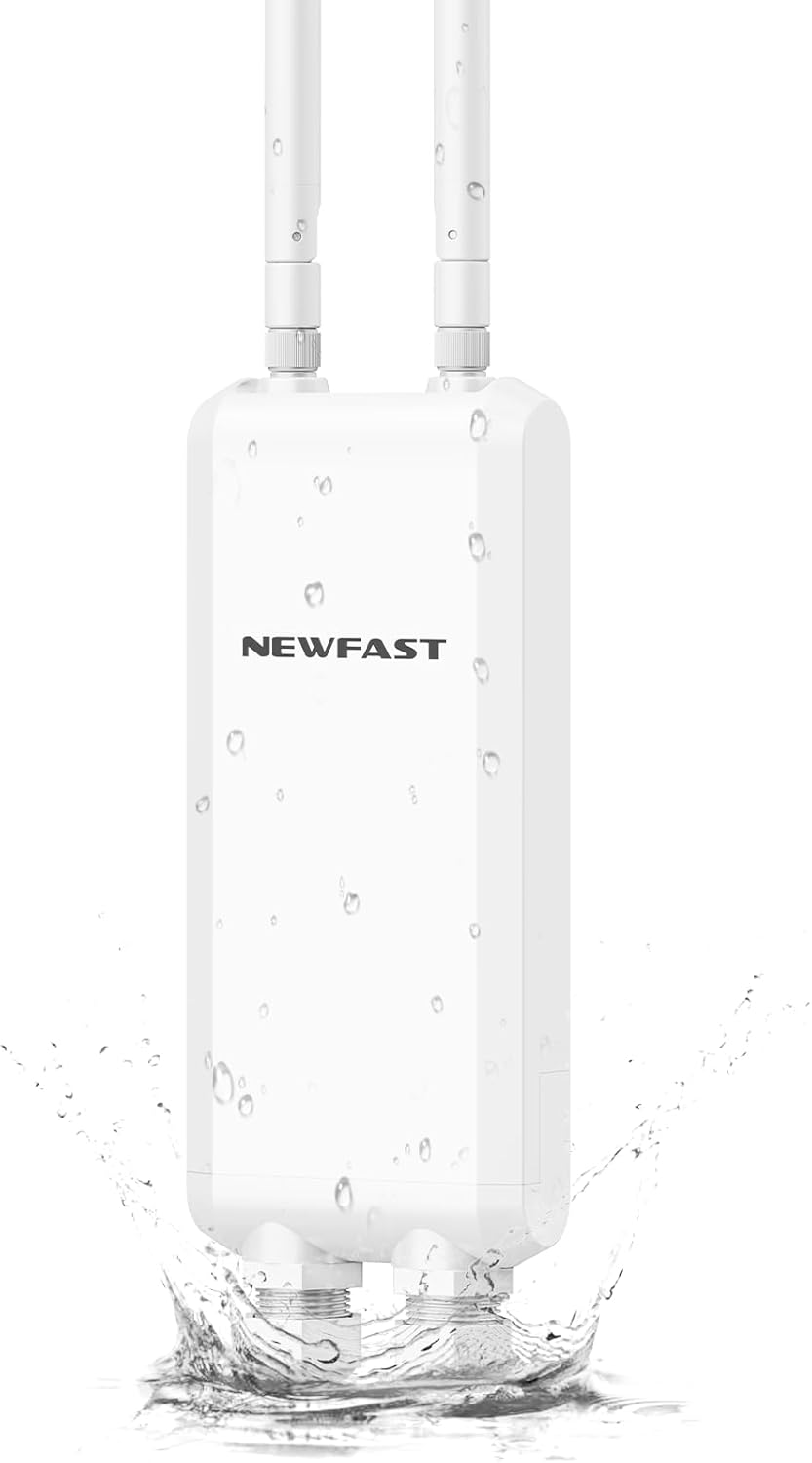
NEWFAST Outdoor WiFi Extender with MU-MIMO and 3 Gigabit Ports (IP66)
$47.99 $99.99
51% OFF
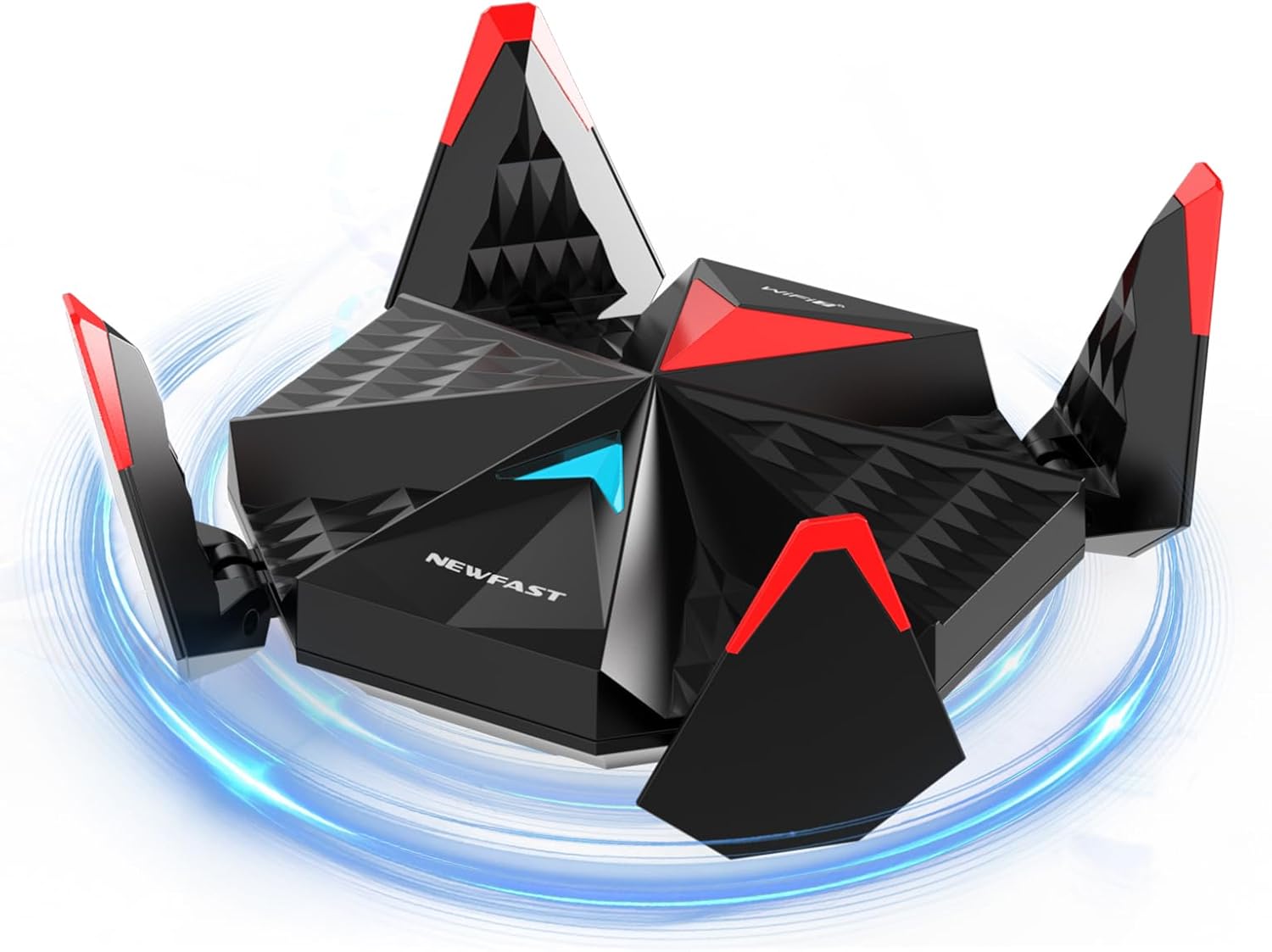
NEWFAST AXE5400 Tri-Band USB WiFi 6E Adapter with 4 Antennas (NF-U357)
$44.45 $89.99
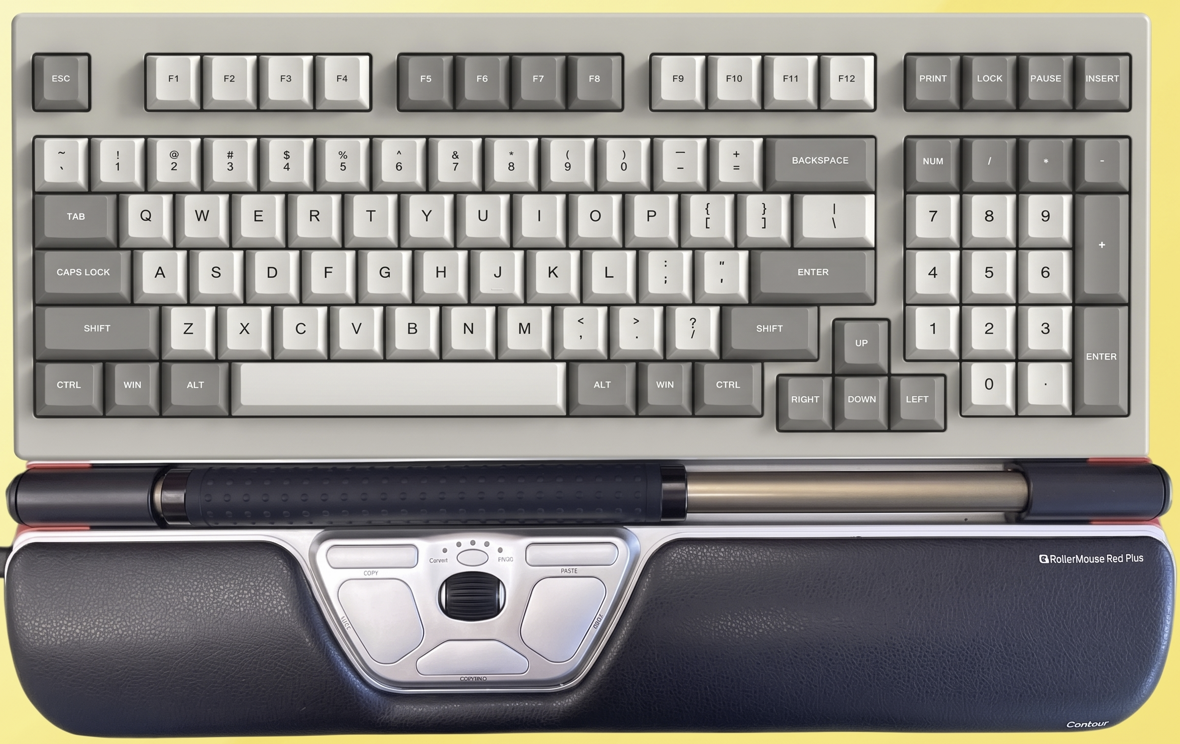
The $400 Mouse I Thought Was Ridiculously Expensive—Until It Changed How I Work
$0 $0
50% OFF
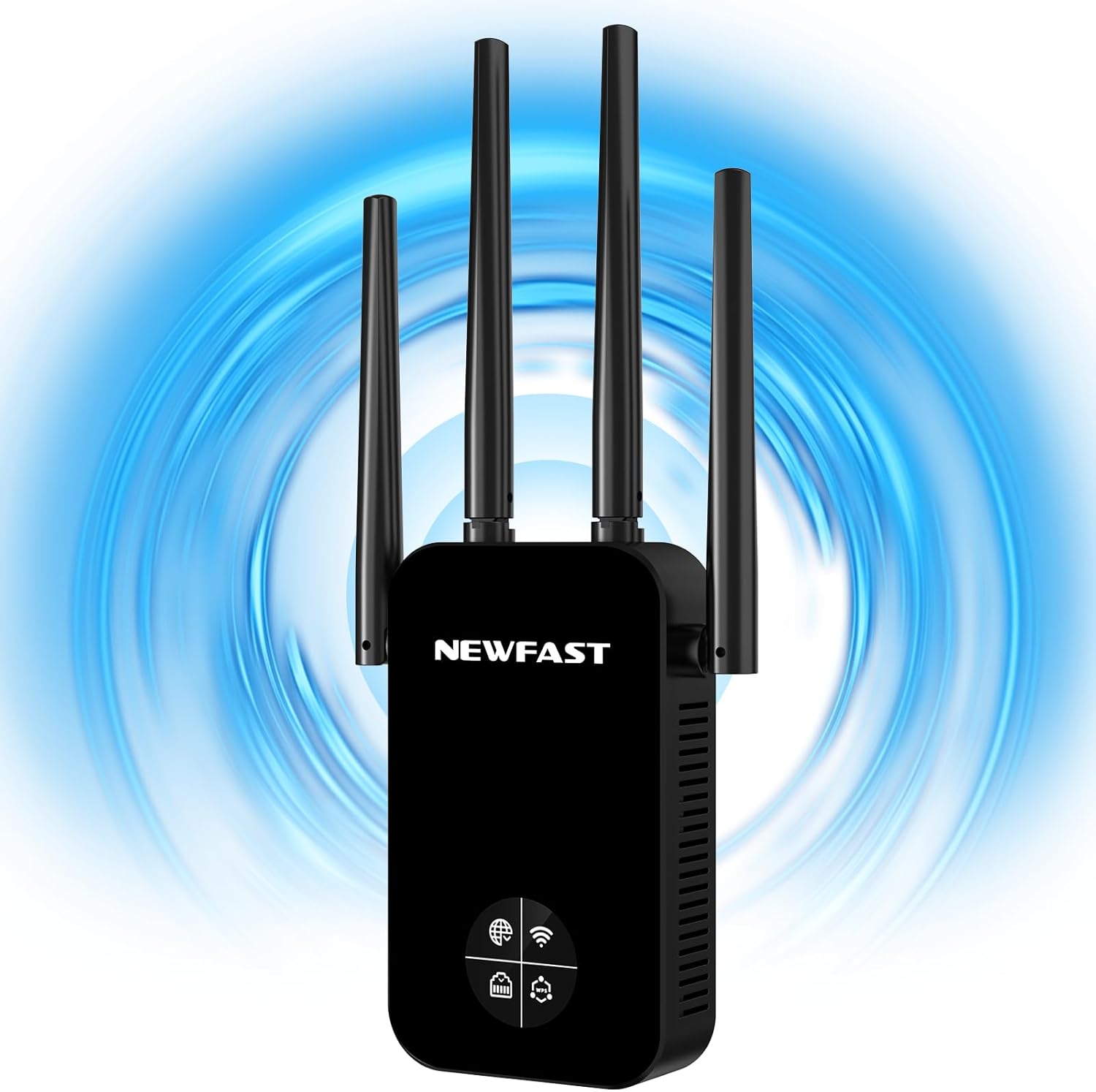
NEWFAST NF-RE523 AC1200 WiFi Extender - 1200Mbps Dual Band Signal Booster & Internet Repeater
$18.5 $36.99
36% OFF

Men's Athletic Running Shorts with Zipper Pockets - Lightweight & Quick Dry
$12.74 $19.99
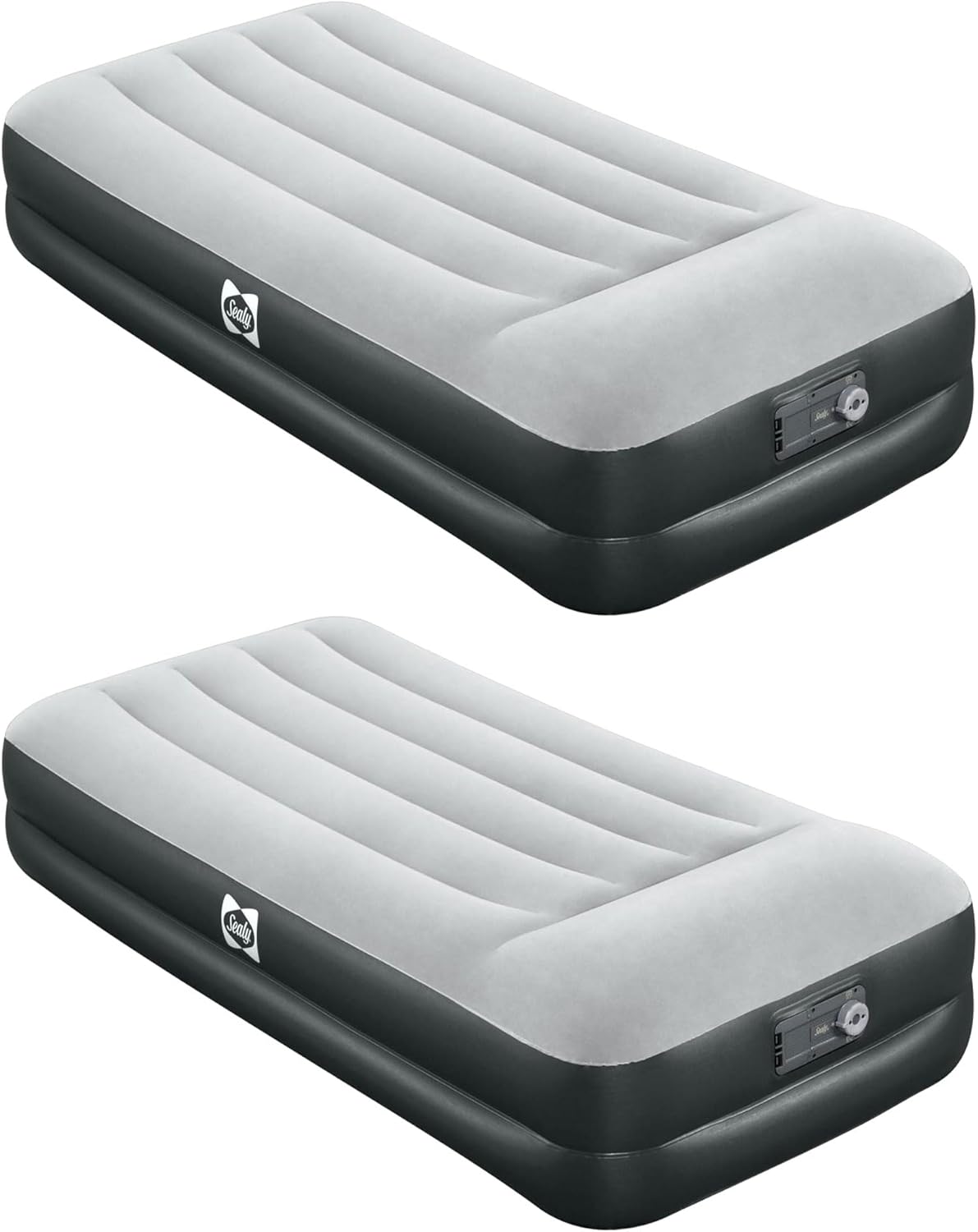
Sealy 2-Pack Tritech 16" Twin Inflatable Air Mattress with Built-in AC Pump
$0 $113.99
20% OFF
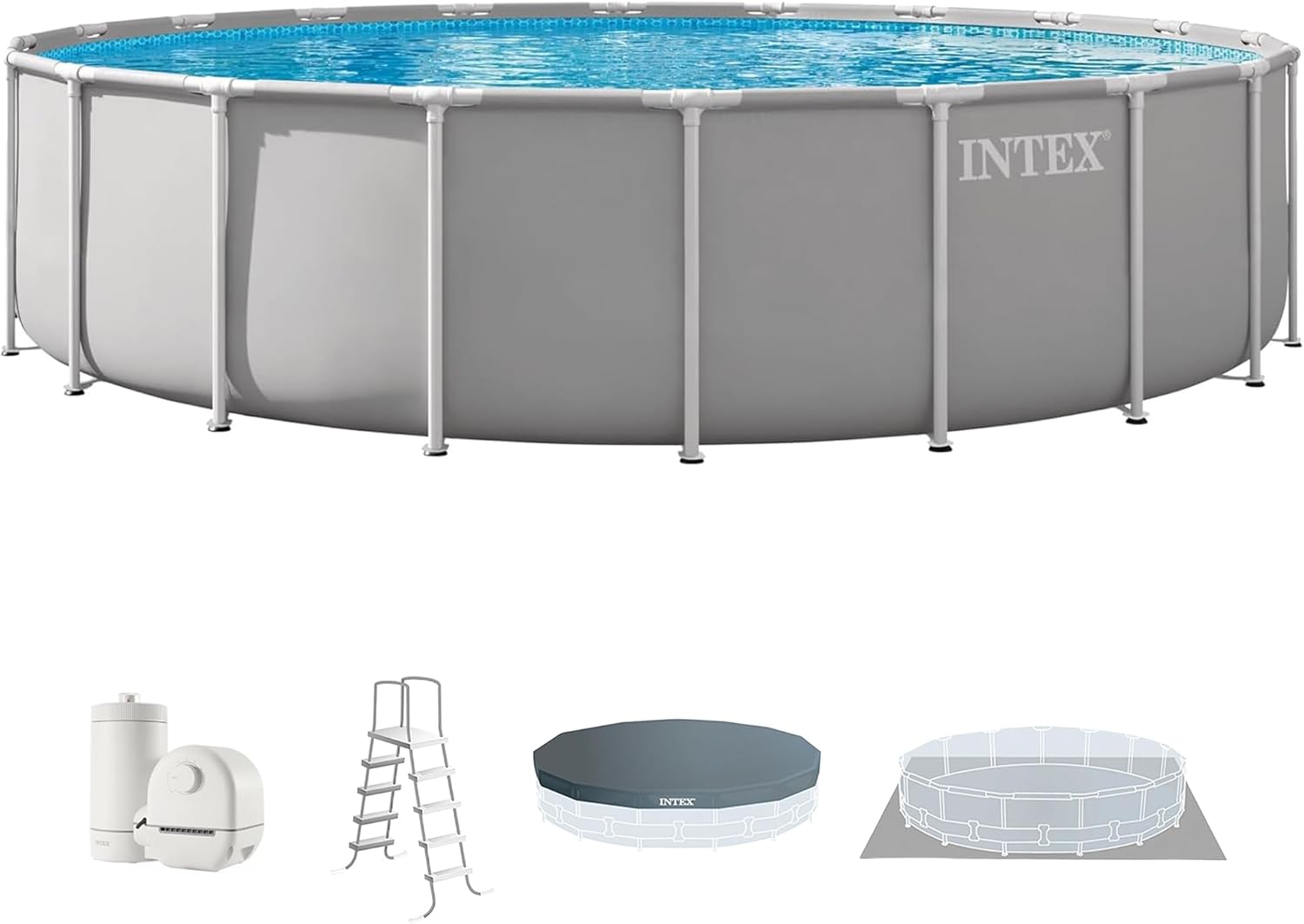
INTEX Prism Frame 20ft x 52in Above Ground Pool Set - Round Steel Frame Swimming Pool
$695.99 $869.99

Gardner Pet 43" Heavy Duty Dog Crate with Wheels - Indestructible Folding Metal Cage (Black)
$0 $149.99
23% OFF

Ergonomic Office Chair - Big and Tall Desk Chair with Adjustable Lumbar Support
$279.99 $363.99
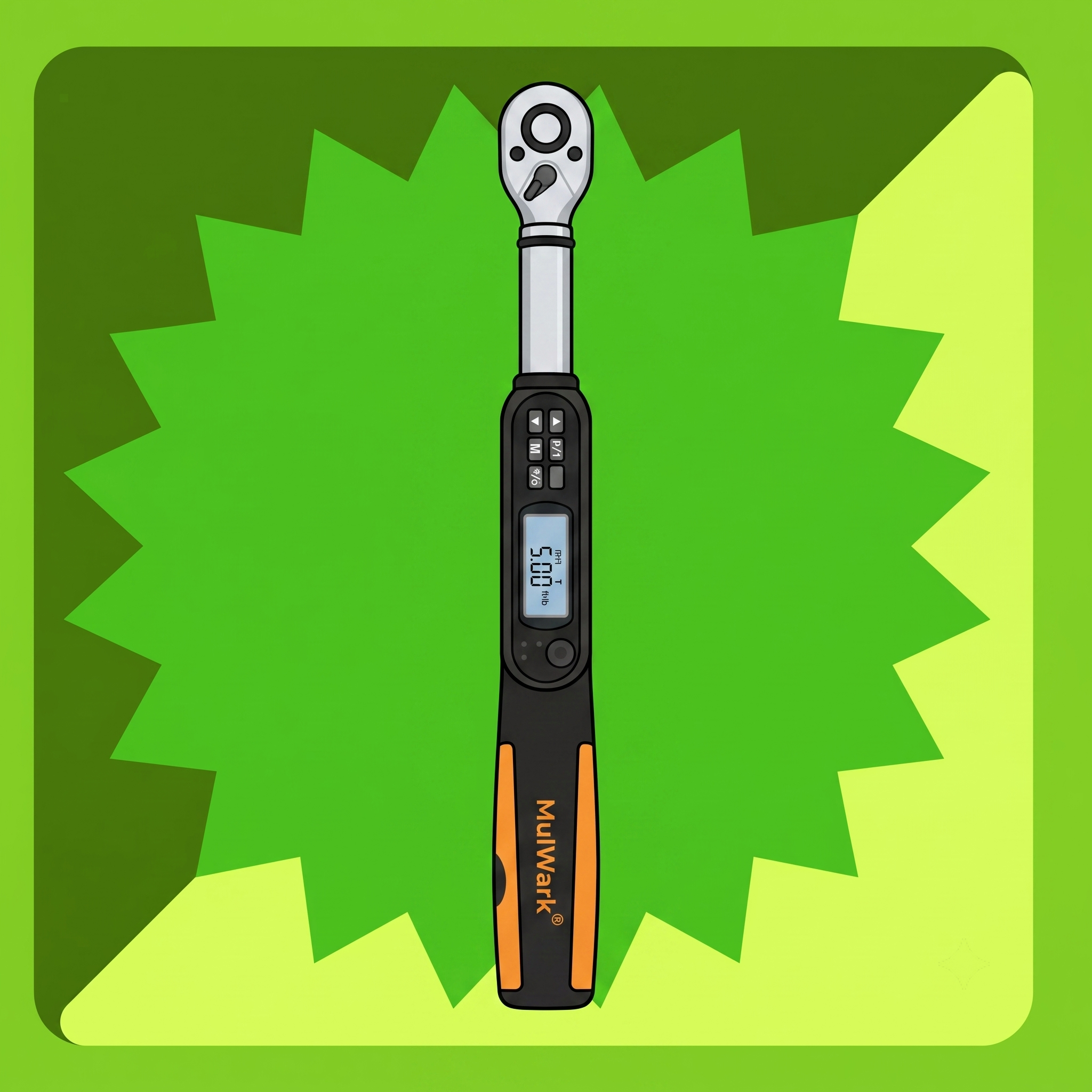
The Tool That Finally Made Me Stop Second-Guessing My Own Wrenching
$0 $0
20% OFF
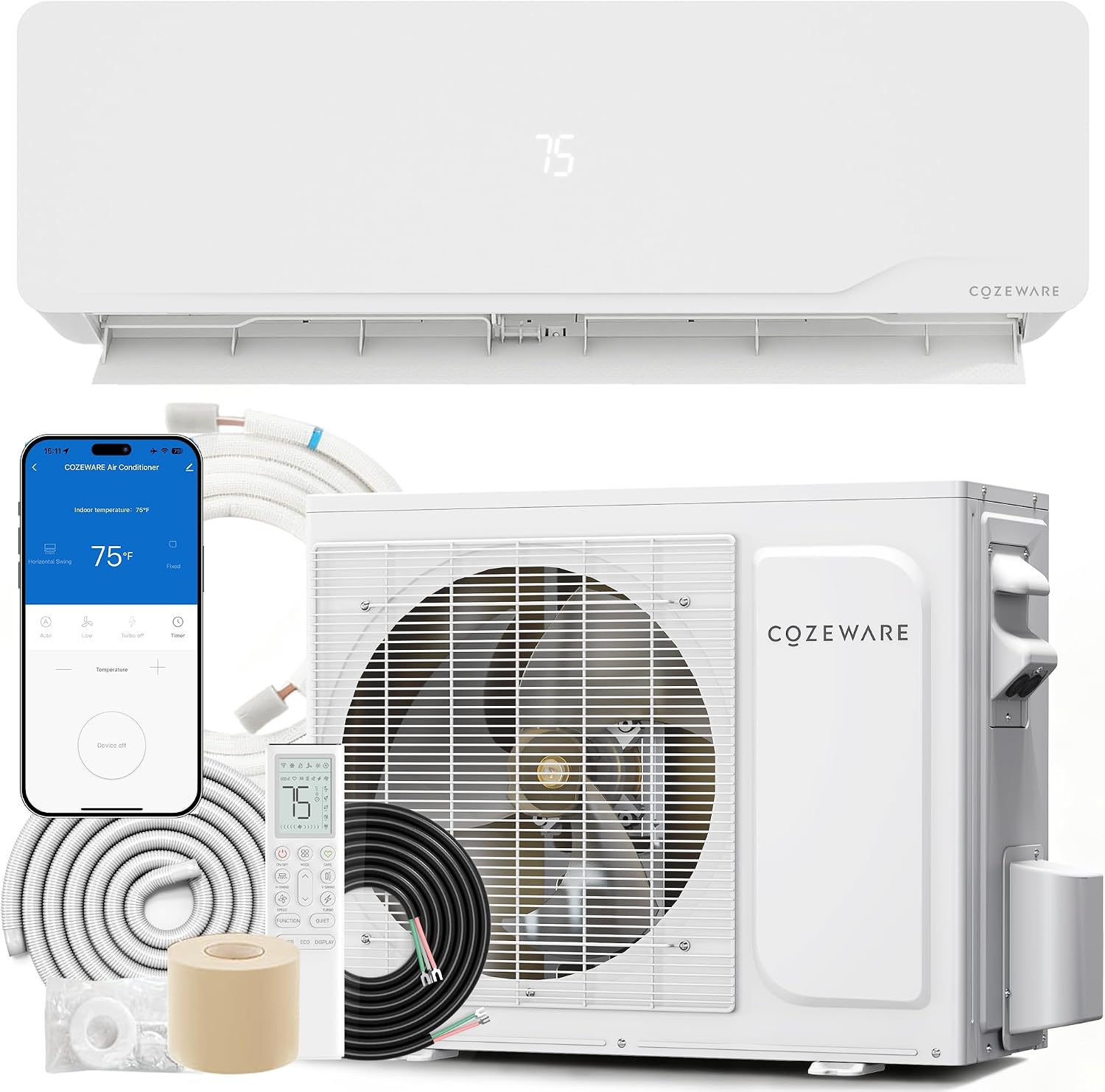
COZEWARE Visio Series 12000 BTU 20 SEER2 Smart Mini Split AC with Heat Pump (230V, 1 Ton)
$431.99 $539.99
20% OFF
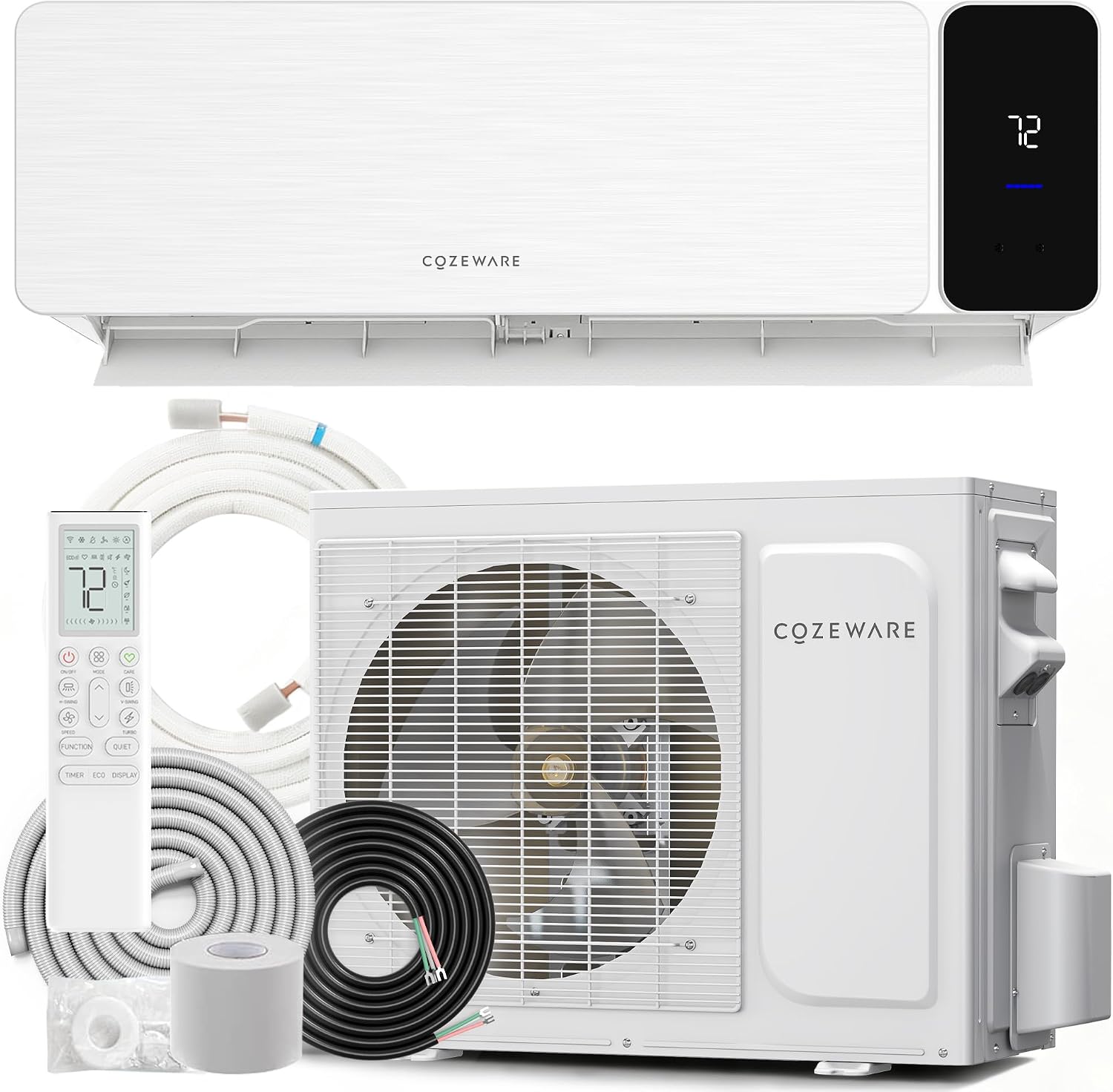
COZEWARE Visio Series 9000 BTU 18 SEER2 Ductless Mini Split AC with Heat Pump (115V)
$439.99 $549.99




-
Former Queen's chaplain: King Charles has betrayed his faith, office and subjects
-

Christian teacher Enoch Burke released from prison after High Court order
-

Why C of E bishops won't oppose the Conversion Practices Bill
-

One in three pregnancies now result in abortion as England and Wales reach record high
-
Evangelicals announce month of prayer as Church of England debates same-sex relationships
-

The Archbishops must not let safeguarding be weaponised to shut down debate
Most Popular
News

Christian nurse at centre of trans pronouns row has 'no case' to answer, regulator concludes
The Nursing and Midwifery Council has decided that no action needs to be taken against a Christian nurse who refused to use the preferred pronouns of a transgender patient.

More than a million children have been referred for NHS mental health support - the Church has to be part of the solution
The mental health crisis facing children cannot be solved by healthcare alone.

July is Disability Awareness Month - Let us celebrate the diversity of God’s image in all people
Life in Christ is not shaped by uniform ability, but by interdependence in which weakness and strength are not ranked but held together.
Christian Brothers defend housing convicted sex abusers amid insolvency claims in Australia
The Christian Brothers have defended their decision to retain nine convicted child sex offenders within their religious order, saying they have a "Gospel imperative" to continue caring for all members, according to court documents filed in Australia.
Magnelex American Flag Windshield Sun Shade - High-Resolution UV Reflective Heat Shield (X-Large)
$19.9
TailSphere 12-in-1 Turkey Tail Mushroom Immune Support Chews for Dogs (90 Count)
$13.49
Aegend Diving Dry Snorkel for Adults and Youth with Top Dry Valve
$7.49
Aegend Kids Swim Goggles for Toddlers 3-8 with Anti-Fog and No-Hair-Pull Strap
$4.49
Smart Bluetooth Body Fat Scale with LED Display and Body Composition Analyzer
$21.58
COSLUS C20 Portable Cordless Water Dental Flosser and Oral Irrigator
$7.99
Pleco SK01 Solar Powered Robotic Pool Skimmer with App Control (Obsidian & Ivory)
$284.99
Cordless Robotic Pool Cleaner C1 with Wall Climbing and App Control (Glossy Black)
$290.69
NEWFAST Outdoor WiFi Extender with MU-MIMO and 3 Gigabit Ports (IP66)
$47.99
NEWFAST AXE5400 Tri-Band USB WiFi 6E Adapter with 4 Antennas (NF-U357)
$44.45
The $400 Mouse I Thought Was Ridiculously Expensive—Until It Changed How I Work
$0
NEWFAST NF-RE523 AC1200 WiFi Extender - 1200Mbps Dual Band Signal Booster & Internet Repeater
$18.5
Men's Athletic Running Shorts with Zipper Pockets - Lightweight & Quick Dry
$12.74
Sealy 2-Pack Tritech 16" Twin Inflatable Air Mattress with Built-in AC Pump
$0
INTEX Prism Frame 20ft x 52in Above Ground Pool Set - Round Steel Frame Swimming Pool
$695.99
Gardner Pet 43" Heavy Duty Dog Crate with Wheels - Indestructible Folding Metal Cage (Black)
$0
Ergonomic Office Chair - Big and Tall Desk Chair with Adjustable Lumbar Support
$279.99
The Tool That Finally Made Me Stop Second-Guessing My Own Wrenching
$0
COZEWARE Visio Series 12000 BTU 20 SEER2 Smart Mini Split AC with Heat Pump (230V, 1 Ton)
$431.99
COZEWARE Visio Series 9000 BTU 18 SEER2 Ductless Mini Split AC with Heat Pump (115V)
$439.99