
This week has seen huge opposition arise against Lord Joffe’s proposals for euthanasia. Leading bishops and religious leaders have applied such united pressure against the private member’s bill for ‘physician-assisted suicide’ that the euthanasia campaigner has been forced to water down his plans.
|TOP|This week’s debate took place in the House of Lords, and Lord Joffe unveiled his plans for doctors to legally prescribe lethal drugs to end the lives of terminally ill patients. However, his proposals will not allow doctors to actually administer the drugs themselves.
Bishops from across the country from St Albans, Oxford and London joined former Archbishops, Lord Carey and Lord Habgood in expressing their absolute opposition to the Bill in the House of Lords.
Their presence was backed by a major campaign in the days running up to the Bill’s hearing by religious leaders. Nine religious leaders from six different religions appealed to the Parliament to block assisted suicide and voluntary euthanasia, stating that the very core of human life was at risk, and pointed to rapid advances in palliative care as an alternative.
Christian, Jewish, Muslim, Sikh and Hindu religious heads signed up to the letter opposing the Bill. Although the Lord’s debate had no vote, the unity among the religions projected a clear sign that there was widespread opposition across all beliefs.
Repeated claims have been made that religious leaders were imposing their beliefs, and to this the Bishop of Oxford said that although there were religious arguments, the views put forwards were entirely rational views, reported the Church of England newspaper. The Bishop said, “A loss of autonomy does not signify any loss of meaning or value from our lives.”
Joining the debate, the Bishop of London, Revd Richard Chartres insisted that allowing assisted suicide to even a few people could erode society’s familiarity with the worth of human life.
Revd Chartres said, “It would be a tragedy indeed if changing the law increased the pressure on many people who recognise their vulnerability to consider suicide.”
The Bishop of St Albans was a member of a select committee that visited various countries gathering evidence on assisted dying and euthanasia, and he pointed out that personal autonomy and choice was not the highest moral good, but that this was infact the value of being in relationships of love
He asked, “When did you last hear a song or read a poem about the joys and importance of personal autonomy?”
The Bishop stated that giving the right to die to a patient could only be carried out by infringing the rights of doctors, and so was completely unworkable and immoral. He said, “Yes, a minority of doctors would be prepared to carry out euthanasia, but the great majority – especially those actively involved in care of the dying – do not want it foisted on them.”
In addition the Bishops stated that the proposed Bill would not take into account the rights of other terminally ill people, “It is simply naïve to suggest that, because any law would allow assisted suicide or euthanasia for volunteers only, that is what would happen in practice.”
One example brought out was the Netherlands where a number of involuntary cases of euthanasia have been carried out. Lord Carey told that assisted dying was regarded as wrong by people of all faiths and even those that do not have a faith, “There are important civil reasons why society as a whole and its more vulnerable members would be threatened if the law were to be changed.”
Lord Carey concluded that the choice of a right to die would unavoidably affect others, and in particular medical staff and also those that were left behind in the aftermath of an assisted dying case.
Lord Habgood told of a story regarding a Dutch doctor that was preparing a patient for euthanasia, and the doctor told that although it was hard the process was becoming easier each time that he had to perform it. Lord Hadgood said, “That is precisely the point, because that is the way the world works. That is why I believe that it would be a profound mistake to follow those who have chosen to go down this road.”
11% OFF

VitaUp Beet Root Gummies with CoQ10 & Grape Seed - Nitric Oxide Circulation Support (60 Count)
$24.91 $27.91
50% OFF

HDPE All-Weather Adirondack Chair with Built-In Cup Holder - Tool-Free Assembly (Grey)
$69.99 $139.99
60% OFF

HOMETUK Clear Plastic Storage Bins with Dividers - 3-Pack Stackable Acrylic Organizer Containers for Fridge and Pantry
$19.99 $49.99
58% OFF

G Gradual Men's Fishing Shirt - UPF 50+ Lightweight Short Sleeve Button Down with Zipper Pockets
$14.99 $35.99
55% OFF

Everyfun 60" Rectangular Platform Tree Swing - 700lbs Heavy Duty Adjustable Outdoor Swing (Colorful)
$49.99 $110.99
61% OFF

Ekouaer Women's Casual Loose Jumpsuit - One-Piece Printed Sleeveless Wide Leg Romper with Pockets
$14.99 $37.99
40% OFF

ROTAKE TB3 20V Heavy Duty 1/2" Cordless Impact Wrench Kit - 1380 Ft-Lbs Torque
$132 $219.99
36% OFF

Men's Athletic Running Shorts with Zipper Pockets - Lightweight & Quick Dry
$12.74 $19.99
61% OFF

Modern Ceiling Fan with Light and Remote - Reversible Quiet DC Motor
$69.3 $179.99
50% OFF

MOOKA H13 True HEPA Air Purifier for Home Large Room - 1076 sq ft Odor Eliminator
$39.97 $79.95
60% OFF

Ekouaer Women's Satin Silky Pajama Set - Short Sleeve Pullover Top & Wide-Leg Pants
$13.99 $34.99
55% OFF

Ekouaer 3-Piece Maternity & Nursing Pajamas Set - Short Sleeve Top with Shorts and Pants
$14.99 $32.99
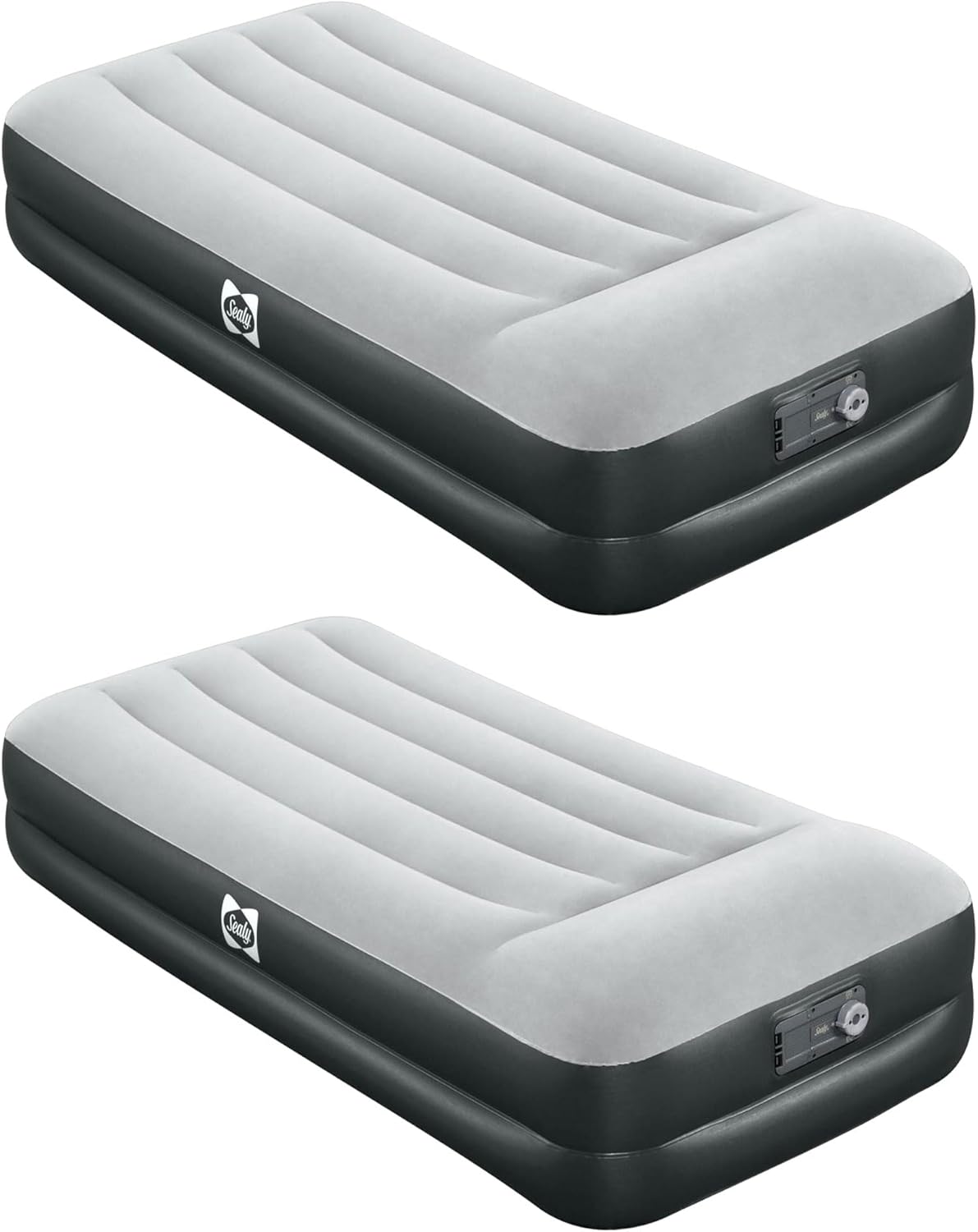
Sealy 2-Pack Tritech 16" Twin Inflatable Air Mattress with Built-in AC Pump
$0 $113.99
20% OFF
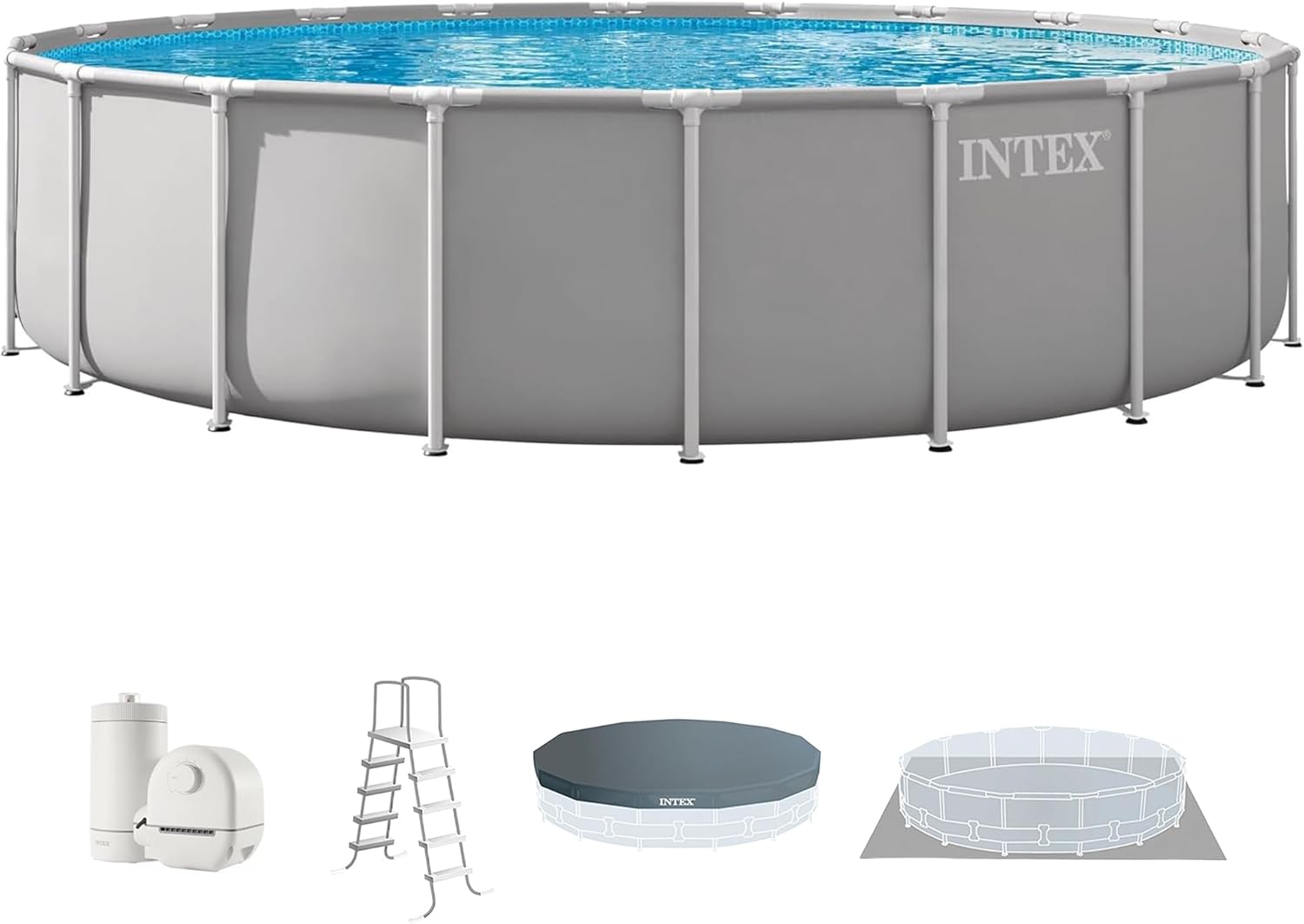
INTEX Prism Frame 20ft x 52in Above Ground Pool Set - Round Steel Frame Swimming Pool
$695.99 $869.99

Gardner Pet 43" Heavy Duty Dog Crate with Wheels - Indestructible Folding Metal Cage (Black)
$0 $149.99
12% OFF

Elegant Mid-Century Modern Bar Stools - Set of 4
$395.99 $449.99
23% OFF

Ergonomic Office Chair - Big and Tall Desk Chair with Adjustable Lumbar Support
$279.99 $363.99
26% OFF

Magnelex American Flag Windshield Sun Shade - High-Resolution UV Reflective Heat Shield (X-Large)
$19.9 $26.9
20% OFF
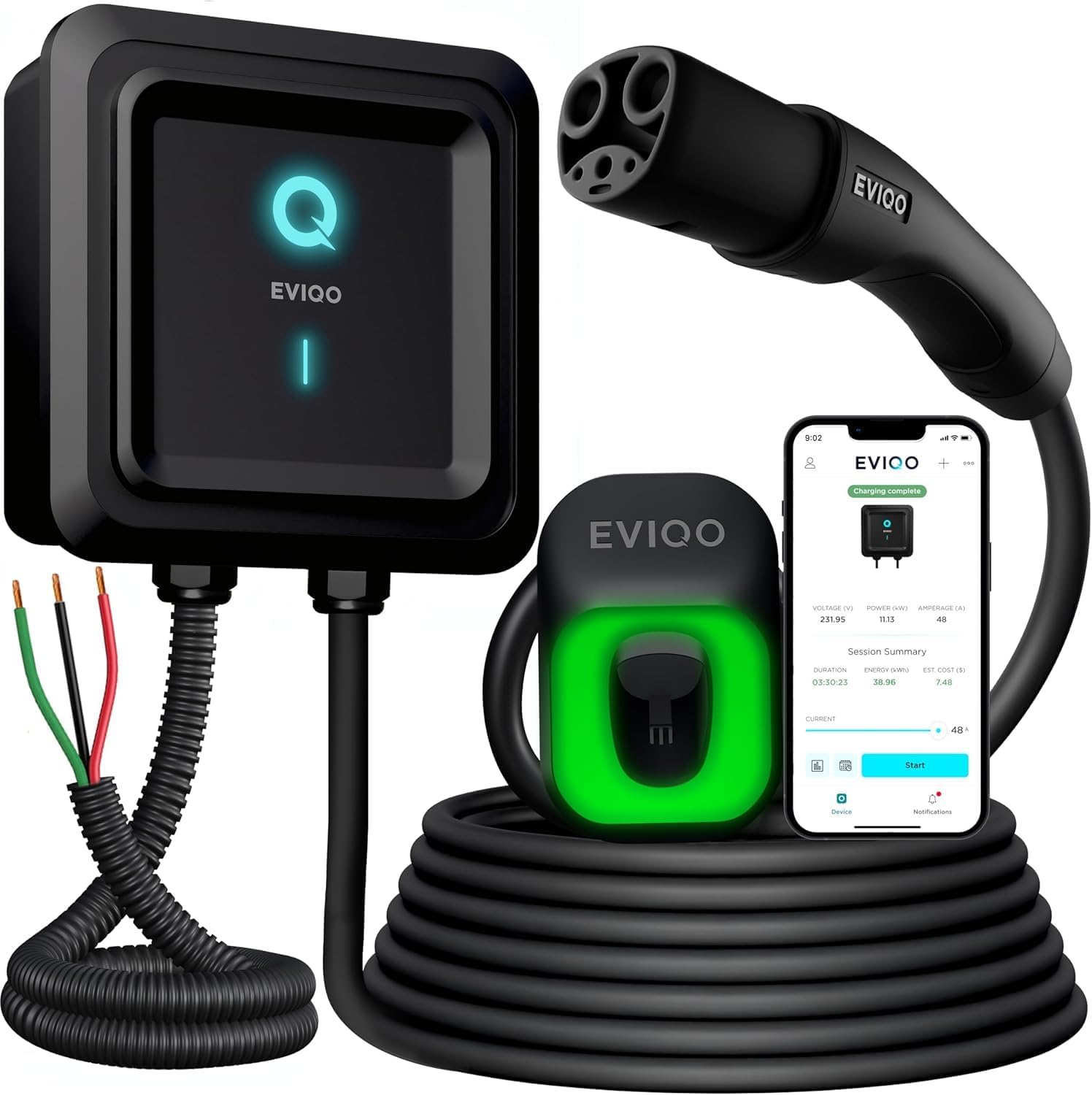
EVIQO 48 Amp NACS Level 2 EV Charger - Hardwired Smart WiFi Wall Charger for Tesla
$368.51 $458.55
50% OFF

DBFIT Air Purifier for Home Large Room
$29.99 $59.99




-

Historic Lancashire church secures £250,000 National Lottery grant for major roof repairs
-

Sunderland Minster PCC was right to push back over trans toilet sign
-

Bethel Church distances itself from Todd Bentley and Mike Bickle
-

Christian police officer reaches settlement over diversity training discrimination claim
-

Turkey's hidden Christian past: Extraordinary discoveries are rewriting the story of early Christianity
-

Washington Archdiocese parts ways with exorcist priest over UFO remarks
Most Popular
related articles
CMF Welcomes RCGP Decision to Oppose Euthanasia Legislation
CMF Welcomes RCGP Decision to Oppose Euthanasia Legislation
Bishop Criticises BMJ for Unbalanced Views on Assisted Dying Debate
Bishop Criticises BMJ for Unbalanced Views on Assisted Dying Debate
CARE to Launch Campaign Against Euthanasia
CARE to Launch Campaign Against Euthanasia
Church Leaders Unite in Opposition to Assisted Dying Bill
Church Leaders Unite in Opposition to Assisted Dying Bill
News
Churches must disciple well and listen well in response to rise of Christian nationalism
Churches have a task on their hands to raise standards of theological literacy in their congregations amid growing Christian nationalism, while at the same time listening to and engaging with the concerns of people in their flock.

A Christian response to the crisis facing young people
The Church has a wonderful message of hope to share with young people increasingly feeling a sense of nihilism and hopelessness at the state of the world, writes Tim Farron.

Tributes paid to Operation Mobilisation co-founder Dale Rhoton
Tributes have been paid to Dale Rhoton, one of the co-founders of international mission organisation Operation Mobilisation (OM), after his death at the age of 88.

Doctors should work for good of the patient, not facilitate suicide, says Christian Medical Fellowship
Suicide is always a tragedy that should be resisted, the CMF suggested.
VitaUp Beet Root Gummies with CoQ10 & Grape Seed - Nitric Oxide Circulation Support (60 Count)
$24.91
HDPE All-Weather Adirondack Chair with Built-In Cup Holder - Tool-Free Assembly (Grey)
$69.99
HOMETUK Clear Plastic Storage Bins with Dividers - 3-Pack Stackable Acrylic Organizer Containers for Fridge and Pantry
$19.99
G Gradual Men's Fishing Shirt - UPF 50+ Lightweight Short Sleeve Button Down with Zipper Pockets
$14.99
Everyfun 60" Rectangular Platform Tree Swing - 700lbs Heavy Duty Adjustable Outdoor Swing (Colorful)
$49.99
Ekouaer Women's Casual Loose Jumpsuit - One-Piece Printed Sleeveless Wide Leg Romper with Pockets
$14.99
ROTAKE TB3 20V Heavy Duty 1/2" Cordless Impact Wrench Kit - 1380 Ft-Lbs Torque
$132
Men's Athletic Running Shorts with Zipper Pockets - Lightweight & Quick Dry
$12.74
Modern Ceiling Fan with Light and Remote - Reversible Quiet DC Motor
$69.3
MOOKA H13 True HEPA Air Purifier for Home Large Room - 1076 sq ft Odor Eliminator
$39.97
Ekouaer Women's Satin Silky Pajama Set - Short Sleeve Pullover Top & Wide-Leg Pants
$13.99
Ekouaer 3-Piece Maternity & Nursing Pajamas Set - Short Sleeve Top with Shorts and Pants
$14.99
Sealy 2-Pack Tritech 16" Twin Inflatable Air Mattress with Built-in AC Pump
$0
INTEX Prism Frame 20ft x 52in Above Ground Pool Set - Round Steel Frame Swimming Pool
$695.99
Gardner Pet 43" Heavy Duty Dog Crate with Wheels - Indestructible Folding Metal Cage (Black)
$0
Elegant Mid-Century Modern Bar Stools - Set of 4
$395.99
Ergonomic Office Chair - Big and Tall Desk Chair with Adjustable Lumbar Support
$279.99
Magnelex American Flag Windshield Sun Shade - High-Resolution UV Reflective Heat Shield (X-Large)
$19.9
EVIQO 48 Amp NACS Level 2 EV Charger - Hardwired Smart WiFi Wall Charger for Tesla
$368.51
DBFIT Air Purifier for Home Large Room
$29.99