
A lesbian couple who travelled to Canada to legally get “married” under the country’s laws have failed in their British High Court bid to have their union given full legal status in the UK.
|TOP|Celia Kitzinger and Sue Wilkinson, of North Yorkshire, were controversially married in Vancouver in 2003, and have been trying to get their marriage legalised in the UK, but their battle ended in defeat as a judge ruled that their union could be recognised as a civil partnership, but not marriage.
In response the pair said that the UK's failure to recognise the legality of their vows was a breach of their human rights.
University of York and Loughborough University academics had rejected the conversion of their “marriage” to a civil partnership under the UK's Civil Partnership Act, saying it was not sufficient.
However, the President of the High Court Family Division, Sir Mark Potter, has said the couple faced "an insurmountable hurdle" in trying to have a same-sex marriage recognised in English law.
The ruling which was given today also stated that the majority of people and governments across Europe regarded marriage as an "age-old institution".
It was regarded as a means to encourage monogamy and the procreation of children, to be nurtured in a family unit with both maternal and paternal influences.
|PIC1|The UK Civil Partnerships Act came into force in December 2005, and has since caused great controversy across Christian and religious groups in the nation.
From 5th December 2005, homosexual couples were given the legal right to start registering themselves for a legally-binding union, which is very much equal to marriage in most senses except the title.
Reports as the Act came into force estimated that Britain is expecting some 16,000 homosexual couples to use the new law by 2010.
Britain has followed in similar footsteps as countries such as Holland, which has not only gay marriage but also gay divorce laws in place. Historically Catholic Spain, Canada and also now South Africa have also allowed civil partnerships. Although, none of the countries will adopt the title “marriage” to the unions, they do allow gay partners the same tax and benefits as heterosexual couples.
In 2005 the Church of England came under heavy criticism for its compromise on the position bishops should take towards the new Civil Partnership laws.
The Evangelical Council, which is the umbrella organisation for the evangelical groups within the Church, demanded in August 2005 that the Church’s attempts to compromise with the government’s civil partnerships legislation should be withdrawn immediately.
The council spoke out against the decision by the Church of England Council of Bishops that clergy would be allowed to enter civil partnerships, just as long as they informed their supervising bishop that they would abstain from partaking in sexual relations with their partner.
|AD|In a clear and formal statement, the Evangelical Council criticised the Church’s leaders of submitting to the secular culture of moral decline. The council was recorded as saying, “We urge the House of Bishops to withdraw this compromised and unworkable statement while continuing to affirm the historic teaching of the church ... It will further exacerbate the division threatening the future of the Anglican Communion.”
Last year the Reform National Conference ended with members being told that the Pastoral Statement issued by the House of Bishops regarding the Church position on the Civil Partnerships Act was an “outrage”.
The Nigerian Anglican leader, Archbishop Akinola also has used similar language to describe the House of Bishops statement; calling it an outrage.
"As of now, we have not yet reached the point of schism, but there's a broken relationship," Archbishop Peter Akinola told reporters.
Archbishop Akinola has said that there are still hopes of recovering church unity if liberal churches that were supporting homosexuality showed “repentance”.
The Nigerian Anglican Church with its 17.5 million members has been taking on a leading role to oppose Church acceptance of homosexuality.
The churches in Nigeria and Uganda whose leaders have firmly opposed the direction that the Church of England has taken on the issue of homosexuality, have already cut their relations with the U.S Episcopal Church after it consecrated a gay bishop in 2003.
Currently, Archbishop of Canterbury, Dr Rowan Williams has proposed creating a two-tiered Anglican Communion, to support both sides of the debate; those who remain unwavering to the traditional teachings of the Bible on homosexuality, and those that want homosexuality accepted as a way of life. The plans have been criticised by a number of leading Church figures, and the future of the worldwide Anglican Communion remains uncertain.
11% OFF

VitaUp Beet Root Gummies with CoQ10 & Grape Seed - Nitric Oxide Circulation Support (60 Count)
$24.91 $27.91
50% OFF

HDPE All-Weather Adirondack Chair with Built-In Cup Holder - Tool-Free Assembly (Grey)
$69.99 $139.99
60% OFF

HOMETUK Clear Plastic Storage Bins with Dividers - 3-Pack Stackable Acrylic Organizer Containers for Fridge and Pantry
$19.99 $49.99
58% OFF

G Gradual Men's Fishing Shirt - UPF 50+ Lightweight Short Sleeve Button Down with Zipper Pockets
$14.99 $35.99
55% OFF

Everyfun 60" Rectangular Platform Tree Swing - 700lbs Heavy Duty Adjustable Outdoor Swing (Colorful)
$49.99 $110.99
61% OFF

Ekouaer Women's Casual Loose Jumpsuit - One-Piece Printed Sleeveless Wide Leg Romper with Pockets
$14.99 $37.99
40% OFF

ROTAKE TB3 20V Heavy Duty 1/2" Cordless Impact Wrench Kit - 1380 Ft-Lbs Torque
$132 $219.99
36% OFF

Men's Athletic Running Shorts with Zipper Pockets - Lightweight & Quick Dry
$12.74 $19.99
61% OFF

Modern Ceiling Fan with Light and Remote - Reversible Quiet DC Motor
$69.3 $179.99
50% OFF

MOOKA H13 True HEPA Air Purifier for Home Large Room - 1076 sq ft Odor Eliminator
$39.97 $79.95
60% OFF

Ekouaer Women's Satin Silky Pajama Set - Short Sleeve Pullover Top & Wide-Leg Pants
$13.99 $34.99
55% OFF

Ekouaer 3-Piece Maternity & Nursing Pajamas Set - Short Sleeve Top with Shorts and Pants
$14.99 $32.99

Sealy 2-Pack Tritech 16" Twin Inflatable Air Mattress with Built-in AC Pump
$0 $113.99
20% OFF

INTEX Prism Frame 20ft x 52in Above Ground Pool Set - Round Steel Frame Swimming Pool
$695.99 $869.99

Gardner Pet 43" Heavy Duty Dog Crate with Wheels - Indestructible Folding Metal Cage (Black)
$0 $149.99
12% OFF

Elegant Mid-Century Modern Bar Stools - Set of 4
$395.99 $449.99
23% OFF

Ergonomic Office Chair - Big and Tall Desk Chair with Adjustable Lumbar Support
$279.99 $363.99
26% OFF

Magnelex American Flag Windshield Sun Shade - High-Resolution UV Reflective Heat Shield (X-Large)
$19.9 $26.9
20% OFF
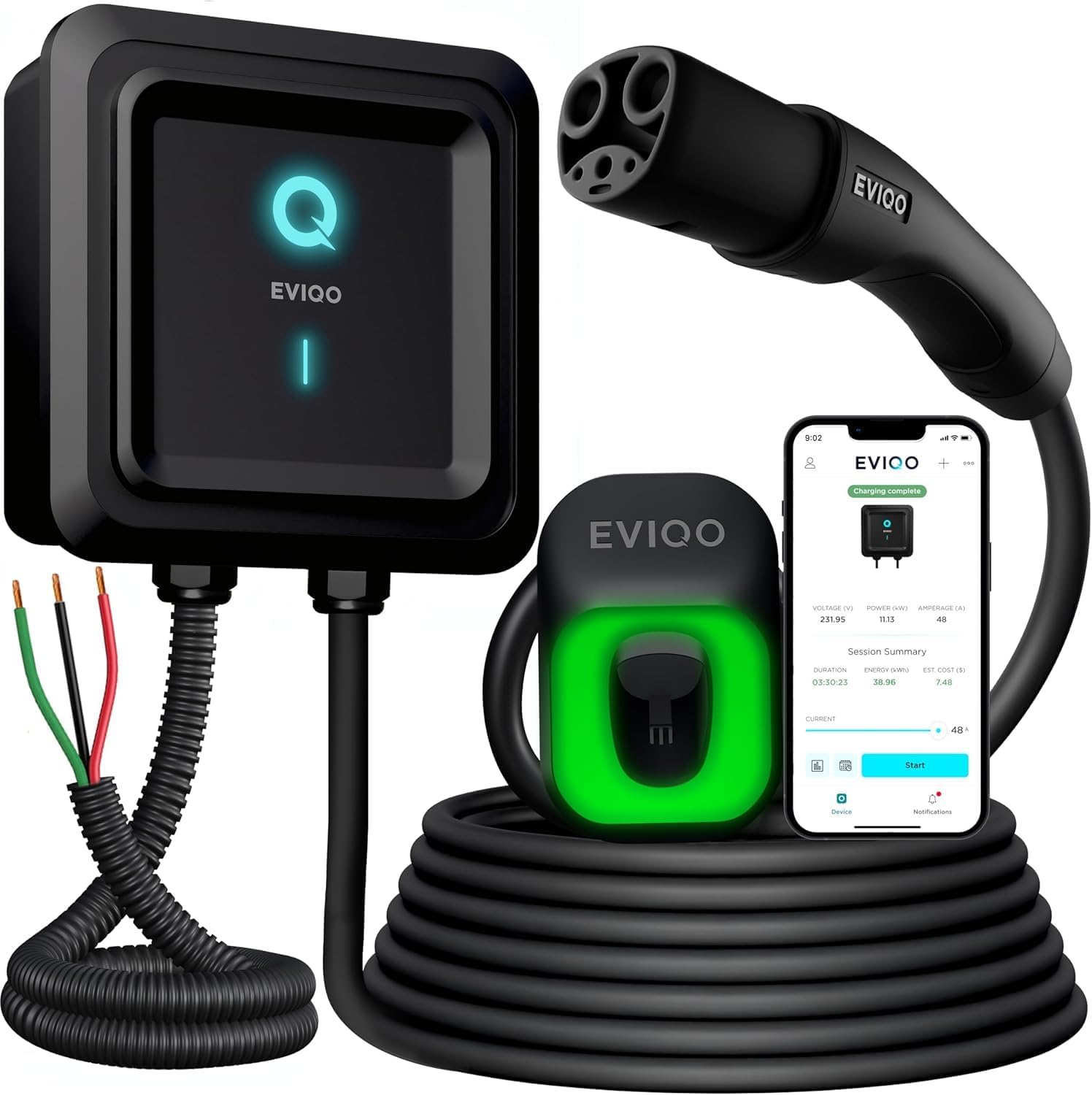
EVIQO 48 Amp NACS Level 2 EV Charger - Hardwired Smart WiFi Wall Charger for Tesla
$368.51 $458.55
50% OFF

DBFIT Air Purifier for Home Large Room
$29.99 $59.99




-

Historic Lancashire church secures £250,000 National Lottery grant for major roof repairs
-

Sunderland Minster PCC was right to push back over trans toilet sign
-

Secular group targets church over online preaching
-

Bethel Church distances itself from Todd Bentley and Mike Bickle
-

Christian police officer reaches settlement over diversity training discrimination claim
-

Christian loses case to remove LGBT symbols from workplace
Most Popular
related articles
Three Anglican Dioceses Reject Episcopal Church USA’s New Presiding Bishop
Three Anglican Dioceses Reject Episcopal Church USA’s New Presiding Bishop
African Anglicans Oppose Dr Williams’ Covenant Proposals
African Anglicans Oppose Dr Williams’ Covenant Proposals
Dioceses in US Episcopal Church Continue to Appeal for Oversight from Canterbury
Dioceses in US Episcopal Church Continue to Appeal for Oversight from Canterbury
Christians Nationwide Protest Sexual Orientation Regulations
Christians Nationwide Protest Sexual Orientation Regulations
Church Society Calls on Anglican Primates to Break with US
Church Society Calls on Anglican Primates to Break with US
News
Archbishop of Canterbury highlights benefits and risks of AI
Archbishop Sarah Mullally joined the Pope in raising concerns about AI.

Church of England more than doubles conservation grants
The significant rise in funding was attributed partly to support from the National Lottery Heritage Fund.

Male silence has helped shape UK abortion culture
“Men and abortion is an area that is even more silenced than many of the other areas connected with women and abortion, which are silenced," says bioethicist Dr Anthony McCarthy.

Diary of a CEO’s Steven Bartlett and John Lennox discuss AI, faith and the search for meaning
The Oxford professor shared fears of a “colossal power grab” as AI continues to evolve.
VitaUp Beet Root Gummies with CoQ10 & Grape Seed - Nitric Oxide Circulation Support (60 Count)
$24.91
HDPE All-Weather Adirondack Chair with Built-In Cup Holder - Tool-Free Assembly (Grey)
$69.99
HOMETUK Clear Plastic Storage Bins with Dividers - 3-Pack Stackable Acrylic Organizer Containers for Fridge and Pantry
$19.99
G Gradual Men's Fishing Shirt - UPF 50+ Lightweight Short Sleeve Button Down with Zipper Pockets
$14.99
Everyfun 60" Rectangular Platform Tree Swing - 700lbs Heavy Duty Adjustable Outdoor Swing (Colorful)
$49.99
Ekouaer Women's Casual Loose Jumpsuit - One-Piece Printed Sleeveless Wide Leg Romper with Pockets
$14.99
ROTAKE TB3 20V Heavy Duty 1/2" Cordless Impact Wrench Kit - 1380 Ft-Lbs Torque
$132
Men's Athletic Running Shorts with Zipper Pockets - Lightweight & Quick Dry
$12.74
Modern Ceiling Fan with Light and Remote - Reversible Quiet DC Motor
$69.3
MOOKA H13 True HEPA Air Purifier for Home Large Room - 1076 sq ft Odor Eliminator
$39.97
Ekouaer Women's Satin Silky Pajama Set - Short Sleeve Pullover Top & Wide-Leg Pants
$13.99
Ekouaer 3-Piece Maternity & Nursing Pajamas Set - Short Sleeve Top with Shorts and Pants
$14.99
Sealy 2-Pack Tritech 16" Twin Inflatable Air Mattress with Built-in AC Pump
$0
INTEX Prism Frame 20ft x 52in Above Ground Pool Set - Round Steel Frame Swimming Pool
$695.99
Gardner Pet 43" Heavy Duty Dog Crate with Wheels - Indestructible Folding Metal Cage (Black)
$0
Elegant Mid-Century Modern Bar Stools - Set of 4
$395.99
Ergonomic Office Chair - Big and Tall Desk Chair with Adjustable Lumbar Support
$279.99
Magnelex American Flag Windshield Sun Shade - High-Resolution UV Reflective Heat Shield (X-Large)
$19.9
EVIQO 48 Amp NACS Level 2 EV Charger - Hardwired Smart WiFi Wall Charger for Tesla
$368.51
DBFIT Air Purifier for Home Large Room
$29.99