Most people perceive scientists and religious leaders as two groups that are very unlikely to agree with each other, given the fundamental differences in their beliefs. In the United States, however, they recently came together against a common enemy: nuclear weapons.
Faith leaders and scientists have formed a coalition to urge U.S. President Barack Obama to undertake "meaningful" steps to minimise the threat of "nuclear catastrophe."
The coalition made the call through a letter sent to the American leader on May 4 ahead of Obama's attendance next month to the G-7 Ise-Shima summit of leading industrial nations in Mie Prefecture, Japan.
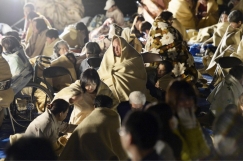
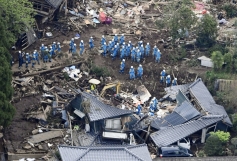
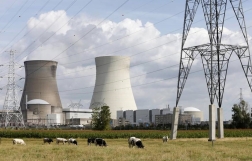
It could be recalled that Japan experienced a nuclear disaster in 2011 after the Fukushima Daiichi Nuclear Power Plant was destroyed following a tsunami triggered by a powerful earthquake.
"Nuclear weapons remain a real and urgent threat to humanity and our planet. If there is even a limited nuclear exchange, millions – if not billions – of people could perish; large swaths of the planet could be contaminated; and the global economy could collapse," the letter read.
The document was released by Bishop Oscar Cantú, chairman of the U.S. Bishops' committee on International Justice and Peace; Ken Kimmell, president of the Union of Concerned Scientists; Leith Anderson, president of the National Association of Evangelicals; and Gabriel Salguero, president of the National Latino Evangelical Coalition.
The scientists and faith leaders asked Obama "to take meaningful, practical nuclear risk-reduction steps" during the G7 summit.
"Heightened tensions between the United States and Russia, and the growing risk of nuclear use worldwide, are all the more reason for the president to take these meaningful steps to strengthen national and international security," the letter read.
The coalition also reminded the U.S. President of his address in Prague back in 2009 when he said that his nation has a responsibility to lead the world in reducing nuclear arms.