
The Conference of European Churches (CEC) in collaboration with the 'Ecumenical Academy' in Prague, and the 'Work and Economy Research Network in the European Churches', have hosted a major meeting to address the challenges of globalisation faced by churches and Christians in present day society.
The 55 participants, coming from all regions of Europe and from churches, local initiatives, universities and social movements, gathered in Celakovice near Prague, Czech Republic on 2-6 March. In wake of the risk brought about by globalisation, the theme of the conference was set as "Facing up to Globalisation; Visions - Alternatives - Strategies".
The European churches have a common worry about globalisation, "The current trend of economic globalisation tends towards the commercialisation of more and more aspects of life. It turns needs into desires- which are insatiable. These two processes damage human relationships and lead to an economy that is environmentally destructive and socially unsustainable."
However, the participants all agreed that the aim of the meeting was not to repeat the common critiques of globalisation, but rather to contribute to the building up of hopeful alternatives. The conference emphasised human and social values. They also acknowledged that there were resources and the know-how for making a difference.
Christian faith and tradition is hoped to be an alternative to the poverty and injustice that may result from economic globalisation. According to the CEC’s statement, churches in the conference explored the understandings of economy in the Bible and in Christian tradition. It clearly pointed out that unchecked economic activity can easily result in increasing inequality and poverty.
Additionally, the need for constant intervention to address these negative consequences and for a different, more realistic, approach to economic life is a strong motivation for Christians and churches. These interventions will aim to facilitate global justice and ecological sustainability.
Churches and their related organisations are called to work from the "grassroots" levels in organising and solidarity building, as these can be easily overlooked. Currently, the following areas require urgent attention, and alternatives must be explored in the midst of globalisation, as identified by the conference:
- Food, Agriculture and Rural Life
- Work, Income and Time
- Social and Economic Rights
- Trade Markets: Local and Global Alternatives
- Multinational Corporations and Economic Democracy




-

Edinburgh University ends divinity programmes as theology faces a changing future
-

Why the Archbishop of Canterbury’s award controversy matters
-

More than one in four US Protestant churchgoers believe some biblical truths become outdated
-

Catholicism in France has 'collapsed'
-

Christian leaders issue ‘sober and urgent call’ for Western Church to prepare for disruption
-

Australia's anti-therapy laws harm the most vulnerable - Britain should not copy them
Most Popular
News

Active faith linked to happier marriages and lower divorce rates, study finds
People who regularly attend church are more likely to report happy marriages, according to a new report examining the relationship between faith and family life.

Indian churches fearing anti-conversion laws tell non-Christians: enter at your own risk
Churches in Dhamtari, a town in the central Indian state of Chhattisgarh, have put up notices warning non-Christians that they enter at their own risk, weeks after a law against religious conversion came into force in the state.

£1k bursaries to help churches develop youth and community mentoring programmes
Churches across the UK are being offered bursaries to help them establish mentoring programmes aimed at supporting young people and others in their communities.
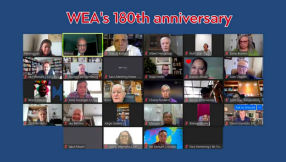
World Evangelical Alliance celebrates 180th anniversary
The World Evangelical Alliance (WEA) has held an online celebration to mark its 180th anniversary. Hundreds of people from more than 22 countries attended, and the event was rebroadcast to accommodate different time zones.








