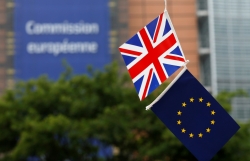
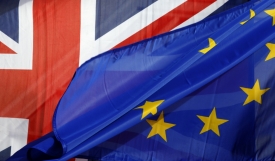
Welsh Anglican bishops are all voting Remain in the European referendum, according to a statement released today.
The bishops say that immigrants are being "demonised" in the debate over the referendum. Their statement says: "It is a matter of great concern to us that the debate is frequently couched in the emotive language of fear. We note with particular concern that the divisive issue of immigration, with the demonisation of immigrants, is being used in a way that is in danger of overwhelming sensible debate. This ignores the facts that immigration has been of benefit to the nation, and that immigrants still make up only a very small percentage of the population."
They also say they regret the debate has so far focused on the economic cost to the UK of being in the EU, rather than its benefits of peace and cultural interchange.
The decision, they say, will be the most important in a generation and they urge people not to make it rashly.
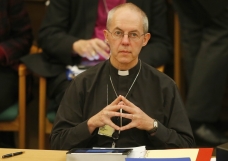
The statement is signed by the Archbishop of Wales, Dr Barry Morgan; the Bishop of Swansea and Brecon, John Davies; the Bishop of St Davids, Wyn Evans; the Bishop of Bangor, Andy John; the Bishop of St Asaph, Dr Gregory Cameron; the Bishop of Monmouth, Richard Pain; and the Assistant Bishop of Llandaff, David Wilbourne.
Latest polls show the Leave campaign in the lead, with one pollster putting support for "Leave" at a more than three-year high.
The Ipsos MORI poll of 1,257 adults across Britain from June 11-14 showed 51 per cent of all voters wanted to leave the bloc and 49 per cent wanted to stay.
But, when filtered for those likely and registered to vote, the poll showed 53 per cent would vote to leave and 47 to remain – the highest support for the 'Leave' campaign recorded by the pollster in more than three years.
A separate phone poll by Survation showed Leave ahead on 45 per cent, up 7 percentage points from its last poll on May 25 and ahead for the first time since the poll began in February. Support for Remain dipped two percentage points to 42 per cent with 13 per cent undecided. The poll surveyed 1,104 people.
Of the seven most recently published polls this week, six showed the Leave campaign in the lead, a trend pollsters said showed that the opponents of Britain's 43-year-old EU membership had dominated the campaign in recent weeks.
Additional reporting by Reuters.