Three of Britain’s largest supermarket clothing ranges have received lower ethical fashion ratings than budget retailer Primark, according to a new report from Christian charity BMS World Mission raising concerns about garment workers’ wages and the environmental practices of major fashion companies.
The UK Ethical Fashion Guide 2026 examines 336 clothing and footwear brands owned by 99 companies, assessing their efforts to protect workers’ rights and reduce environmental harm.
The findings reveal widespread shortcomings across the industry, with 88% of the companies assessed failing to demonstrate that they pay a living wage in any of their production facilities.
Only 12% provided evidence that workers received a living wage in at least some facilities, highlighting the continuing challenges facing people employed in global clothing supply chains.
The report, produced using research from Baptist World Aid Australia, also found that the average company achieved a score of just 34 out of 100, with the highest receiving 72 and the lowest scoring 0.
Among supermarket fashion ranges, Tesco’s F&F performed the strongest with 40 points, followed by Aldi with 33, Sainsbury’s Tu with 27 and Asda’s George with 18.
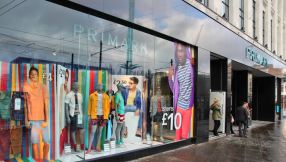
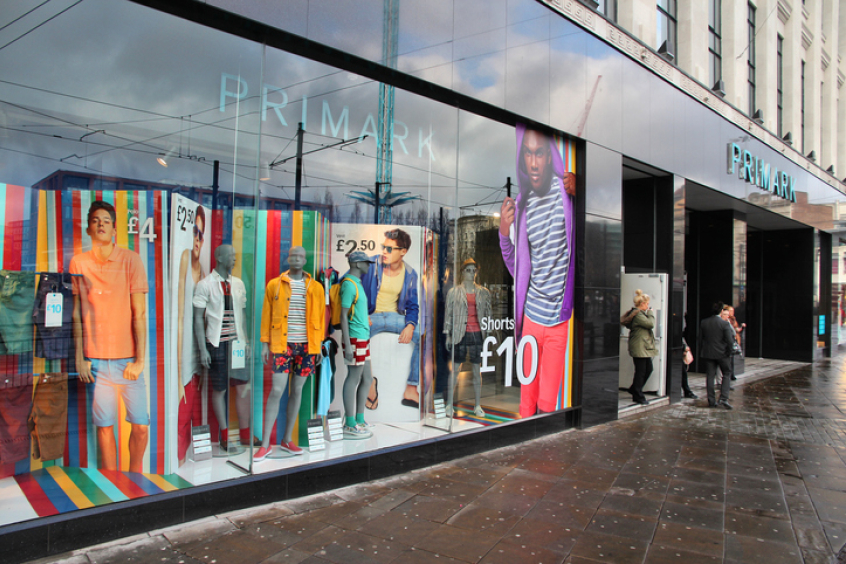
By comparison, Primark received 35 points and online fast-fashion retailer Shein scored 28, placing several supermarket ranges below companies commonly associated with inexpensive, mass-produced clothing.
Elsewhere on the British high street, Marks & Spencer, Joules and Next each scored 49, while H&M received 48 and New Look 47.
Sports Direct was among the lowest-rated retailers, receiving just 5 points, while White Fox recorded a score of 0.
At the higher end of the rankings, Rodd & Gunn achieved 72 points, followed by Kathmandu, Patagonia, Rip Curl and Oboz, which each received 70.
The ranking considers five areas of corporate responsibility - “supplier relationships and human rights monitoring, policies and governance, tracing and risk, worker empowerment and environmental sustainability”.
However, BMS said that even the highest-rated companies have considerable room for improvement.
The guide also distinguishes between companies that provided information directly to researchers and those assessed solely through publicly available evidence.
Adidas, H&M, Marks & Spencer and Primark were in the former category while Tesco’s F&F, Sainsbury’s Tu, Asda’s George, Sports Direct and White Fox were among the latter.
Beyond the rankings, the charity drew attention to the experiences of garment workers in countries such as Bangladesh, where low earnings and demanding working conditions can make it difficult to provide for their families.
One worker featured in the report, Monjur Hossain, works in Dhaka producing shirts and traditional tunics.
He receives approximately 42 pence for each garment and frequently spends between eight and 10 hours a day sewing, sometimes working even longer.
“I love to sew, but it is difficult to sew eight hours, ten hours continuously,” he said.
Hossain explained that his earnings are insufficient to comfortably support his family, while seasonal interruptions to production sometimes leave him searching for alternative employment.
The guide also shares the experience of Golenur Begum, a grandmother and garment worker in Dhaka, who regularly undertakes around 30 additional hours of work each month to meet her family’s expenses.
“It’s not for extra income; it’s for needs,” she explained.
Her ambition is to eventually establish her own business and become financially independent.
BMS World Mission said these experiences demonstrate why consumers should look beyond the prices displayed in shops and consider the circumstances of those producing their clothes.
The Youth Engagement Officer at the charity, Orla Moxon, encouraged shoppers to examine brands’ ethical records before making purchases, particularly ahead of the Black Friday sales in November.
“Our research shows the two are not connected - some budget brands out-score far more expensive names,” she said, referring to the relationship between clothing prices and ethical performance.
The charity is urging consumers to make more informed purchasing decisions, including buying new clothes less often, repairing or reusing existing items, and considering second-hand alternatives.
It is also encouraging people to contact retailers about their employment practices and raise concerns with MPs about stronger protections against labour exploitation and environmental damage.
For Christians, BMS argues that ethical consumption is connected to biblical teachings about justice, human dignity and responsible stewardship of creation.
Alongside the fashion guide, the organisation has developed a four-part Bible study resource entitled ‘Threads,’ designed to help churches and youth groups consider how their clothing choices relate to Christian values.
The studies explore the relationship between fashion and personal identity, the exploitation of garment workers, environmental responsibility, inequalities affecting women in the garment industry, drawing on Christian teachings about justice, creation and human dignity.
BMS hopes the research will encourage Christians and other consumers to recognise how everyday purchasing decisions can influence conditions faced by workers around the world.
“The clothes we choose to wear reflect our style and identity,” the report states. “They also reflect what we value.”