
LONDON - The European Union said it was disappointed after talks with Iran on Friday seen as a last chance to avert U.S. pressure for tougher international sanctions over Tehran's disputed atomic programme.
The absence of a breakthrough at the London talks means six world powers meeting in Paris on Saturday will try to agree new penalties to propose to the United Nations, despite differences in their approach to halting Iran's nuclear programme.
"I have to admit that after five hours of meetings I expected more. I am disappointed," EU foreign policy chief Javier Solana told reporters, adding he would talk to Iran's negotiator Saeed Jalili again before the end of December.
Taking a hard line, Jalili told reporters after the meeting it was "unacceptable" to demand Iran halt its uranium enrichment programme and that any new U.N. sanctions would fail to prevent Tehran from pursuing its atomic work.
"If some countries want to use the U.N. Security Council and its resolutions to stop Iran's atomic work, surely they will not be successful," Jalili said.
The West says the programme is aimed at building atom bombs and wants Iran to freeze its enrichment of uranium. Iran, a major oil exporter, says enrichment efforts are meant only to produce electricity which it says is an inalienable right.
Attempts by the six nations -- Britain, China, France, Germany, Russia and the United States -- to stall Iran's programme have failed and they vowed to pass a new U.N. Security Council resolution if there was no progress by December.
Asked whether Iran had brought any new initiatives to the table on Friday, Solana's spokeswoman said: "Not enough new in order not to be disappointed."
BRITAIN TO PUSH FOR TOUGH MEASURES
Jalili replaced Ali Larijani as chief nuclear negotiator in October. Close to President Mahmoud Ahmadinejad, he is seen by analysts as signalling a hardening of Iran's position.
"It's quite clear from Solana's public remarks that the Iranians have not agreed to comply fully with the requirements of the Security Council to suspend its enrichment programme," said a spokesman for Britain's foreign ministry. He said London would make the case in Paris on Saturday for tougher sanctions.
The five permanent members of the Security Council plus Germany plan to draft a new resolution imposing wider financial, trade and visa restrictions to increase pressure on Tehran to stop enriching uranium, which can be used in atomic bombs.
But the six powers remain at odds over how soon to resort to more United Nations penalties, or how harsh they should be.
Russia and China, and to a lesser extent Germany, have close commercial ties with Iran and are likely to tailor their new sanctions proposals accordingly, taking a less hawkish approach than that of the United States, Britain and France.
Iranian Foreign Minister Manouchehr Mottaki said late on Thursday that nothing would deflect Iran from its pursuit of nuclear technology and that Washington had "lost".
"The Iranian nation will never return from the path that they have chosen and they are determined and decisive to continue this path (to obtain nuclear technology)," Mottaki was quoted as saying by the official IRNA news agency.
"America is angry with Iran over its nuclear programme but they know that the cost of attacking Iran will be very high," Mottaki told a gathering of the Basij religious militia. "America has lost in its nuclear challenge with Iran."
Iran says it is cooperating with the International Atomic Energy Agency (IAEA), referring to an August agreement under which Tehran pledged to the Vienna-based body to clear up suspicions about past secret atomic activities.
Iran has barred inspections beyond uranium production sites since its case was referred to the U.N. Security Council in February 2006, fuelling suspicions in the West that it has a covert parallel military nuclear programme.
The IAEA sees wide-ranging access to Iran's sites, provided for under the IAEA's Additional Protocol with member states, as key to verifying there is no such programme.
"Iran has no programme to discuss the Additional Protocol at its parliament and Iran has no commitment regarding the implementation of the Additional Protocol," Mottaki said.
49% OFF
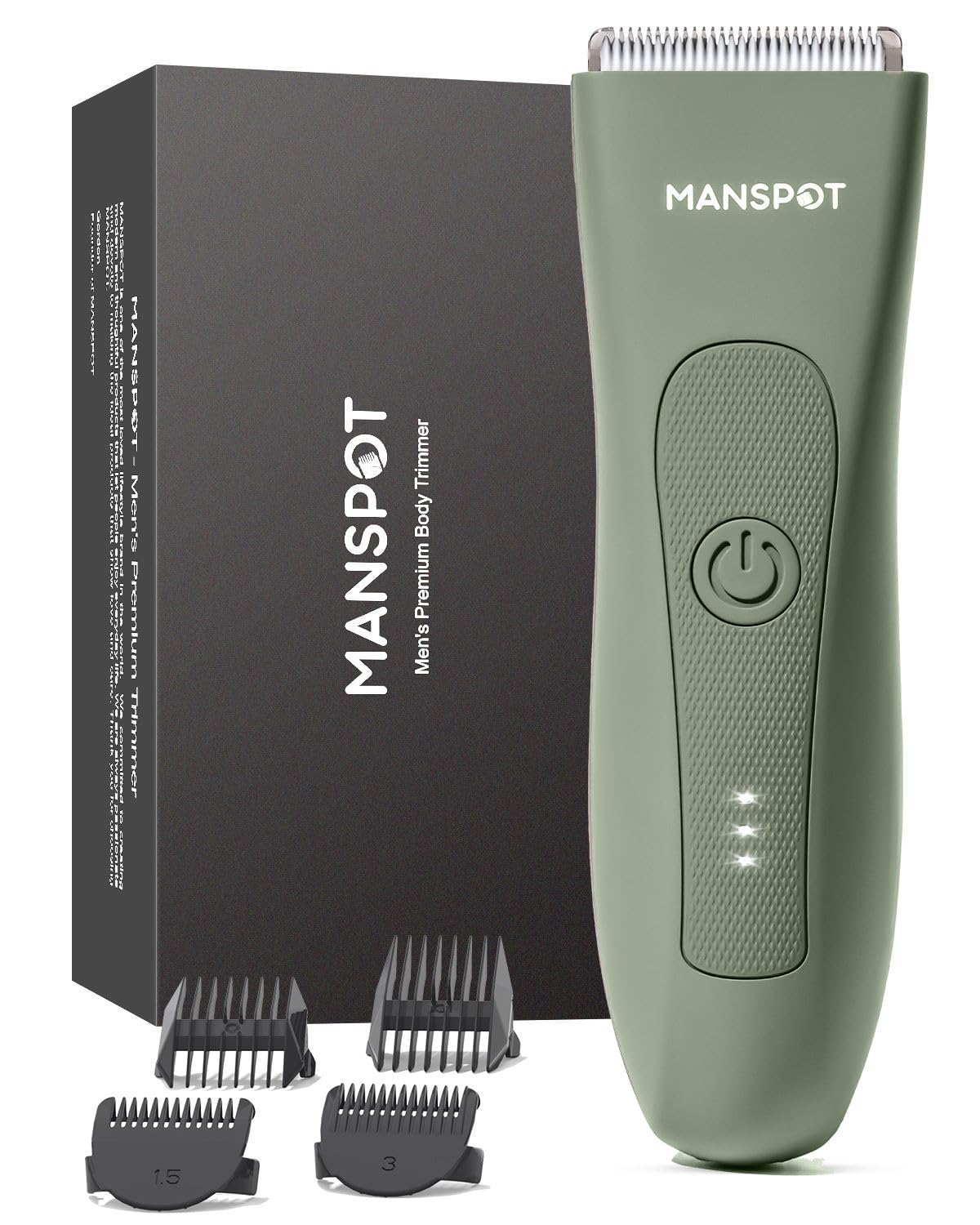
MANSPOT Electric Pubic Hair Trimmer - Waterproof Body and Groin Shaver for Men and Women (Black)
$20.39 $40
25% OFF

Lick-Safe Dog Paw and Nose Balm Stick - All-Natural Moisturizer with Coconut Oil for Dry, Cracked Pads and Snout
$11.69 $15.59
77% OFF
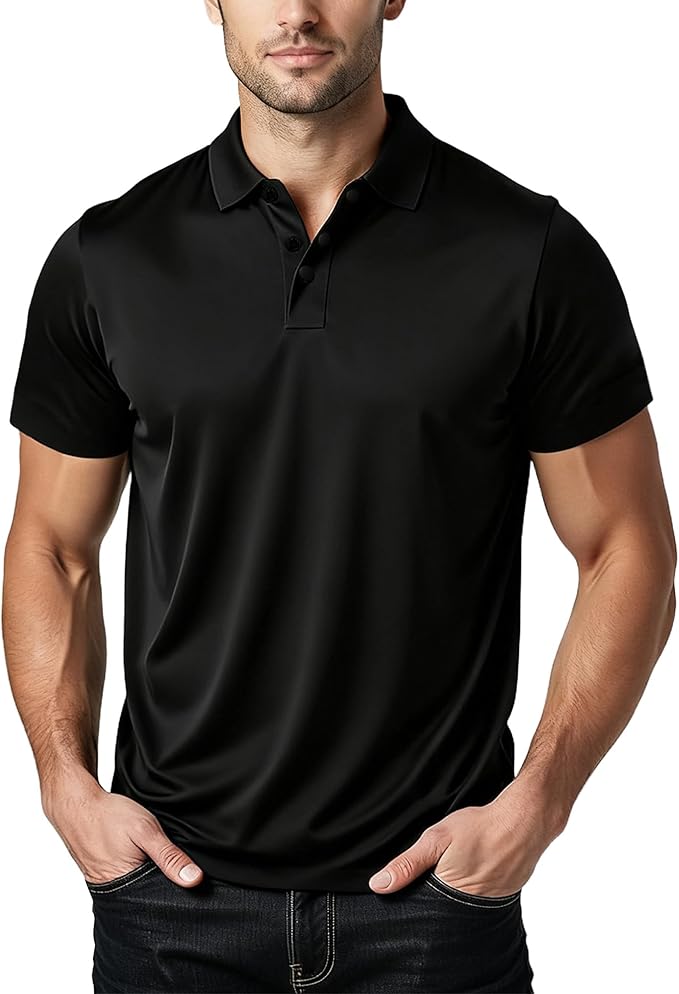
Men's Quick Dry Moisture Wicking Polo Shirt - High Elasticity Slim Fit Athletic Top (Runs Small)
$6.99 $29.99
46% OFF
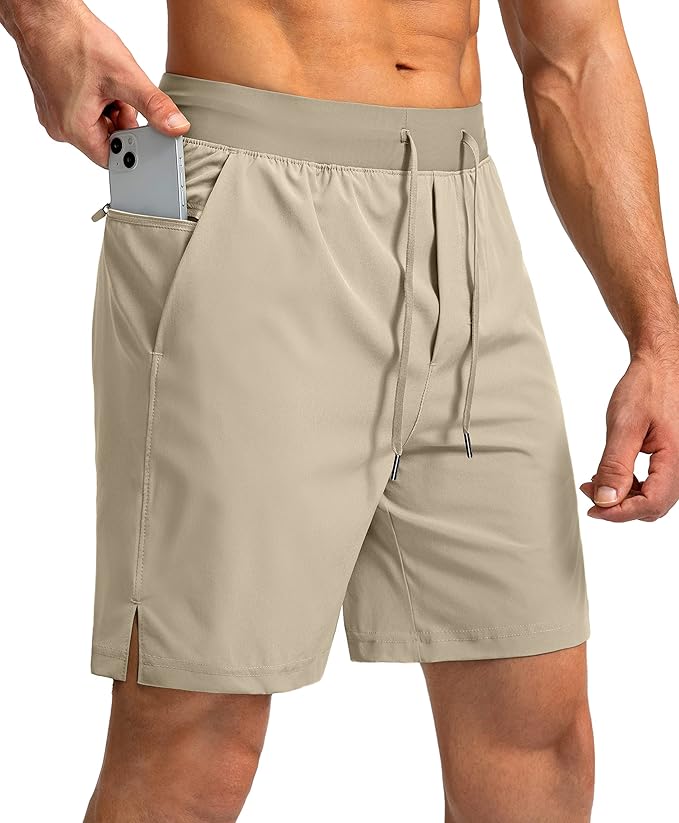
Men's Running Shorts with Zipper Pockets - Lightweight, Quick-Dry, Multi-Sport
$12.95 $23.99
50% OFF
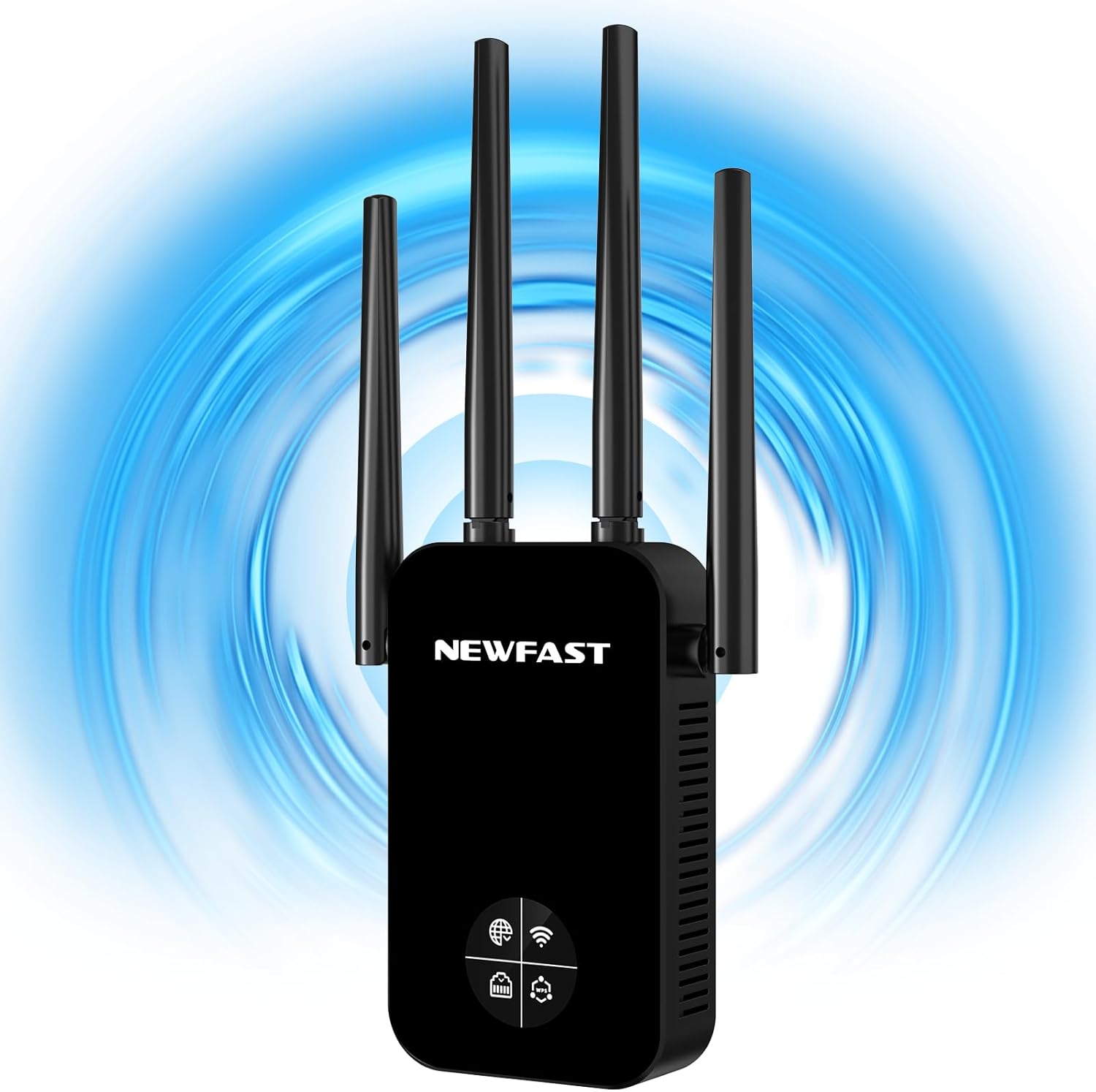
NEWFAST NF-RE523 AC1200 WiFi Extender - 1200Mbps Dual Band Signal Booster & Internet Repeater
$18.5 $36.99
48% OFF
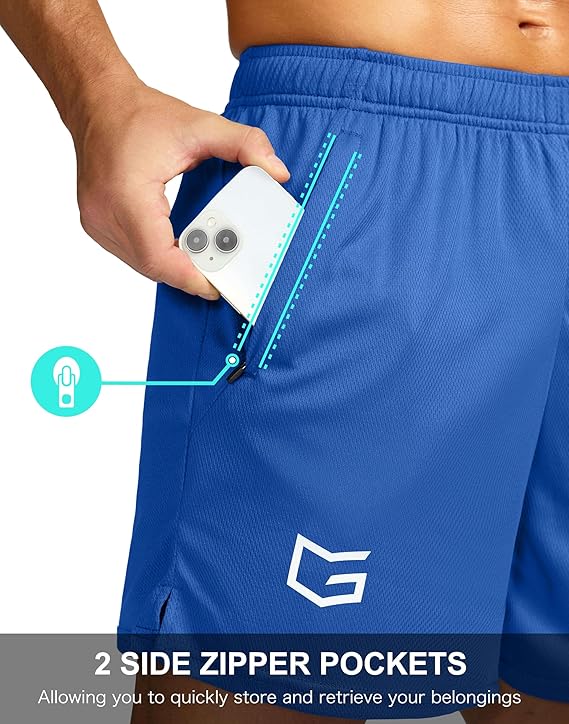
G Gradual Men's 7-inch Workout Running Shorts - Lightweight, Quick-Dry, Comfort
$12.91 $24.99
30% OFF
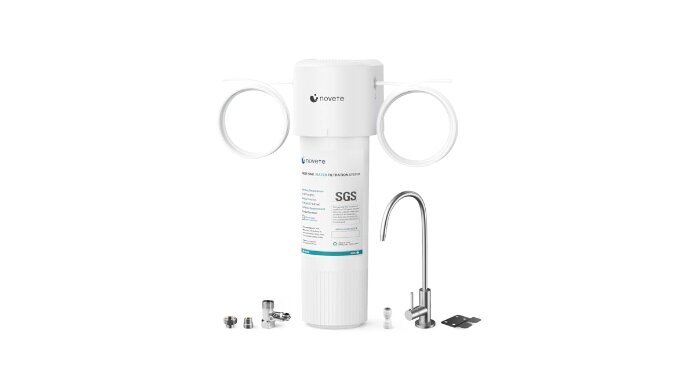
NOVETE Under Sink Water Filter - 3 Years, 30,000 Gallons, High-Efficiency Filtration
$41.99 $59.99
50% OFF

HDPE All-Weather Adirondack Chair with Built-In Cup Holder - Tool-Free Assembly (Grey)
$69.99 $139.99
60% OFF

HOMETUK Clear Plastic Storage Bins with Dividers - 3-Pack Stackable Acrylic Organizer Containers for Fridge and Pantry
$19.99 $49.99
58% OFF

G Gradual Men's Fishing Shirt - UPF 50+ Lightweight Short Sleeve Button Down with Zipper Pockets
$14.99 $35.99
55% OFF

Everyfun 60" Rectangular Platform Tree Swing - 700lbs Heavy Duty Adjustable Outdoor Swing (Colorful)
$49.99 $110.99
61% OFF

Ekouaer Women's Casual Loose Jumpsuit - One-Piece Printed Sleeveless Wide Leg Romper with Pockets
$14.99 $37.99
36% OFF

Men's Athletic Running Shorts with Zipper Pockets - Lightweight & Quick Dry
$12.74 $19.99
61% OFF

Modern Ceiling Fan with Light and Remote - Reversible Quiet DC Motor
$69.3 $179.99
50% OFF

MOOKA H13 True HEPA Air Purifier for Home Large Room - 1076 sq ft Odor Eliminator
$39.97 $79.95
40% OFF
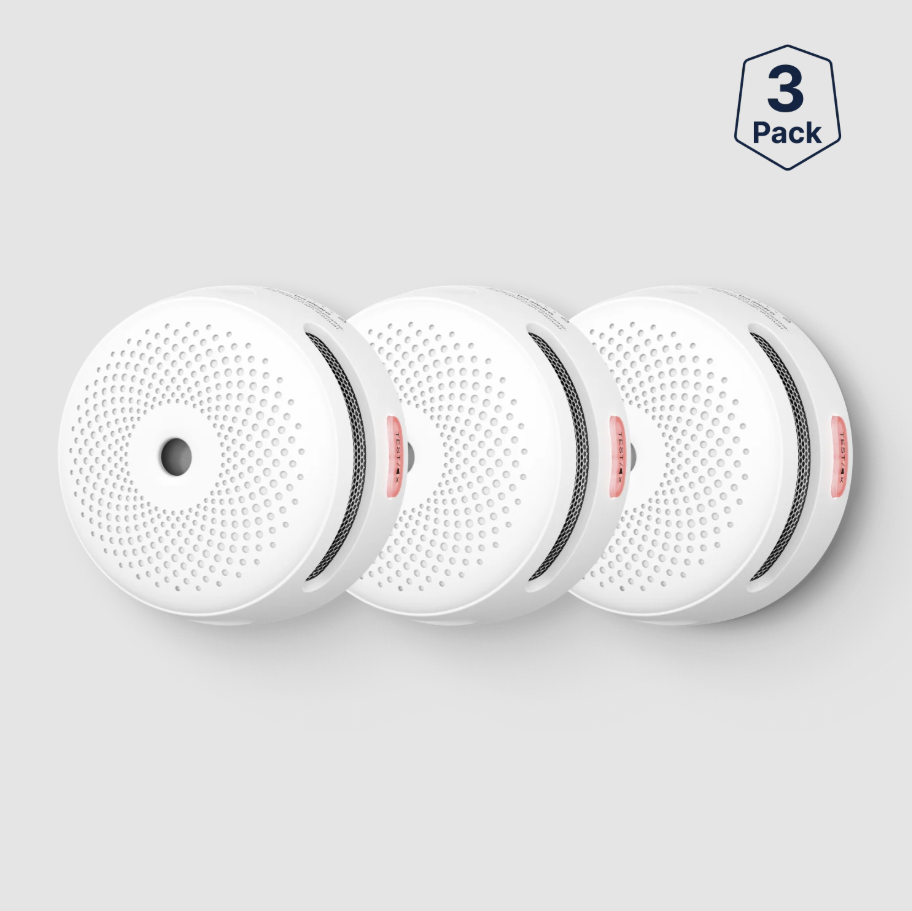
X-Sense XS01-WX Smart Smoke Alarm - 2.4 GHz Wi-Fi Photoelectric Fire Detector with Mobile App Alerts
$65.99 $109.99
11% OFF

VitaUp Beet Root Gummies with CoQ10 & Grape Seed - Nitric Oxide Circulation Support (60 Count)
$24.91 $27.91

Sealy 2-Pack Tritech 16" Twin Inflatable Air Mattress with Built-in AC Pump
$0 $113.99
20% OFF

INTEX Prism Frame 20ft x 52in Above Ground Pool Set - Round Steel Frame Swimming Pool
$695.99 $869.99

Gardner Pet 43" Heavy Duty Dog Crate with Wheels - Indestructible Folding Metal Cage (Black)
$0 $149.99




-

Diary of a CEO’s Steven Bartlett and John Lennox discuss AI, faith and the search for meaning
-

Belfast churches 'heartbroken' over unrest
-

Is there a two-tier Britain?
-

Churches must disciple well and listen well in response to rise of Christian nationalism
-

Biblical models and the creation of King Arthur
-

UK Supreme Court to hear Christian schools’ challenge to VAT on private school fees
Most Popular
News

Gloucester churches come together to bless River Avon amid pollution concerns
It is part of a broader campaign against river pollution as concerns remain about the amount of untreated sewage in the Avon.

Life beyond burnout: how Christians can grow in the desert seasons
Christian Today speaks to author and Anglican priest Tish Harrison Warren about growth in desert seasons and why the Church shouldn’t treat all spiritual weariness as a problem to fix.

Iranian-born bishop stands in solidarity with Britain's Jews
2025 had the second highest number of antisemitic incidents on record.

Bishops protest Israeli arrest of another Palestinian Christian
An Evangelical Lutheran has been accused of "promoting terrorist activities".
MANSPOT Electric Pubic Hair Trimmer - Waterproof Body and Groin Shaver for Men and Women (Black)
$20.39
Lick-Safe Dog Paw and Nose Balm Stick - All-Natural Moisturizer with Coconut Oil for Dry, Cracked Pads and Snout
$11.69
Men's Quick Dry Moisture Wicking Polo Shirt - High Elasticity Slim Fit Athletic Top (Runs Small)
$6.99
Men's Running Shorts with Zipper Pockets - Lightweight, Quick-Dry, Multi-Sport
$12.95
NEWFAST NF-RE523 AC1200 WiFi Extender - 1200Mbps Dual Band Signal Booster & Internet Repeater
$18.5
G Gradual Men's 7-inch Workout Running Shorts - Lightweight, Quick-Dry, Comfort
$12.91
NOVETE Under Sink Water Filter - 3 Years, 30,000 Gallons, High-Efficiency Filtration
$41.99
HDPE All-Weather Adirondack Chair with Built-In Cup Holder - Tool-Free Assembly (Grey)
$69.99
HOMETUK Clear Plastic Storage Bins with Dividers - 3-Pack Stackable Acrylic Organizer Containers for Fridge and Pantry
$19.99
G Gradual Men's Fishing Shirt - UPF 50+ Lightweight Short Sleeve Button Down with Zipper Pockets
$14.99
Everyfun 60" Rectangular Platform Tree Swing - 700lbs Heavy Duty Adjustable Outdoor Swing (Colorful)
$49.99
Ekouaer Women's Casual Loose Jumpsuit - One-Piece Printed Sleeveless Wide Leg Romper with Pockets
$14.99
Men's Athletic Running Shorts with Zipper Pockets - Lightweight & Quick Dry
$12.74
Modern Ceiling Fan with Light and Remote - Reversible Quiet DC Motor
$69.3
MOOKA H13 True HEPA Air Purifier for Home Large Room - 1076 sq ft Odor Eliminator
$39.97
X-Sense XS01-WX Smart Smoke Alarm - 2.4 GHz Wi-Fi Photoelectric Fire Detector with Mobile App Alerts
$65.99
VitaUp Beet Root Gummies with CoQ10 & Grape Seed - Nitric Oxide Circulation Support (60 Count)
$24.91
Sealy 2-Pack Tritech 16" Twin Inflatable Air Mattress with Built-in AC Pump
$0
INTEX Prism Frame 20ft x 52in Above Ground Pool Set - Round Steel Frame Swimming Pool
$695.99
Gardner Pet 43" Heavy Duty Dog Crate with Wheels - Indestructible Folding Metal Cage (Black)
$0