More than 30 people were killed in a suicide attack in a crowded market in Nigeria yesterday.
The blast struck a fruit and vegetable market in the northeastern city of Yola around 8pm (1900 GMT) on Tuesday evening. 32 people were killed and 80 others wounded, according to both the Red Cross and National Emergency Management Agency (NEMA).
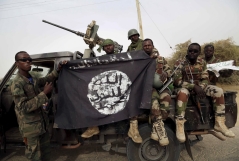
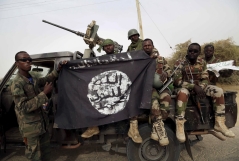
There was no immediate claim of responsibility but the blast bore the hallmarks of militant Islamist group Boko Haram which has killed thousands over the last six years in its bid to create a state adhering to strict Sharia law in the northeast.
"Thirty-two people were killed and 80 have been injured," said a Red Cross official who asked not to be named. NEMA regional spokesman Alhaji Sa'ad Bello later gave the same casualty figures.
This the second time this year the residents of Yola have been killed in bomb attacks and the city lies in one of the worst areas to be affected by the Boko Haram insurgency.
Suspected Boko Haram militants have carried out attacks in neighboring Chad, Niger and Cameroon in recent weeks but have not struck northeastern Nigeria since late October when bombings in Yola and Maiduguri left at least 37 people dead.
Only a few days before the attack, Nigerian President Muhummadu Buhari visited Yola and declared that Boko Haram were close to defeat. Last night's blast, which was heard across the city, is a harrowing reminder to residents the insurgency is still a potent force.
"The ground near my shop was covered with dead bodies. I helped to load 32 dead bodies into five vehicles," said witness Alhaji Ahmed, who owns a shop in the market.
A Reuters witness said he saw eight ambulances being used to carry casualties away for treatment.
Suspected members of Boko Haram have killed around 1,000 people since President Muhammadu Buhari took office in May, vowing to crush the militant group.
The group began its military operations in 2009 and has recently joined ISIS, labelling itself Islamic State's 'West African province.' Thounsands have been killed at the hands of the extremist group and hundred abducted, most famously 200 schoolgirls from north Nigeria.
Since losing most of the territory they took over earlier this year to the Nigerian army, the militants have focused attacks on markets, bus stations and places of worship, as well as hit-and-run attacks on villages.
Additional reporting from Reuters.