
The General Secretary of the World Council of Churches (WCC), Rev Dr Samuel Kobia has joined celebrations this week of India's 60th anniversary of independence.
|PIC1|India is a "viable and vibrant democracy" of "manifold diversity" which has become a "major global power" marked by rapid economic growth and economic expansion, according to Dr Kobia.
Addressing a gathering in Chennai this week, he indicated his regret at the nation's contemporary "setbacks of poverty and violence, casteism and fundamentalism of many sorts".
Kobia was speaking in Chennai at a seminar convened by the National Council of Churches in India and the Gurukul Lutheran Theological College in the context of the churches' ongoing celebration of the anniversary of independence. He addressed the challenges facing the ecumenical movement in the world and their implications in modern India.
The ecumenical movement, affirmed Kobia, seeks to "uphold the sanctity, integrity and dignity of the life of all people", while carrying an "alternative vision of the world, guided by the values of justice and peace".
The search for "the meaning and purpose" of being a part of it in a "context of complex realities" is therefore not "just an existential need because our institutions are in crisis", he continued, but a spiritual thrust to "play a creative role in shaping this ever-changing world, and in keeping it just and humane".
In such a context, Kobia affirmed, the first challenge to churches is to "hear the voices" of "those who are abused, the vulnerable, of women, children, refugees, of unemployed youth and migrant workers, of those suffering and dying of HIV/AIDS and other diseases, the faint voices of women and children who are trafficked, of the Dalits and Adivasis" (people of lower castes formerly known as 'untouchables' and indigenous peoples, respectively). In so doing, churches must look at their ecumenical vocation as a "vocation of advocacy for life and justice".
Acknowledging that "Indian churches are predominantly composed of the rural poor, who also happen to be from the margins of Indian society", Kobia suggested that this identity needs to be even more "owned and affirmed" by the churches. Christians must challenge the misuse and abuse of power in order to become an "alternative community".
For all this to happen, we "need to recognise the contributions of many others who are involved in similar pursuits with or without any religious calling or affiliation", Kobia added. Commending the pioneering work done in this area by the Indian churches, he suggested that, "interfaith dialogue and cooperation can be seen as an instrument of life."
Earlier in the day, Kobia had addressed the Executive Committee of the Church of South India (CSI) at the church headquarters in Chennai. One of the WCC member churches in the country, the CSI is celebrating its own 60th anniversary under the theme "Rejoice! Growing together in Christ. Celebrate! Building Communities of Hope".
"In 1947, in a world in tumult following the Second World War and within the context of India becoming an independent nation, the Church of South India dared to become a united church," recalled Kobia.
He highlighted three reasons why the birth of the CSI was and still is regarded as a "remarkable church union": the CSI's "radical vision of unity", in which "divided denominations have 'died' to their separate identities in order to 'rise' together into a single, new, united church"; a "radical vision of the gospel in its local context" which allowed for its liberation from the "cultural forms of Europe and North America" and its taking an "indigenous South Indian form"; and a "radical healing of ecclesiological divisions" which made it possible to "unite the sacramental episcopacy with Reformed and other forms of church order".
"We celebrate your vision in uniting, and your courage in meeting the challenges of living out your unity in the changing and challenging world of today", Kobia said.
Among the main challenges facing the church today, Kobia mentioned forming a "truly inclusive union, not only theologically or in worship, but humanly as well", so as to be able to help the healing of divisions within the society. The church also meets challenges in "witnessing to the gospel promise of abundant life for all in a society shaped increasingly by economic globalisation", and "responding to a growing secularism" within Indian culture.
On 17-18 February Kobia will be the chief guest and a main speaker at the 112th Maramon Convention of the Mar Thoma Syrian Church of Malabar, which takes place annually at Maramon, Kerala, and is the largest Christian gathering in Asia.
30% OFF

Lumbar Support Pillow for Car with Headrest – Memory Foam Full-Length S-Curve Back & Neck Cushion for Long Drives, Fits Cars, SUVs & Trucks
$32.89 $46.99
46% OFF
Soothfeel Men's Running Shorts with Zipper Pockets – Quick Dry Athletic Shorts in 9", 7" & 5" Inseams for Basketball, Gym & Workout
$12.91 $23.99
40% OFF
Men's Slip On Walking Shoes – Hands-Free Casual Sneakers with Arch Support, Wide Stable Base, Breathable Knit Upper, Non-Slip Traction
$29.99 $49.99
52% OFF
Pudolla Men's UPF 50+ Sun Shirt – Long Sleeve Quick Dry Hiking & Running Shirt with Thumb Holes, Lightweight Moisture-Wicking Rash Guard Base Layer
$11.99 $24.99
35% OFF
Vilanva Women's Walking Shoes – Cushioned Lightweight Running Sneakers with Slip-Resistant Sole, Breathable Woven Upper for Everyday Wear & Workouts
$35.09 $53.99
67% OFF
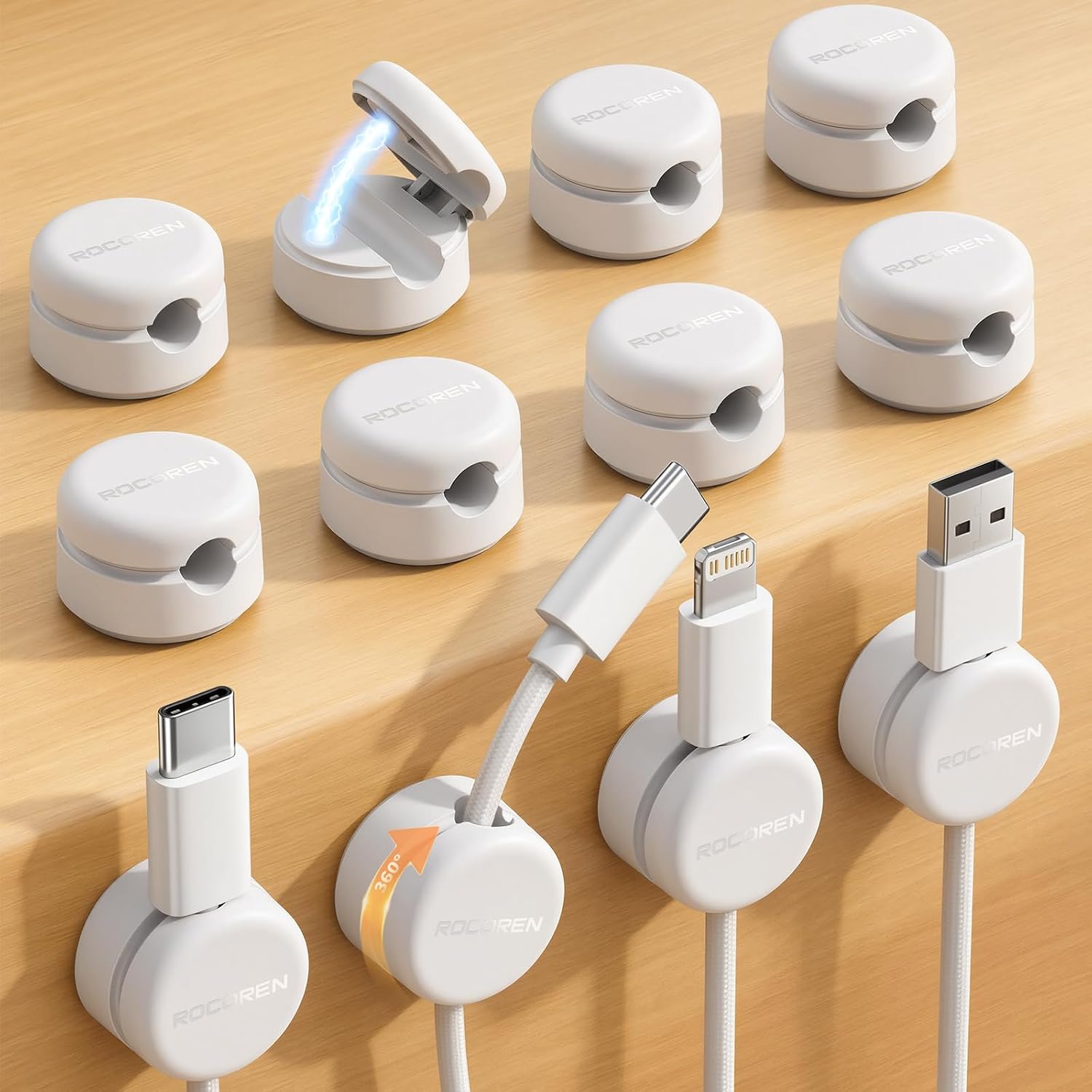
Rocoren 12-Pack Magnetic Cable Clips – 360° Rotating Cord Organizer with No-Residue Adhesive, Cord Holder for Desk, Nightstand, Wall, Car & Office, White
$6.5 $19.99
60% OFF

Red Light Therapy Mask for Face – 7-Color LED Silicone Facial Mask, Cordless Rechargeable Skincare Device with 240 LEDs for Home & Travel
$39.99 $99.99
77% OFF
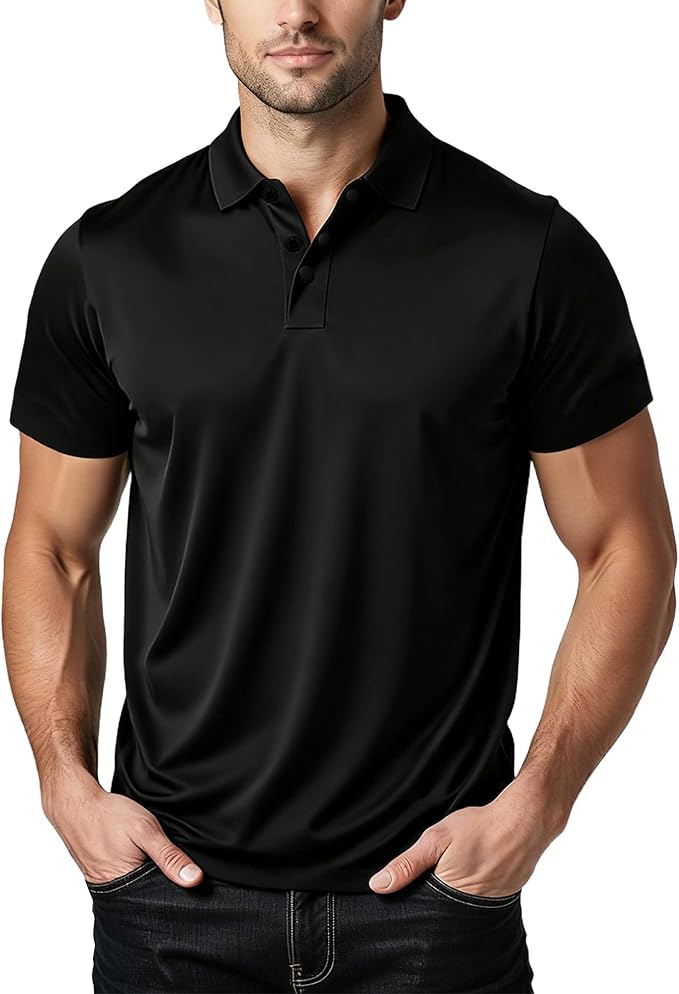
Men's Slim Fit Polo Shirt – Quick Dry Moisture Wicking, High Elasticity, Athletic Fit Polo for Golf, Tennis, Work & Casual Wear (Runs Small, Size Up)
$6.99 $29.99
28% OFF
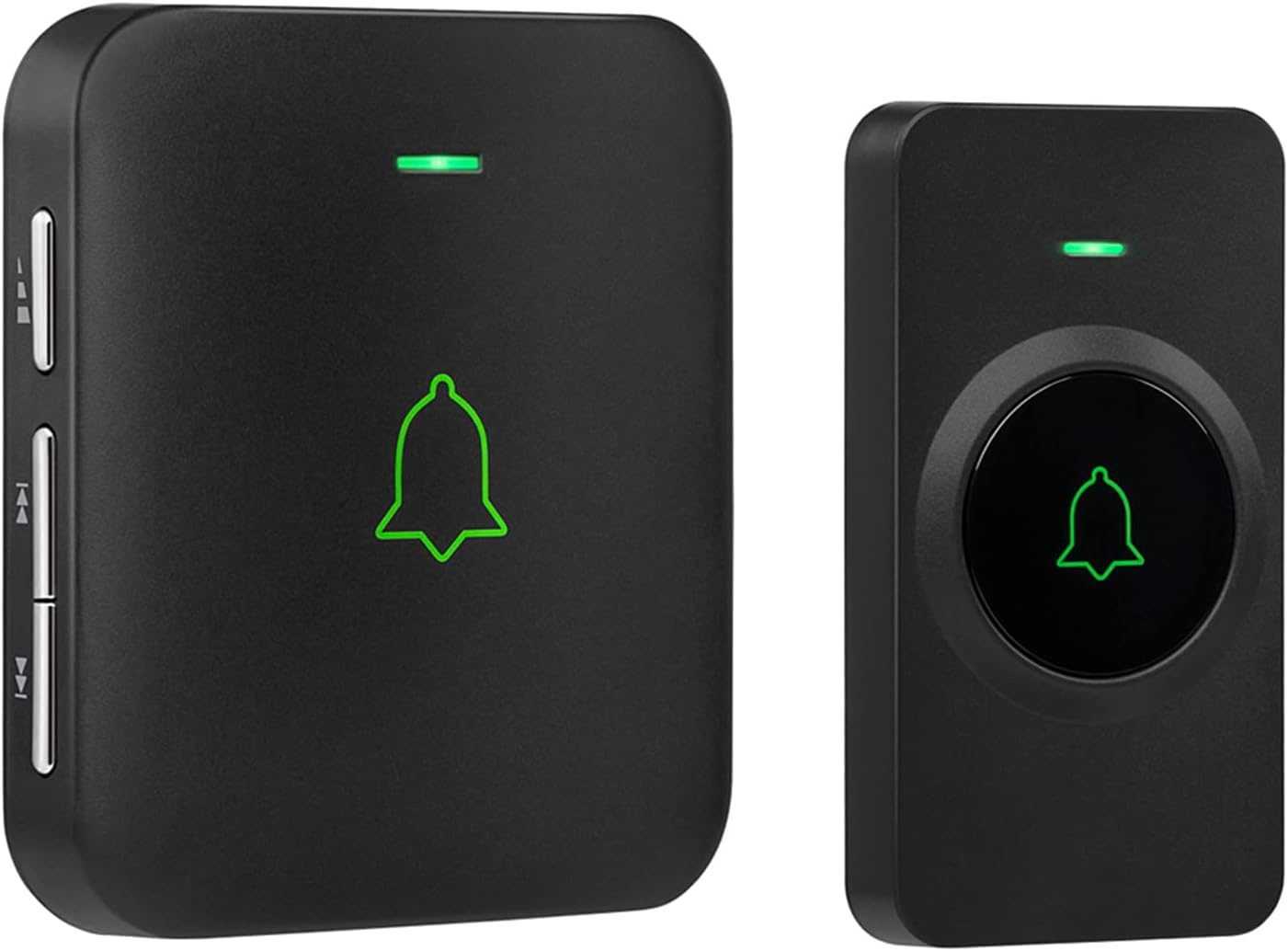
AVANTEK Wireless Doorbell CB-11 – 1000 ft Range, 1 Button + 1 Plug-In Receiver, 115 dB Volume, LED Flash, 52 Chimes, Waterproof, 3-Year Battery
$12.91 $17.99
50% OFF
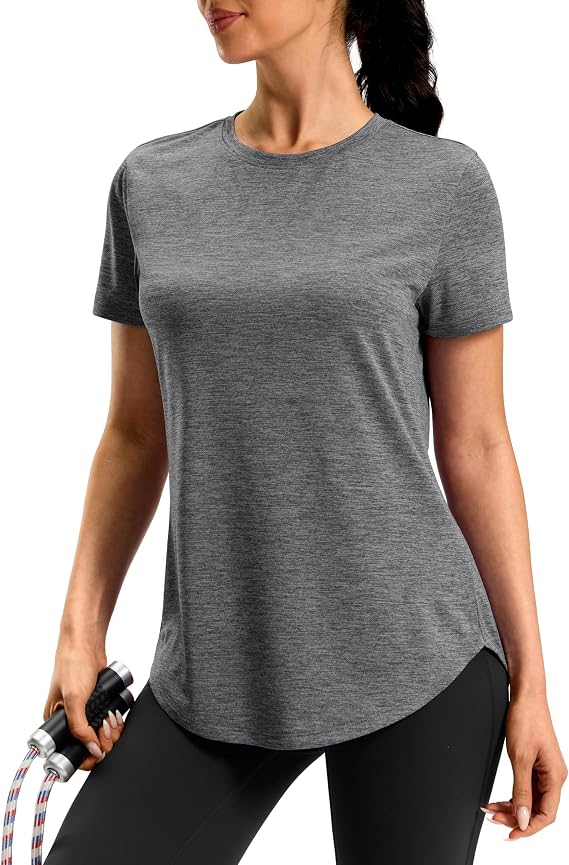
Women's Workout Shirts – Bum-Covering Length Short Sleeve Dry Fit Tops, Lightweight & Breathable for Athletic, Hiking, Running & Summer Wear
$6.99 $13.99
50% OFF
Coostar Men's Casual Dress Sneakers – Lightweight Wingtip Oxford Style with Breathable Knit Upper, Rubber Sole & Slip-On Elastic Collar, Business & Walking Shoe
$22.49 $44.99
45% OFF
Pudolla Men's Quick Dry Hiking and Golf Shorts with 3 Zipper Pockets
$14.84 $26.99
50% OFF

Venture Pal Ceremonial Grade Matcha Green Tea Powder – First Harvest, Shade Grown, 100% Pure with No Additives, Unsweetened, Vegan & Gluten-Free, 30g Tin
$7.5 $14.99
40% OFF
Venture Pal Sugar Free 7g BCAA + EAA Powder – 9 Essential Amino Acids with L-Glutamine, Caffeine, Electrolytes & Vitamins for Muscle Recovery, Growth & Hydration
$14.99 $24.99
30% OFF
Venture Pal Sugar Free Protein Coffee – Cold Brew Mocha Instant Iced Coffee with MCT Oil, Probiotics, Fiber & 13 Vitamins, 70mg Caffeine, Keto & Gluten-Free, 20 Servings
$13.29 $18.99
20% OFF
Venture Pal Mushroom Hot Cocoa – Natural Sleep Aid with 12 Superfoods, Melatonin 3mg, Magnesium Glycinate, L-Theanine, Glycine, Lion's Mane, Reishi & Turkey Tail, Bedtime Cocoa Mix, 30 Servings
$23.99 $29.99
24% OFF
Cortisol Supplement for Women & Men with Ashwagandha & GABA – Magnesium, L-Theanine & Rhodiola, Stress Support for Sleep, Mood & Focus, 60-Day Supply, Made in USA
$15.29 $19.99
50% OFF
Venture Pal 18-in-1 Creatine for Women – Creatine Monohydrate with Collagen, Myo & D-Chiro Inositol, Electrolytes & Vitamins for Strength, Recovery & Skin Support, Sugar Free, 10.58 oz
$14.99 $29.99
32% OFF
Venture Pal 1000mg Vitamin C Powder with Zinc & Elderberry – Sugar Free B Complex, 10 Vitamins, Minerals & Electrolytes, Daily Immune & Energy Support Packets, 60 Count
$13.59 $19.99
20% OFF
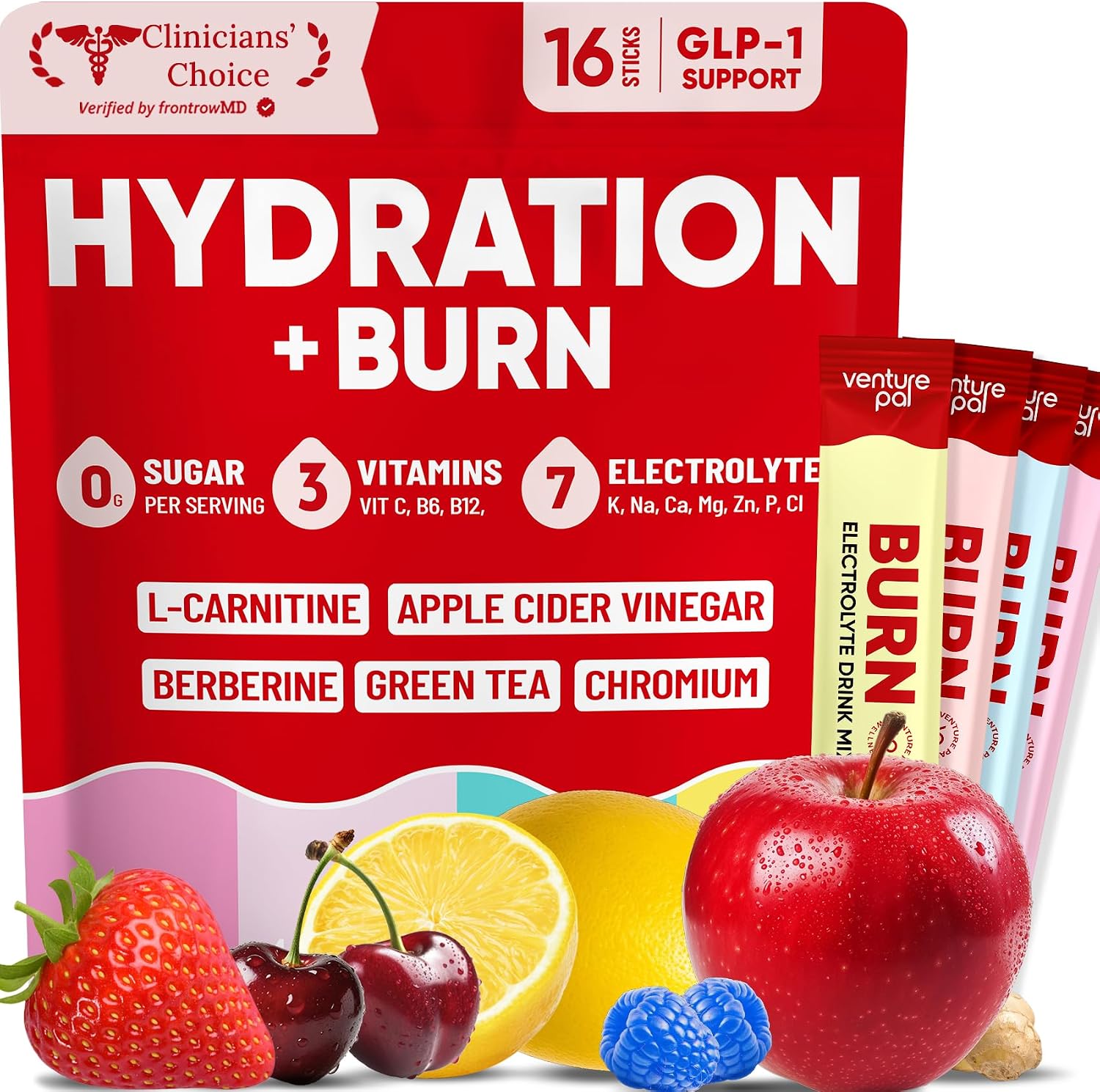
Venture Pal Burn Electrolyte Packets – Sugar Free Hydration with 7 Electrolytes, L-Carnitine, Berberine, ACV & Chromium, Metabolic & Satiety Support, Keto & Vegan, 16 Sticks
$15.99 $19.99




-

Canadian family claim Christian grandmother was euthanised against her wishes
-

Bethel pausing sale of The Passion Translation amid backlash
-

Requiem Mass held for Ann Widdecombe at Buckfast Abbey
-

Jen Hatmaker says she no longer believes in Hell
-

AI has an 'impersonation problem', American Bible Society warns
-

Are churches missing out in the bitcoin boom?
Most Popular
related articles
European Parliament Opposes Dalit Discrimination
European Parliament Opposes Dalit Discrimination
BBC Poll Highlights Concerns of Caste as a 'Barrier to Social Harmony'
BBC Poll Highlights Concerns of Caste as a 'Barrier to Social Harmony'
World Ecumenical Head to Address Largest Christian Gathering in Asia
World Ecumenical Head to Address Largest Christian Gathering in Asia
News

Why are so few Britons willing to fight for their country?
The erosion of Christian faith and virtues may help explain why fewer Britons feel a duty to defend their country and its inheritance.

Global church body concerned for Armenian Church amid dispute with state
The Armenian Apostolic Church (AAC) has been engaged in a years long cold war with the Armenian government.

Twenty African countries back charter affirming traditional marriage and opposition to abortion
Twenty African countries have endorsed a new charter affirming national sovereignty over issues including abortion, marriage and family policy, amid an ongoing debate over the influence of Western governments and international organisations on social policy across the continent.

Government cohabitation plans risk undermining marriage, Christian group warns
Had Taylor Swift and her former boyfriend been together under the government’s proposed system, Swift could potentially have been on the hook for tens of millions of dollars.
Lumbar Support Pillow for Car with Headrest – Memory Foam Full-Length S-Curve Back & Neck Cushion for Long Drives, Fits Cars, SUVs & Trucks
$32.89
Soothfeel Men's Running Shorts with Zipper Pockets – Quick Dry Athletic Shorts in 9", 7" & 5" Inseams for Basketball, Gym & Workout
$12.91
Men's Slip On Walking Shoes – Hands-Free Casual Sneakers with Arch Support, Wide Stable Base, Breathable Knit Upper, Non-Slip Traction
$29.99
Pudolla Men's UPF 50+ Sun Shirt – Long Sleeve Quick Dry Hiking & Running Shirt with Thumb Holes, Lightweight Moisture-Wicking Rash Guard Base Layer
$11.99
Vilanva Women's Walking Shoes – Cushioned Lightweight Running Sneakers with Slip-Resistant Sole, Breathable Woven Upper for Everyday Wear & Workouts
$35.09
Rocoren 12-Pack Magnetic Cable Clips – 360° Rotating Cord Organizer with No-Residue Adhesive, Cord Holder for Desk, Nightstand, Wall, Car & Office, White
$6.5
Red Light Therapy Mask for Face – 7-Color LED Silicone Facial Mask, Cordless Rechargeable Skincare Device with 240 LEDs for Home & Travel
$39.99
Men's Slim Fit Polo Shirt – Quick Dry Moisture Wicking, High Elasticity, Athletic Fit Polo for Golf, Tennis, Work & Casual Wear (Runs Small, Size Up)
$6.99
AVANTEK Wireless Doorbell CB-11 – 1000 ft Range, 1 Button + 1 Plug-In Receiver, 115 dB Volume, LED Flash, 52 Chimes, Waterproof, 3-Year Battery
$12.91
Women's Workout Shirts – Bum-Covering Length Short Sleeve Dry Fit Tops, Lightweight & Breathable for Athletic, Hiking, Running & Summer Wear
$6.99
Coostar Men's Casual Dress Sneakers – Lightweight Wingtip Oxford Style with Breathable Knit Upper, Rubber Sole & Slip-On Elastic Collar, Business & Walking Shoe
$22.49
Pudolla Men's Quick Dry Hiking and Golf Shorts with 3 Zipper Pockets
$14.84
Venture Pal Ceremonial Grade Matcha Green Tea Powder – First Harvest, Shade Grown, 100% Pure with No Additives, Unsweetened, Vegan & Gluten-Free, 30g Tin
$7.5
Venture Pal Sugar Free 7g BCAA + EAA Powder – 9 Essential Amino Acids with L-Glutamine, Caffeine, Electrolytes & Vitamins for Muscle Recovery, Growth & Hydration
$14.99
Venture Pal Sugar Free Protein Coffee – Cold Brew Mocha Instant Iced Coffee with MCT Oil, Probiotics, Fiber & 13 Vitamins, 70mg Caffeine, Keto & Gluten-Free, 20 Servings
$13.29
Venture Pal Mushroom Hot Cocoa – Natural Sleep Aid with 12 Superfoods, Melatonin 3mg, Magnesium Glycinate, L-Theanine, Glycine, Lion's Mane, Reishi & Turkey Tail, Bedtime Cocoa Mix, 30 Servings
$23.99
Cortisol Supplement for Women & Men with Ashwagandha & GABA – Magnesium, L-Theanine & Rhodiola, Stress Support for Sleep, Mood & Focus, 60-Day Supply, Made in USA
$15.29
Venture Pal 18-in-1 Creatine for Women – Creatine Monohydrate with Collagen, Myo & D-Chiro Inositol, Electrolytes & Vitamins for Strength, Recovery & Skin Support, Sugar Free, 10.58 oz
$14.99
Venture Pal 1000mg Vitamin C Powder with Zinc & Elderberry – Sugar Free B Complex, 10 Vitamins, Minerals & Electrolytes, Daily Immune & Energy Support Packets, 60 Count
$13.59
Venture Pal Burn Electrolyte Packets – Sugar Free Hydration with 7 Electrolytes, L-Carnitine, Berberine, ACV & Chromium, Metabolic & Satiety Support, Keto & Vegan, 16 Sticks
$15.99