
The third day of the General Synod of the Church of England has adjourned with a heavy mood yesterday evening in Westminster’s Church House. A bitter and day-long debate on women bishop consecration at the General Synod yesterday concluded by saying that the issue will be continued at the next meeting in July. It symbolises that the Church is moving one step closer to the appointment of women bishops. At the same time, the rift between the various opinions in the Church has widened.
Yesterday, during the vote, a clear majority of Church leaders showed that they wanted to continue the debate in July. At that time, they will vote again to approve the legislative process which could see the first woman bishop appointed in 2010. The reform will only take place when a two-thirds majority of three branches of the Synod bishops, clergy and laity agree.
The petition of women bishop consecration follows the first ordination of a women priest in the Church of England in 1994. Liberals and women complain the Church is sexually discriminating by allowing women priests but stopping them from taking a higher position.
During the debate yesterday, Christina Rees of the pressure group Women in the Church, said, "The vast majority of church members want women bishops. Excluding half the human race is increasingly embarrassing."
Anne Foreman, a lay member from Guildford, Surrey, said, "The Church must find fresh ways of proclaiming the gospel into the world in which it is living. That world includes women. I have seen the face of Jesus reflected in women as well as men and I want to see bishops who are women."
Church of England Youth Council representative Simon Butterworth said, "It is clear that young people strongly support women as bishops."
A mojority of the conservatives and evangelicals in the Church, however, strongly oppose women bishops, claiming it goes against biblical teachings and would severely damage relations with the Roman Catholic Church.
The Rev David Houlding, leader of the Anglo-Catholic group on the Synod argued, "It is not simply an issue to do with justice, it's to do with the way God has revealed himself. The bishop has always reflected the fatherhood of God. God's name in the Bible is Father."
Gerald O'Brien, Synod member from Rochester, even claimed that women priests who had entered the Church had "significantly different beliefs".
A number of Synod members warned amid the severe debate, "There is a real danger that the Church will break apart over this."
The Rev David Phillips, director of the evangelical group, the Church Society, said that hundreds of parishes would refuse to accept the authority of a woman bishop.
Currently, about 20 percent of the Church of England priests are female. The Archbishop of Canterbury, Dr Rowan Williams, has never publicly voiced his views on whether women should become bishops but he is believed to be in favour.



-

Edinburgh University ends divinity programmes as theology faces a changing future
-

Why the Archbishop of Canterbury’s award controversy matters
-

More than one in four US Protestant churchgoers believe some biblical truths become outdated
-

Catholicism in France has 'collapsed'
-

Christian leaders issue ‘sober and urgent call’ for Western Church to prepare for disruption
-

Australia's anti-therapy laws harm the most vulnerable - Britain should not copy them
Most Popular
News

Active faith linked to happier marriages and lower divorce rates, study finds
People who regularly attend church are more likely to report happy marriages, according to a new report examining the relationship between faith and family life.
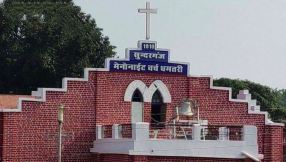
Indian churches fearing anti-conversion laws tell non-Christians: enter at your own risk
Churches in Dhamtari, a town in the central Indian state of Chhattisgarh, have put up notices warning non-Christians that they enter at their own risk, weeks after a law against religious conversion came into force in the state.

£1k bursaries to help churches develop youth and community mentoring programmes
Churches across the UK are being offered bursaries to help them establish mentoring programmes aimed at supporting young people and others in their communities.
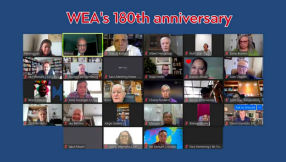
World Evangelical Alliance celebrates 180th anniversary
The World Evangelical Alliance (WEA) has held an online celebration to mark its 180th anniversary. Hundreds of people from more than 22 countries attended, and the event was rebroadcast to accommodate different time zones.








