
Church Army has been accredited as a Living Wage Employer.
The Living Wage scheme was launched in 2001 to ensure people receive a wage that is enough to cover the basic cost of living.
Paying a living wage, as opposed to the minimum wage, has been linked to improved morale and lower staff turnover.
The Living Wage Employer mark recognises and celebrates this leadership.
Mark Russell, Church Army Chief Executive, said:"I am delighted that Church Army is now a Living Wage Employer. This means that Church Army pays not just the minimum wage, but the living wage.
"Church Army is committed to alleviating poverty and we believe signing up to be a Living Wage Employer is an important part of literally putting our money where our mouths are.
"I would like to challenge the rest of the Church of England to sign up."
-

Enoch Burke accuses Archbishop of remaining 'silent' in school trans dispute
-

Churches challenged to make single Christians feel fully part of church life
-

Many churches lack AI policies despite widespread support among pastors, study finds
-

Half of Christian questions on ChatGPT are attempts to understand the Bible
News
-

Former Crowded House pastor and wife charged with rape
-

Enoch Burke accuses Archbishop of remaining 'silent' in school trans dispute
-

'Such a blessing' - church that closed down 15 years ago opens its doors again
-

Christians urged to speak out against 'conversion practices' bill
-

Half of Christian questions on ChatGPT are attempts to understand the Bible
-

Violence and persecution driving global Christian exodus, report warns
Most Popular
News

The dire American political situation: a brief overview for faithful Christians in Britain
Professor Robert AJ Gagnon argues that Christians have a moral duty to vote Republican, contending that Democratic policies pose a greater threat than Republican candidates’ failings.
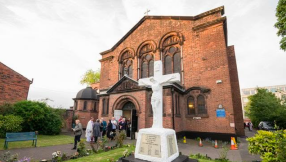
Police appeal for witnesses after head smashed off Jesus statue at church war memorial
Officers have released a CCTV image after a war memorial at St Alban’s Church in Warrington was vandalised and daubed with offensive graffiti.

Belief in ghosts and magic linked to faith and trust in science, study finds
A new study suggests that Americans who believe in God while placing strong trust in science and reason may be more likely to believe in ghosts, curses and other supernatural phenomena.

Archaeologists may have discovered identity of mystery skeleton in Westminster Abbey
Archaeologists believe they may have finally discovered the identity of a skeleton buried in a Roman sarcophagus in Westminster Abbey.





