Christian leaders have offered their prayers as emergency workers continue to respond to catastrophic flash floods in Nepal and Tibet that killed hundreds of people and left many more missing.
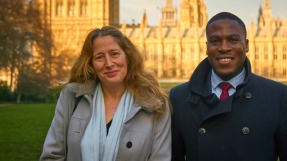
The Archbishop of Canterbury, Sarah Mullally, said she was praying for those who had lost loved ones or were still anxiously waiting for news. She also prayed for emergency workers carrying out rescue operations in “immensely difficult conditions”.
“I pray too for those who are injured, and for the doctors and nurses working tirelessly to bring healing and rebuild lives,” she said.
“Into the hands of our loving God, and in the name of Jesus Christ, I place all those who watch, wait and weep.”
Pope Leo XIV expressed his deep sorrow over the loss of life in a telegram signed on his behalf by Vatican Secretary of State Cardinal Pietro Parolin. He said he was praying for the bereaved and emergency workers involved in search-and-rescue operations, and assured them of his spiritual closeness.
American evangelist Franklin Graham also urged Christians to pray after describing images emerging from the disaster as “chilling” and “apocalyptic”.
“Take a moment to stop and pray for the people of this region and for families anxiously awaiting news of their loved ones. Watch this chilling video and pray,” he said.
The Catholic Church in Nepal is assessing how it can support the emergency response. Fr Silas Krishna Bogati, apostolic administrator of the Nepal vicariate, said the Church and Catholic aid agency Caritas were assessing needs as they prepared their response.
He told Crux Now that 25 Catholic families in the affected area were safe, although a priest, Fr James Britto, had been left stranded after crossing a river to celebrate Mass. The destruction of roads and bridges has prevented him from returning to his mission station. Fr Bogati said casualties in the area were “huge”.
The floods struck suddenly on Wednesday, sweeping away everything in their path, including homes, roads and bridges. Hundreds of tourists, pilgrims and local residents remain unaccounted for.
They are believed to have been triggered by the partial collapse of a glacier, which sent torrents of water, mud and debris tearing through communities on both sides of the border.