
|PIC1|MEMO, a ministry dedicated to spreading the Good News on public transport networks for 125 years, has launched a new advertising campaign on London buses reassuring commuters of God's comfort in the midst of the global credit crunch.
The campaign, launched on Monday, will see MEMO’s ads displayed inside 200 buses throughout central London for the next four weeks.
They ask commuters if they feel “Crunched?” before quoting Luke 2.10 – 11, “Don’t be afraid! I am here with good news for you … This very day in Bethlehem your Saviour was born – Christ the Lord.”
The MEMO comes just ahead of an ad campaign to be launched on London buses by the British Humanist Association in January, running with the provocative slogan, "There's probably no God. Now stop worrying and enjoy your life."
“Amidst all the discouraging news in our nation at this time we trust that many will find peace and reassurance as they respond to the Good News that ‘Christ the Lord’ was born into this world ‘for a time such as this’,” said a spokesperson for MEMO.
“We invite Christians to pray that many will be challenged to respond in one way or another and will ‘want to know more about God’s message’ for them personally at this time.”




-

More than one in four US Protestant churchgoers believe some biblical truths become outdated
-

Wycliffe celebrates ‘remarkable moment’ as Bible translation advances at rapid pace
-

Could the Church face a ‘silver uprising’?
-

Christian leaders issue ‘sober and urgent call’ for Western Church to prepare for disruption
-

Church in Wales pauses plans to allow gay marriage
-

Christian social worker returns to Court of Appeal in dispute over withdrawn job offer
Most Popular
News

Majority back Ireland’s three-day abortion waiting period, poll finds
A new poll has found majority support for retaining Ireland’s mandatory three-day waiting period before an abortion, as lawmakers continue to consider legislation that would remove the requirement.

ONS figures show 'good' outlook for married couples
The Coalition for Marriage (CFM) has welcomed new figures suggesting that married couples are increasingly staying together.
Christians condemn sexual violence following UN report on Russia-Ukraine conflict
Most cases of sexual violence documented were against male prisoners of war.
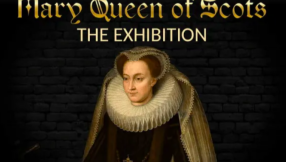
Peterborough Cathedral opens exhibition on Mary, Queen of Scots
Peterborough has opened a new exhibition on Mary, Queen of Scots, that will remain in place until 15 November.








