
Christian groups over the past year have shown their extreme concern over the effects of genetically modified (GM) foods on the environment. Christian Aid have released a statement which addresses the issue regarding the safety of the new GM technology, and the aid agency calls for a moratorium on the commercial applications of the crops until the issue has been "further researched, discussed, agrees and implemented" on a global scale.
The statement from Christian Aid, which was released last month has followed on from the organisation's 1999 booklet which was entitled, "Selling Suicide: Farming, False Promises and Genetic Engineering in Developing Countries."
Christian Aid wrote, "This ongoing controversy, and the unresolved issues which lie behind it, justifies our continuing support to a call for a moratorium on commercial applications of GM crops to allow time for the issues to be further researched, discussed, agreed and implemented, not only at the national level but globally, particularly in terms of how they affect developing countries."
Promoters of GM products have said that crops will be more resistant to the effects of drought, floods and pests, and also can be designed to be larger and faster growing. The technology could allow a huge increase in crop yields, and the needs for chemical fertilisers, which often have an adverse affect on the environment, will decrease.
However, in response to these apparent advantages Christian Aid have said, "it is not at all clear whether or not such benefits can or will be delivered without accompanying and unacceptable costs, either in terms of the technology itself or in terms of how it is controlled. Nor is it clear what the balance of benefits and costs might be, or, most importantly, for whom."
The aid agency also looked towards the costs of GM crops, and the possible environmental, ecological, health and nutritional effects. It suggests that an alternative should be sought which could be "cheaper and more sustainable for small-scale and resource-poor farmers."
Christian Aid also brought up a incident in 2002 when the American government and the World Food Program allegedly attempted to blackmail the Zambian government out of a non-GM food aid offer.
In light of such controversies, Christian Aid announced that it's constituents:
- oppose increasing corporate control of agriculture and the global food supply
- urge caution in the introduction of GM crops before their effects are clearly understood
- press for time for adequate debate and for democratic decision-making and local control in developing countries
- uphold the right of countries to choose to receive non-GM food aid
- press for (and provide) more support to small farmers in developing countries to grow food in sustainable ways appropriate to their circumstances and needs.
Further information on the GM debate please click here




-

Edinburgh University ends divinity programmes as theology faces a changing future
-

Why the Archbishop of Canterbury’s award controversy matters
-

More than one in four US Protestant churchgoers believe some biblical truths become outdated
-

Catholicism in France has 'collapsed'
-

Christian leaders issue ‘sober and urgent call’ for Western Church to prepare for disruption
-

Australia's anti-therapy laws harm the most vulnerable - Britain should not copy them
Most Popular
News

Active faith linked to happier marriages and lower divorce rates, study finds
People who regularly attend church are more likely to report happy marriages, according to a new report examining the relationship between faith and family life.

Indian churches fearing anti-conversion laws tell non-Christians: enter at your own risk
Churches in Dhamtari, a town in the central Indian state of Chhattisgarh, have put up notices warning non-Christians that they enter at their own risk, weeks after a law against religious conversion came into force in the state.

£1k bursaries to help churches develop youth and community mentoring programmes
Churches across the UK are being offered bursaries to help them establish mentoring programmes aimed at supporting young people and others in their communities.
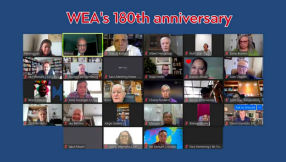
World Evangelical Alliance celebrates 180th anniversary
The World Evangelical Alliance (WEA) has held an online celebration to mark its 180th anniversary. Hundreds of people from more than 22 countries attended, and the event was rebroadcast to accommodate different time zones.








