
U.S. President George W. Bush heads to Saudi Arabia on Monday to encourage active support for Israeli-Palestinian peacemaking by the Arab powerbroker and seek help in maintaining American pressure on Iran.
Bush will spend two nights in the Islamic kingdom, having already visited Kuwait, Bahrain and the United Arab Emirates. He will go to Egypt before heading back to Washington on Wednesday.
His main message for Gulf Arab allies has been to support peace efforts and isolate Iran to contain its growing influence in the region, which is crucial to world crude oil supplies.
While Gulf Arabs want to curb their large Shi'ite neighbour, they also want to avoid another war on their doorstep.
Analysts say there are growing signs that America's Arab allies prefer to engage Iran, as Saudi Arabia did with its invitation to Iranian President Mahmoud Ahmadinejad to the haj. He was the first Iranian president to receive an official invitation to the annual Muslim pilgrimage.
The Bush administration said it had heard a different account of that invitation.
"We are told that Ahmadinejad, as he has done from time to time, invited himself," a senior administration official said.
"So if someone asks to come, the Saudis' view is, it's very difficult for them as the custodian of the two holy mosques, which is the whole point of the haj, for them to say no."
Bush has been sounding a warning about Iran as a threat in the region throughout this trip to the Middle East. In a speech in Abu Dhabi on Sunday he declared Iran a threat to world security and "the world's leading state sponsor of terror."
Before heading to the Gulf trade and tourism hub of Dubai, which has declared a national holiday due to the road closures imposed for his visit, Bush toured an exhibit on MASDAR, a planned renewable energy project in Abu Dhabi.
"I hope my visit shines a spotlight on the Middle East, the opportunities to work constructively with our friends," he said.
ARMS AND PEACE
Bush has also been asking Arab allies to diplomatically and financially support Palestinian leaders involved in peace talks, and to expand relations with Israel.
Saudi Arabia attended a U.S.-sponsored summit in Annapolis, last year aimed at restarting Israeli-Palestinian peace efforts.
But Saudi Arabia has no diplomatic ties with Israel and says "normalisation" will only happen with a final peace deal that returns all Arab land occupied by Israel in the 1967 war.
The Bush administration is expected to notify Congress this week about part of an arms package for Saudi Arabia.
"It's a big package that we have offered to the Saudis. It actually gets sort of negotiated between us and the Saudis in pieces, and those pieces then get notified to the Congress," the official said. One element of the arms package will be notified to Congress on Monday, he said.
The administration last year proposed supplying Gulf Arab states with some $20 billion (10.2 billion pounds) in new weapons, including Joint Direct Attack Munition bomb kits for the Saudis.
The plan had angered Israel's backers in Washington but Israeli security sources said on Sunday the United States would provide the Jewish state better "smart bombs" than those it plans to sell Saudi Arabia under the regional defence plan.
It was unclear what may be discussed on the subject of oil prices when Bush meets King Abdullah, or whether that issue would be left mainly to U.S. Energy Secretary Sam Bodman when he visits Saudi Arabia later this month.
Oil prices near $100 per barrel have nearly doubled since Bush, a former oil man, walked arm in arm with King Abdullah, then the crown prince, at his Texas ranch in April 2005.
Washington rarely makes public criticism of Saudi Arabia over its political and human rights record, but Bush spoke out against a court verdict condemning a gang rape victim to 200 lashes. King Abdullah pardoned the woman who was accused of being with an unrelated man when she was snatched by seven attackers.
50% OFF
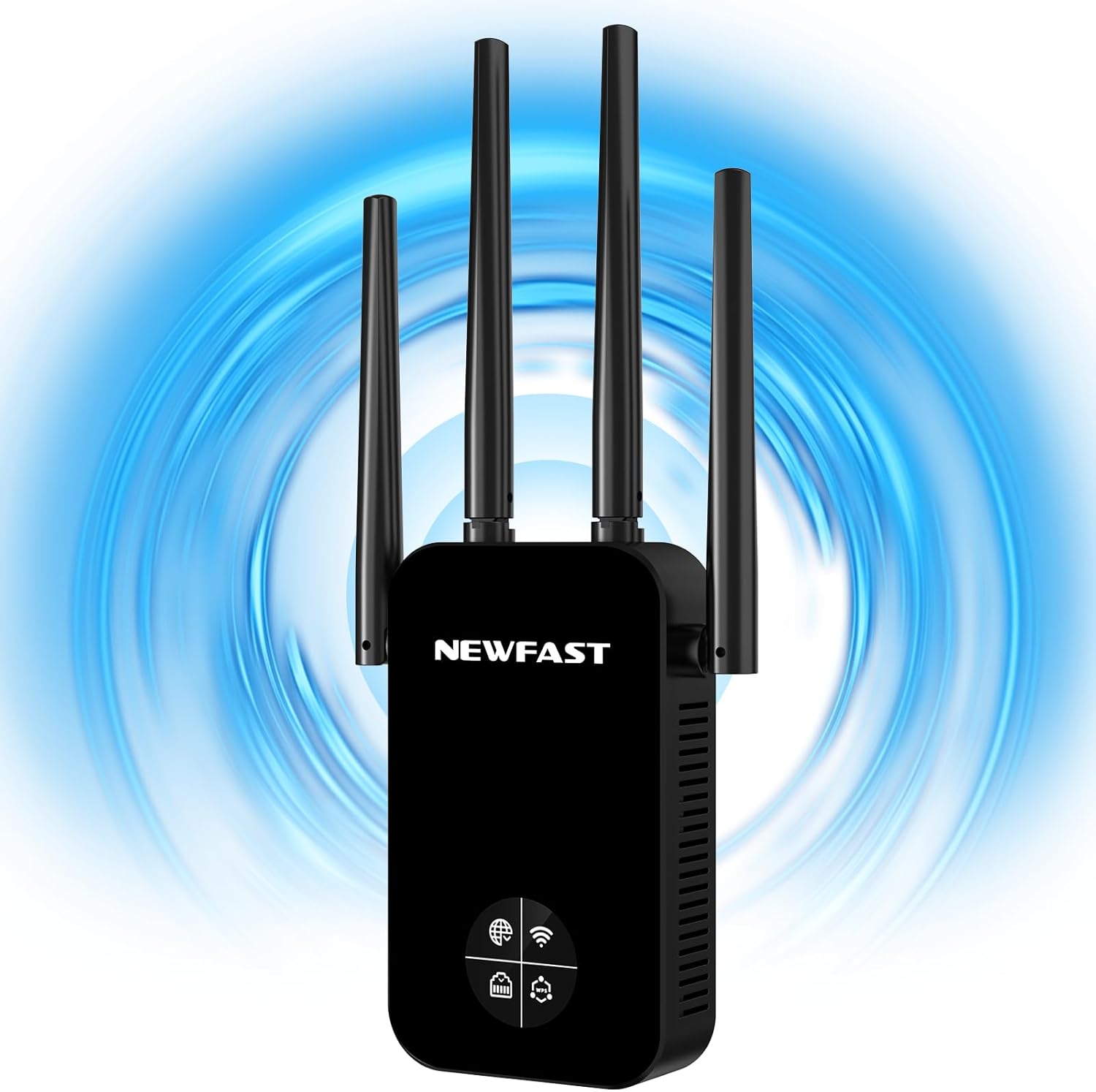
NEWFAST NF-RE523 AC1200 WiFi Extender - 1200Mbps Dual Band Signal Booster & Internet Repeater
$18.5 $36.99
48% OFF
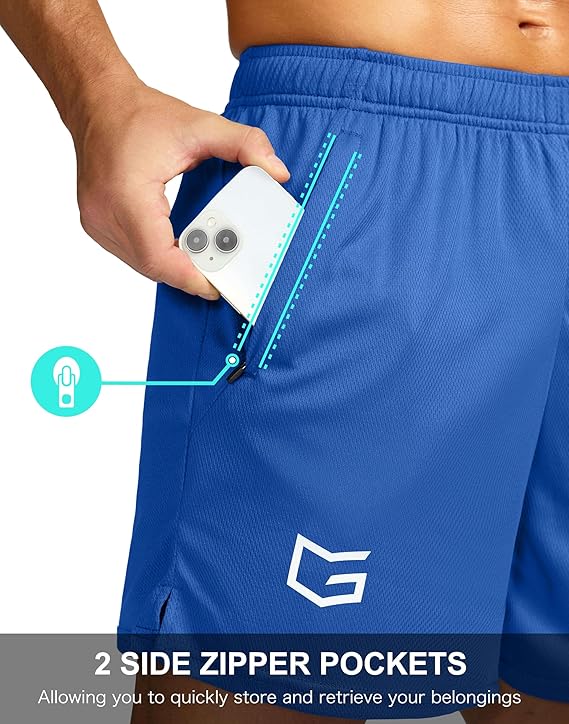
G Gradual Men's 7-inch Workout Running Shorts - Lightweight, Quick-Dry, Comfort
$12.91 $24.99
50% OFF

HDPE All-Weather Adirondack Chair with Built-In Cup Holder - Tool-Free Assembly (Grey)
$69.99 $139.99
60% OFF

HOMETUK Clear Plastic Storage Bins with Dividers - 3-Pack Stackable Acrylic Organizer Containers for Fridge and Pantry
$19.99 $49.99
58% OFF

G Gradual Men's Fishing Shirt - UPF 50+ Lightweight Short Sleeve Button Down with Zipper Pockets
$14.99 $35.99
55% OFF

Everyfun 60" Rectangular Platform Tree Swing - 700lbs Heavy Duty Adjustable Outdoor Swing (Colorful)
$49.99 $110.99
61% OFF

Ekouaer Women's Casual Loose Jumpsuit - One-Piece Printed Sleeveless Wide Leg Romper with Pockets
$14.99 $37.99
40% OFF
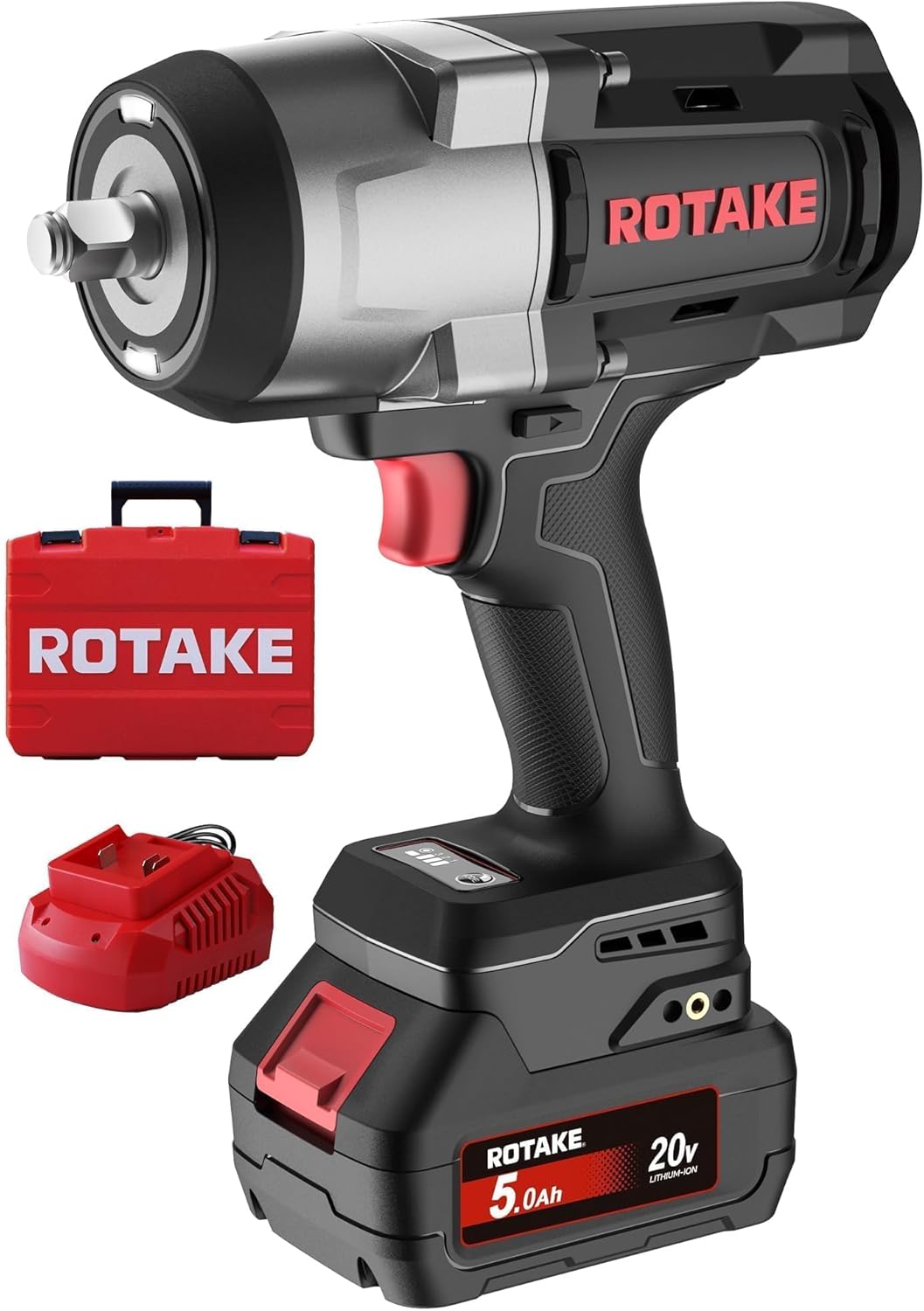
ROTAKE TB3 20V Heavy Duty 1/2" Cordless Impact Wrench Kit - 1380 Ft-Lbs Torque
$132 $219.99
36% OFF

Men's Athletic Running Shorts with Zipper Pockets - Lightweight & Quick Dry
$12.74 $19.99
61% OFF

Modern Ceiling Fan with Light and Remote - Reversible Quiet DC Motor
$69.3 $179.99
50% OFF

MOOKA H13 True HEPA Air Purifier for Home Large Room - 1076 sq ft Odor Eliminator
$39.97 $79.95
60% OFF

Ekouaer Women's Satin Silky Pajama Set - Short Sleeve Pullover Top & Wide-Leg Pants
$13.99 $34.99
55% OFF

Ekouaer 3-Piece Maternity & Nursing Pajamas Set - Short Sleeve Top with Shorts and Pants
$14.99 $32.99
11% OFF

VitaUp Beet Root Gummies with CoQ10 & Grape Seed - Nitric Oxide Circulation Support (60 Count)
$24.91 $27.91

Sealy 2-Pack Tritech 16" Twin Inflatable Air Mattress with Built-in AC Pump
$0 $113.99
20% OFF

INTEX Prism Frame 20ft x 52in Above Ground Pool Set - Round Steel Frame Swimming Pool
$695.99 $869.99

Gardner Pet 43" Heavy Duty Dog Crate with Wheels - Indestructible Folding Metal Cage (Black)
$0 $149.99
12% OFF

Elegant Mid-Century Modern Bar Stools - Set of 4
$395.99 $449.99
23% OFF

Ergonomic Office Chair - Big and Tall Desk Chair with Adjustable Lumbar Support
$279.99 $363.99
26% OFF

Magnelex American Flag Windshield Sun Shade - High-Resolution UV Reflective Heat Shield (X-Large)
$19.9 $26.9



-

Historic Lancashire church secures £250,000 National Lottery grant for major roof repairs
-
Sunderland Minster PCC was right to push back over trans toilet sign
-

Report warns religious freedom protections in Mexico exist largely ‘on paper’
-

Bethel Church distances itself from Todd Bentley and Mike Bickle
-

Christian police officer reaches settlement over diversity training discrimination claim
-
Turkey's hidden Christian past: Extraordinary discoveries are rewriting the story of early Christianity
Most Popular
News
Pride and the Gospel: the way of self or the way of Christ?
As Christians, our understanding of pride is shaped not primarily by culture, but by Scripture.
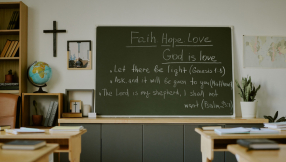
Campaign urging greater support for Christian education
Unite for Education founder, Niel Deepnarain, said Christians must be willing to engage publicly with educational issues rather than remain silent.
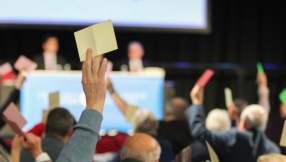
Welsh reverend speaks of culture of fear over LGBT issues
Many people have already left the Church in Wales over its stance on same-sex relationships, an evangelical leader has said.

Reddit users declare small Welsh church best place in the world
Users voted to eliminate one half of a map until only one location remained.
NEWFAST NF-RE523 AC1200 WiFi Extender - 1200Mbps Dual Band Signal Booster & Internet Repeater
$18.5
G Gradual Men's 7-inch Workout Running Shorts - Lightweight, Quick-Dry, Comfort
$12.91
HDPE All-Weather Adirondack Chair with Built-In Cup Holder - Tool-Free Assembly (Grey)
$69.99
HOMETUK Clear Plastic Storage Bins with Dividers - 3-Pack Stackable Acrylic Organizer Containers for Fridge and Pantry
$19.99
G Gradual Men's Fishing Shirt - UPF 50+ Lightweight Short Sleeve Button Down with Zipper Pockets
$14.99
Everyfun 60" Rectangular Platform Tree Swing - 700lbs Heavy Duty Adjustable Outdoor Swing (Colorful)
$49.99
Ekouaer Women's Casual Loose Jumpsuit - One-Piece Printed Sleeveless Wide Leg Romper with Pockets
$14.99
ROTAKE TB3 20V Heavy Duty 1/2" Cordless Impact Wrench Kit - 1380 Ft-Lbs Torque
$132
Men's Athletic Running Shorts with Zipper Pockets - Lightweight & Quick Dry
$12.74
Modern Ceiling Fan with Light and Remote - Reversible Quiet DC Motor
$69.3
MOOKA H13 True HEPA Air Purifier for Home Large Room - 1076 sq ft Odor Eliminator
$39.97
Ekouaer Women's Satin Silky Pajama Set - Short Sleeve Pullover Top & Wide-Leg Pants
$13.99
Ekouaer 3-Piece Maternity & Nursing Pajamas Set - Short Sleeve Top with Shorts and Pants
$14.99
VitaUp Beet Root Gummies with CoQ10 & Grape Seed - Nitric Oxide Circulation Support (60 Count)
$24.91
Sealy 2-Pack Tritech 16" Twin Inflatable Air Mattress with Built-in AC Pump
$0
INTEX Prism Frame 20ft x 52in Above Ground Pool Set - Round Steel Frame Swimming Pool
$695.99
Gardner Pet 43" Heavy Duty Dog Crate with Wheels - Indestructible Folding Metal Cage (Black)
$0
Elegant Mid-Century Modern Bar Stools - Set of 4
$395.99
Ergonomic Office Chair - Big and Tall Desk Chair with Adjustable Lumbar Support
$279.99
Magnelex American Flag Windshield Sun Shade - High-Resolution UV Reflective Heat Shield (X-Large)
$19.9