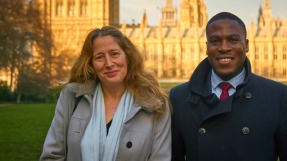
Benefit boost should be made permanent, says Bishop of Durham

The Bishop of Durham Paul Butler Picture By Keith Blundy

The Bishop of Durham has called for the £20 increase to Universal Credit to be made permanent.

The Government introduced the increase during the pandemic but it is due to be reversed in April 2021 after the Chancellor did not commit to extending it in his recent spending review. 

A new poll by the Health Foundation and Ipsos MORI shows strong public support (59%) for the change to be made permanent, with only a fifth saying they were opposed to this. 

Bishop Paul Butler said the findings were "very encouraging" and that the Government should "respond positively" to the Health Foundation's report. 

"Report after report has highlighted the importance of this uplift," he said. 

"Consistently those working with the most vulnerable from across the political spectrum have called for this to become permanent." 

He added: "I continue to hope that they will also re-think their position on the other 'Legacy Benefits' and raise these by the same £20."


News
Traitors’ winner Harry Clark heads to Rome in new BBC documentary exploring faith in modern Britain

BBC Two and iPlayer are set to air a new one-hour documentary this Easter charting The Traitors’ winner Harry Clark’s personal pilgrimage from Slough to the Vatican

Christians welcome NI decision to pull out of puberty blocker trial

Nesbitt initially indicated that the province would join the trial.

EU Parliament condemns expulsion of foreign Christians in Turkey

Turkey has said the EU is interfering in its internal affairs.

Fewer Britons giving something up for Lent as cathedrals invite deeper reflection

The number of Britons giving something up for Lent has fallen sharply over the past decade, according to new research highlighting a significant shift in how the season is observed.