Public pressure is growing on the Australian government to rescind its intention to deport 267 asylum seekers, including 80 children, to the Pacific island of Nauru.
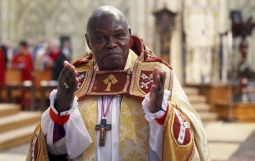
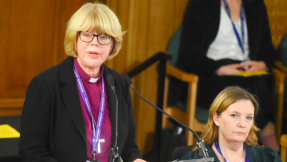
Ten churches, including Brisbane Cathedral, offered sanctuary to the asylum seekers. The Anglican Dean of Brisbane, Peter Catt, said: "We offer this refuge because there is irrefutable evidence from health and legal experts that the circumstances asylum seekers, including children, would face if sent back to Nauru are tantamount to state sanctioned abuse."
Now the premier of the State of Victoria, Daniel Andrews, has called on the federal government not to return the refugees, who had been brought to Australia from Nauru island for medical treatment.
"Victoria stands ready to assist and care for the children and their families," Andrews wrote in a letter to Prime Minister Malcolm Turnbull that Andrews posted on his Twitter account.
His state would take full responsibility for their housing, health and education, he said.
"Sending these children and their families to Nauru is not the Australian way... It's wrong. Medical professionals tell us this. Humanitarian agencies tell us this," he said.
The detention center on Nauru houses about 500 people and has been widely criticised by human rights activists for harsh conditions and reports of systemic child abuse.
Andrews said sending the group, including 37 children born in Australia, to Nauru "will needlessly expose them to a life of physical and emotional trauma".
Australia takes a hard line on asylum seekers, saying it prevents deaths at sea by discouraging others from making the journey.
Last Wednesday, the High Court rejected a legal test case that challenged Australia's right to deport detained asylum seekers to Nauru, about 3,000 km (1,800 miles) northeast of Australia, a decision that drew outrage from campaigners.
Andrews' intervention was praised by refugee rights groups. "This is fantastic wonderful news,"said Pamela Curr, an advocate at the Asylum Seeker Resource Centre. "First legal, churches, community groups, grandmothers, unions, schools, and now a state premier."
Additional reporting by Reuters.