The head of the Roman Catholic Church in England and Wales and the Archbishop of Wales have condemned the reported killing of 52 Iranian dissidents at a camp in Iraq on Sunday.
Camp Ashraf once housed more than 3,000 members of the Mujahideen-e Khalq (MEK), but the BBC reports that the number there prior to the latest violence was believed to be about 100.
There are reports that some of the victims were shot at close range in the head.
In addition to the killings, seven people, including six women are believed to have been taken hostage.
The MEK has accused Iraqi forces of carrying out the attack. The Iraqi government denies this and the United Nations has called for an investigation.
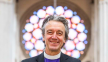
In a statement, Archbishop Barry Morgan expressed his deep concern over the violence.
Dr Morgan said, "This is an atrocity which needs to be fully investigated. The unarmed and defenceless residents of this camp are 'Protected Persons' under the 4th Geneva Convention.
"I urge the UN to go to the camp and take action to stop further bloodshed and save the lives of the wounded."
The Archbishop previously joined 22 other bishops in calling for greater protection for the dissidents. The call came in a letter to Foreign Secretary William Hague condemning two missile attacks on Camp Liberty in Baghdad in June and February in which 18 people died and many more were injured.
A spokesman for the head of the Catholic Church in England and Wales, Archbishop Vincent Nichols said: "The Iraqi government has a moral and legal duty to protect the residents of Camp Ashraf.
"The Baghdad authorities must ensure the safety of the residents to prevent any more violence being inflicted on them and to facilitate their swift resettlement in a third country, under international supervision."