There are some very strange animals mentioned in the Bible. Some of them are obviously imaginary, others are mistranslations (the King James Version is a good source for these) while others are real creatures described in a poetic style.
Odd animals in the KJV include dragons, unicorns and cockatrices.
Dragons are mentioned in Isaiah 43:20 and Micah 1:8. The Hebrew word is tanniyn and no one is quite sure what it means – in fact different writers may have used it for different things. In some passages the tanniyn lives in rivers and the sea (Genesis 1:21, Isaiah 27:1) while in others it lives on the land (Psalm 91:13). It may have been a crocodile (which it is in modern Hebrew), though some scholars think it's a general word for an undesirable creature. The NIV translates it differently in different places; in Genesis 1:21 it's a great sea creature, while in Isaiah 43:20 it's a jackal.
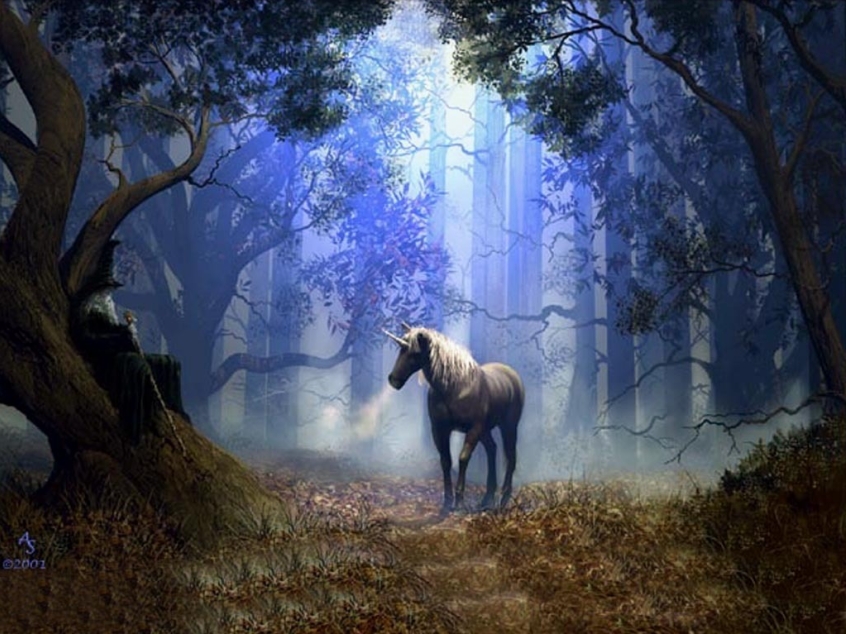
Unicorns are also mentioned, though not very sensibly; the Hebrew word re'em refers to a creature like the now extinct aurochs, which was a bit like a Highland cow, not at all like the graceful unicorn. A cockatrice – also called a basilisk – was a mythological monster, half rooster and half snake, which could turn people into stone at a glance. It was used to translate tsepha, which really means 'viper'.
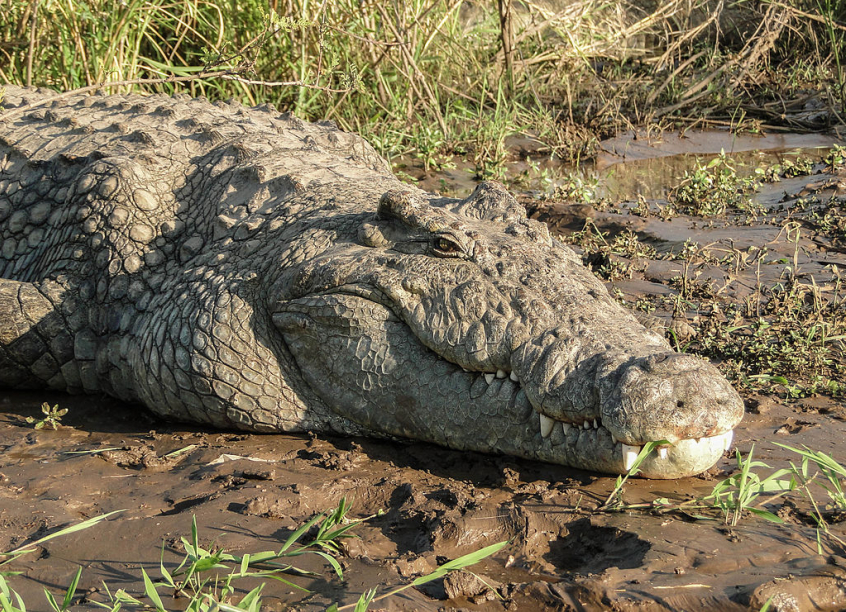
There are two tremendous creatures in the Book of Job which obviously refer to real animals and have given their names to all kinds of huge things. One of them is leviathan (41:34). This is almost certainly a crocodile, and the writer has in mind the huge Nile crocodile, which can grow to more than 20 feet in length. Its heavily armoured skin makes it very hard to kill. "Who dares open the doors of his mouth, ringed about with fearsome teeth? His back has rows of shields tightly sealed together..." On the other hand, he is also described as breathing fire, which no crocodile does. Again, this is the work of the poet rather than the naturalist, though the writer has obviously seen crocodiles at close quarters.

The other is the behemoth (40:15-24). This sounds like a hippopotamus – it "feeds on grass like an ox", "under the lotus plant he lies, hidden among the reeds in the marsh", "When the river rages he is not alarmed". On the other hand, "His tail sways like a cedar" and hippos have short tails. It might be poetical exaggeration, like "His bones are tubes of bronze, his limbs like rods of iron."