A US Baptist pastor found guilty of 'conducting illegal missionary activities' in Russia has taken his case to the European Court of Human Rights.
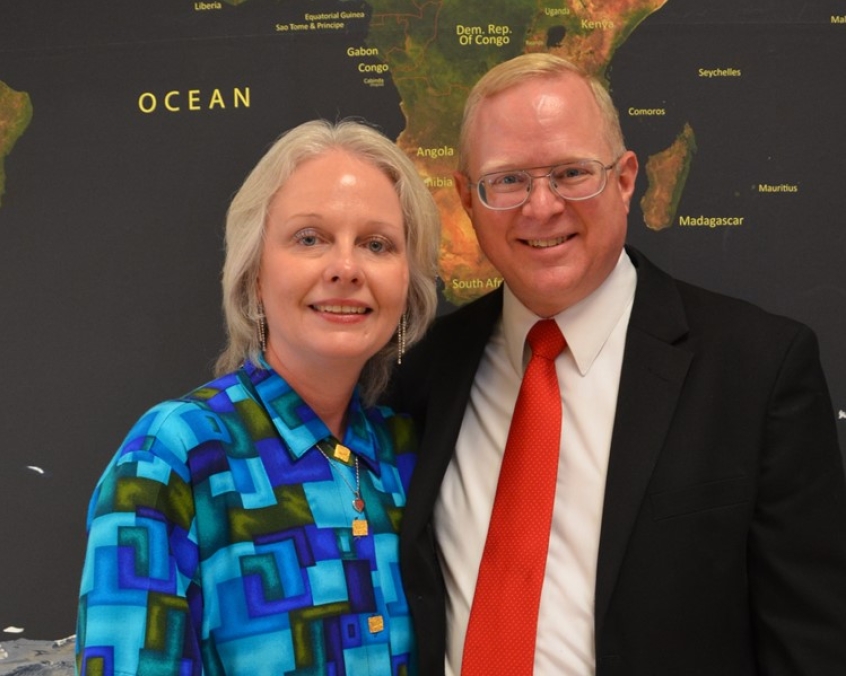
Donald Ossewaarde held weekly Bible meetings at his home in Oryol, Russia for years before 'anti-terrorism' laws were used to charge him with conducting illegal activity. He was found guilty and given a fine of 40,000 rubles (over $600).
He has made several appeals, including one to the Russian Supreme Court, all of which have been unsuccessful. Today he filed his appeal, citing the violation of religious liberty, to the European Court of Human Rights, with the support of ADF International, a legal organisation that advocates for religious freedom.
'Freedom of religion is one of the most fundamental rights. Nobody should be persecuted because of their faith. Despite the Russian Constitution guaranteeing freedom of conscience and religion for all, Donald Ossewaarde has been charged with a criminal offence for holding a peaceful Church service in his own home,' said Laurence Wilkinson, Legal Counsel for ADF International and leading lawyer on Ossewaarde's case.
She added: 'His conviction is a hugely concerning development for religious freedom across Russia in general, and for Christian missionaries in particular.'
Ossewaarde, an American citizen, is the first US missionary to be charged under the so-called 'Yarovaya' counter-terrorism legislation introduced in July 2016. Policemen came to his home on August 14, 2016, to interrupt the 'illegal' Bible study he and his wife were hosting, then took him to the local police station to be charged.
According to Ossewaarde, the court refused to allow time for his lawyers to come from Moscow for the initial hearing, and then provided a lawyer for him. In a 'confidential conversation' after the hearing, this court appointed lawyer advised him to accept the verdict and pay the fine without appeal. He then said that it would be better for the American to leave the city, because anything might happen to him and his family. Ossewaarde has extensively documented his experience on his personal website.
Wilkinson added: 'An appeal to the European Court of Human Rights represents a last resort in challenging a law that appears to violate the fundamental right of religious freedom in Russia. As a signatory to the European Convention on Human Rights, the Russian government should reconsider the scope of its counter-terrorism laws to guarantee the right to freedom of religion for all of its inhabitants.
'While the new legislation aims to prevent terrorist activity, it has had a devastating effect on religious activities that cannot be considered dangerous in any sense, as Donald Ossewaarde's case and many others prove.'