
Tens of thousands of people will be without safe drinking water for months due to the severe floods in Assam, Christian Aid has warned.
The north-eastern state of Assam is suffering from its worst flooding in three decades. Millions were made homeless by incessant rains which have submerged most of the state and killed 117 people.
Ram Kishan, Christian Aid’s Regional Emergency Manager South Asia, said: "The main sources of drinking water, such as hand pumps and wells, are submerged in the flood waters so communities are taking their water supplies directly from the river. Lack of sanitary facilities in camps and villages mean this water is contaminated."
Consumption of the contaminated water could cause diarrhoea, dysentery and other water-borne diseases.
Christian Aid will be reaching the affected communities with water purification tablets, construction of sanitary blocks in the camps and installation of hand pumps to stop the situation deteriorating.
"Christian Aid is responding in Dhemaji, one of the most affected districts in Assam – including the Machkhowa block, an area which has not faced floods for more than a decade. We are planning to reach almost 50,000 people in the district. Our work will concentrate on water, sanitation and hygiene," informed Kishan.
The floods, since June 22, have affected all 27 districts of the state. The displaced villagers are taking shelter at government-run relief camps.
Ghasi Lal Gujar, Christian Aid’s Emergency Programme Officer who has just returned from visiting the affected areas, said: "Some communities have been forced to stay on embankments as they cannot get back to their villages so continuing monsoon could spell more disaster."
However, he pointed that the weak embankments, which are barely 10 to 20 feet in width, are overcrowded and living conditions are deteriorating every day.
He also added that those in relief camps will not be able to return to their homes for three months and all affected communities will face similar problems with clean water supplies.
"This year’s floods have been more severe than previous ones. Waters have brought debris from mining activities and sand from breaching embankments – which have destroying large areas of agriculture. Over 250,000 hectares of crop land has been flooded and over 50% of these crops have been lost," said Gujar.
Meanwhile, even as villagers are still reeling under the flood, violence raged in Kokrajhar and neighbouring districts of Assam between minority immigrants and Bodos.
The death toll went up to 58 even as army was called in to quell the violence.
"Complicating the [flood] situation is violence in the western part of Assam, an area also facing flooding, where ethnic conflict is leading to a massive humanitarian crisis, which has seen more than 30 killed and 40,000 displaced, putting extra pressure on state authorities," Anand Kumar, Christian Aid’s Country Director in India, said.
35% OFF
Vilanva Women's Walking Shoes – Cushioned Lightweight Running Sneakers with Slip-Resistant Sole, Breathable Woven Upper for Everyday Wear & Workouts
$35.09 $53.99
67% OFF
Rocoren 12-Pack Magnetic Cable Clips – 360° Rotating Cord Organizer with No-Residue Adhesive, Cord Holder for Desk, Nightstand, Wall, Car & Office, White
$6.5 $19.99
60% OFF
Red Light Therapy Mask for Face – 7-Color LED Silicone Facial Mask, Cordless Rechargeable Skincare Device with 240 LEDs for Home & Travel
$39.99 $99.99
77% OFF
Men's Slim Fit Polo Shirt – Quick Dry Moisture Wicking, High Elasticity, Athletic Fit Polo for Golf, Tennis, Work & Casual Wear (Runs Small, Size Up)
$6.99 $29.99
28% OFF
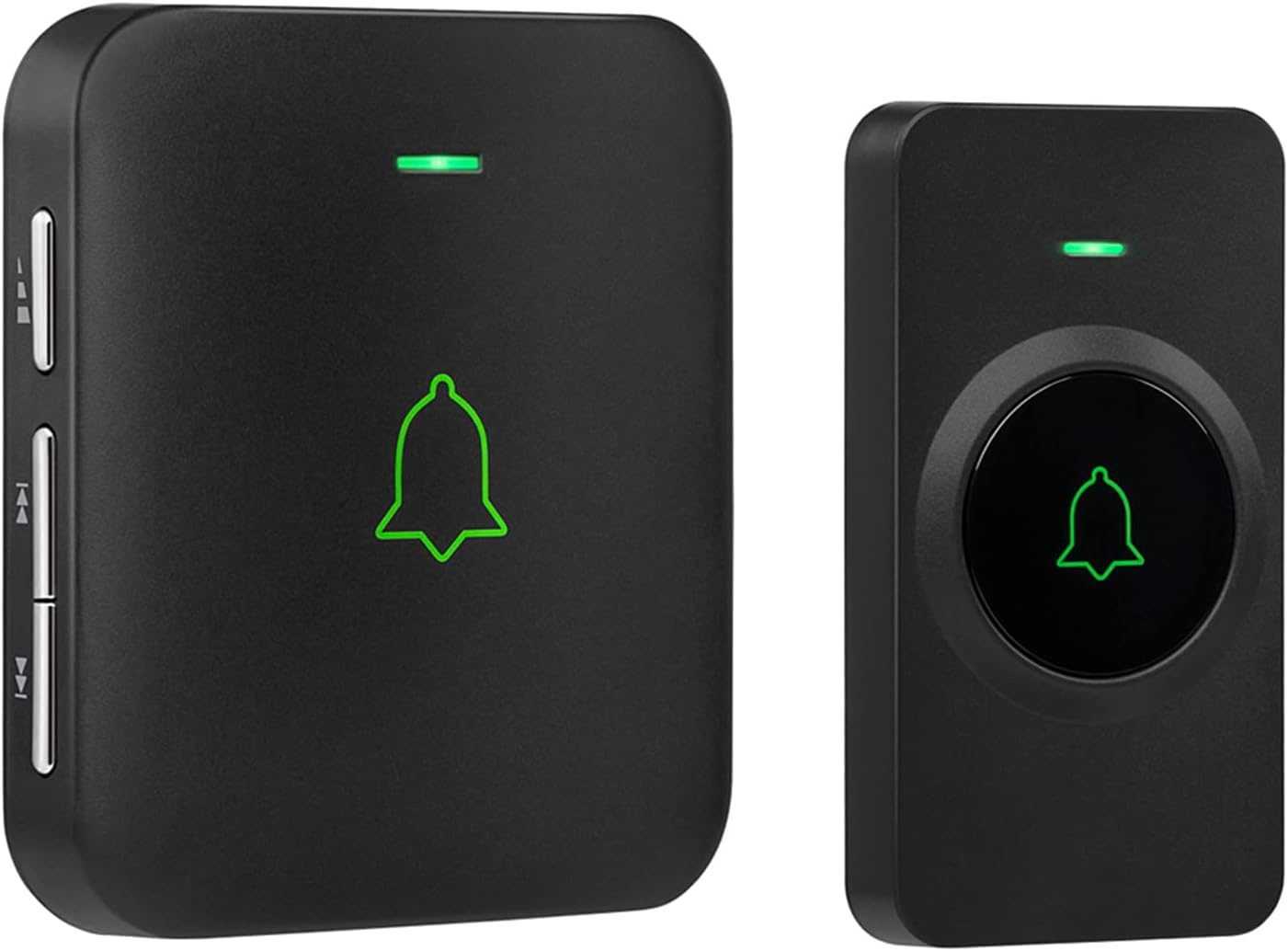
AVANTEK Wireless Doorbell CB-11 – 1000 ft Range, 1 Button + 1 Plug-In Receiver, 115 dB Volume, LED Flash, 52 Chimes, Waterproof, 3-Year Battery
$12.91 $17.99
50% OFF
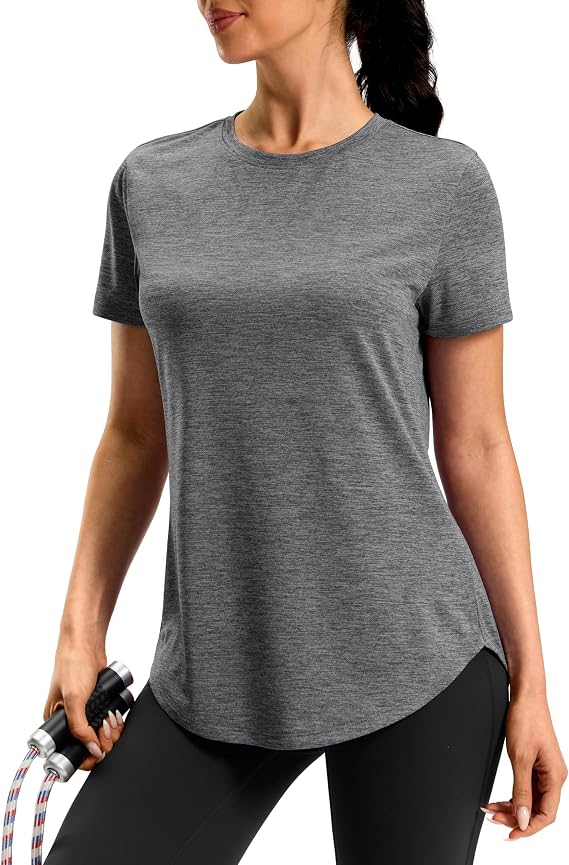
Women's Workout Shirts – Bum-Covering Length Short Sleeve Dry Fit Tops, Lightweight & Breathable for Athletic, Hiking, Running & Summer Wear
$6.99 $13.99
50% OFF
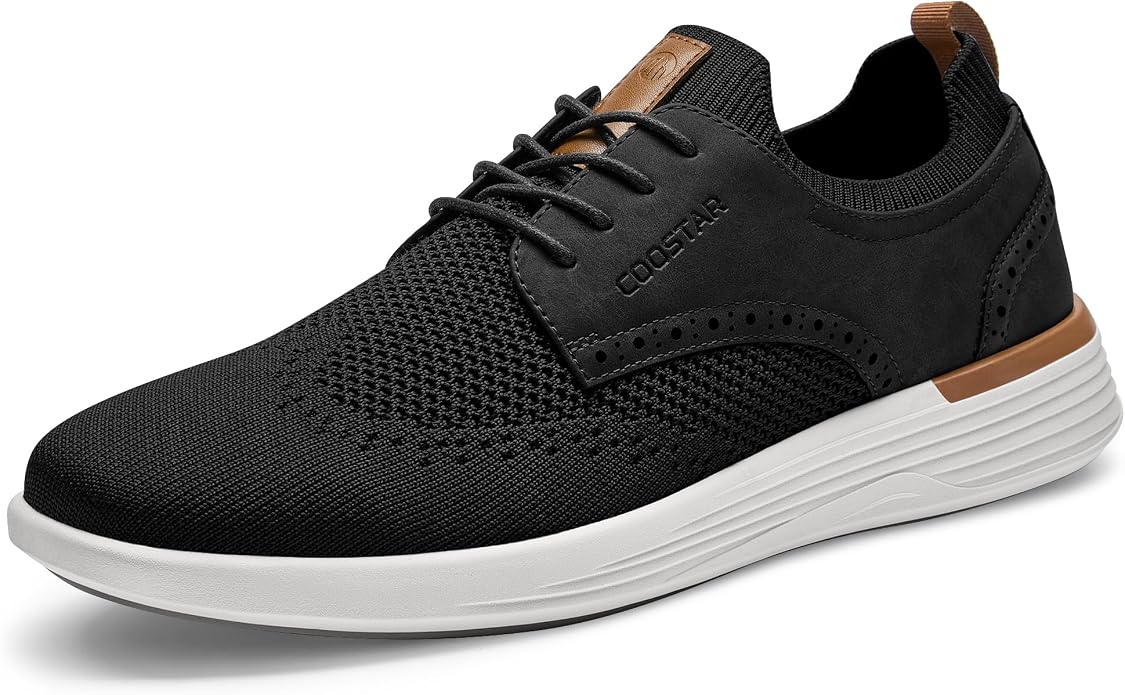
Coostar Men's Casual Dress Sneakers – Lightweight Wingtip Oxford Style with Breathable Knit Upper, Rubber Sole & Slip-On Elastic Collar, Business & Walking Shoe
$22.49 $44.99
45% OFF
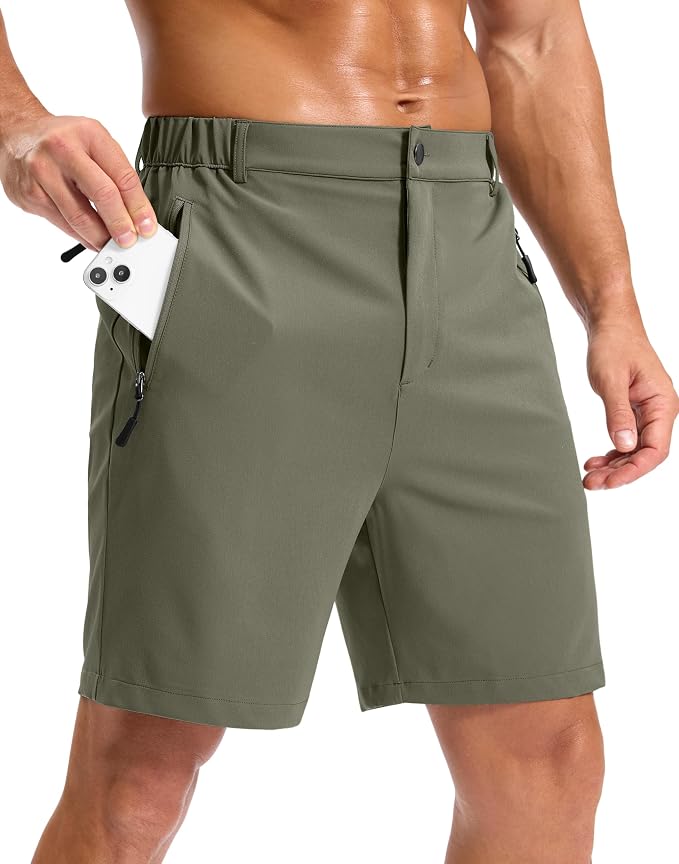
Pudolla Men's Quick Dry Hiking and Golf Shorts with 3 Zipper Pockets
$14.84 $26.99
50% OFF
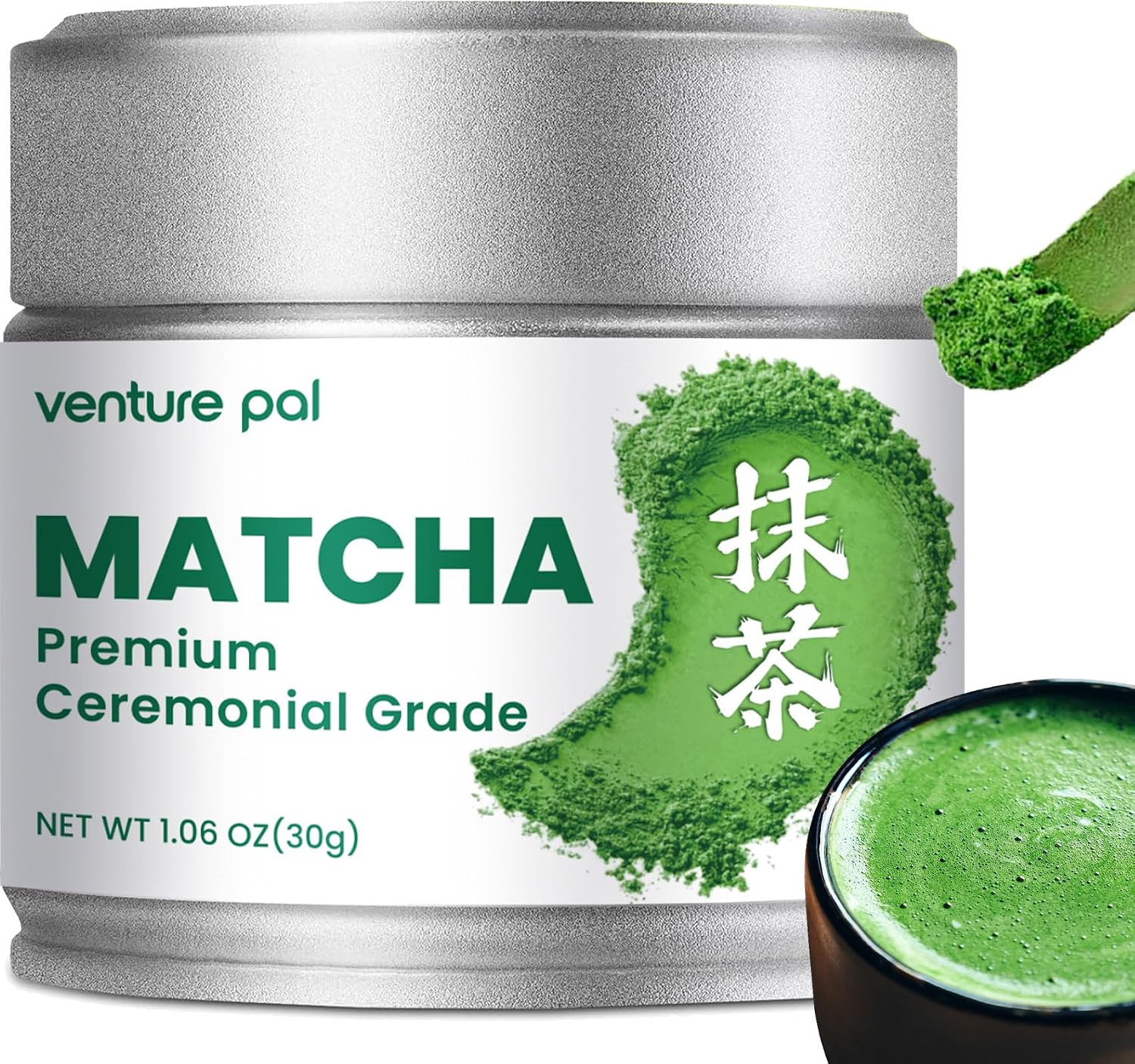
Venture Pal Ceremonial Grade Matcha Green Tea Powder – First Harvest, Shade Grown, 100% Pure with No Additives, Unsweetened, Vegan & Gluten-Free, 30g Tin
$7.5 $14.99
40% OFF
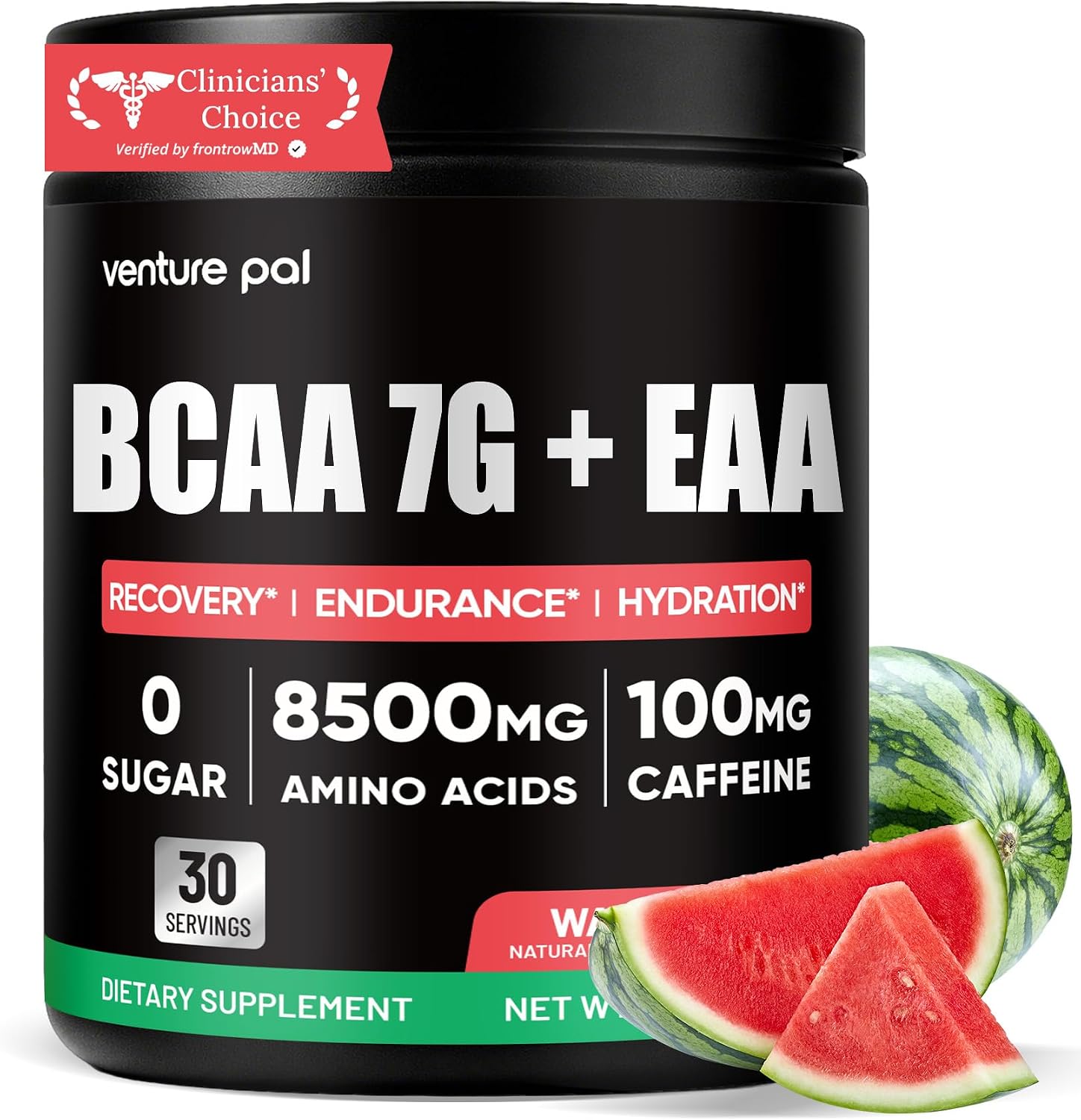
Venture Pal Sugar Free 7g BCAA + EAA Powder – 9 Essential Amino Acids with L-Glutamine, Caffeine, Electrolytes & Vitamins for Muscle Recovery, Growth & Hydration
$14.99 $24.99
30% OFF
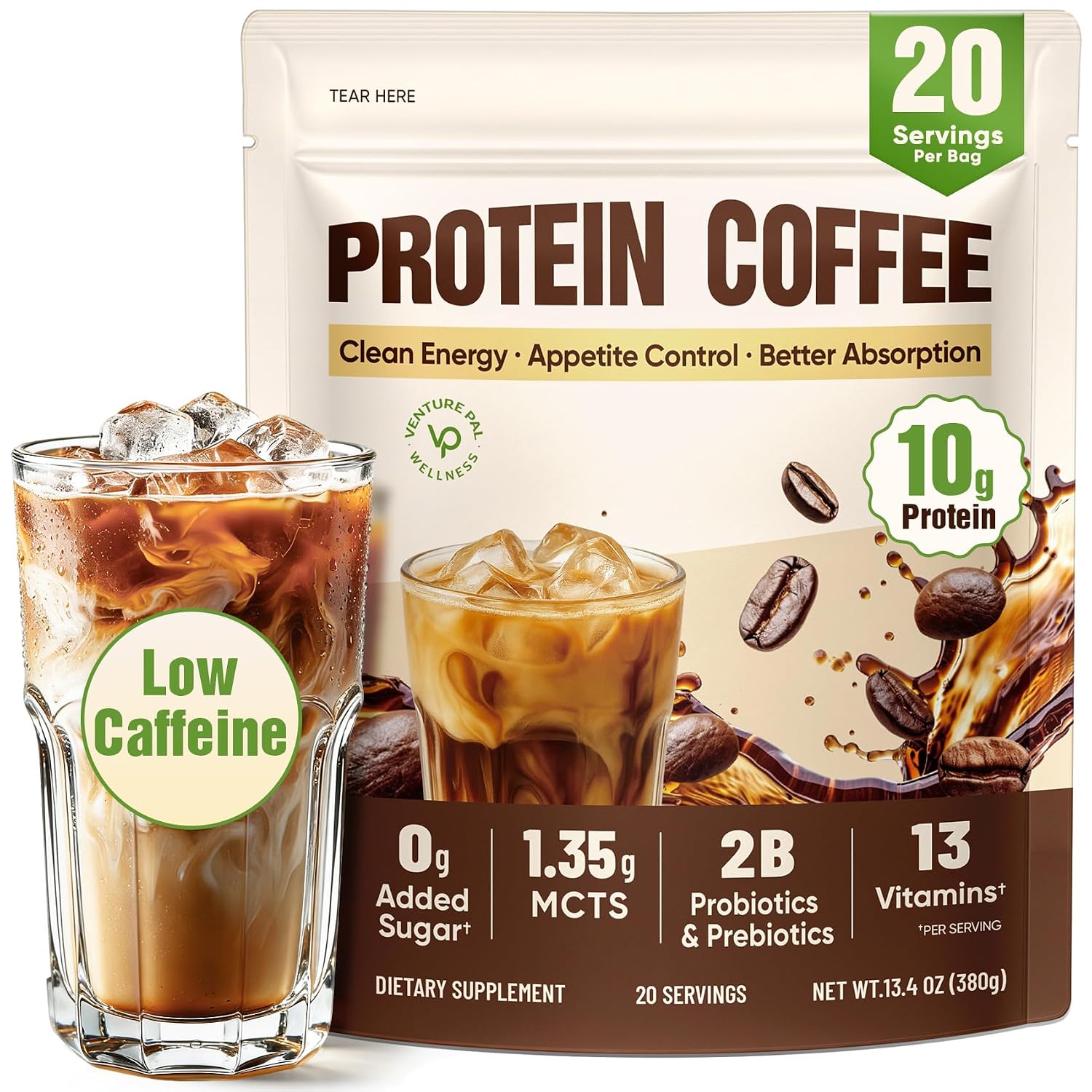
Venture Pal Sugar Free Protein Coffee – Cold Brew Mocha Instant Iced Coffee with MCT Oil, Probiotics, Fiber & 13 Vitamins, 70mg Caffeine, Keto & Gluten-Free, 20 Servings
$13.29 $18.99
20% OFF
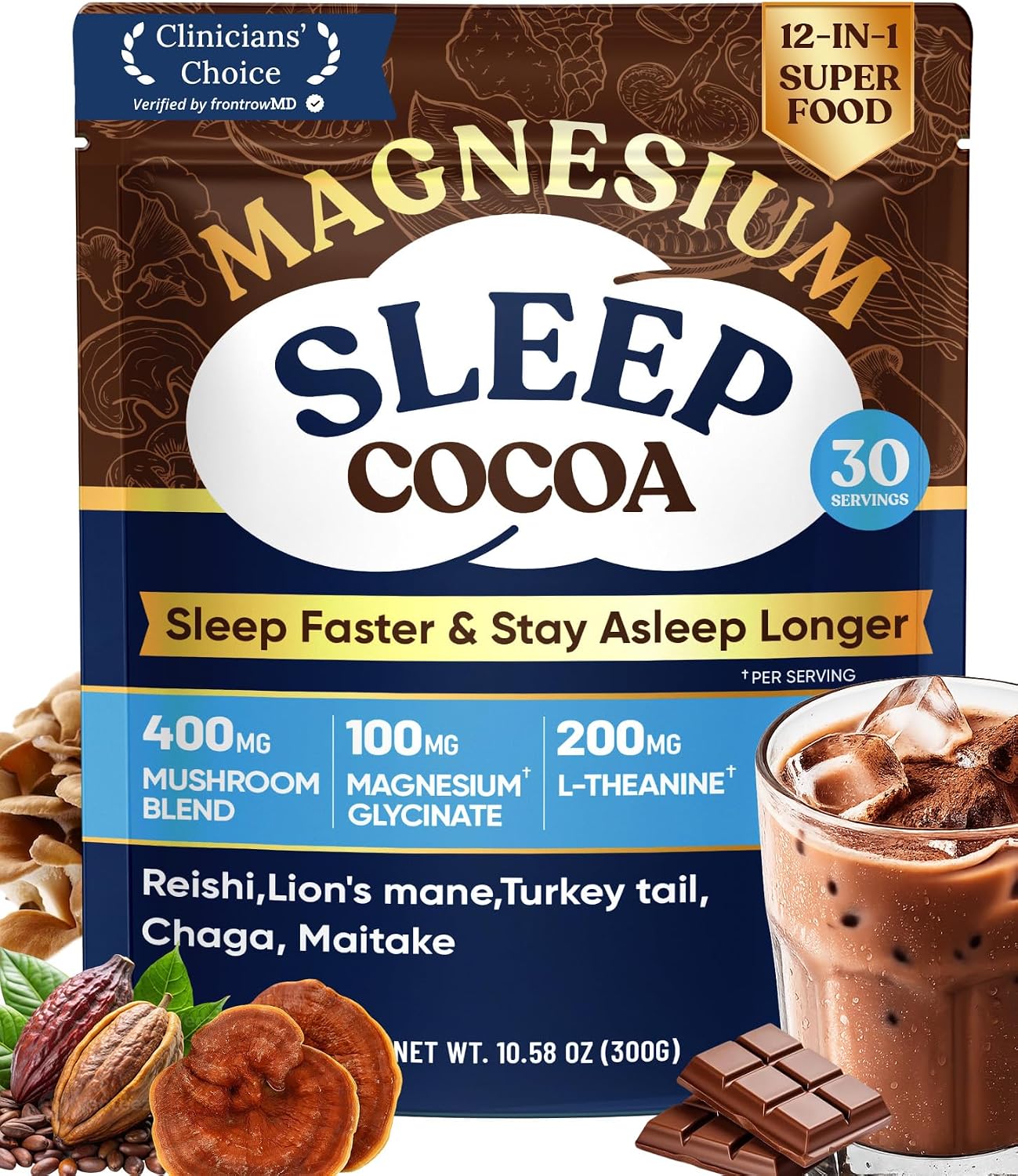
Venture Pal Mushroom Hot Cocoa – Natural Sleep Aid with 12 Superfoods, Melatonin 3mg, Magnesium Glycinate, L-Theanine, Glycine, Lion's Mane, Reishi & Turkey Tail, Bedtime Cocoa Mix, 30 Servings
$23.99 $29.99
24% OFF
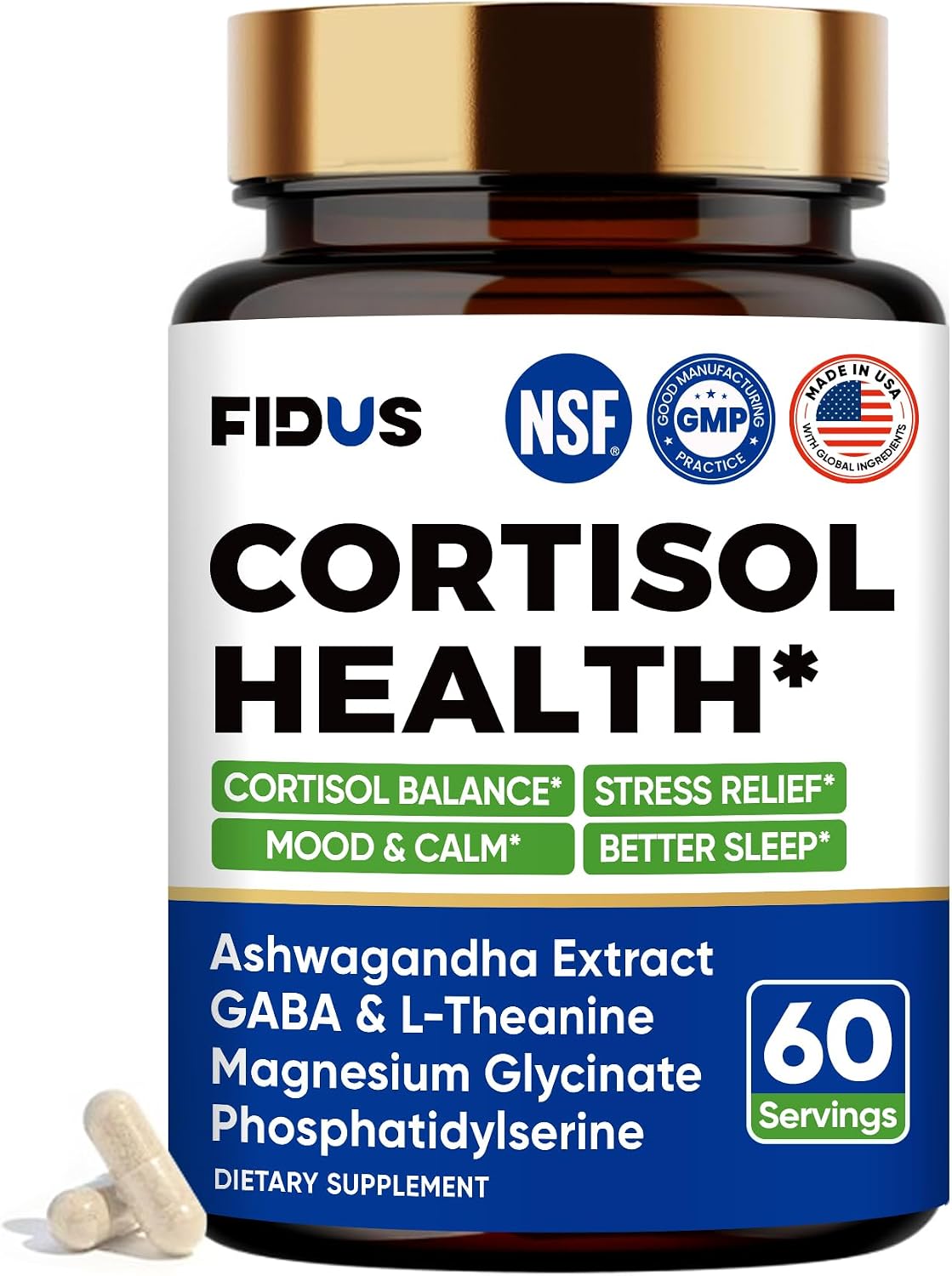
Cortisol Supplement for Women & Men with Ashwagandha & GABA – Magnesium, L-Theanine & Rhodiola, Stress Support for Sleep, Mood & Focus, 60-Day Supply, Made in USA
$15.29 $19.99
50% OFF
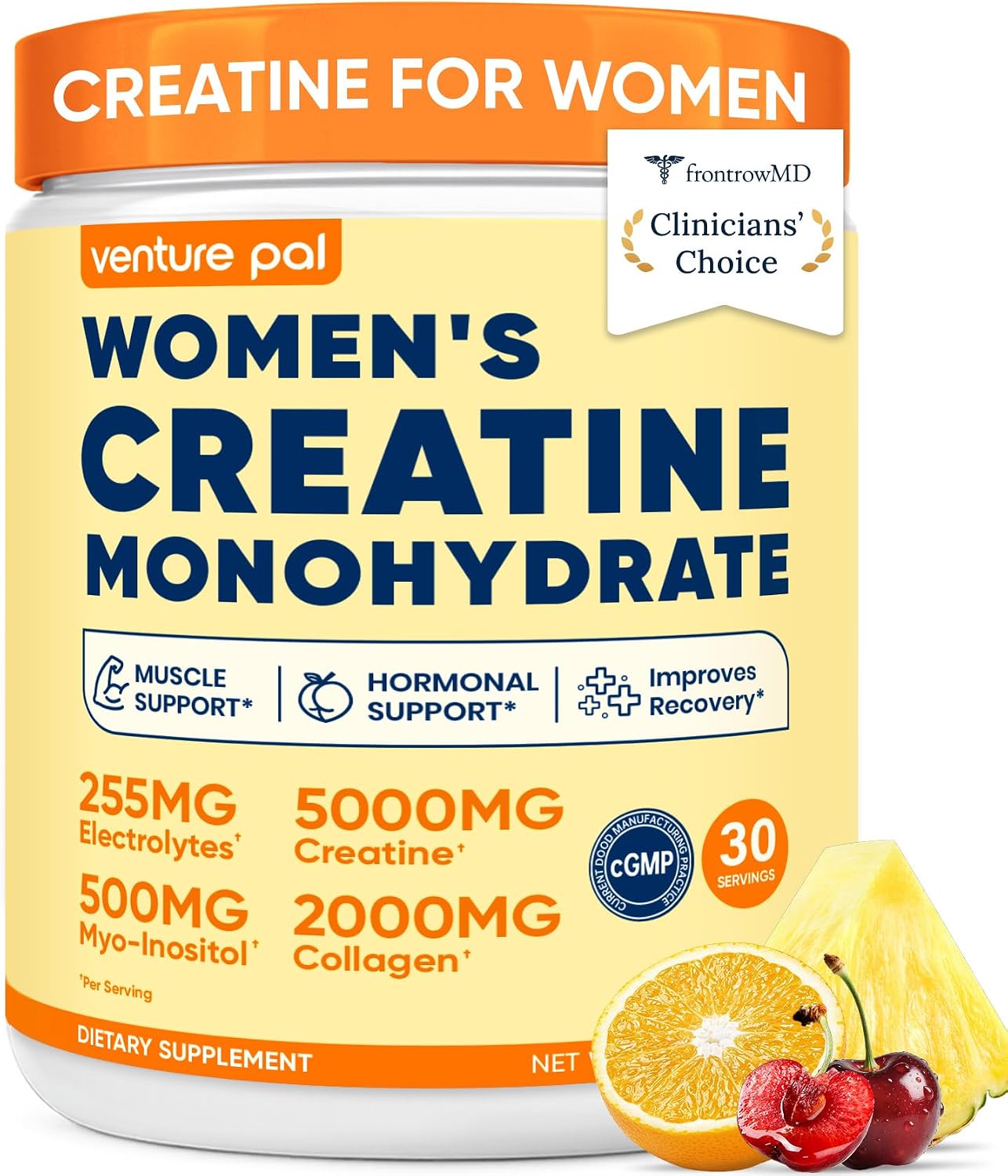
Venture Pal 18-in-1 Creatine for Women – Creatine Monohydrate with Collagen, Myo & D-Chiro Inositol, Electrolytes & Vitamins for Strength, Recovery & Skin Support, Sugar Free, 10.58 oz
$14.99 $29.99
32% OFF
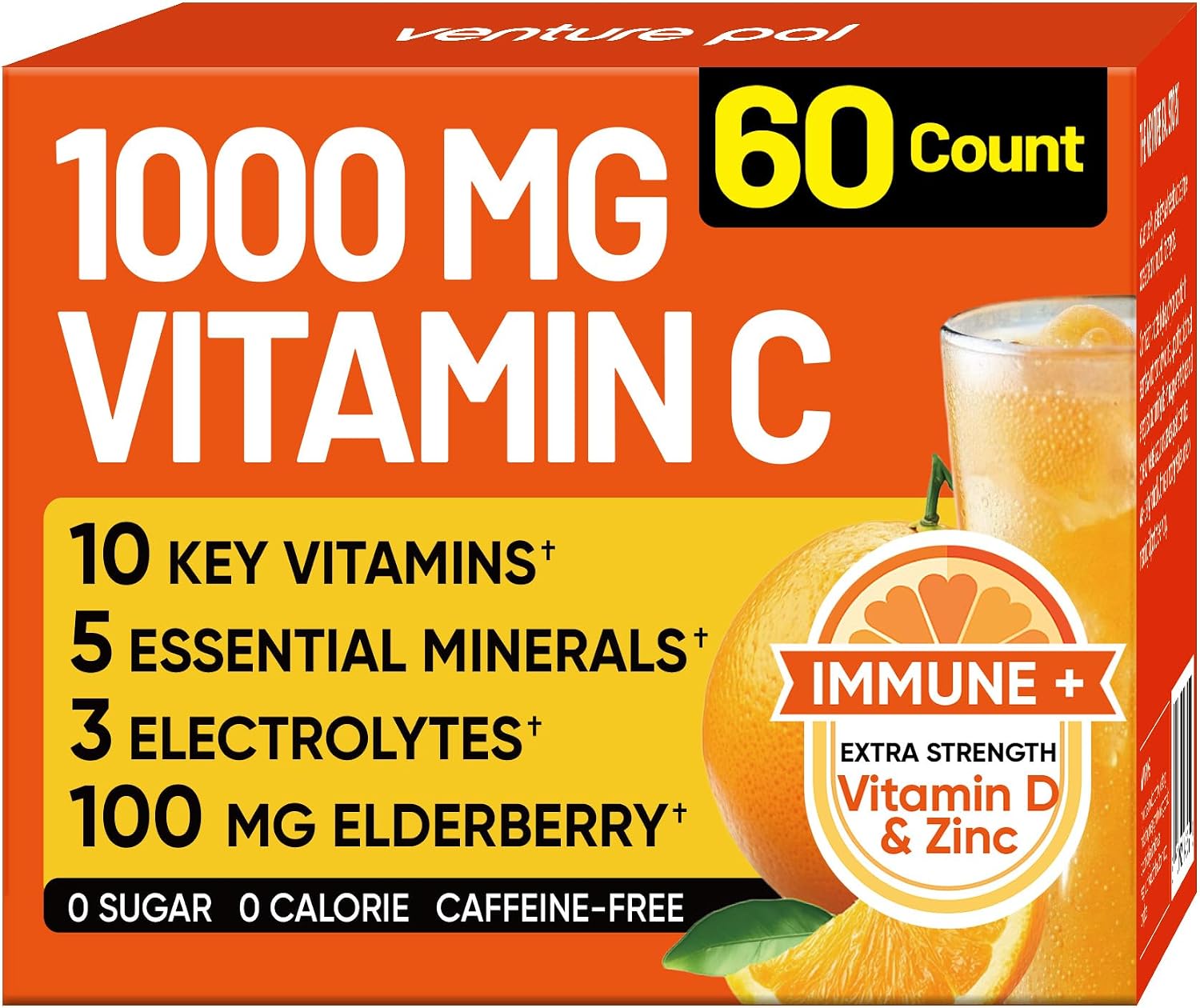
Venture Pal 1000mg Vitamin C Powder with Zinc & Elderberry – Sugar Free B Complex, 10 Vitamins, Minerals & Electrolytes, Daily Immune & Energy Support Packets, 60 Count
$13.59 $19.99
20% OFF
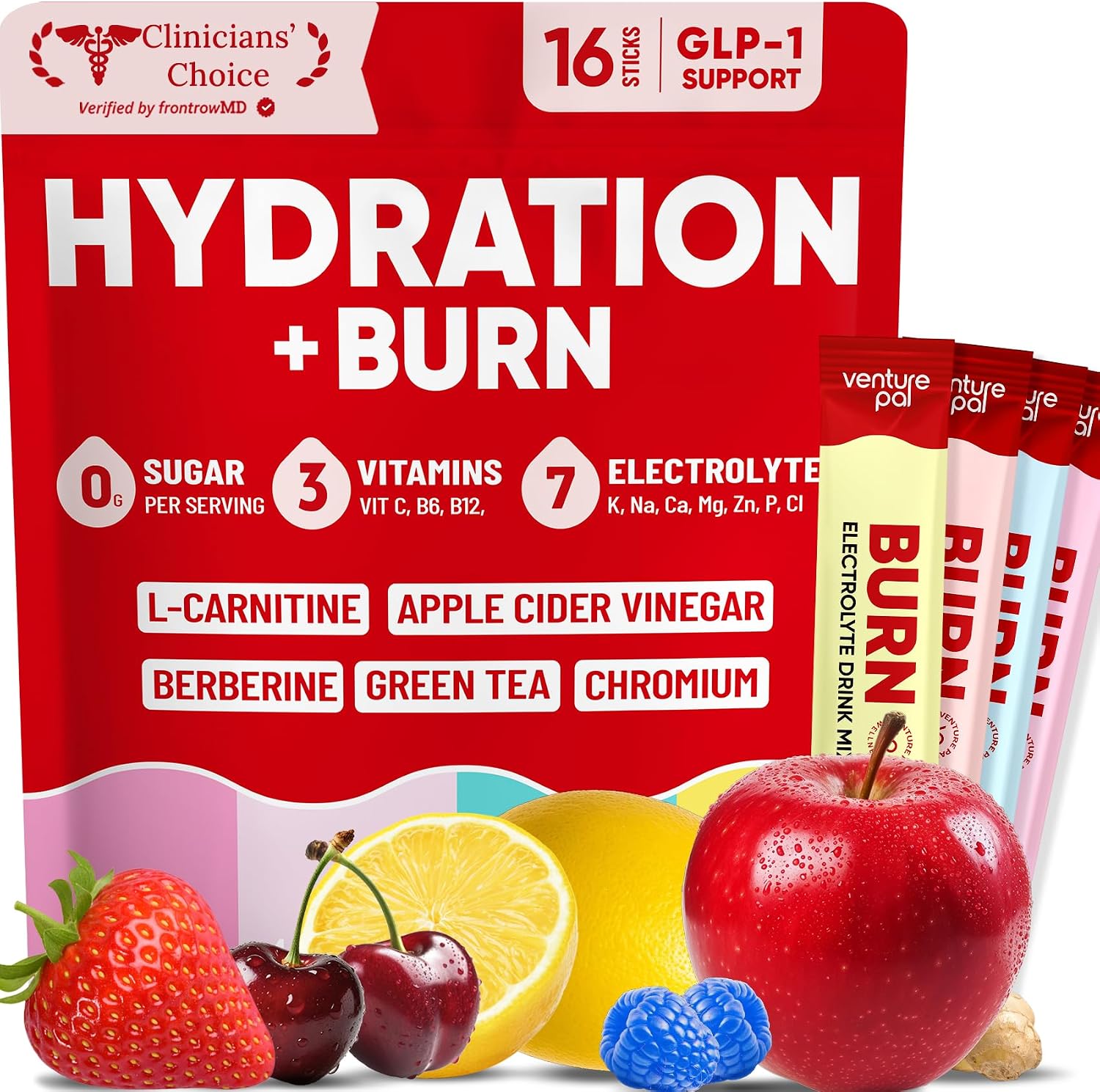
Venture Pal Burn Electrolyte Packets – Sugar Free Hydration with 7 Electrolytes, L-Carnitine, Berberine, ACV & Chromium, Metabolic & Satiety Support, Keto & Vegan, 16 Sticks
$15.99 $19.99
17% OFF
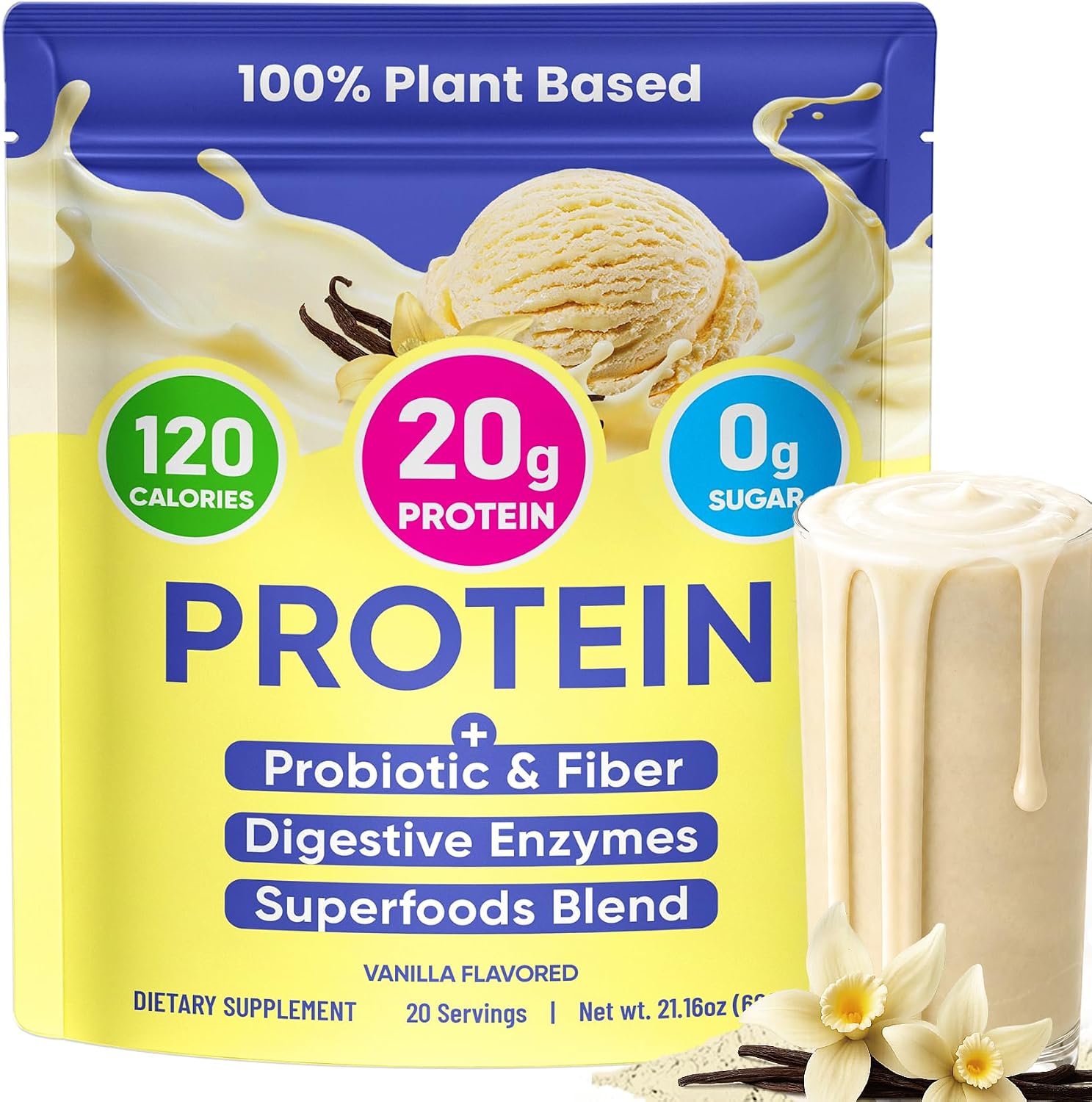
Venture Pal Vegan Protein Powder – 20g Plant Protein with 9B CFU Probiotics, Fiber, Digestive Enzymes & Superfoods, Vanilla, Low Sodium, Keto-Friendly, Gluten & Dairy Free, Non-GMO, 20 Servings
$21.59 $25.99
28% OFF
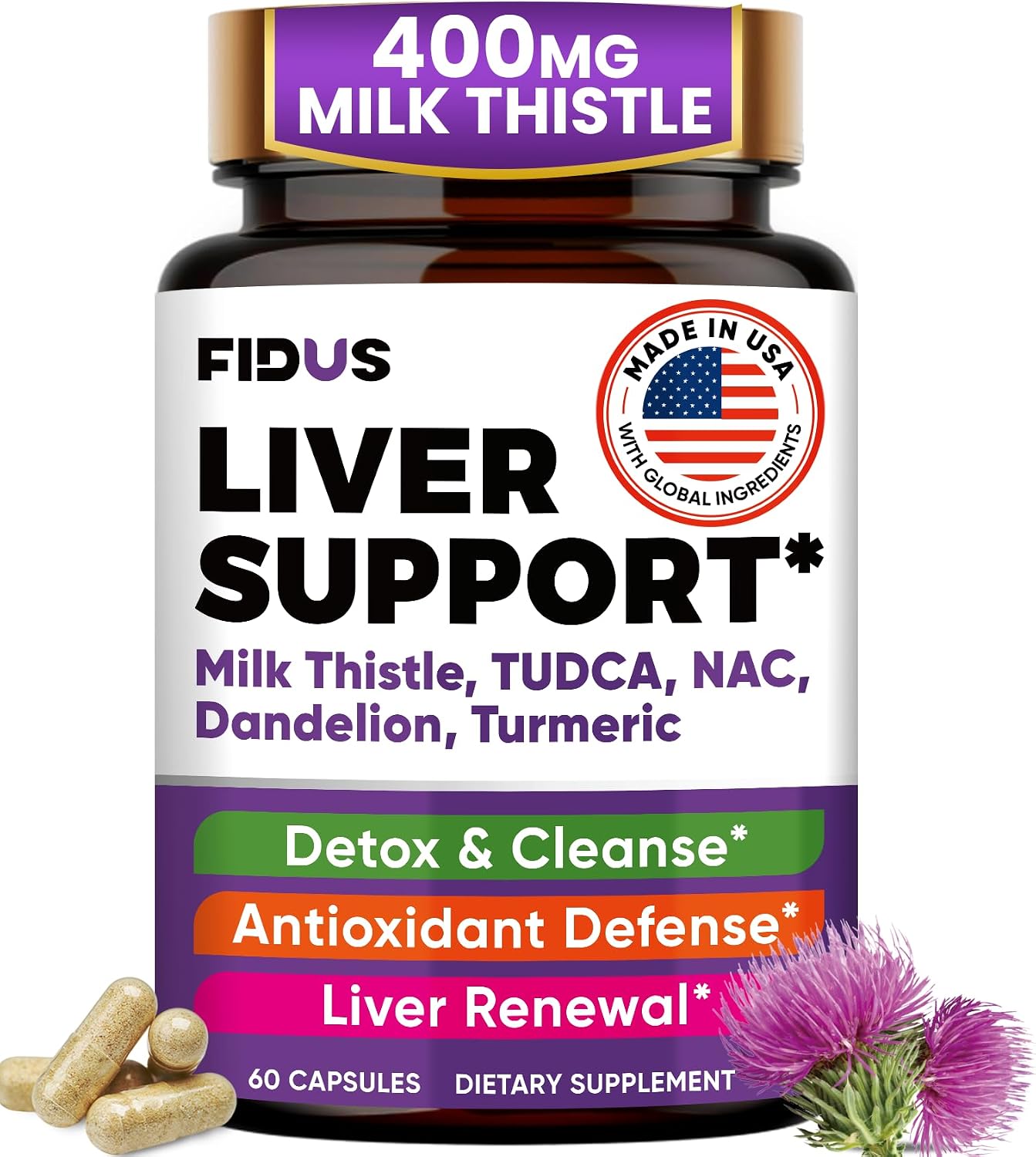
Fidus Liver Cleanse & Repair Supplement – 400mg Milk Thistle (80% Silymarin) with TUDCA, NAC, Turmeric, Artichoke & Dandelion – Liver Support & Digestive Health, 60 Capsules, Made in USA
$14.39 $19.99
50% OFF
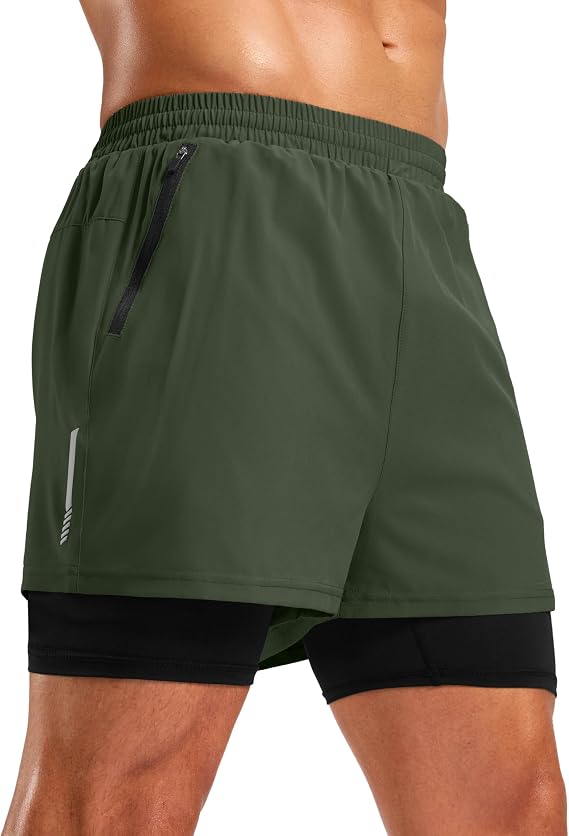
Pudolla Men's 7" Running Shorts with Zipper Pockets – Quick Dry 2-in-1 Workout Gym Shorts with Compression Liner for Tennis, Yoga & Training
$11.99 $23.99
27% OFF
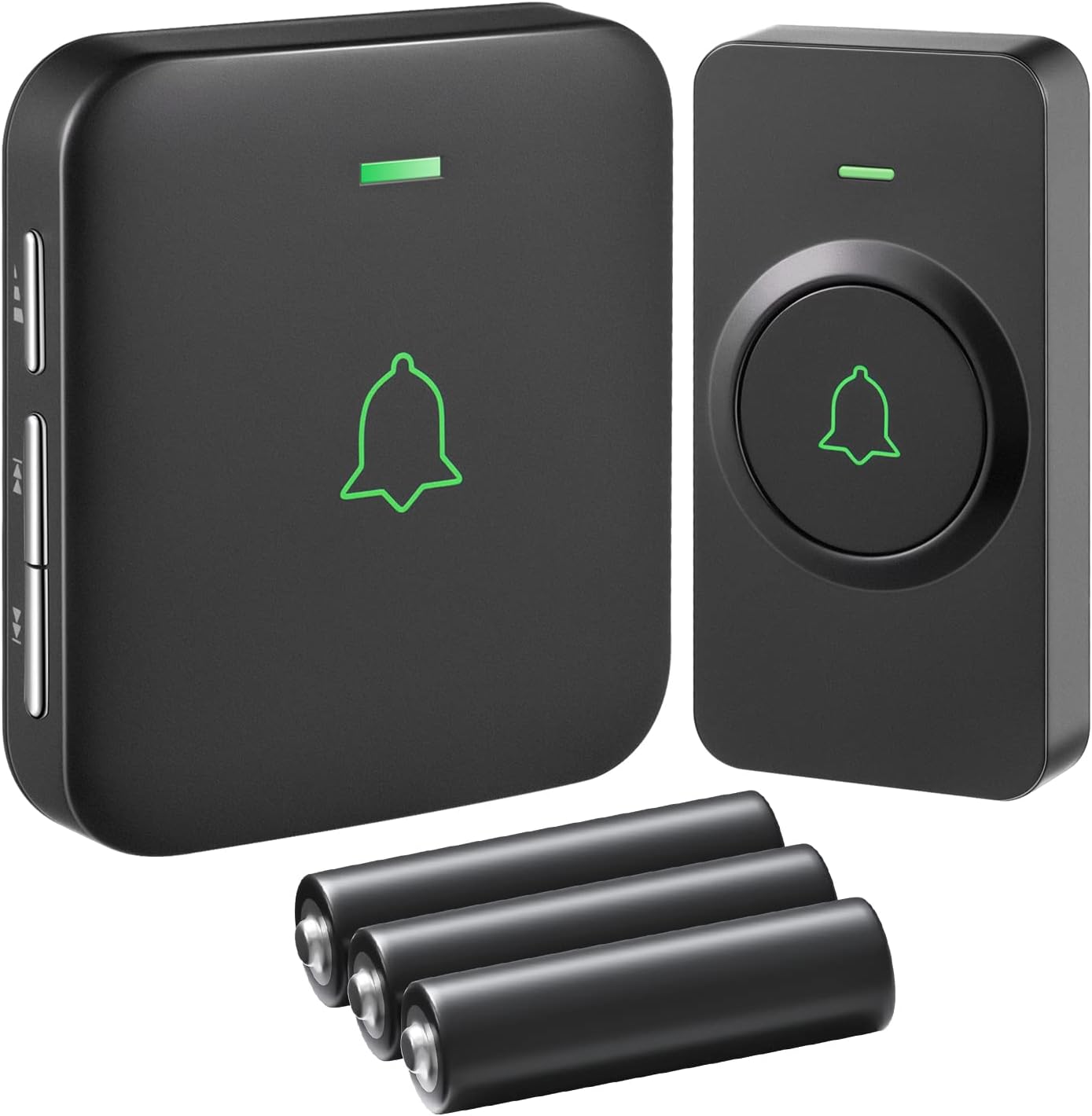
AVANTEK BA-11 Wireless Doorbell Kit (Battery-Powered Receiver, 1000 ft Range)
$13.83 $18.99




-

Why the Church needs to talk about what we wear
-

Canadian family claim Christian grandmother was euthanised against her wishes
-

Family of Christian woman killed in Greece remember her 'kindness' and 'integrity'
-

Instead of going on an expensive guilt trip, why doesn't the Church of England spend £100m on parish vicars?
-

What 'Spider-Man: Brand New Day' teaches us about sacrifice, grace and goodness
-

Over 1,500 queue up for prayer and worship in London despite heatwave
Most Popular
News

Requiem Mass held for Ann Widdecombe at Buckfast Abbey
Family, friends and former colleagues gathered at Buckfast Abbey on Wednesday to bid a final farewell to former MP, broadcaster and author Ann Widdecombe.
Over 100 women received post-abortion counselling in Ireland in early 2026
Over 100 women accessed state-funded post-abortion counselling services in Ireland during the first three months of 2026.
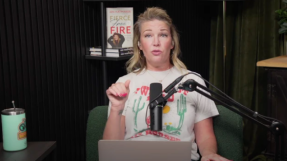
Jen Hatmaker says she no longer believes in Hell
Jen Hatmaker, a prominent progressive Christian influencer and bestselling author who quit attending church last year, now says she no longer believes in Hell.
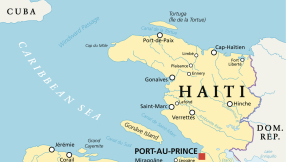
Haitian bishop warns gangs are targeting Church as violence forces parish closures
“We keep praying, singing and dancing,” says one local bishop despite the daily threat of violence.
Vilanva Women's Walking Shoes – Cushioned Lightweight Running Sneakers with Slip-Resistant Sole, Breathable Woven Upper for Everyday Wear & Workouts
$35.09
Rocoren 12-Pack Magnetic Cable Clips – 360° Rotating Cord Organizer with No-Residue Adhesive, Cord Holder for Desk, Nightstand, Wall, Car & Office, White
$6.5
Red Light Therapy Mask for Face – 7-Color LED Silicone Facial Mask, Cordless Rechargeable Skincare Device with 240 LEDs for Home & Travel
$39.99
Men's Slim Fit Polo Shirt – Quick Dry Moisture Wicking, High Elasticity, Athletic Fit Polo for Golf, Tennis, Work & Casual Wear (Runs Small, Size Up)
$6.99
AVANTEK Wireless Doorbell CB-11 – 1000 ft Range, 1 Button + 1 Plug-In Receiver, 115 dB Volume, LED Flash, 52 Chimes, Waterproof, 3-Year Battery
$12.91
Women's Workout Shirts – Bum-Covering Length Short Sleeve Dry Fit Tops, Lightweight & Breathable for Athletic, Hiking, Running & Summer Wear
$6.99
Coostar Men's Casual Dress Sneakers – Lightweight Wingtip Oxford Style with Breathable Knit Upper, Rubber Sole & Slip-On Elastic Collar, Business & Walking Shoe
$22.49
Pudolla Men's Quick Dry Hiking and Golf Shorts with 3 Zipper Pockets
$14.84
Venture Pal Ceremonial Grade Matcha Green Tea Powder – First Harvest, Shade Grown, 100% Pure with No Additives, Unsweetened, Vegan & Gluten-Free, 30g Tin
$7.5
Venture Pal Sugar Free 7g BCAA + EAA Powder – 9 Essential Amino Acids with L-Glutamine, Caffeine, Electrolytes & Vitamins for Muscle Recovery, Growth & Hydration
$14.99
Venture Pal Sugar Free Protein Coffee – Cold Brew Mocha Instant Iced Coffee with MCT Oil, Probiotics, Fiber & 13 Vitamins, 70mg Caffeine, Keto & Gluten-Free, 20 Servings
$13.29
Venture Pal Mushroom Hot Cocoa – Natural Sleep Aid with 12 Superfoods, Melatonin 3mg, Magnesium Glycinate, L-Theanine, Glycine, Lion's Mane, Reishi & Turkey Tail, Bedtime Cocoa Mix, 30 Servings
$23.99
Cortisol Supplement for Women & Men with Ashwagandha & GABA – Magnesium, L-Theanine & Rhodiola, Stress Support for Sleep, Mood & Focus, 60-Day Supply, Made in USA
$15.29
Venture Pal 18-in-1 Creatine for Women – Creatine Monohydrate with Collagen, Myo & D-Chiro Inositol, Electrolytes & Vitamins for Strength, Recovery & Skin Support, Sugar Free, 10.58 oz
$14.99
Venture Pal 1000mg Vitamin C Powder with Zinc & Elderberry – Sugar Free B Complex, 10 Vitamins, Minerals & Electrolytes, Daily Immune & Energy Support Packets, 60 Count
$13.59
Venture Pal Burn Electrolyte Packets – Sugar Free Hydration with 7 Electrolytes, L-Carnitine, Berberine, ACV & Chromium, Metabolic & Satiety Support, Keto & Vegan, 16 Sticks
$15.99
Venture Pal Vegan Protein Powder – 20g Plant Protein with 9B CFU Probiotics, Fiber, Digestive Enzymes & Superfoods, Vanilla, Low Sodium, Keto-Friendly, Gluten & Dairy Free, Non-GMO, 20 Servings
$21.59
Fidus Liver Cleanse & Repair Supplement – 400mg Milk Thistle (80% Silymarin) with TUDCA, NAC, Turmeric, Artichoke & Dandelion – Liver Support & Digestive Health, 60 Capsules, Made in USA
$14.39
Pudolla Men's 7" Running Shorts with Zipper Pockets – Quick Dry 2-in-1 Workout Gym Shorts with Compression Liner for Tennis, Yoga & Training
$11.99
AVANTEK BA-11 Wireless Doorbell Kit (Battery-Powered Receiver, 1000 ft Range)
$13.83