
When Taiwan votes for a new president on Saturday, many will likely ignore pro-independence rhetoric in favour of bread-and-butter economic issues.
Stagnating wages, rising inflation and a widening wealth gap have taken centre stage as election issues over Taiwan's fragile ties with China, which sees the island a renegade province and has never renounced the use of force to bring it under its fold.
Taiwan's more than 17 million voters hope the next president will promote warmer ties with China, which could boost jobs and investment and help cushion the island from the impact of a weakening U.S. economy.
The Taiwan dollar already reflects such optimism. It has rallied strongly since the opposition Nationalist Party (KMT), seen as more pro-China than the ruling Democratic Progressive Party (DPP), won a landslide victory in legislative elections in January.
The presidential race comes down to Ma Ying-jeou of the KMT, a former mayor of Taipei, who has promised to fulfil ambitious growth targets, and Frank Hsieh of the DPP, who has sketchier economic plans.
The KMT favours closer trade ties with China than the incumbent and independence-leaning ruling party. It wants to relax various restrictions on business with China, boost flights across the Taiwan Strait and open the island to more Chinese tourists, believing such moves will breath life into the economy.
"On the whole, Ma Ying-jeou has a more rounded economic agenda," said Tony Phoo, an economist at Standard Chartered Bank in Taipei. "Hsieh is trying to focus on the quality of the economy so he's not quantifying it."
Many blame incumbent President Chen Shui-bian for neglecting the economy and putting too much focus on fiery language during his eight years in power, which rattled investor confidence and slowed economic reform.
Analysts say a win for either candidate on March 22 should usher closer trade ties with China, Taiwan's top trading partner.
But the KMT's Ma had a significant lead over his rival in opinion polls conducted by local media last week.
"This election is a wake-up call for the new president to pay more attention to economic issues," said George Hou, president of JPMorgan Asset Management.
FATTENING TAIWANESE WALLETS
Ma has proposed a plan known as "633", which is to achieve economic growth of 6 percent, a jobless rate of 3 percent and per capita GDP of $30,000. Ma hopes his China platform will help him hit the targets.
With Taiwan's economic growth averaging 4.9 percent over the past 5 years, several analysts said a 4 to 5 percent target would have been more realistic over the next few years as the world economy, hit by the credit crisis, looks set for a slowdown.
Standard Chartered's Phoo said that lowering the jobless rate below its current level at about 4 percent, relatively high compared with a decade ago, would be difficult without boosting employment in the services sector.
Many factories have moved production to lower-cost locations outside Taiwan and critics say government spending has been minimal in recent years, fostering a sense of a widening income gap and lack of jobs.
Grace Ng, an economist at JPMorgan, said Taiwan need not look too far to see how closer ties with China would likely benefit the economy. Hong Kong's GDP growth accelerated to about 7-8 percent after it signed a trade pact with China in 2004.
Ma also plans to spend T$4 trillion (65.5 billion pounds) over 8 years on 12 infrastructure projects to pump prime the economy.
Liang Kuo-yuan, president at Polaris Research Institute, noted the growing influence of China on Taiwan's fortunes.
"KMT's 633 pledge will be impossible without China's enormous market, and for Hsieh, a more conservative approach will not go down well with voters, especially since cross-strait ties are increasingly intertwined," he said.
Hsieh wants a "prosperous economy", with his policies based on a "golden triangle" of sustainable development, economic prosperity and social justice.
Ma and Hsieh have proposed expanding trade, from banking to tourism, including allowing more Chinese tourists to visit.
Taiwan will need to build more shopping malls and hotels, which will create jobs in services and construction and in turn lift domestic consumption and wages.
Taiwan's stock market rallied after the legislative election, but has since weakened with stock markets globally, while the Taiwan dollar is up 5.5 percent this year.
"Financial markets overall do think that at this point in time, opening up of cross-strait links is the most crucial factor going ahead," economist Ng said.
49% OFF
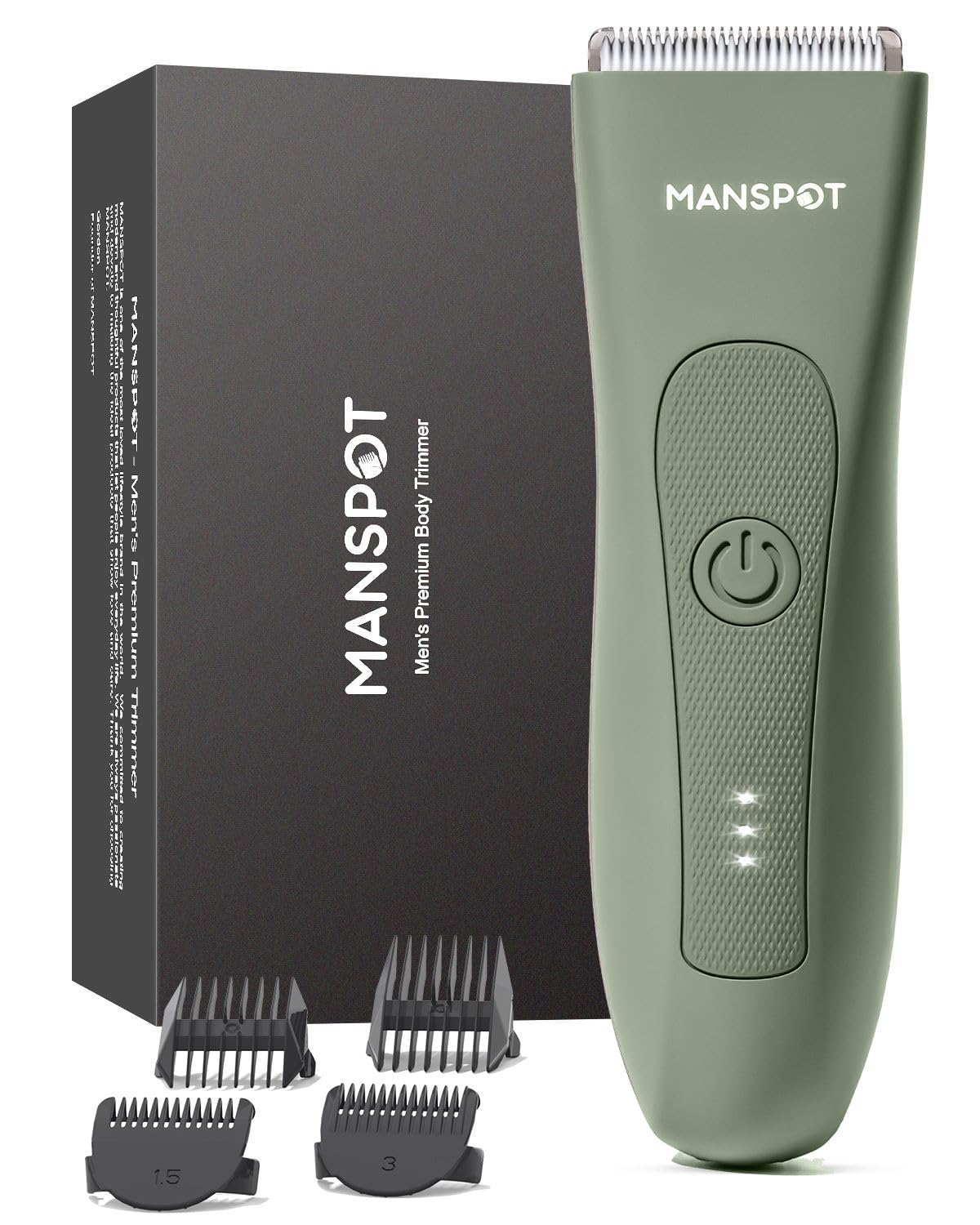
MANSPOT Electric Pubic Hair Trimmer - Waterproof Body and Groin Shaver for Men and Women (Black)
$20.39 $40
25% OFF
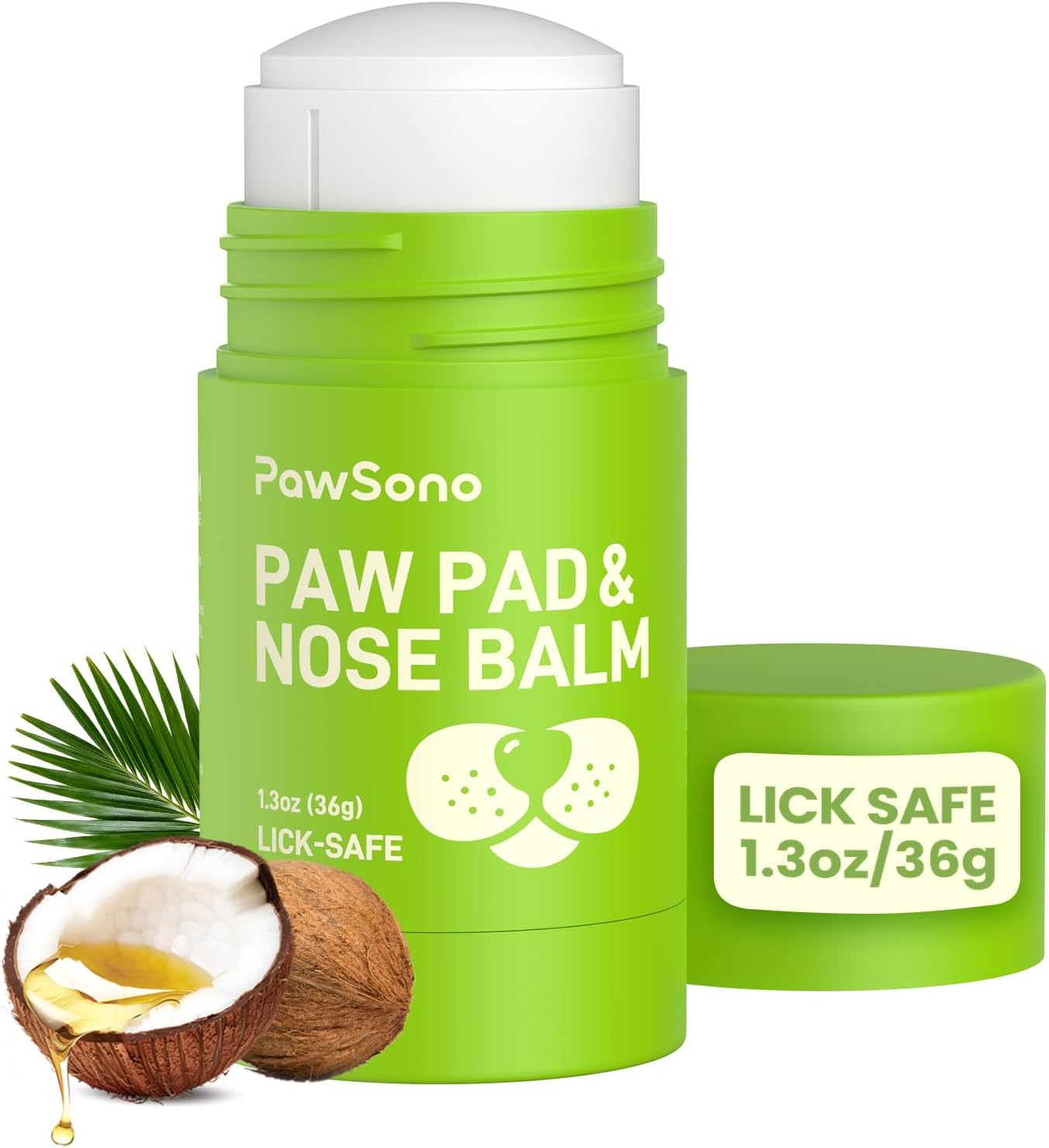
Lick-Safe Dog Paw and Nose Balm Stick - All-Natural Moisturizer with Coconut Oil for Dry, Cracked Pads and Snout
$11.69 $15.59
77% OFF
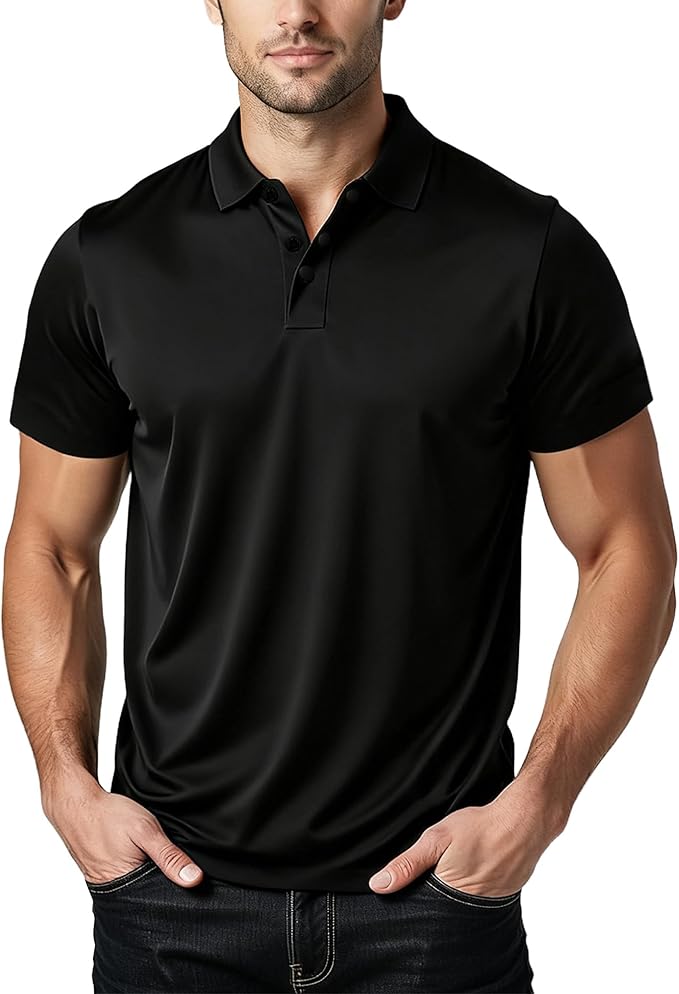
Men's Quick Dry Moisture Wicking Polo Shirt - High Elasticity Slim Fit Athletic Top (Runs Small)
$6.99 $29.99
46% OFF
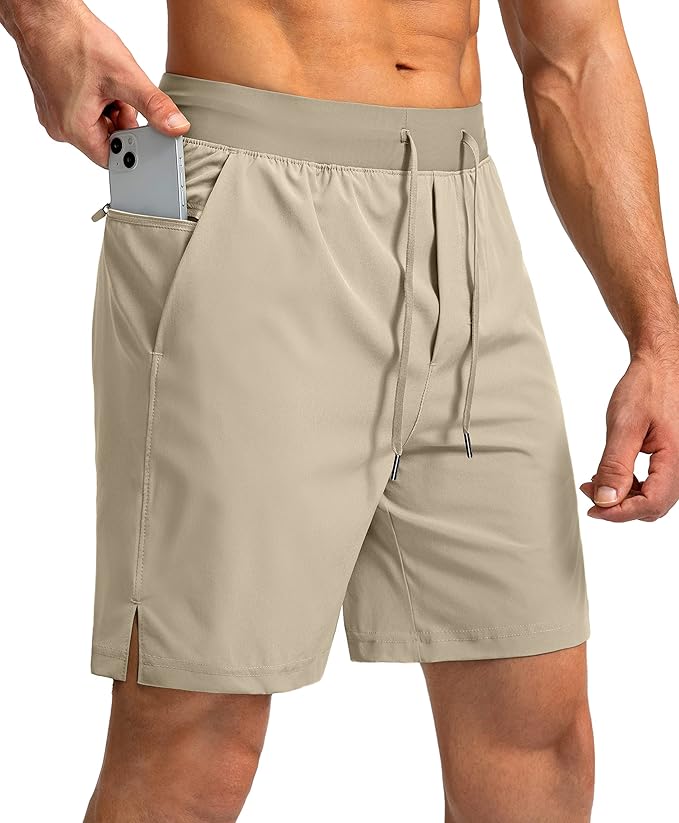
Men's Running Shorts with Zipper Pockets - Lightweight, Quick-Dry, Multi-Sport
$12.95 $23.99
50% OFF
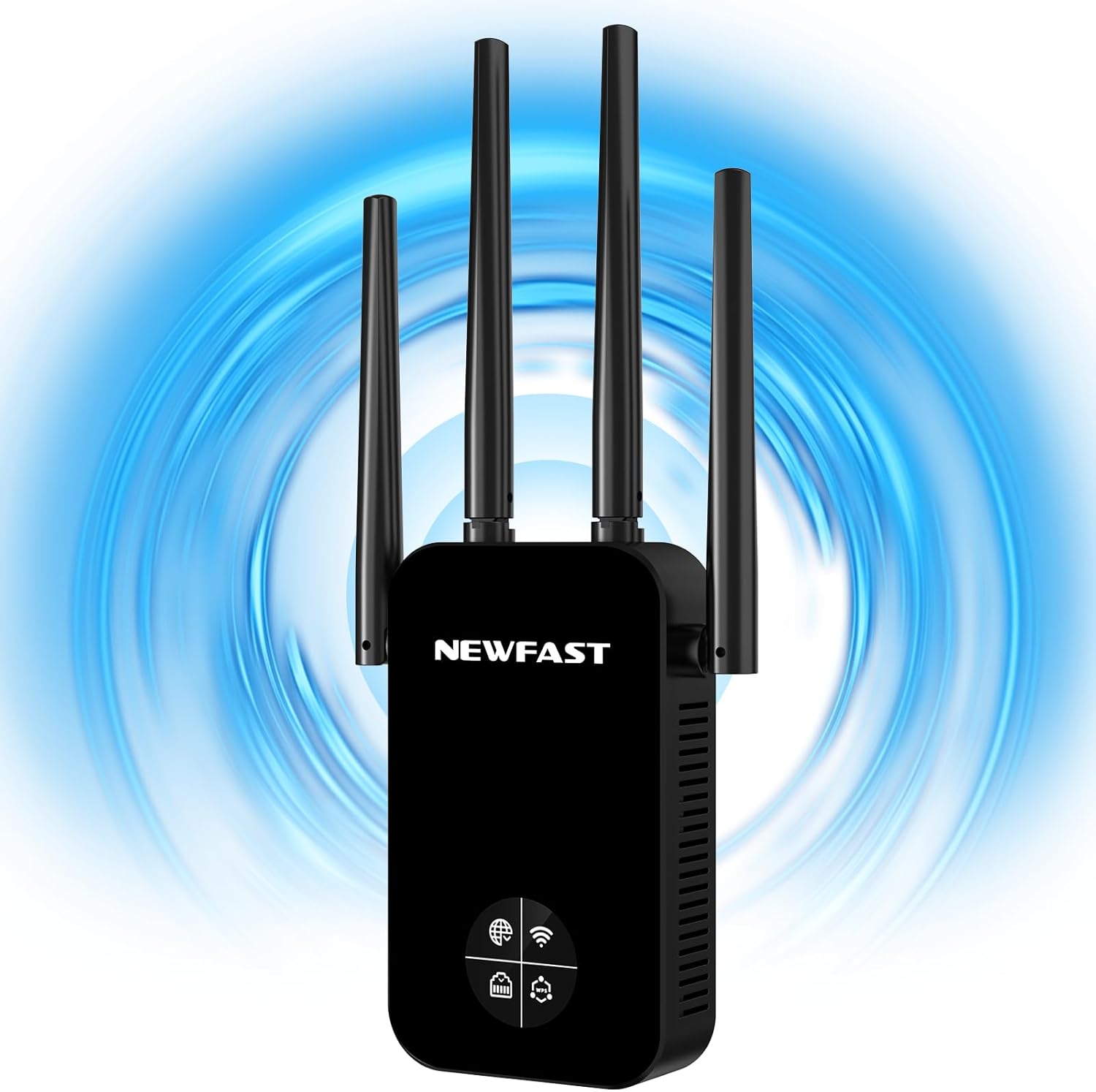
NEWFAST NF-RE523 AC1200 WiFi Extender - 1200Mbps Dual Band Signal Booster & Internet Repeater
$18.5 $36.99
48% OFF
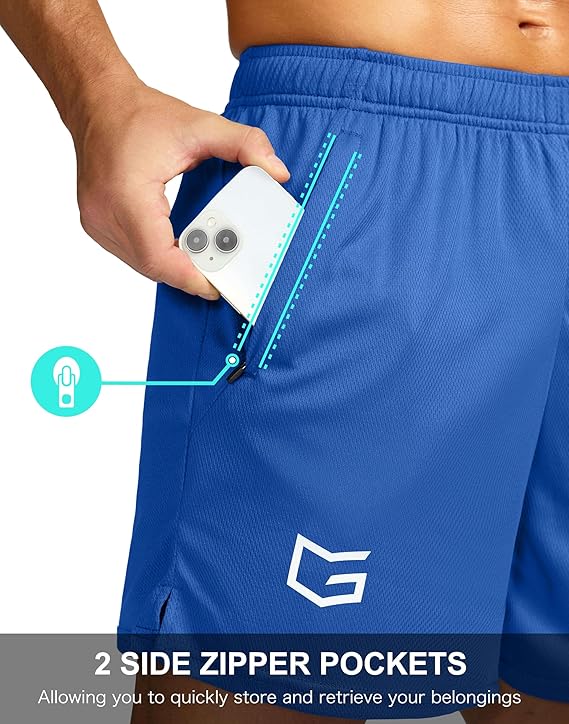
G Gradual Men's 7-inch Workout Running Shorts - Lightweight, Quick-Dry, Comfort
$12.91 $24.99
30% OFF
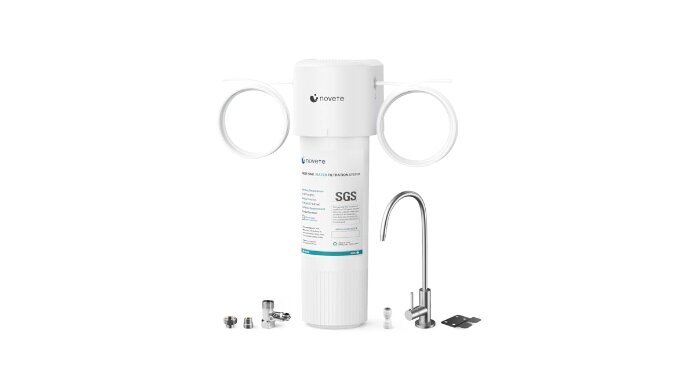
NOVETE Under Sink Water Filter - 3 Years, 30,000 Gallons, High-Efficiency Filtration
$41.99 $59.99
50% OFF

HDPE All-Weather Adirondack Chair with Built-In Cup Holder - Tool-Free Assembly (Grey)
$69.99 $139.99
60% OFF

HOMETUK Clear Plastic Storage Bins with Dividers - 3-Pack Stackable Acrylic Organizer Containers for Fridge and Pantry
$19.99 $49.99
58% OFF

G Gradual Men's Fishing Shirt - UPF 50+ Lightweight Short Sleeve Button Down with Zipper Pockets
$14.99 $35.99
55% OFF

Everyfun 60" Rectangular Platform Tree Swing - 700lbs Heavy Duty Adjustable Outdoor Swing (Colorful)
$49.99 $110.99
61% OFF

Ekouaer Women's Casual Loose Jumpsuit - One-Piece Printed Sleeveless Wide Leg Romper with Pockets
$14.99 $37.99
36% OFF

Men's Athletic Running Shorts with Zipper Pockets - Lightweight & Quick Dry
$12.74 $19.99
61% OFF

Modern Ceiling Fan with Light and Remote - Reversible Quiet DC Motor
$69.3 $179.99
50% OFF

MOOKA H13 True HEPA Air Purifier for Home Large Room - 1076 sq ft Odor Eliminator
$39.97 $79.95
40% OFF
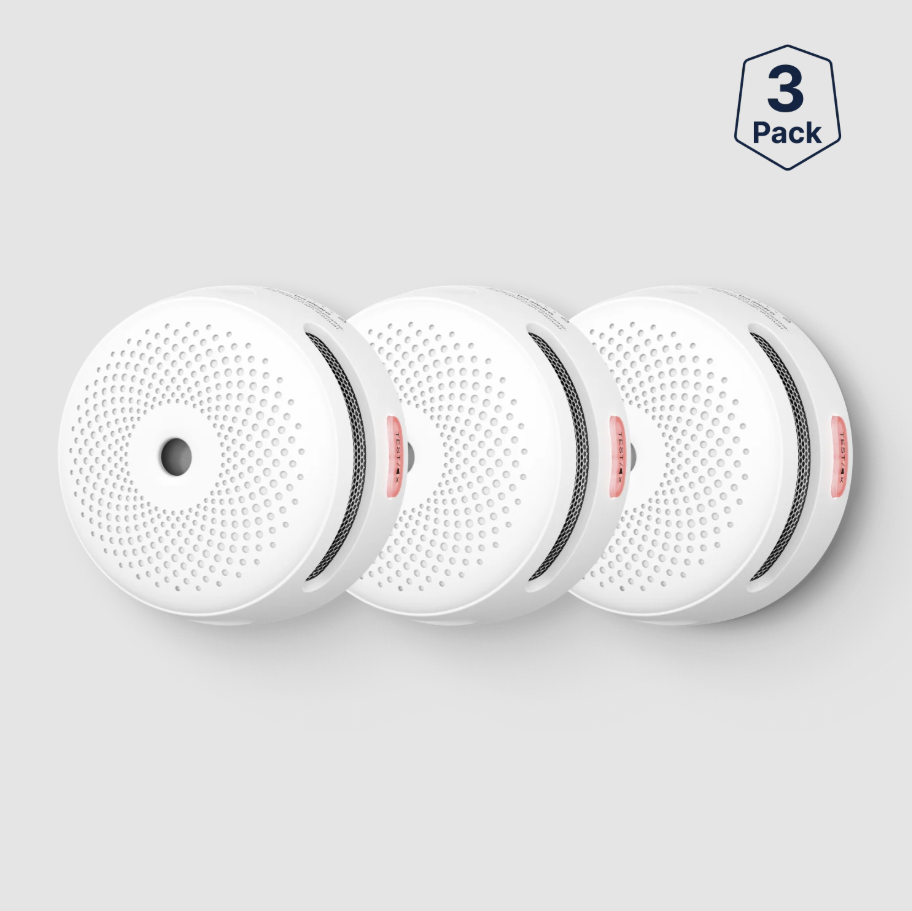
X-Sense XS01-WX Smart Smoke Alarm - 2.4 GHz Wi-Fi Photoelectric Fire Detector with Mobile App Alerts
$65.99 $109.99
11% OFF

VitaUp Beet Root Gummies with CoQ10 & Grape Seed - Nitric Oxide Circulation Support (60 Count)
$24.91 $27.91

Sealy 2-Pack Tritech 16" Twin Inflatable Air Mattress with Built-in AC Pump
$0 $113.99
20% OFF

INTEX Prism Frame 20ft x 52in Above Ground Pool Set - Round Steel Frame Swimming Pool
$695.99 $869.99

Gardner Pet 43" Heavy Duty Dog Crate with Wheels - Indestructible Folding Metal Cage (Black)
$0 $149.99




-

Anti-Christian hate crimes across Europe surge in May as arson attacks reach 2026 high
-

Belfast churches 'heartbroken' over unrest
-

Churches must disciple well and listen well in response to rise of Christian nationalism
-

Welsh reverend speaks of culture of fear over LGBT issues
-

South Wales Police back down on imposing Islamic 'blasphemy law'
-

Making cohabitation equal with marriage is 'unfair', Christians argue
Most Popular
News

Kyiv’s Dormition Cathedral badly damaged in major Russian strikes on Ukrainian capital
Kyiv’s historic Dormition Cathedral, part of the UNESCO-listed Pechersk Lavra monastery complex, caught fire overnight after a wave of Russian missile and drone strikes on the Ukrainian capital.

New attempt to revive assisted suicide bill faces opposition
Fresh attempts to make assisted suicide legal have been met with disappointment by opponents.

Anti-Christian hate crimes across Europe surge in May as arson attacks reach 2026 high
Anti-Christian incidents across Europe rose sharply in May, with new figures showing the highest monthly number of arson-related attacks recorded so far this year.

Gloucester churches come together to bless River Avon amid pollution concerns
It is part of a broader campaign against river pollution as concerns remain about the amount of untreated sewage in the Avon.
MANSPOT Electric Pubic Hair Trimmer - Waterproof Body and Groin Shaver for Men and Women (Black)
$20.39
Lick-Safe Dog Paw and Nose Balm Stick - All-Natural Moisturizer with Coconut Oil for Dry, Cracked Pads and Snout
$11.69
Men's Quick Dry Moisture Wicking Polo Shirt - High Elasticity Slim Fit Athletic Top (Runs Small)
$6.99
Men's Running Shorts with Zipper Pockets - Lightweight, Quick-Dry, Multi-Sport
$12.95
NEWFAST NF-RE523 AC1200 WiFi Extender - 1200Mbps Dual Band Signal Booster & Internet Repeater
$18.5
G Gradual Men's 7-inch Workout Running Shorts - Lightweight, Quick-Dry, Comfort
$12.91
NOVETE Under Sink Water Filter - 3 Years, 30,000 Gallons, High-Efficiency Filtration
$41.99
HDPE All-Weather Adirondack Chair with Built-In Cup Holder - Tool-Free Assembly (Grey)
$69.99
HOMETUK Clear Plastic Storage Bins with Dividers - 3-Pack Stackable Acrylic Organizer Containers for Fridge and Pantry
$19.99
G Gradual Men's Fishing Shirt - UPF 50+ Lightweight Short Sleeve Button Down with Zipper Pockets
$14.99
Everyfun 60" Rectangular Platform Tree Swing - 700lbs Heavy Duty Adjustable Outdoor Swing (Colorful)
$49.99
Ekouaer Women's Casual Loose Jumpsuit - One-Piece Printed Sleeveless Wide Leg Romper with Pockets
$14.99
Men's Athletic Running Shorts with Zipper Pockets - Lightweight & Quick Dry
$12.74
Modern Ceiling Fan with Light and Remote - Reversible Quiet DC Motor
$69.3
MOOKA H13 True HEPA Air Purifier for Home Large Room - 1076 sq ft Odor Eliminator
$39.97
X-Sense XS01-WX Smart Smoke Alarm - 2.4 GHz Wi-Fi Photoelectric Fire Detector with Mobile App Alerts
$65.99
VitaUp Beet Root Gummies with CoQ10 & Grape Seed - Nitric Oxide Circulation Support (60 Count)
$24.91
Sealy 2-Pack Tritech 16" Twin Inflatable Air Mattress with Built-in AC Pump
$0
INTEX Prism Frame 20ft x 52in Above Ground Pool Set - Round Steel Frame Swimming Pool
$695.99
Gardner Pet 43" Heavy Duty Dog Crate with Wheels - Indestructible Folding Metal Cage (Black)
$0