
In Khartoum, the capital city of Sudan, it is hard for Christians to have their own place - even after they have died. The city's Christian cemetery, which has been turned into a sales park for second hand cars, illustrates well the challenges faced by the minority Christian community in the northern, predominantly Muslim part of the country.
The main - and only 'official' - Christian cemetery in this city of about 8 million inhabitants occupies 1,6 hectare of land given to the Khartoum churches with that purpose by the former vice president Abel Alier in 1975. The Sudan Council of Churches (SCC) holds the property rights on behalf of its member churches.
In order to make a rational use of the space, the premises were divided in two halves and graves were allowed only in one of them. The plan was to start using the second half of the terrain once the capacity of the first one would reach its limit - which is going to happen soon.
But in November 2007, the vacant part of the cemetery was occupied by intruders who set up shop and started to operate a livestock market. "Can you imagine?" - asks Rev Peter Tibi, the general secretary of the SCC - "animals were being sold at a venue which by nature is a holy ground".
After the initial, strong protest of the church leadership, the livestock market was removed from the premises and now takes place a few blocks away. But the goats and sheep were soon replaced - by used cars. The wide, flat area seemed to the traders to make an excellent venue for both car exhibition and test driving.
The illegal occupation of the Christian cemetery was one of the issues raised on 27 March, when the minister of guidance and endowment, Hassan El Tighani, received an international ecumenical team of church representatives led by the World Council of Churches (WCC) General Secretary Rev Dr Samuel Kobia. The group was accompanied by leaders of the SCC, which hosted the visit.
"I was shocked when I learnt that a livestock market was profaning a place that should be sacred", Kobia told the minister, urging for a speedy solution of the problem. Tighani said he shared the concern and assured the delegation of his commitment to follow up on the issue at the council of national ministers.
The ecumenical group visiting the country's capital was one of four teams travelling to different regions, including Darfur, Rumbek and Yambio. Taking place from 26 March to 2 April, the eight-day solidarity visit to churches and ecumenical organizations in Sudan included a three-day conference of church leaders, women and youth in Juba, the capital of Southern Sudan.
Taking place nearly half way through the interim period established by the 2005 Comprehensive Peace Agreement, which ended a devastating 21-year civil war between north and south that left 2 million dead and 4 million displaced persons, the visit was welcomed by the SCC as arriving "at the right time in the history of Sudan".
It allowed representatives of the worldwide ecumenical family to learn about the hopes, joys and sorrows of the Sudanese churches, which, in their own words, face "tremendous tasks and challenges". While some of these derive from the post-war situation, as well as from the ongoing armed conflict in the western Darfur region, others have their roots in the condition of religious minority in which the churches live in the northern, predominantly Muslim part of the country.
Christians in Sudan amount to around 17 per cent of the estimated 39 million population, but their distribution is not uniform. Most of them, perhaps 90 per cent, live in the southern part of the country, while they are much fewer in the north. The SCC has 14 member churches, including the Roman Catholic and Episcopal churches, as well as Orthodox, Protestant, Pentecostal and African Instituted churches. The evangelical body is the Sudan Evangelical Christian Association, which is affiliated with the World Evangelical Alliance. Besides Muslims and Christians, there also are some 10 per cent of believers of African traditional religions.
As part of their condition of religious minority, Sudanese churches face sometimes insurmountable difficulties to obtain a piece of terrain in which to build facilities. Some have even seen temples confiscated from them by either the national government or the government of the Khartoum state.
"It took me about 10 years to get my own plot; this is just normal when it comes to land property in Sudan", Tighani told the ecumenical delegation. Nonetheless, he affirmed that his office was intervening in some cases to help advance the cumbersome procedures. He also said some mosques had equally been expropriated by the city's ministry of development.
The issue of the car sales on Khartoum's Christian cemetery featured prominently also in discussions held by the ecumenical delegation with the Special Commission for the Rights of Non-Muslims in the National Capital.
With a name in which 'Non-Muslims' is a euphemism for 'Christians', the commission is a body established by the country's interim Constitution with an advisory role to the president Omar El Bashir. Half of the commission members are Christians and half are Muslims. It mainly deals with issues derived of the implementation of the Sharia, the Islamic religious law, in regard to Christians.
"The livestock market operating within the premises was very insulting", acknowledged the secretary general of the commission, Abdul-Majeed Khojali, who is a Muslim. The commission's Christian president, Joshua Dau Diu, assured the ecumenical visitors that the issue was not "a concern only for Christians, as the Muslim members of the body had seriously protested the situation". But why the problem is not solved remains "a mystery", Dau said.
Mystery or not, the issue is testing the scope and strength of the "coexistence" between Muslims and Christians, for which the Sudan Interreligious Council has been working since 2002. An independent NGO, the Council has been concerned with the issue of the Christian cemetery amongst others. "We play our role with a low profile, but we have managed to be very effective is some cases", said Dr Faruk Bushra, the Council's general secretary.
"However, the issue is being taken lightly by the authorities", Tibi says. He fears people in the churches might be considering to take action by themselves. "God has not stopped people from dying and they need to be buried. Time and patience are running out."
49% OFF
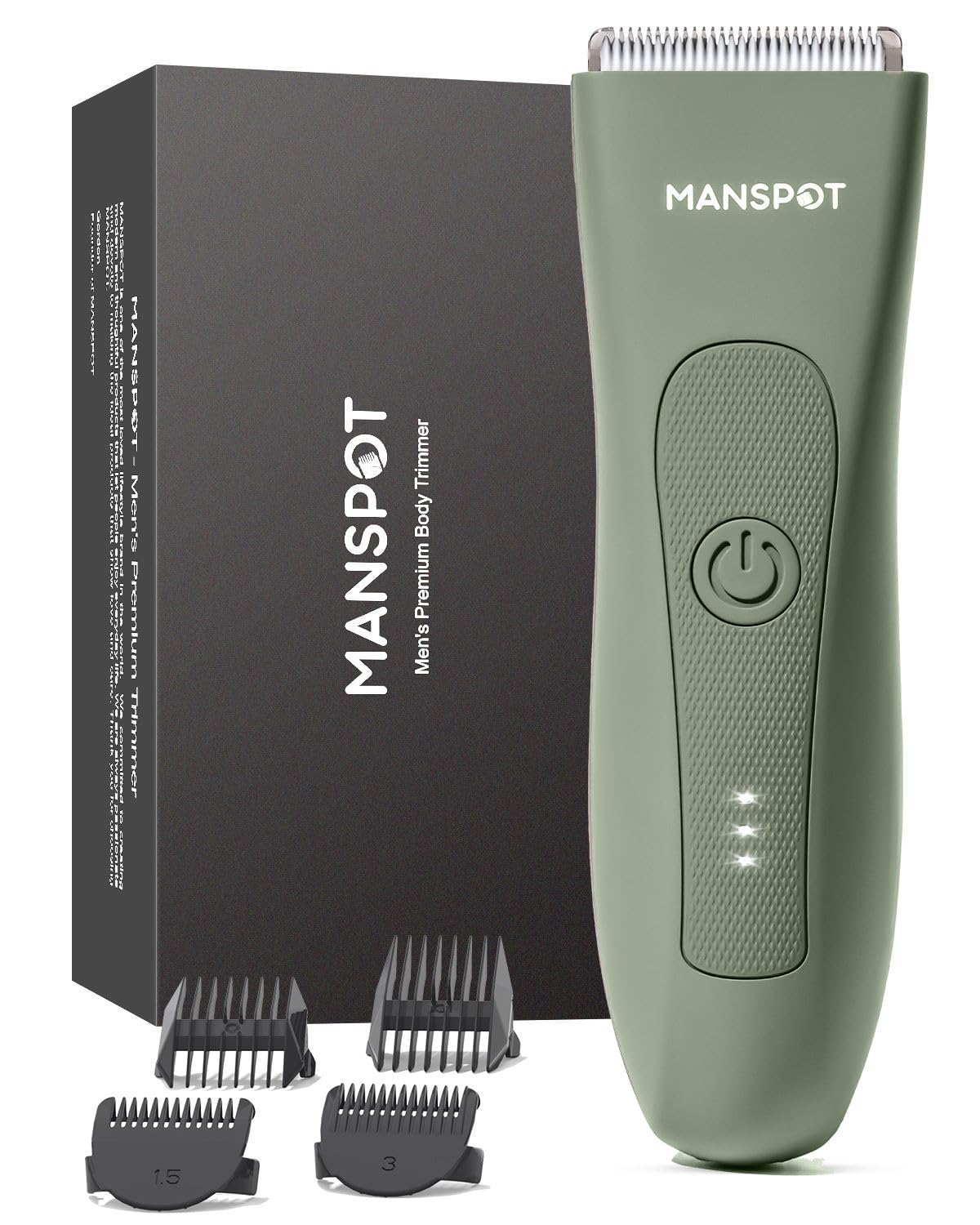
MANSPOT Electric Pubic Hair Trimmer - Waterproof Body and Groin Shaver for Men and Women (Black)
$20.39 $40
25% OFF
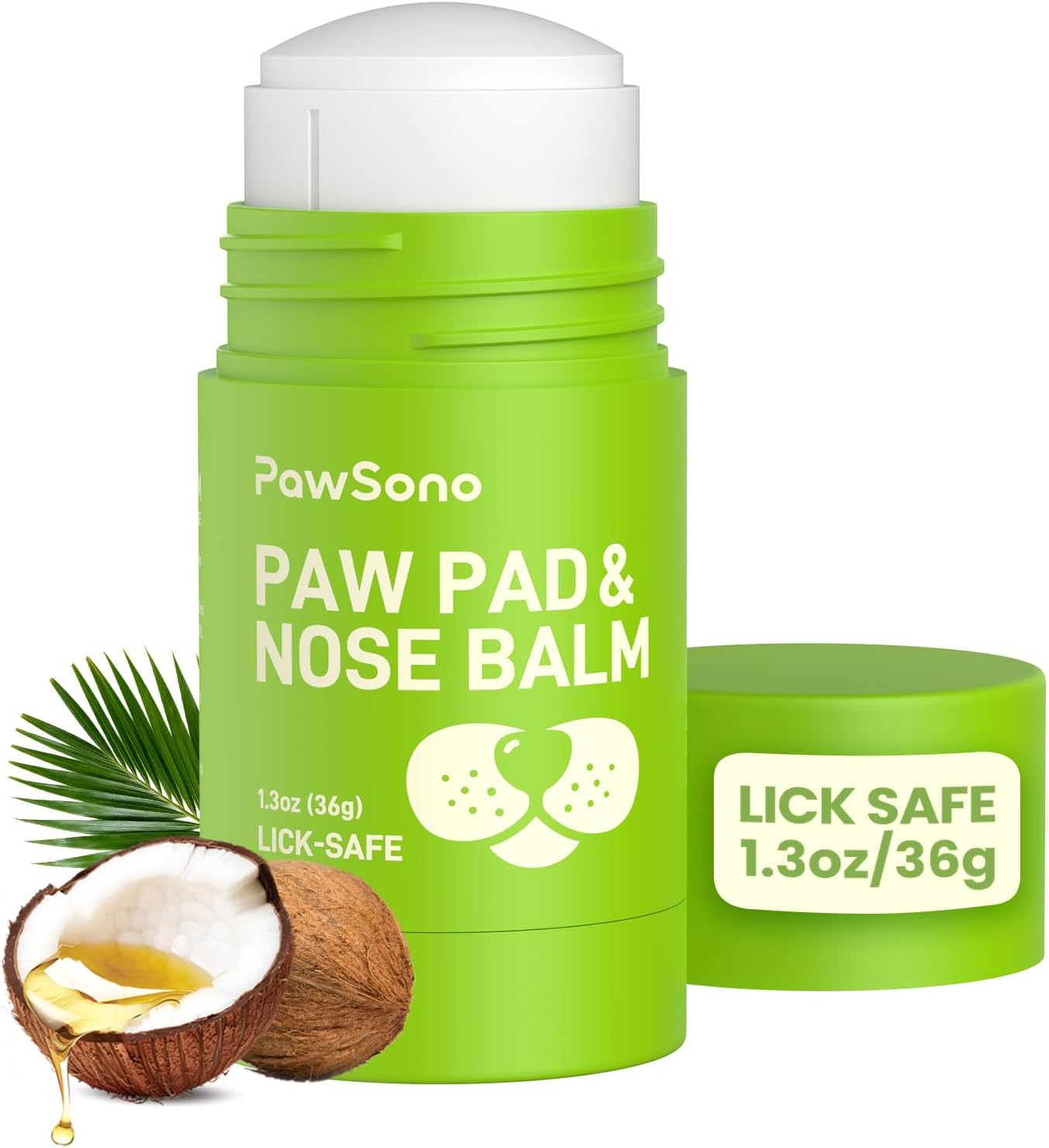
Lick-Safe Dog Paw and Nose Balm Stick - All-Natural Moisturizer with Coconut Oil for Dry, Cracked Pads and Snout
$11.69 $15.59
77% OFF
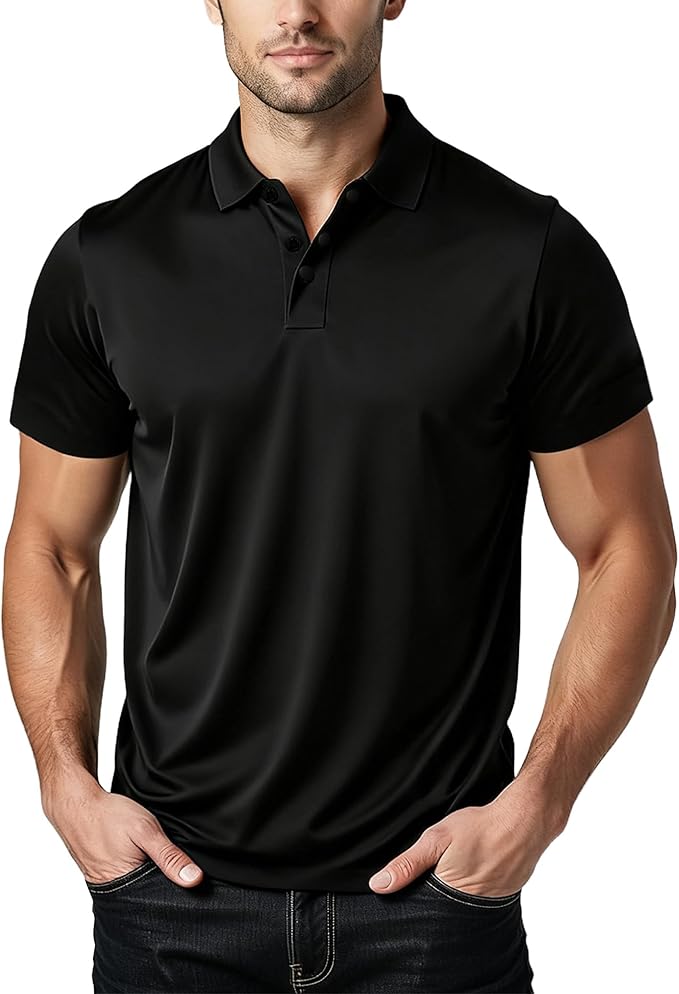
Men's Quick Dry Moisture Wicking Polo Shirt - High Elasticity Slim Fit Athletic Top (Runs Small)
$6.99 $29.99
46% OFF
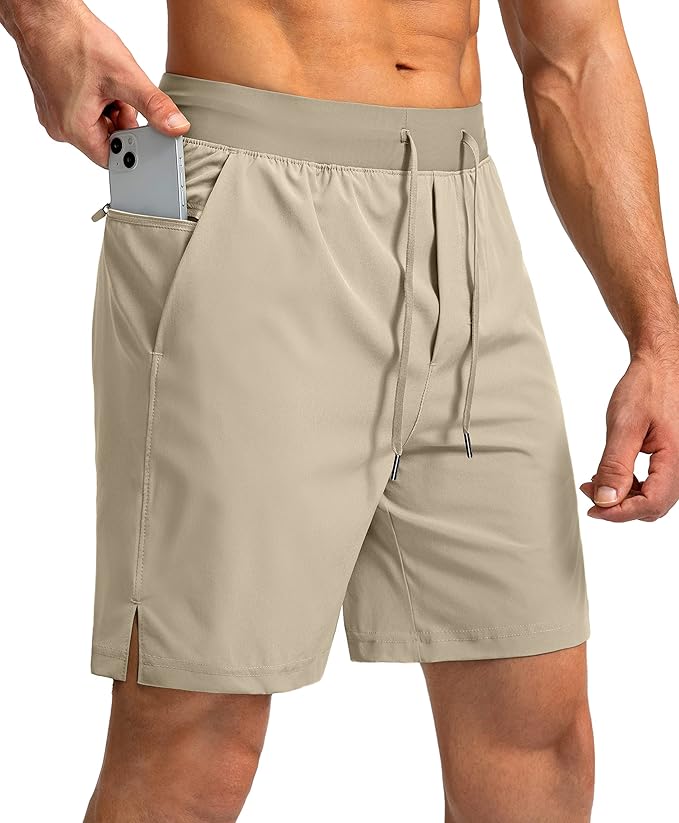
Men's Running Shorts with Zipper Pockets - Lightweight, Quick-Dry, Multi-Sport
$12.95 $23.99
50% OFF

NEWFAST NF-RE523 AC1200 WiFi Extender - 1200Mbps Dual Band Signal Booster & Internet Repeater
$18.5 $36.99
48% OFF
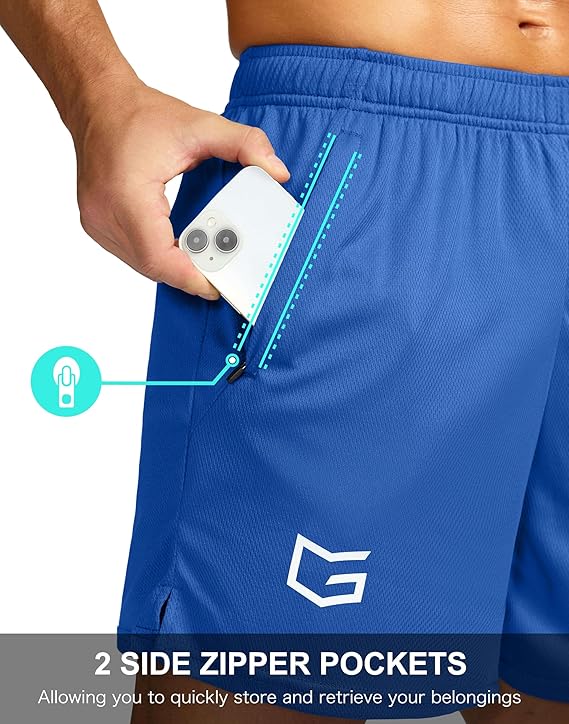
G Gradual Men's 7-inch Workout Running Shorts - Lightweight, Quick-Dry, Comfort
$12.91 $24.99
30% OFF
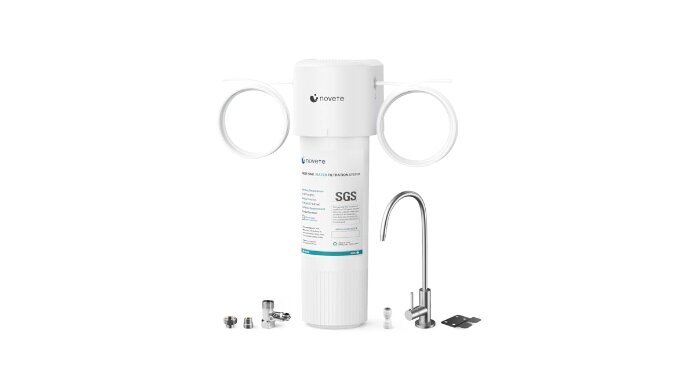
NOVETE Under Sink Water Filter - 3 Years, 30,000 Gallons, High-Efficiency Filtration
$41.99 $59.99
50% OFF

HDPE All-Weather Adirondack Chair with Built-In Cup Holder - Tool-Free Assembly (Grey)
$69.99 $139.99
60% OFF

HOMETUK Clear Plastic Storage Bins with Dividers - 3-Pack Stackable Acrylic Organizer Containers for Fridge and Pantry
$19.99 $49.99
58% OFF

G Gradual Men's Fishing Shirt - UPF 50+ Lightweight Short Sleeve Button Down with Zipper Pockets
$14.99 $35.99
55% OFF

Everyfun 60" Rectangular Platform Tree Swing - 700lbs Heavy Duty Adjustable Outdoor Swing (Colorful)
$49.99 $110.99
61% OFF

Ekouaer Women's Casual Loose Jumpsuit - One-Piece Printed Sleeveless Wide Leg Romper with Pockets
$14.99 $37.99
36% OFF

Men's Athletic Running Shorts with Zipper Pockets - Lightweight & Quick Dry
$12.74 $19.99
61% OFF

Modern Ceiling Fan with Light and Remote - Reversible Quiet DC Motor
$69.3 $179.99
50% OFF

MOOKA H13 True HEPA Air Purifier for Home Large Room - 1076 sq ft Odor Eliminator
$39.97 $79.95
40% OFF
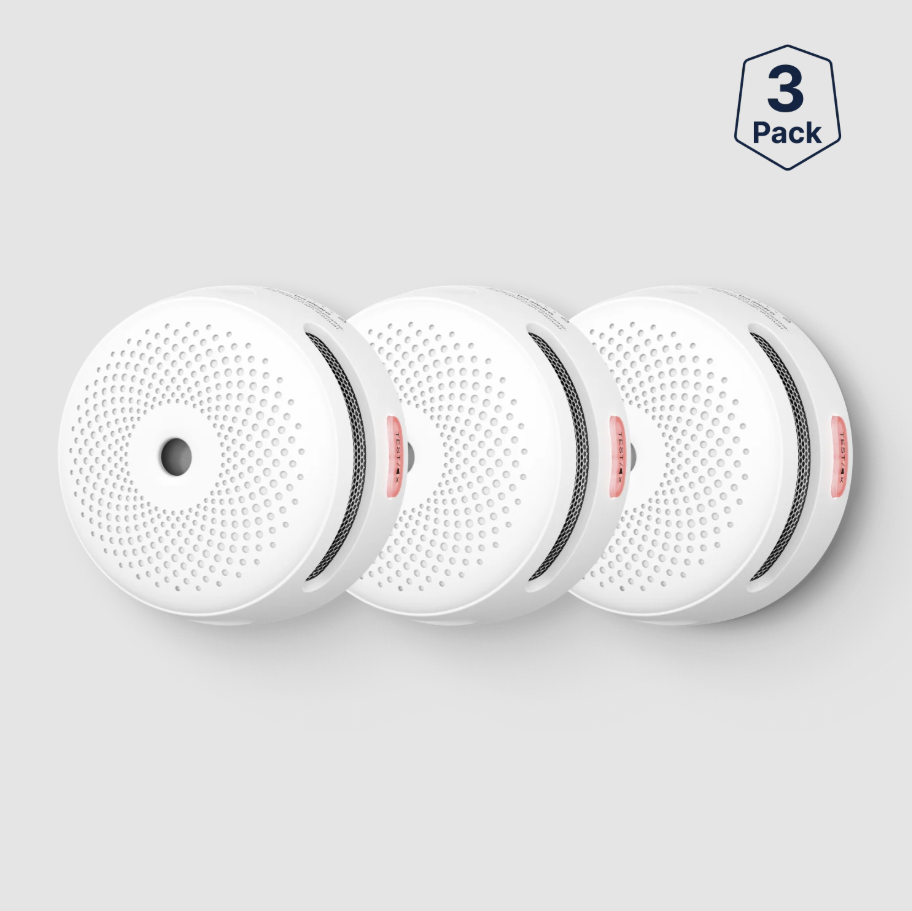
X-Sense XS01-WX Smart Smoke Alarm - 2.4 GHz Wi-Fi Photoelectric Fire Detector with Mobile App Alerts
$65.99 $109.99
11% OFF

VitaUp Beet Root Gummies with CoQ10 & Grape Seed - Nitric Oxide Circulation Support (60 Count)
$24.91 $27.91

Sealy 2-Pack Tritech 16" Twin Inflatable Air Mattress with Built-in AC Pump
$0 $113.99
20% OFF

INTEX Prism Frame 20ft x 52in Above Ground Pool Set - Round Steel Frame Swimming Pool
$695.99 $869.99

Gardner Pet 43" Heavy Duty Dog Crate with Wheels - Indestructible Folding Metal Cage (Black)
$0 $149.99



-

Anti-Christian hate crimes across Europe surge in May as arson attacks reach 2026 high
-

Belfast churches 'heartbroken' over unrest
-

Churches must disciple well and listen well in response to rise of Christian nationalism
-

Welsh reverend speaks of culture of fear over LGBT issues
-

South Wales Police back down on imposing Islamic 'blasphemy law'
-

Making cohabitation equal with marriage is 'unfair', Christians argue
Most Popular
News
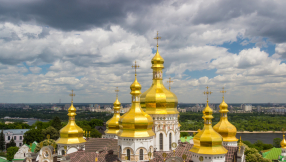
Kyiv’s Dormition Cathedral badly damaged in major Russian strikes on Ukrainian capital
Kyiv’s historic Dormition Cathedral, part of the UNESCO-listed Pechersk Lavra monastery complex, caught fire overnight after a wave of Russian missile and drone strikes on the Ukrainian capital.

New attempt to revive assisted suicide bill faces opposition
Fresh attempts to make assisted suicide legal have been met with disappointment by opponents.

Anti-Christian hate crimes across Europe surge in May as arson attacks reach 2026 high
Anti-Christian incidents across Europe rose sharply in May, with new figures showing the highest monthly number of arson-related attacks recorded so far this year.
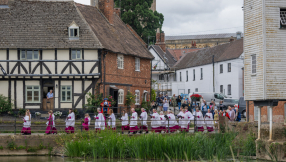
Gloucester churches come together to bless River Avon amid pollution concerns
It is part of a broader campaign against river pollution as concerns remain about the amount of untreated sewage in the Avon.
MANSPOT Electric Pubic Hair Trimmer - Waterproof Body and Groin Shaver for Men and Women (Black)
$20.39
Lick-Safe Dog Paw and Nose Balm Stick - All-Natural Moisturizer with Coconut Oil for Dry, Cracked Pads and Snout
$11.69
Men's Quick Dry Moisture Wicking Polo Shirt - High Elasticity Slim Fit Athletic Top (Runs Small)
$6.99
Men's Running Shorts with Zipper Pockets - Lightweight, Quick-Dry, Multi-Sport
$12.95
NEWFAST NF-RE523 AC1200 WiFi Extender - 1200Mbps Dual Band Signal Booster & Internet Repeater
$18.5
G Gradual Men's 7-inch Workout Running Shorts - Lightweight, Quick-Dry, Comfort
$12.91
NOVETE Under Sink Water Filter - 3 Years, 30,000 Gallons, High-Efficiency Filtration
$41.99
HDPE All-Weather Adirondack Chair with Built-In Cup Holder - Tool-Free Assembly (Grey)
$69.99
HOMETUK Clear Plastic Storage Bins with Dividers - 3-Pack Stackable Acrylic Organizer Containers for Fridge and Pantry
$19.99
G Gradual Men's Fishing Shirt - UPF 50+ Lightweight Short Sleeve Button Down with Zipper Pockets
$14.99
Everyfun 60" Rectangular Platform Tree Swing - 700lbs Heavy Duty Adjustable Outdoor Swing (Colorful)
$49.99
Ekouaer Women's Casual Loose Jumpsuit - One-Piece Printed Sleeveless Wide Leg Romper with Pockets
$14.99
Men's Athletic Running Shorts with Zipper Pockets - Lightweight & Quick Dry
$12.74
Modern Ceiling Fan with Light and Remote - Reversible Quiet DC Motor
$69.3
MOOKA H13 True HEPA Air Purifier for Home Large Room - 1076 sq ft Odor Eliminator
$39.97
X-Sense XS01-WX Smart Smoke Alarm - 2.4 GHz Wi-Fi Photoelectric Fire Detector with Mobile App Alerts
$65.99
VitaUp Beet Root Gummies with CoQ10 & Grape Seed - Nitric Oxide Circulation Support (60 Count)
$24.91
Sealy 2-Pack Tritech 16" Twin Inflatable Air Mattress with Built-in AC Pump
$0
INTEX Prism Frame 20ft x 52in Above Ground Pool Set - Round Steel Frame Swimming Pool
$695.99
Gardner Pet 43" Heavy Duty Dog Crate with Wheels - Indestructible Folding Metal Cage (Black)
$0