
Peter Fischer-Nielsen, a PhD Fellow at the Faculty of Theology at Aarhus University in Denmark, recognises the difficulty churches have in reaching non-seekers in real life and on the world wide web. Non-seekers are often not interested in visiting Christian websites, but churches can still meet them by going to their web turf.
“[T]he church must not isolate itself on its own websites; instead, it must take part in the fluent online traffic and develop initiatives on various platforms such as Facebook, YouTube, and Wikipedia,” says Fischer-Nielsen in an article entitled “Online Mission” in the latest issue of Lausanne World Pulse.
Fischer-Nielsen, who is researching church communication on the Internet, wrote that the mission of the Church is to reach the world with the Gospel message. The Internet allows the Church to enlarge its reach to anywhere in the world where there is Internet, including in countries hostile to Christianity, he said.
So churches need to be technologically savvy and create websites that can be found through popular search engines such as Google, as well as create an online presence on growingly popular social networking sites.
Some Christian ministries have reported much evangelism success after using the Internet to find seekers. Campus Crusade for Christ’s Global Media Outreach is among the success stories, having harnessed the Internet to create a volunteer force of thousands of online missionaries.
In July, GMO announced that over one million people indicated a first-time decision to follow Jesus or a decision to recommit their life to Christ through one of more than 90 GMO-hosted Gospel websites since its inception in 2004.
The media ministry estimates that one in 1,000 Internet searchers is looking for information about God. On a daily basis, around two million people look for God.
"This is an historic event only possible by God's power," said GMO founder and chair Walt Wilson.
But both Fischer-Nielsen and GMO agree that the Internet does not take the place of church communities. The scholar and ministry support connecting people who make the decision for Christ to discipleship programmes or to local churches.
“These online communities are not a replacement to traditional physical congregations, but a supplement,” says Fischer-Nielsen, who also acknowledges that in some cases they are the only Christian communities for people who would be in danger if others knew of their faith commitment.
The Danish scholar concluded, “The Internet has come to stay and the Church must continually be in dialogue concerning how the Internet can be used to serve its mission.”
54% OFF
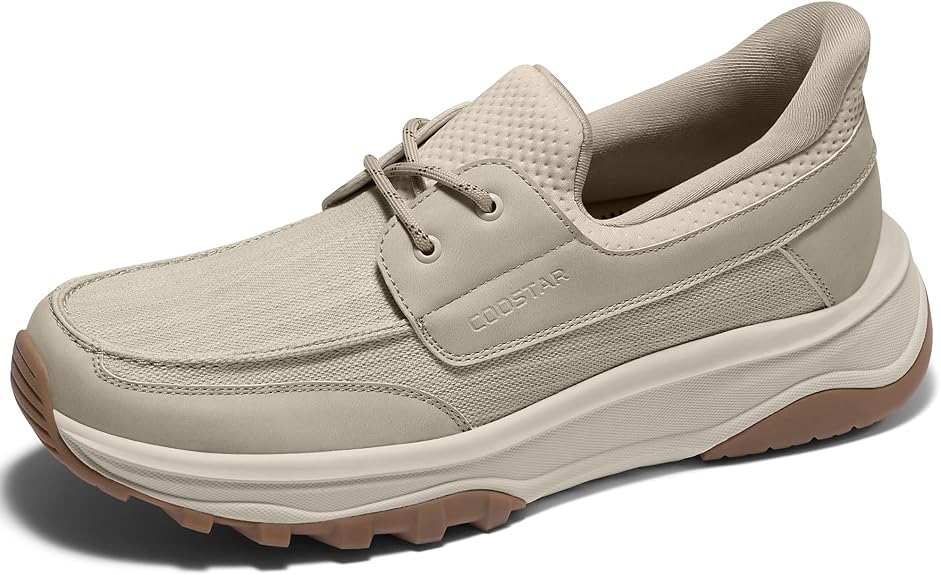
Coostar Men's Orthopedic Slip On Loafers – Hands-Free Casual Walking Shoes with Arch Support, Non-Slip Sole, Breathable Canvas Upper
$21.99 $47.99
60% OFF
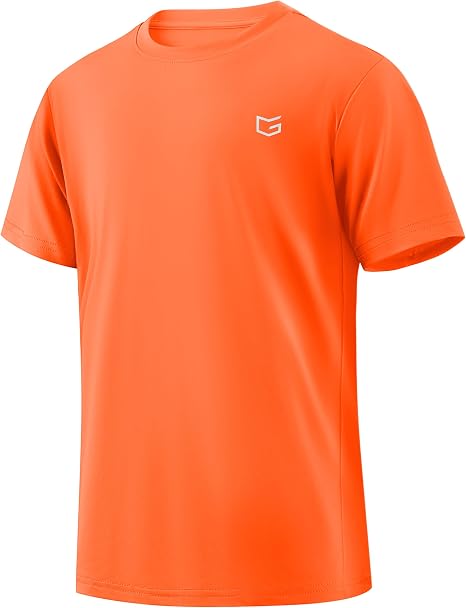
G Gradual Boys Athletic Rash Guard Shirt – UPF 50+ Dry Fit Swim & Sports T-Shirt, Short Sleeve Crew Neck for Soccer, Baseball, Basketball & Undershirt
$7.92 $19.99
41% OFF

Mobile Rolling Clothing Rack with Wheels - Perfect for Home and Office
$20.79 $34.99
30% OFF
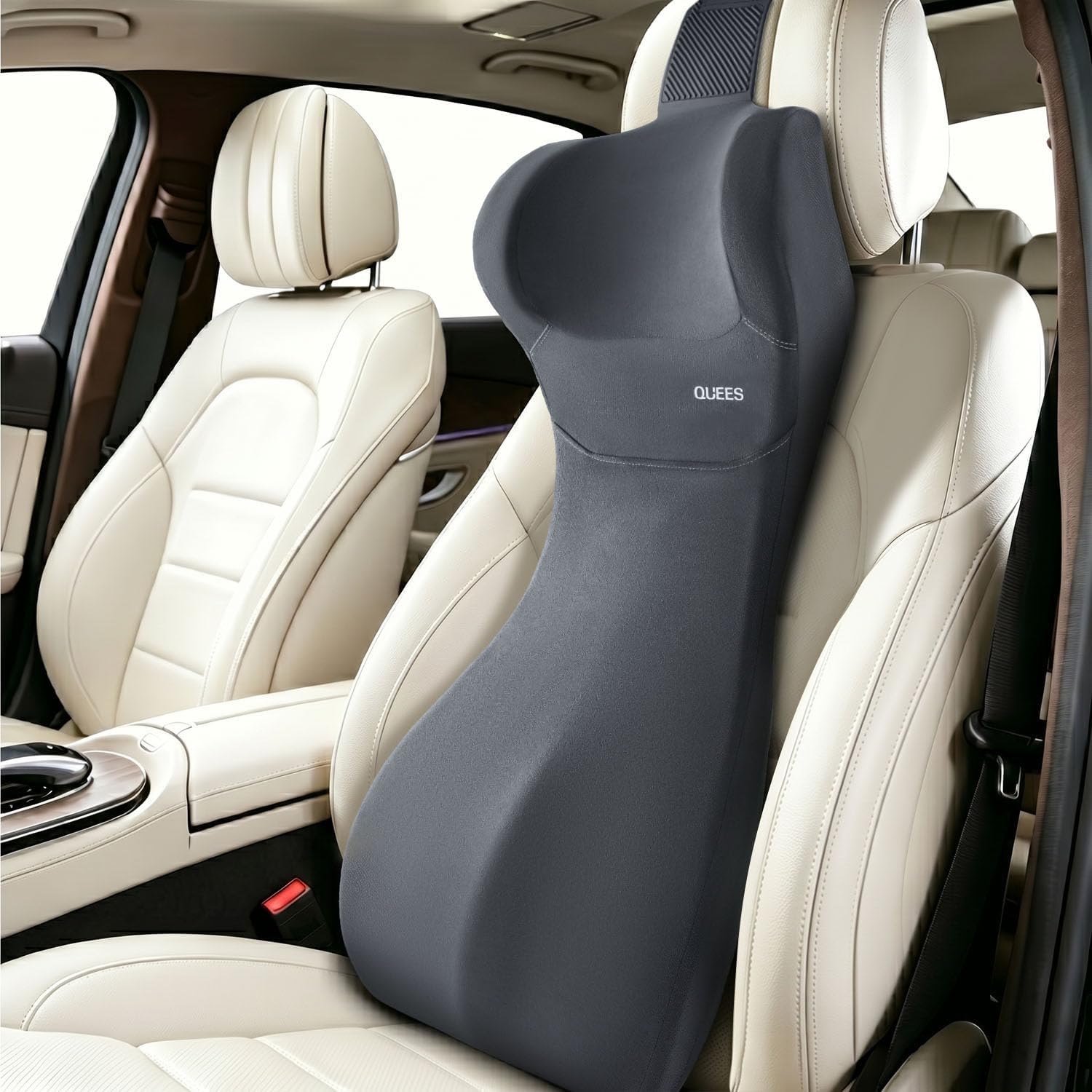
Lumbar Support Pillow for Car with Headrest – Memory Foam Full-Length S-Curve Back & Neck Cushion for Long Drives, Fits Cars, SUVs & Trucks
$32.89 $46.99
46% OFF
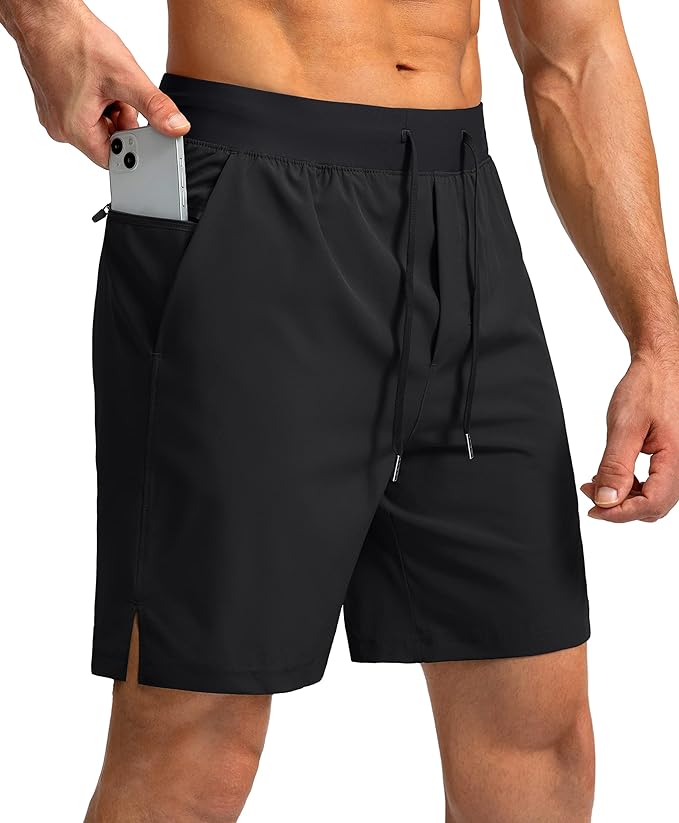
Soothfeel Men's Running Shorts with Zipper Pockets – Quick Dry Athletic Shorts in 9", 7" & 5" Inseams for Basketball, Gym & Workout
$12.91 $23.99
40% OFF
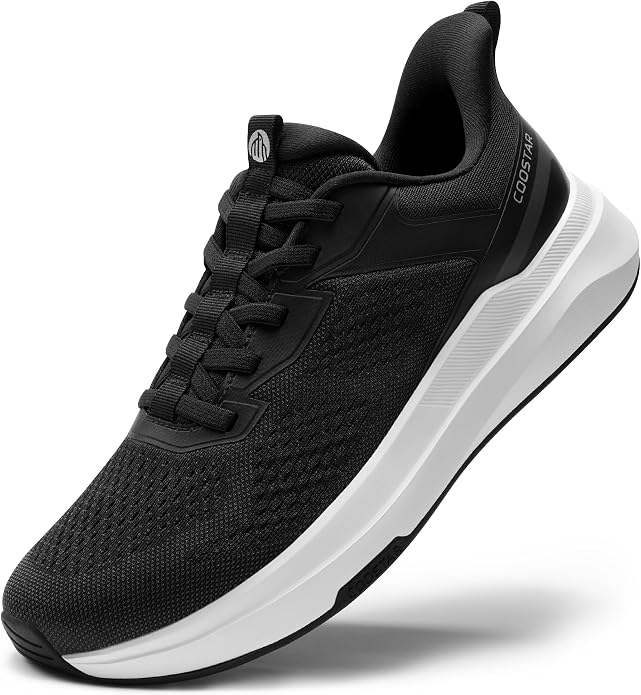
Men's Slip On Walking Shoes – Hands-Free Casual Sneakers with Arch Support, Wide Stable Base, Breathable Knit Upper, Non-Slip Traction
$29.99 $49.99
52% OFF
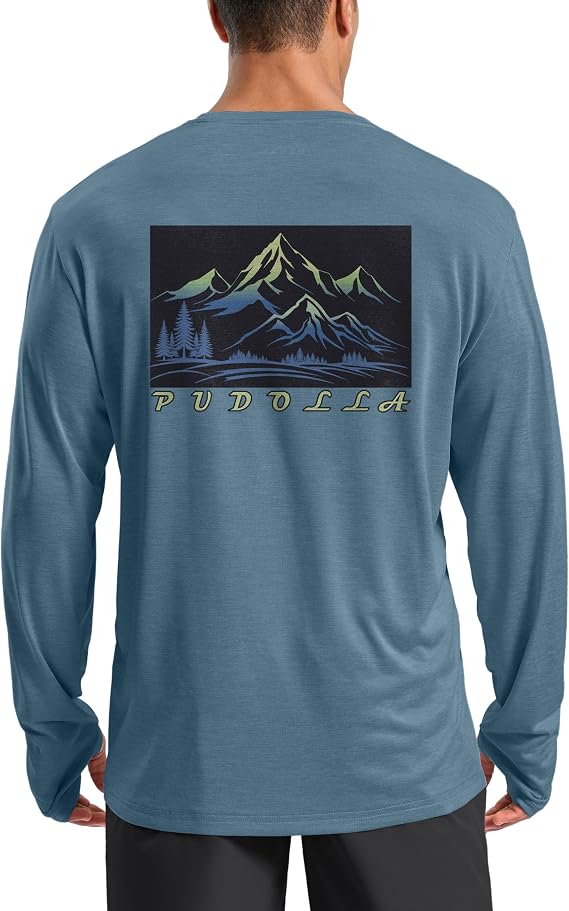
Pudolla Men's UPF 50+ Sun Shirt – Long Sleeve Quick Dry Hiking & Running Shirt with Thumb Holes, Lightweight Moisture-Wicking Rash Guard Base Layer
$11.99 $24.99
35% OFF
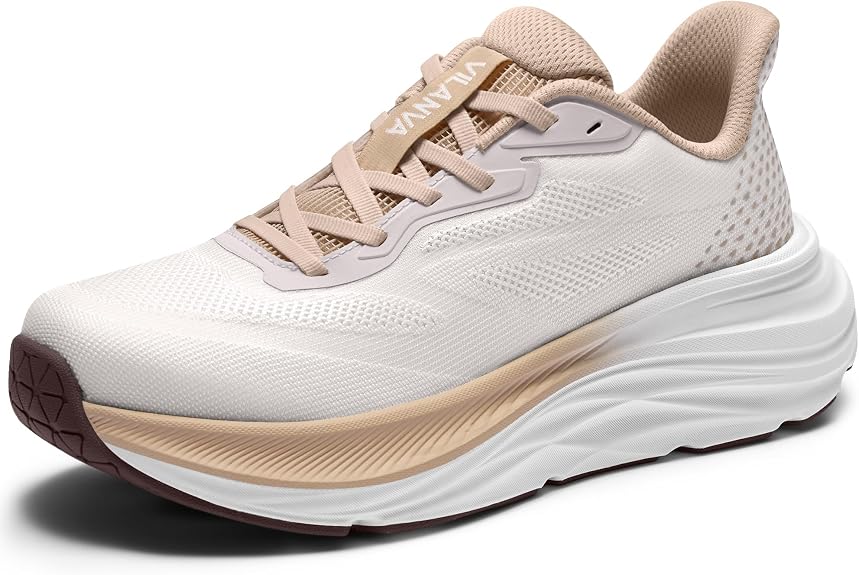
Vilanva Women's Walking Shoes – Cushioned Lightweight Running Sneakers with Slip-Resistant Sole, Breathable Woven Upper for Everyday Wear & Workouts
$35.09 $53.99
24% OFF
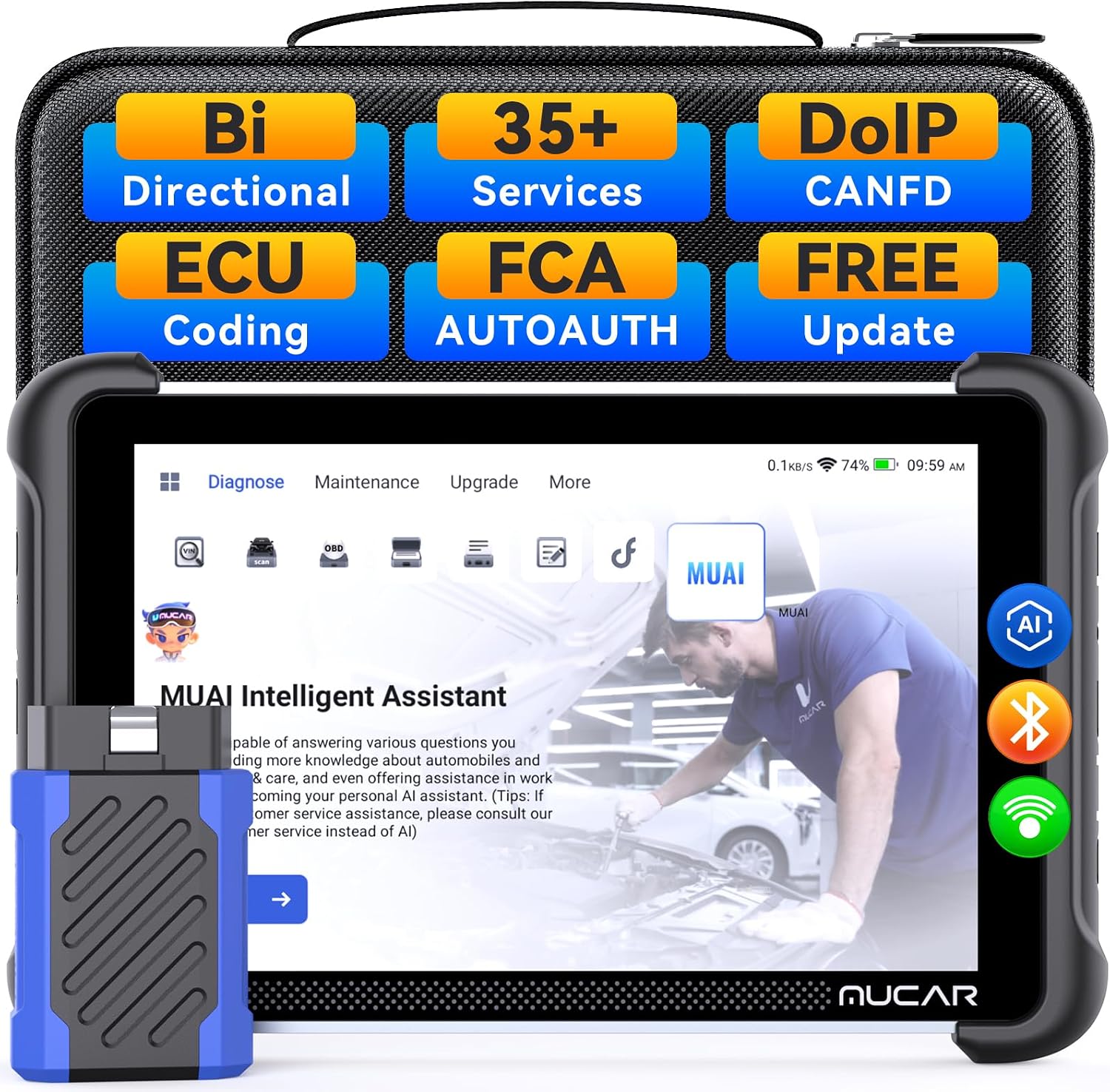
MUCAR 892BT AI-Assisted Bidirectional OBD2 Scan Tool with ECU Coding (8" Touchscreen)
$479 $629.99
67% OFF
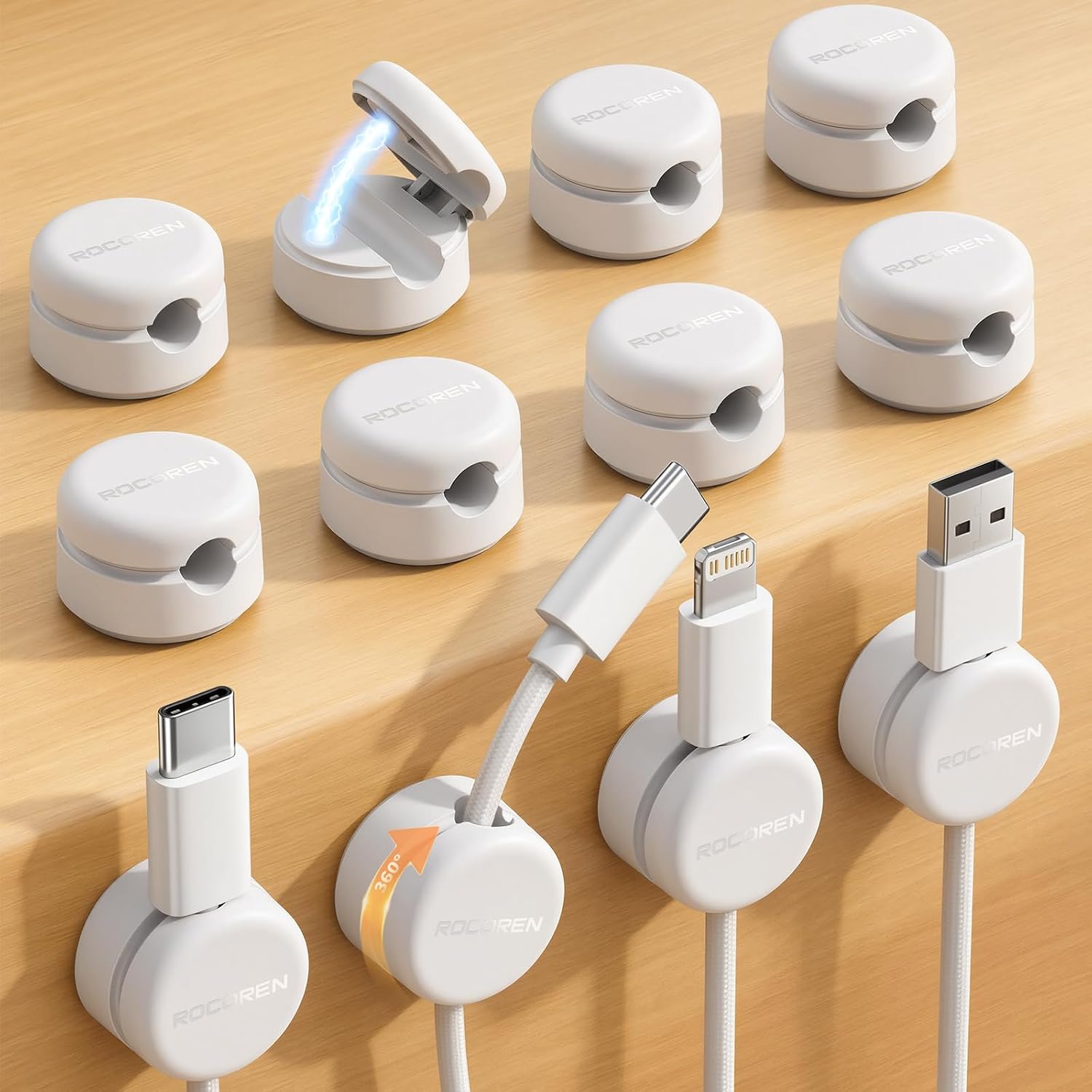
Rocoren 12-Pack Magnetic Cable Clips – 360° Rotating Cord Organizer with No-Residue Adhesive, Cord Holder for Desk, Nightstand, Wall, Car & Office, White
$6.5 $19.99
60% OFF
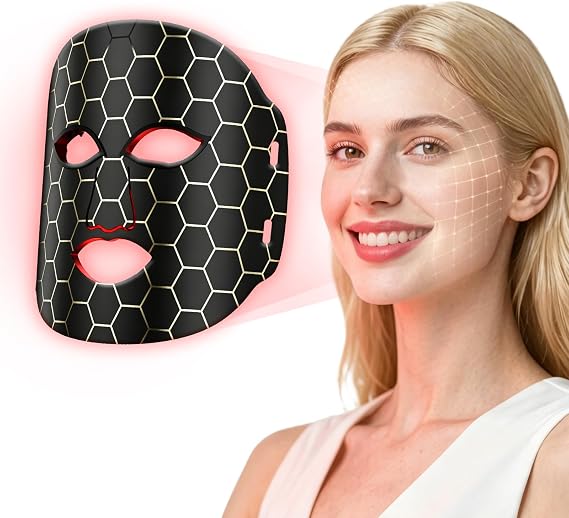
Red Light Therapy Mask for Face – 7-Color LED Silicone Facial Mask, Cordless Rechargeable Skincare Device with 240 LEDs for Home & Travel
$39.99 $99.99
77% OFF
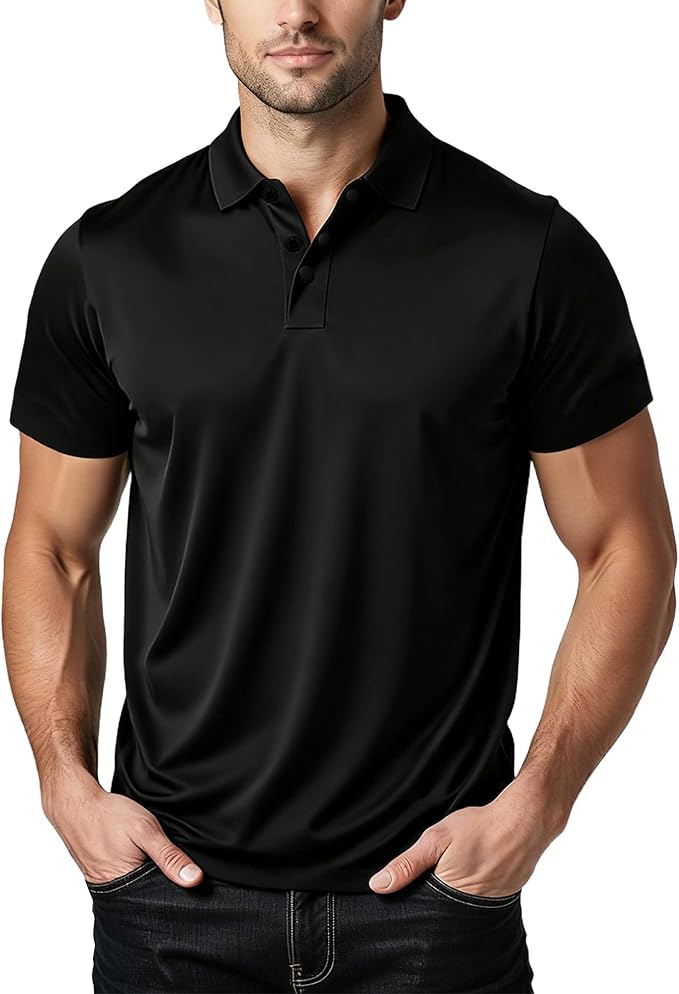
Men's Slim Fit Polo Shirt – Quick Dry Moisture Wicking, High Elasticity, Athletic Fit Polo for Golf, Tennis, Work & Casual Wear (Runs Small, Size Up)
$6.99 $29.99
28% OFF
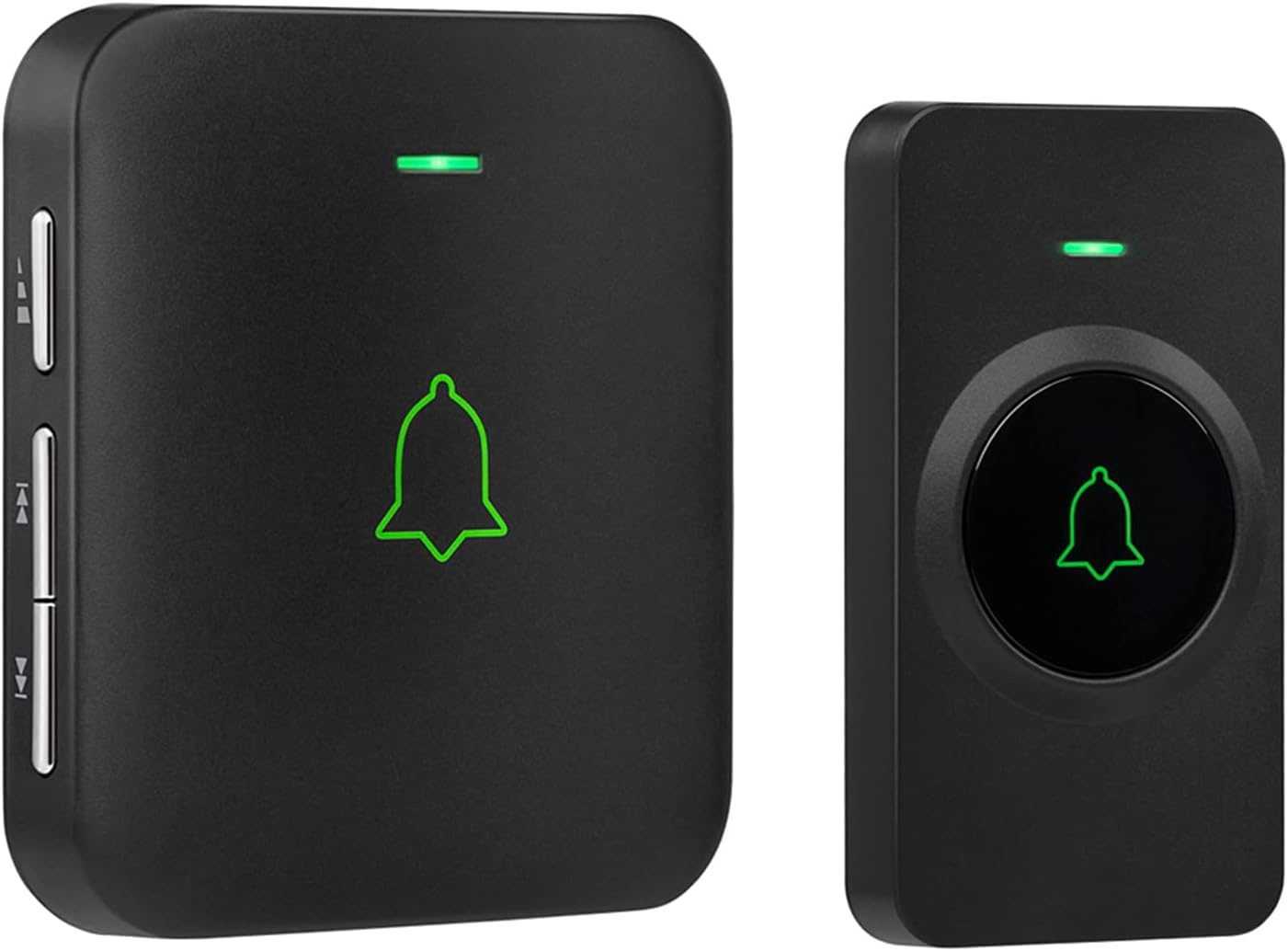
AVANTEK Wireless Doorbell CB-11 – 1000 ft Range, 1 Button + 1 Plug-In Receiver, 115 dB Volume, LED Flash, 52 Chimes, Waterproof, 3-Year Battery
$12.91 $17.99
50% OFF
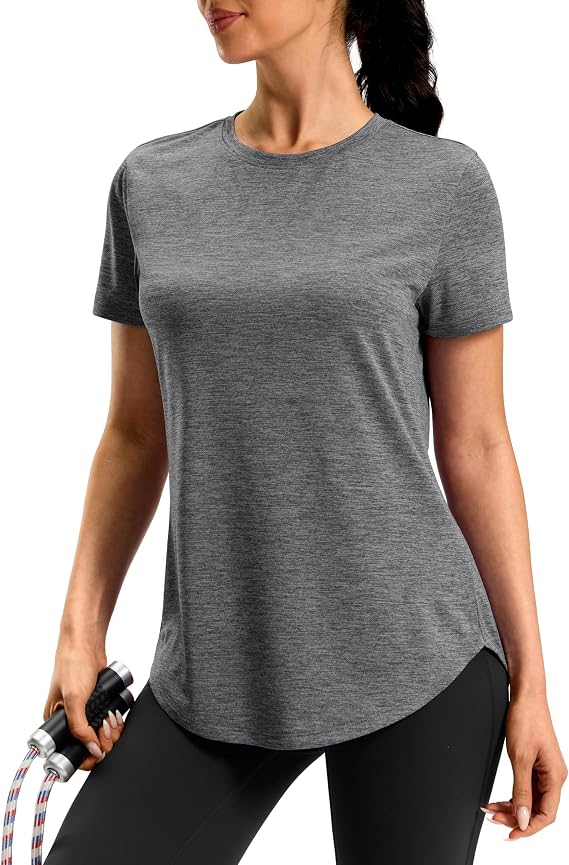
Women's Workout Shirts – Bum-Covering Length Short Sleeve Dry Fit Tops, Lightweight & Breathable for Athletic, Hiking, Running & Summer Wear
$6.99 $13.99
50% OFF
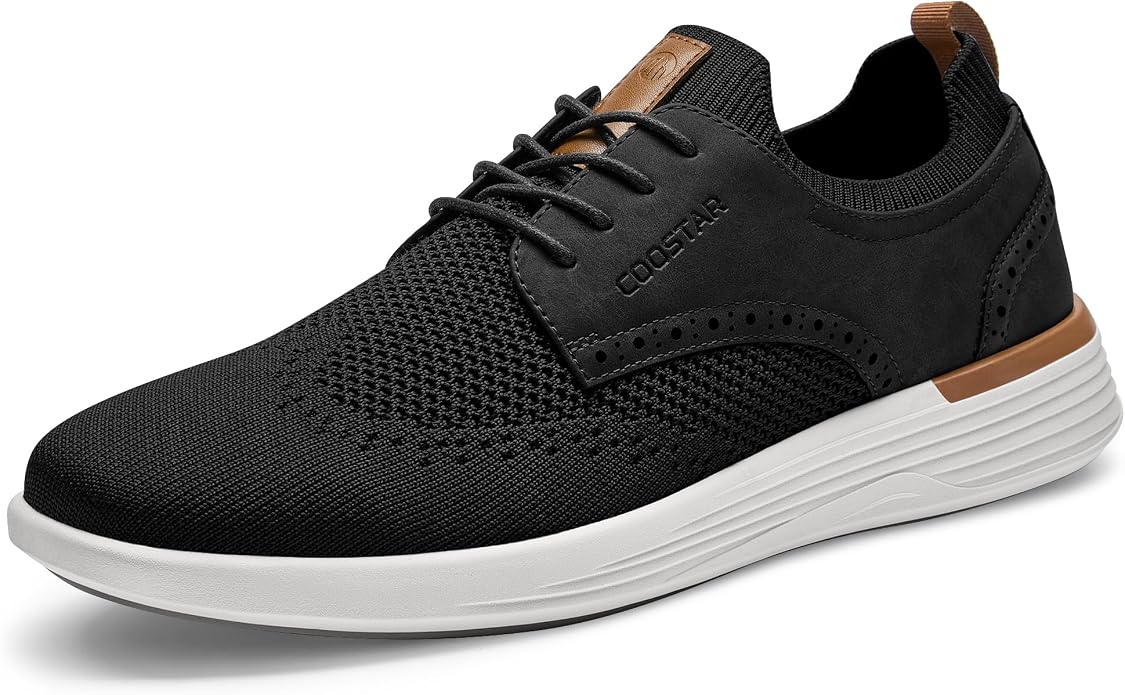
Coostar Men's Casual Dress Sneakers – Lightweight Wingtip Oxford Style with Breathable Knit Upper, Rubber Sole & Slip-On Elastic Collar, Business & Walking Shoe
$22.49 $44.99
45% OFF
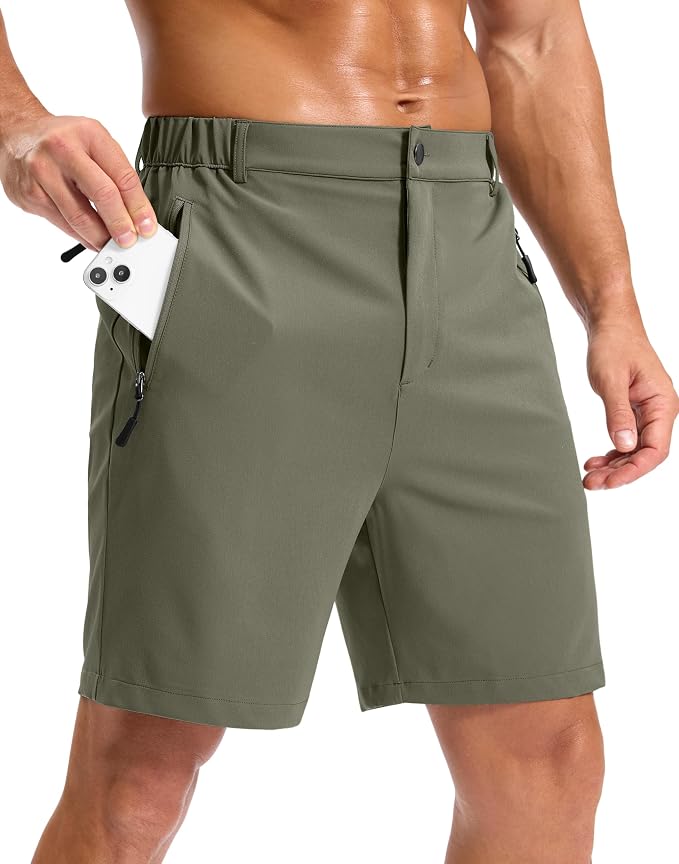
Pudolla Men's Quick Dry Hiking and Golf Shorts with 3 Zipper Pockets
$14.84 $26.99
50% OFF

Venture Pal Ceremonial Grade Matcha Green Tea Powder – First Harvest, Shade Grown, 100% Pure with No Additives, Unsweetened, Vegan & Gluten-Free, 30g Tin
$7.5 $14.99
40% OFF
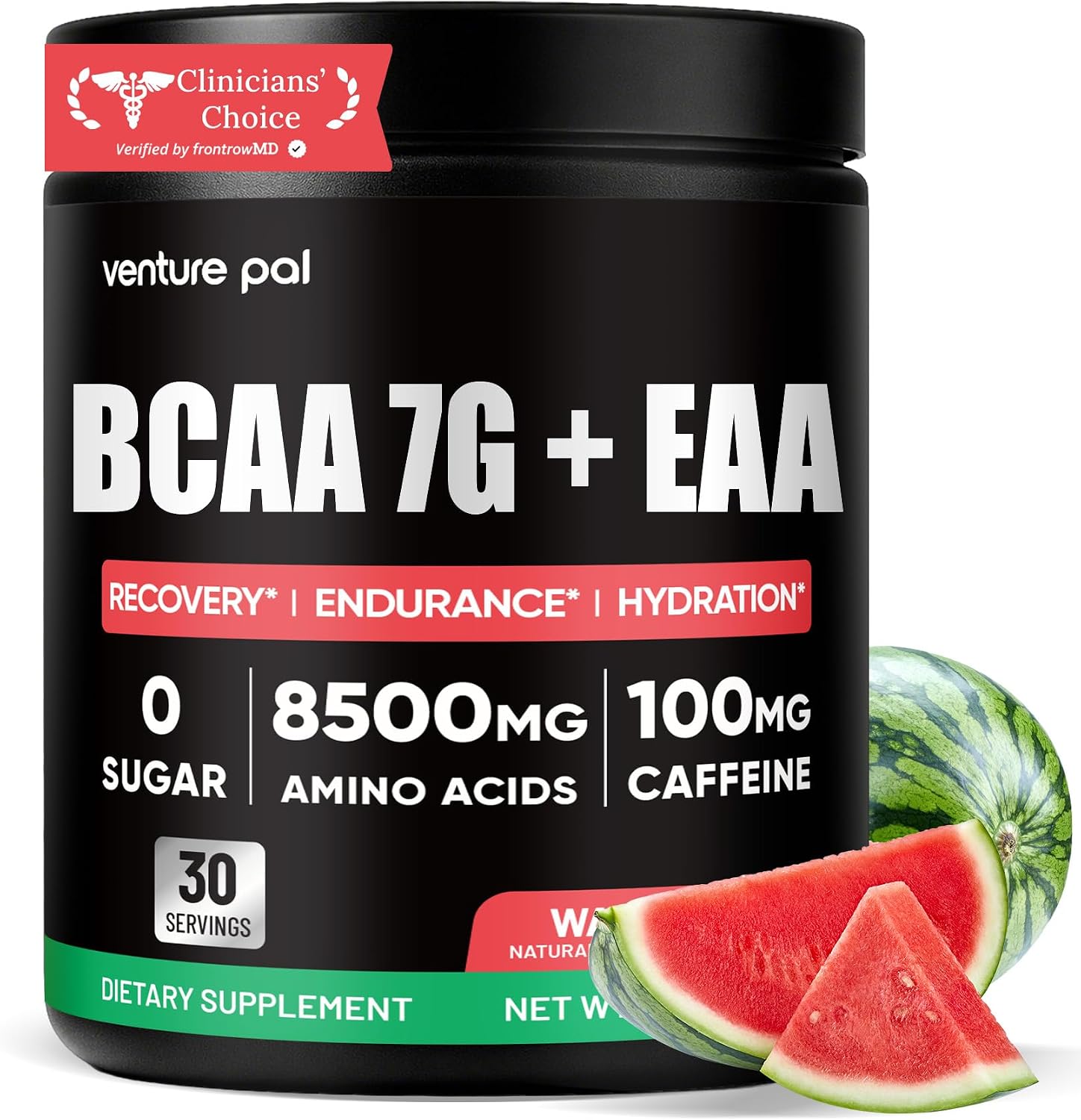
Venture Pal Sugar Free 7g BCAA + EAA Powder – 9 Essential Amino Acids with L-Glutamine, Caffeine, Electrolytes & Vitamins for Muscle Recovery, Growth & Hydration
$14.99 $24.99
30% OFF
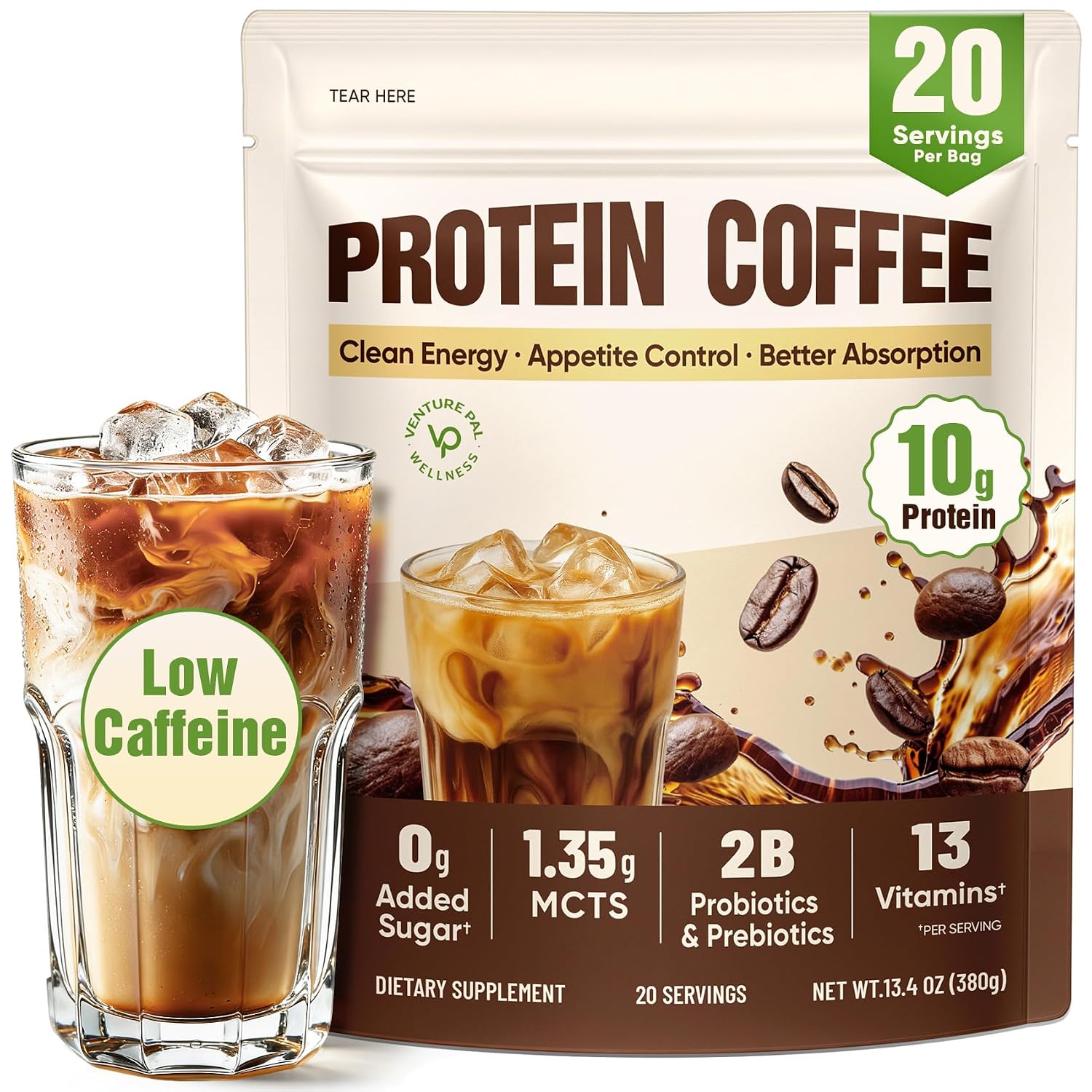
Venture Pal Sugar Free Protein Coffee – Cold Brew Mocha Instant Iced Coffee with MCT Oil, Probiotics, Fiber & 13 Vitamins, 70mg Caffeine, Keto & Gluten-Free, 20 Servings
$13.29 $18.99
20% OFF
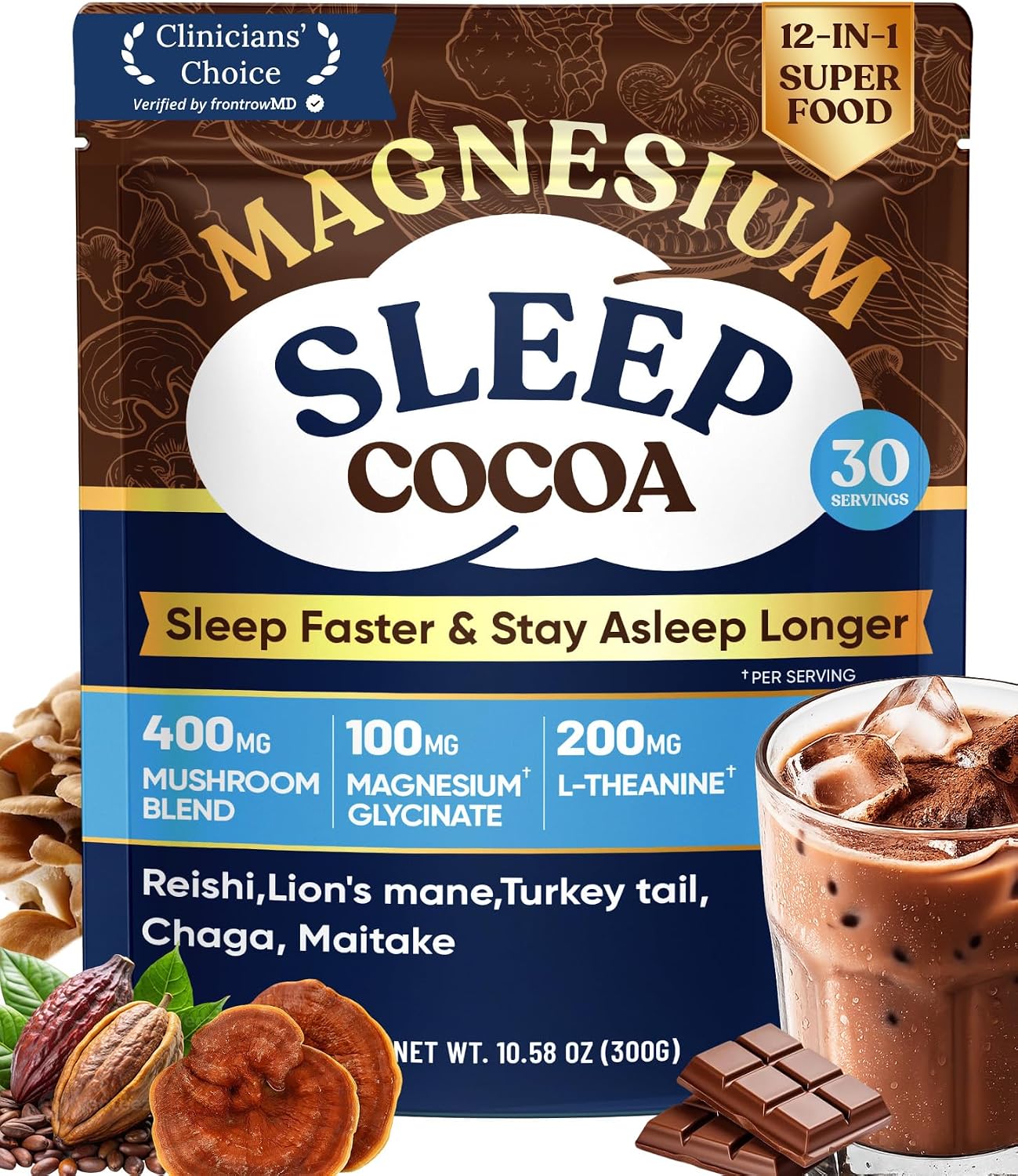
Venture Pal Mushroom Hot Cocoa – Natural Sleep Aid with 12 Superfoods, Melatonin 3mg, Magnesium Glycinate, L-Theanine, Glycine, Lion's Mane, Reishi & Turkey Tail, Bedtime Cocoa Mix, 30 Servings
$23.99 $29.99



-

Six injured after sign falls at Christian festival
-

Learning from the Jason Arday tragedy
-

Christian festival organisers ‘heartbroken’ after festivalgoer dies in sign incident
-

Dolly Parton’s lifelong Christian faith: ‘My music was more my ministry than a job’
-

Christian leaders respond to devastating floods in Nepal and Tibet
-

Anna Faris says son has asked her to become a Christian
Most Popular
News

Christians move to protect themselves as another Indian state enacts anti-conversion law
Churches are asking visitors to sign consent forms declaring that they attend services of their own free will.

Fundraising appeal grows for family of pastor killed at Christian festival
A 41-year-old pastor from Eastbourne has died after a large sign fell on people at a Christian festival in West Sussex.

‘Shout to the Lord’ songwriter Darlene Zschech says the Church is entering ‘revival days again’
Veteran worship leader Darlene Zschech believes the Church is once again entering a season in which God is moving powerfully and new expressions of worship are emerging.

I was a gay activist - then prayer and therapy saved my life
Only an outright rejection of the insidious draft Conversion Practices Bill before Parliament will create a safer and more inclusive future.
Coostar Men's Orthopedic Slip On Loafers – Hands-Free Casual Walking Shoes with Arch Support, Non-Slip Sole, Breathable Canvas Upper
$21.99
G Gradual Boys Athletic Rash Guard Shirt – UPF 50+ Dry Fit Swim & Sports T-Shirt, Short Sleeve Crew Neck for Soccer, Baseball, Basketball & Undershirt
$7.92
Mobile Rolling Clothing Rack with Wheels - Perfect for Home and Office
$20.79
Lumbar Support Pillow for Car with Headrest – Memory Foam Full-Length S-Curve Back & Neck Cushion for Long Drives, Fits Cars, SUVs & Trucks
$32.89
Soothfeel Men's Running Shorts with Zipper Pockets – Quick Dry Athletic Shorts in 9", 7" & 5" Inseams for Basketball, Gym & Workout
$12.91
Men's Slip On Walking Shoes – Hands-Free Casual Sneakers with Arch Support, Wide Stable Base, Breathable Knit Upper, Non-Slip Traction
$29.99
Pudolla Men's UPF 50+ Sun Shirt – Long Sleeve Quick Dry Hiking & Running Shirt with Thumb Holes, Lightweight Moisture-Wicking Rash Guard Base Layer
$11.99
Vilanva Women's Walking Shoes – Cushioned Lightweight Running Sneakers with Slip-Resistant Sole, Breathable Woven Upper for Everyday Wear & Workouts
$35.09
MUCAR 892BT AI-Assisted Bidirectional OBD2 Scan Tool with ECU Coding (8" Touchscreen)
$479
Rocoren 12-Pack Magnetic Cable Clips – 360° Rotating Cord Organizer with No-Residue Adhesive, Cord Holder for Desk, Nightstand, Wall, Car & Office, White
$6.5
Red Light Therapy Mask for Face – 7-Color LED Silicone Facial Mask, Cordless Rechargeable Skincare Device with 240 LEDs for Home & Travel
$39.99
Men's Slim Fit Polo Shirt – Quick Dry Moisture Wicking, High Elasticity, Athletic Fit Polo for Golf, Tennis, Work & Casual Wear (Runs Small, Size Up)
$6.99
AVANTEK Wireless Doorbell CB-11 – 1000 ft Range, 1 Button + 1 Plug-In Receiver, 115 dB Volume, LED Flash, 52 Chimes, Waterproof, 3-Year Battery
$12.91
Women's Workout Shirts – Bum-Covering Length Short Sleeve Dry Fit Tops, Lightweight & Breathable for Athletic, Hiking, Running & Summer Wear
$6.99
Coostar Men's Casual Dress Sneakers – Lightweight Wingtip Oxford Style with Breathable Knit Upper, Rubber Sole & Slip-On Elastic Collar, Business & Walking Shoe
$22.49
Pudolla Men's Quick Dry Hiking and Golf Shorts with 3 Zipper Pockets
$14.84
Venture Pal Ceremonial Grade Matcha Green Tea Powder – First Harvest, Shade Grown, 100% Pure with No Additives, Unsweetened, Vegan & Gluten-Free, 30g Tin
$7.5
Venture Pal Sugar Free 7g BCAA + EAA Powder – 9 Essential Amino Acids with L-Glutamine, Caffeine, Electrolytes & Vitamins for Muscle Recovery, Growth & Hydration
$14.99
Venture Pal Sugar Free Protein Coffee – Cold Brew Mocha Instant Iced Coffee with MCT Oil, Probiotics, Fiber & 13 Vitamins, 70mg Caffeine, Keto & Gluten-Free, 20 Servings
$13.29
Venture Pal Mushroom Hot Cocoa – Natural Sleep Aid with 12 Superfoods, Melatonin 3mg, Magnesium Glycinate, L-Theanine, Glycine, Lion's Mane, Reishi & Turkey Tail, Bedtime Cocoa Mix, 30 Servings
$23.99