
It has already been one week since the team of British scientists from Newcastle University announced that they had successfully cloned the country's first human embryo. The fear over the decline of ethical values has been raised as human cloning becomes more prevalent across the world. Apart from pro-life groups, Protestants and evangelicals in the UK have been compelled to stand up and call for more respect for human life in the basis of Christian teaching.
The leading Christian social action charity CARE has been among the very first to speak out about its concerns. CARE said this latest research showed a "complete disregard for the sanctity of human life and ignored a UN ban on all forms of human cloning passed earlier this year."
CARE has years of experience in lobbying against human cloning. It has Special NGO Status with the UN and is the only UK NGO to have lobbied the 6th Committee in New York since it began discussing the original Franco-German "partial-ban" human cloning convention in 2001.
CARE pointed out that Britain is in fact just one of a handful of countries to permit the cloning of human embryos for research, especially after the US-sponsored non-binding resolution "to prohibit all forms of human cloning in as much as they are incompatible with human dignity and the protection of human life" was passed by the UN on 8th March.
The biomedical gurus in Newcastle were granted a licence to perform therapeutic cloning with human embryos by the Human Fertilisation and Embryology Authority (HFEA) in August 2004. The licence issued was first of its kind in Europe and has outraged pro-lifers. Many countries, such as France and Germany, and throughout Europe have introduced bans or severe restrictions on this kind of research.
Acknowledging that the cloned embryonic stem cells will pave the way for treating diseases such as Parkinson's disease and diabetes, Dr Don Horrocks, Head of Public Affairs at the Evangelical Alliance UK (EAUK), commented, "Creating and destroying human life for a potential, but as yet unproven and risky future therapeutic benefits remains profoundly unethical, representing as it does the trading-off of one human life against another."
"It is ironic that just a week after Tony Blair highlighted respect as crucial for the survival of society the first human embryo is cloned for experimentation in Britain. Civilised countries need to be agreeing now to remain committed to the most fundamental expression of respect - that human life in all its stages must be respected as sacrosanct - before it is too late," he continued. He was referring to the call made by Tony Blair for social respect, even though the Prime Minister has not commented on the issue of cloning so far.
Dr Horrocks added, "We are increasingly seeing the cheapening of human life by those who claim to represent life. Critical ethical boundaries continue to be crossed which tend to be justified by emotive and academic, rather than ethical considerations. And despite customary denials, how long will it be before the next boundary is crossed and a living human being is cloned for reproductive purposes? Many Christians take the view that life starts at conception - a fertilised egg is a human life and is just as deserving of the same amount of respect and protection as a grown adult."
The Christian Medical Fellowship (CMF) echoed the crisis mentioned by both CARE and the EAUK - therapeutic cloning will inevitably pave the way towards reproductive cloning, as the methods involved are virtually identical.
"Once cloned embryos exist, theoretically all that is needed to produce human clones would be to implant them in a womb - a technique that is simple to perform and impossible to police," said CMF General Secretary Peter Saunders.
Under more comprehensive consideration on both the medical and ethical aspects, both CARE and CMF support the alternative of adult stem cells, which actually functions the same as the embryonic stem cells. CMF also highlighted the use of embryonic stem cells carry "significant risks" of "malignant potential and spread of infection".
According to the Baptist Times, an application for judicial review of the Newcastle team’s HFEA licence has been lodged with the High Court. If the application is successful, the licence will be revoked and the activities of the Newcastle scientists will be deemed unlawful.
Andrea Williams, barrister and public policy officer of the Lawyer’s Christian Fellowship (LCF) said, "We are hopeful that the High Court will appreciate the serious implications of what Professor Murdoch has done as it strikes at the heart of our humanity and our respect for life and human dignity."
11% OFF

VitaUp Beet Root Gummies with CoQ10 & Grape Seed - Nitric Oxide Circulation Support (60 Count)
$24.91 $27.91
50% OFF

HDPE All-Weather Adirondack Chair with Built-In Cup Holder - Tool-Free Assembly (Grey)
$69.99 $139.99
60% OFF

HOMETUK Clear Plastic Storage Bins with Dividers - 3-Pack Stackable Acrylic Organizer Containers for Fridge and Pantry
$19.99 $49.99
58% OFF

G Gradual Men's Fishing Shirt - UPF 50+ Lightweight Short Sleeve Button Down with Zipper Pockets
$14.99 $35.99
55% OFF

Everyfun 60" Rectangular Platform Tree Swing - 700lbs Heavy Duty Adjustable Outdoor Swing (Colorful)
$49.99 $110.99
61% OFF

Ekouaer Women's Casual Loose Jumpsuit - One-Piece Printed Sleeveless Wide Leg Romper with Pockets
$14.99 $37.99
40% OFF
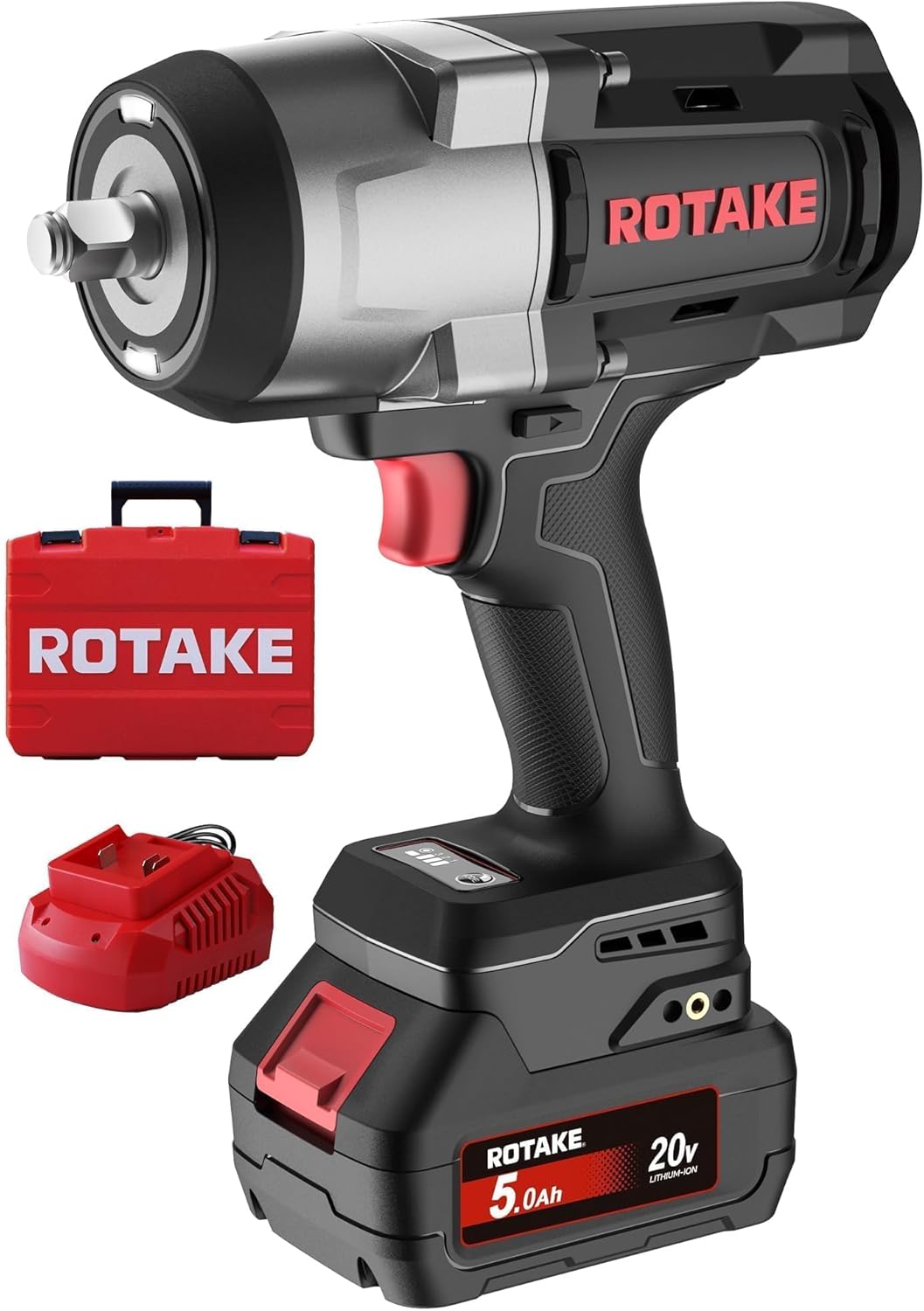
ROTAKE TB3 20V Heavy Duty 1/2" Cordless Impact Wrench Kit - 1380 Ft-Lbs Torque
$132 $219.99
36% OFF

Men's Athletic Running Shorts with Zipper Pockets - Lightweight & Quick Dry
$12.74 $19.99
61% OFF

Modern Ceiling Fan with Light and Remote - Reversible Quiet DC Motor
$69.3 $179.99
50% OFF

MOOKA H13 True HEPA Air Purifier for Home Large Room - 1076 sq ft Odor Eliminator
$39.97 $79.95
60% OFF

Ekouaer Women's Satin Silky Pajama Set - Short Sleeve Pullover Top & Wide-Leg Pants
$13.99 $34.99
55% OFF

Ekouaer 3-Piece Maternity & Nursing Pajamas Set - Short Sleeve Top with Shorts and Pants
$14.99 $32.99

Sealy 2-Pack Tritech 16" Twin Inflatable Air Mattress with Built-in AC Pump
$0 $113.99
20% OFF

INTEX Prism Frame 20ft x 52in Above Ground Pool Set - Round Steel Frame Swimming Pool
$695.99 $869.99

Gardner Pet 43" Heavy Duty Dog Crate with Wheels - Indestructible Folding Metal Cage (Black)
$0 $149.99
12% OFF

Elegant Mid-Century Modern Bar Stools - Set of 4
$395.99 $449.99
23% OFF

Ergonomic Office Chair - Big and Tall Desk Chair with Adjustable Lumbar Support
$279.99 $363.99
26% OFF

Magnelex American Flag Windshield Sun Shade - High-Resolution UV Reflective Heat Shield (X-Large)
$19.9 $26.9
20% OFF
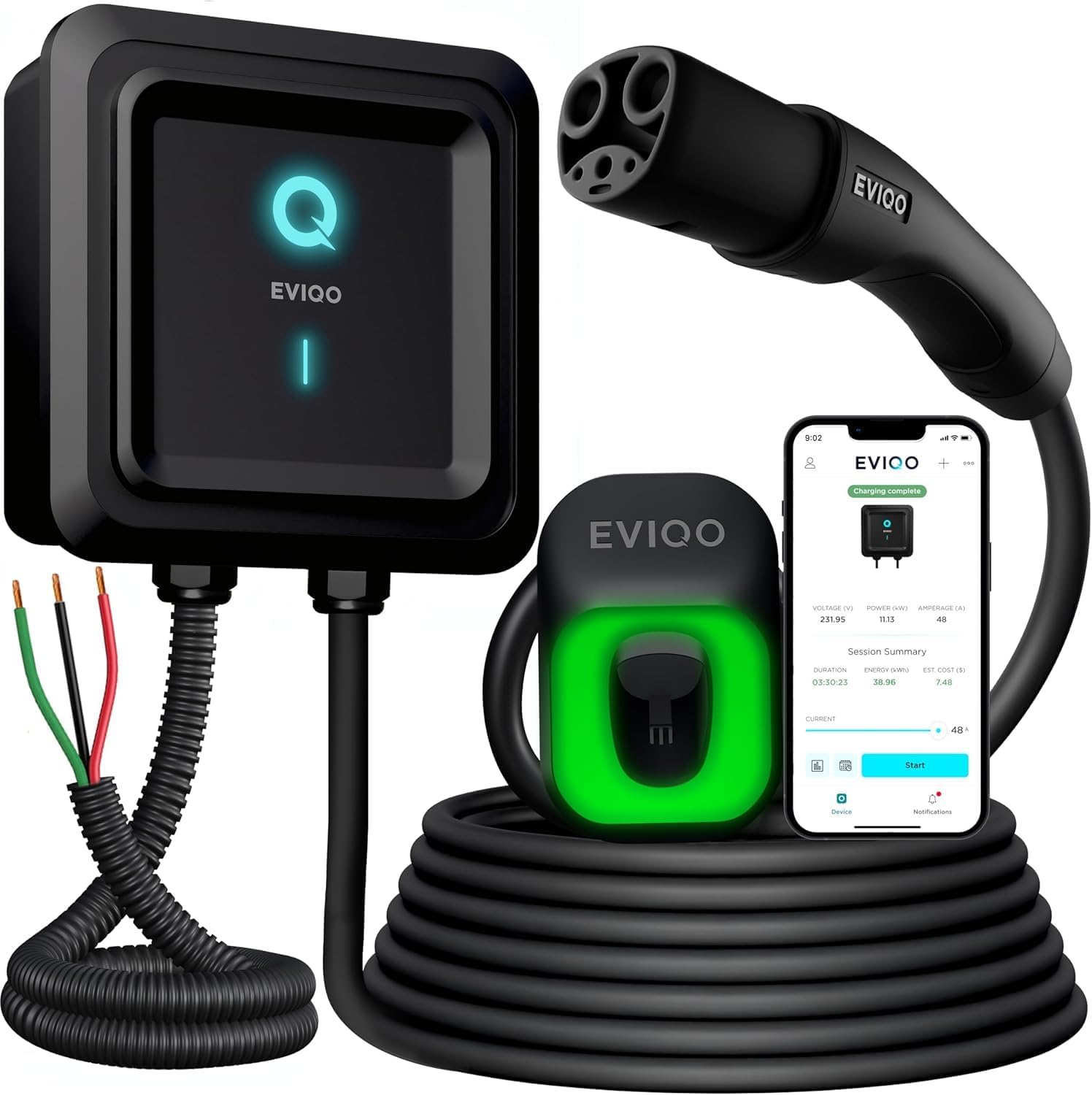
EVIQO 48 Amp NACS Level 2 EV Charger - Hardwired Smart WiFi Wall Charger for Tesla
$368.51 $458.55
50% OFF

DBFIT Air Purifier for Home Large Room
$29.99 $59.99




-

Historic Lancashire church secures £250,000 National Lottery grant for major roof repairs
-

Sunderland Minster PCC was right to push back over trans toilet sign
-

Bethel Church distances itself from Todd Bentley and Mike Bickle
-

Christian police officer reaches settlement over diversity training discrimination claim
-

Turkey's hidden Christian past: Extraordinary discoveries are rewriting the story of early Christianity
-

Diary of a CEO’s Steven Bartlett and John Lennox discuss AI, faith and the search for meaning
Most Popular
News

Pride and the Gospel: the way of self or the way of Christ?
As Christians, our understanding of pride is shaped not primarily by culture, but by Scripture.
Campaign urging greater support for Christian education
Unite for Education founder, Niel Deepnarain, said Christians must be willing to engage publicly with educational issues rather than remain silent.

Welsh reverend speaks of culture of fear over LGBT issues
Many people have already left the Church in Wales over its stance on same-sex relationships, an evangelical leader has said.
Reddit users declare small Welsh church best place in the world
Users voted to eliminate one half of a map until only one location remained.
VitaUp Beet Root Gummies with CoQ10 & Grape Seed - Nitric Oxide Circulation Support (60 Count)
$24.91
HDPE All-Weather Adirondack Chair with Built-In Cup Holder - Tool-Free Assembly (Grey)
$69.99
HOMETUK Clear Plastic Storage Bins with Dividers - 3-Pack Stackable Acrylic Organizer Containers for Fridge and Pantry
$19.99
G Gradual Men's Fishing Shirt - UPF 50+ Lightweight Short Sleeve Button Down with Zipper Pockets
$14.99
Everyfun 60" Rectangular Platform Tree Swing - 700lbs Heavy Duty Adjustable Outdoor Swing (Colorful)
$49.99
Ekouaer Women's Casual Loose Jumpsuit - One-Piece Printed Sleeveless Wide Leg Romper with Pockets
$14.99
ROTAKE TB3 20V Heavy Duty 1/2" Cordless Impact Wrench Kit - 1380 Ft-Lbs Torque
$132
Men's Athletic Running Shorts with Zipper Pockets - Lightweight & Quick Dry
$12.74
Modern Ceiling Fan with Light and Remote - Reversible Quiet DC Motor
$69.3
MOOKA H13 True HEPA Air Purifier for Home Large Room - 1076 sq ft Odor Eliminator
$39.97
Ekouaer Women's Satin Silky Pajama Set - Short Sleeve Pullover Top & Wide-Leg Pants
$13.99
Ekouaer 3-Piece Maternity & Nursing Pajamas Set - Short Sleeve Top with Shorts and Pants
$14.99
Sealy 2-Pack Tritech 16" Twin Inflatable Air Mattress with Built-in AC Pump
$0
INTEX Prism Frame 20ft x 52in Above Ground Pool Set - Round Steel Frame Swimming Pool
$695.99
Gardner Pet 43" Heavy Duty Dog Crate with Wheels - Indestructible Folding Metal Cage (Black)
$0
Elegant Mid-Century Modern Bar Stools - Set of 4
$395.99
Ergonomic Office Chair - Big and Tall Desk Chair with Adjustable Lumbar Support
$279.99
Magnelex American Flag Windshield Sun Shade - High-Resolution UV Reflective Heat Shield (X-Large)
$19.9
EVIQO 48 Amp NACS Level 2 EV Charger - Hardwired Smart WiFi Wall Charger for Tesla
$368.51
DBFIT Air Purifier for Home Large Room
$29.99