
The YouTube Bible has been set up by the King James Bible Trust to encourage people of all ages and walks of life to read passages of the King James Bible.
The aim is to create a complete and varied archive of readings accessible online.
It is just one of many ways that the the 400th anniversary of the completion of the King James Bible is being celebrated by Christians this year.
The King James Bible Trust was founded to coordinate the celebrations.
Prince Charles has offered his contribution as patron of the trust.
He reads from the Gospel according to John 14.1 - 14, in which Jesus comforts his followers and tells them not to let their hearts be troubled.
His reading was recorded in the Chapel Royal of St James's Palace.
The Prince is to host a reception at Clarence House for representatives and supporters of the King James Bible Trust on March 17.
The Prince’s reading is available via the following link www.youtube.com/watch?v=1tjDdz-yRw4
-

Sharing your faith: practical tips for evangelism
-

‘The UK is a mission field’ - churches encouraged to embrace cross-cultural mission on their doorstep
-

Hillsong’s Joel Houston opens up about season of 'soul-searching' after difficult few years
-

The Conversion Practices Bill is weaponised vagueness
News
-
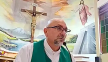
Priest dies after cross falls on him during livestreamed Mass
-

John Lennox urges Christians to overcome fear of sharing their faith
-

The Conversion Practices Bill is weaponised vagueness
-

Hillsong’s Joel Houston opens up about season of 'soul-searching' after difficult few years
-

Anti-Christian harassment continues to rise in Jerusalem
-

Young people are finding their way to the Christian faith through media, says bishop
Most Popular
News
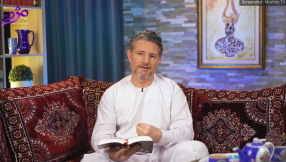
Afghanistan's first dedicated Christian TV channel launches despite Taliban restrictions
Mozhda TV, which its founders describe as the first Afghan Christian television channel, began broadcasting Saturday, Oct. 24, as church leaders, mission partners and Afghan believers gathered to mark its launch.
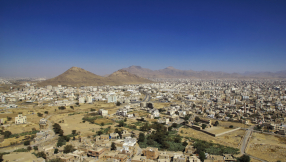
Yemen is key funding hub for Islamic State attacks on Christians - report
The report warns that Christians are seen as a particular target by the Islamic State.
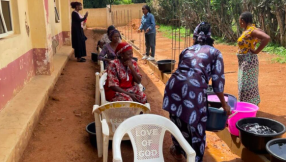
Christian widows in Nigeria hold fast to faith as they rebuild lives after violence
Hundreds of Christian widows in Nigeria’s Plateau State are putting their lives back together after losing husbands, homes and livelihoods to violence.
8 killed in attack on church in Jordan
In response to the shooting, Church leaders vowed that Christians will not be driven from their homeland.








