Venezuela's Roman Catholic Church has condemned the country's ruling Socialist Party for changing the words of the Lord's Prayer, addressing it to the late president, Hugo Chávez.
A representative of the Socialist Party, María Uribe, presented the so-called 'Delegate's Prayer' at a party meeting on September 1.
Uribe said: "Our Chávez, who art in heaven, the Earth, the seas, and we, delegates, hallowed be thy name. Thy legacy come, so we can spread it t people here and elsewhere. Give us this day light to guide us. Lead us not into the temptation of capitalism; deliver us from the evil of oligarchy, like the crime of contraband, because ours is the homeland, peace, and life. Forever and ever. Amen. Viva Chávez!"
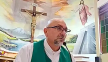
The Archbishop of Caracas, Cardinal Jorge Urosa Savino said in a statement on Wednesday: "The Lord's Prayer, the typical prayer for Christians around the world, comes from the very lips of our Lord Jesus Christ ... and is therefore untouchable."
He added: "Whoever says this new and inappropriate version [...] is committing the sin of idolatry, attributing to a human person qualities and actions that are proper to God.
"Just as no one would be allowed to change the words of the national anthem in order to honour somebody, neither is it licit to change the Our Father or any other Christian prayer, such as the Creed. The Catholic religious symbols, prayers, and elements must be respected."
Chávez was in power for 14 years. He died from cancer in March 2013, aged 58. His relationship with the Church was often strained, not least when the Church implicitly supported a two-day coup against the Socialist leader in 2002.
The current Venezuelan President, Nicolas Maduro, who describes himself as Chávez's 'spiritual son' said: "They couldn't get rid of Chávez while he was alive so now they want to persecute the people's spiritual love for him."
Cardinal Urosa asked the government and the Socialist party to avoid publicising the prayer "so that there isn't another reason for division among the Venezuelan people."
Most Venezuelans (96 per cent) describe themselves as Catholics, though much fewer regularly attend mass. Religious practice is often mixed with other influences, of which the spiritual adulation of their political leader is one example.