
Pakistani President Pervez Musharraf's opponents headed for a big election victory on Tuesday after voters rejected his former ruling party, raising questions about the future of the U.S. ally who has ruled since 1999.
No party is expected to win a majority in the 342-seat parliament but the opposition parties of assassinated former prime minister Benazir Bhutto and former prime minister Nawaz Sharif appeared to have won enough to command a majority, according to unofficial results.
But there was no confirmation from the parties, which have been fierce rivals in the past, that they would form a coalition.
At 7:20 a.m. British time, according to unofficial results from 241 seats, the PPP had won 80 and Sharif's Pakistan Muslim League (Nawaz) had 64. The pro-Musharraf Pakistan Muslim League (PML) trailed with 37. Small parties and independents shared the others.
Full unofficial results are due later on Tuesday.
Pakistan's main stock market welcomed the peaceful polls and absence of rigging complaints, and shares rose more than 2 percent by midday. But dealers said the formation of a parliament hostile to Musharraf would make investors nervous.
Monday's vote was postponed from January 8 after Bhutto was assassinated in a suicide attack on December 27, which raised concern about the nuclear-armed country's stability.
As president, former army chief Musharraf did not contest the elections, aimed at completing a transition to civilian rule, but the outcome could seal his fate.
A hostile parliament could try to remove Musharraf, who took power as a general in a 1999 coup and emerged as a crucial U.S. ally in a "war on terror" that most Pakistanis think is Washington's, not theirs.
Analysts said the implications for a president whose popularity slumped after he imposed emergency rule and purged the judiciary last year were ominous.
"It's the moment of truth for the president," said Abbas Nasir, editor of the Dawn newspaper. "There will be thoughts swirling in his mind, whether he can forge a working relationship with two parties whose leadership he kept out of the country."
Bhutto spent eight years in self-exile to avoid corruption charges she denied. Sharif was exiled a year after Musharraf ousted him in 1999. Both returned late last year.
Sharif was barred from the election because of past criminal convictions he says were politically motivated.
The election was relatively peaceful after a bloody campaign and opposition fears of rampant rigging by Musharraf's supporters proved unfounded.
COALITION QUESTIONS
Bhutto's Pakistan People's Party (PPP) had been expected to reap a sympathy vote, while Sharif's party is doing surprisingly well despite a mixed record as prime minister, when he clashed with the judiciary. His defiance of old foe Musharraf and support for the judges he purged had paid off, analysts said.
Seventy seats are reserved for women and religious minorities and allocated according to how many seats parties win. The total for the two opposition parties, with those allocations, looked set to be a majority.
Analysts say Musharraf wants a coalition between the PPP and the PML.
A victory for Sharif, who has repeatedly called for Musharraf's removal, or the inclusion of his party in a coalition with the PPP would be disastrous for the president.
He and Bhutto's widower, Asif Ali Zardari, who now leads her party, vowed before the election to cooperate in the fight for democracy but made no specific commitment on a coalition.
Neither leader was available for comment on Tuesday. Zardari was due to meet his party leaders later in the day.
Some analysts said the differences between the two parties made a coalition doubtful.
"The Sharifs and the core leadership of the PPP agree on almost nothing ideologically," a Western diplomat said before the vote, referring to Nawaz Sharif and his brother, Shahbaz.
Some analysts said the decisive factor in the PML's defeat was Musharraf's unpopularity and resentment over inflation, food shortages and power cuts.
Groups of happy opposition supporters celebrated in the streets in cities across the country as results trickled out.
Musharraf has said he would accept the results and work with whoever won to build democracy in a country that has alternated between civilian and army rule throughout its 60-year history.
Fear appeared to have kept many people from the polls. An election watchdog group estimated turnout of 35 percent.
Twenty people were killed in election violence, including, Zardari said, 15 PPP activists.
A secular ethnic Pashtun nationalist party was winning in North West Frontier Province, defeating Islamic parties that won there in the last elections in 2002.
11% OFF

VitaUp Beet Root Gummies with CoQ10 & Grape Seed - Nitric Oxide Circulation Support (60 Count)
$24.91 $27.91
50% OFF

HDPE All-Weather Adirondack Chair with Built-In Cup Holder - Tool-Free Assembly (Grey)
$69.99 $139.99
60% OFF

HOMETUK Clear Plastic Storage Bins with Dividers - 3-Pack Stackable Acrylic Organizer Containers for Fridge and Pantry
$19.99 $49.99
58% OFF

G Gradual Men's Fishing Shirt - UPF 50+ Lightweight Short Sleeve Button Down with Zipper Pockets
$14.99 $35.99
55% OFF

Everyfun 60" Rectangular Platform Tree Swing - 700lbs Heavy Duty Adjustable Outdoor Swing (Colorful)
$49.99 $110.99
61% OFF

Ekouaer Women's Casual Loose Jumpsuit - One-Piece Printed Sleeveless Wide Leg Romper with Pockets
$14.99 $37.99
40% OFF
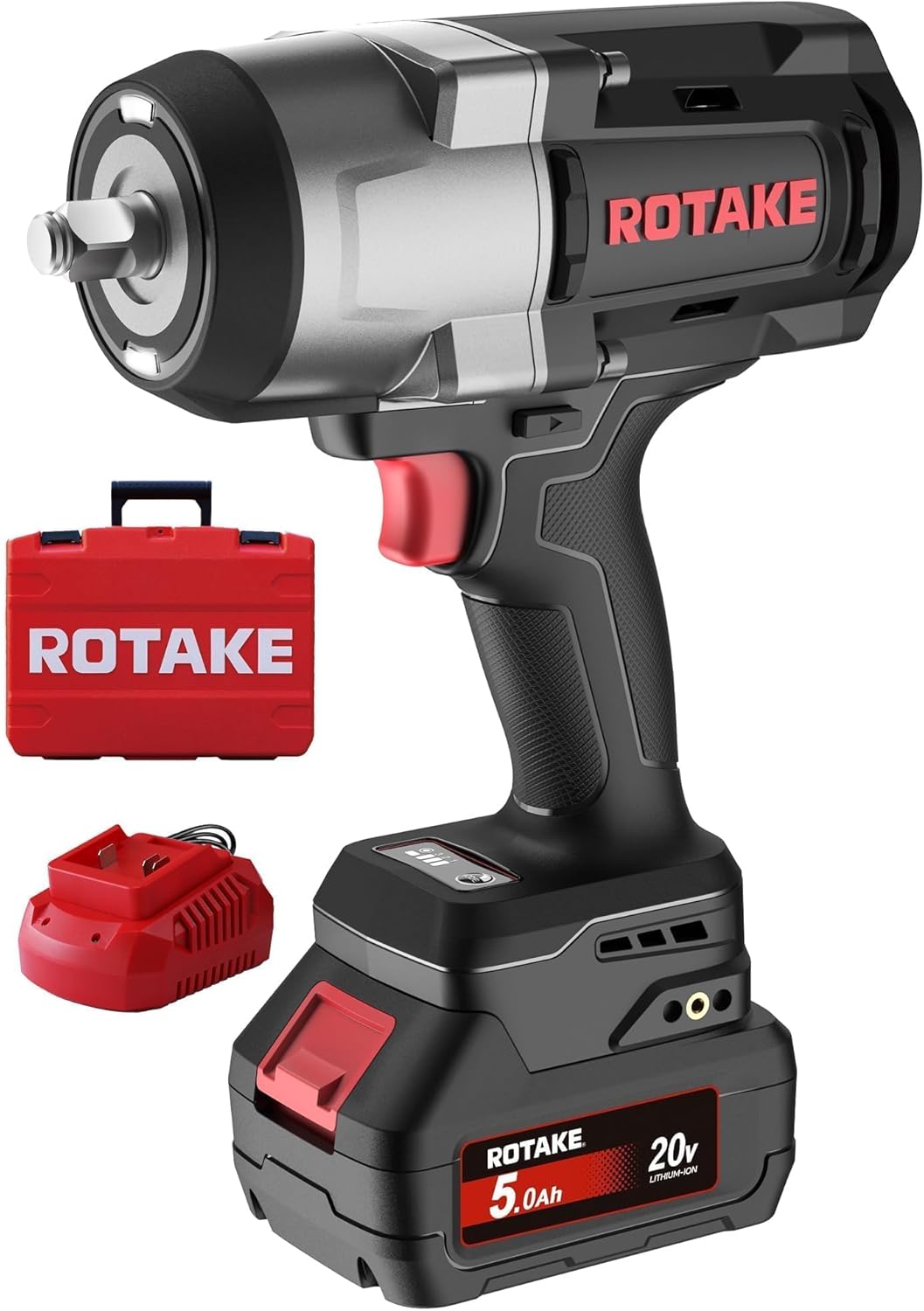
ROTAKE TB3 20V Heavy Duty 1/2" Cordless Impact Wrench Kit - 1380 Ft-Lbs Torque
$132 $219.99
36% OFF

Men's Athletic Running Shorts with Zipper Pockets - Lightweight & Quick Dry
$12.74 $19.99
61% OFF

Modern Ceiling Fan with Light and Remote - Reversible Quiet DC Motor
$69.3 $179.99
50% OFF

MOOKA H13 True HEPA Air Purifier for Home Large Room - 1076 sq ft Odor Eliminator
$39.97 $79.95
60% OFF

Ekouaer Women's Satin Silky Pajama Set - Short Sleeve Pullover Top & Wide-Leg Pants
$13.99 $34.99
55% OFF

Ekouaer 3-Piece Maternity & Nursing Pajamas Set - Short Sleeve Top with Shorts and Pants
$14.99 $32.99

Sealy 2-Pack Tritech 16" Twin Inflatable Air Mattress with Built-in AC Pump
$0 $113.99
20% OFF

INTEX Prism Frame 20ft x 52in Above Ground Pool Set - Round Steel Frame Swimming Pool
$695.99 $869.99

Gardner Pet 43" Heavy Duty Dog Crate with Wheels - Indestructible Folding Metal Cage (Black)
$0 $149.99
12% OFF

Elegant Mid-Century Modern Bar Stools - Set of 4
$395.99 $449.99
23% OFF

Ergonomic Office Chair - Big and Tall Desk Chair with Adjustable Lumbar Support
$279.99 $363.99
26% OFF

Magnelex American Flag Windshield Sun Shade - High-Resolution UV Reflective Heat Shield (X-Large)
$19.9 $26.9
20% OFF
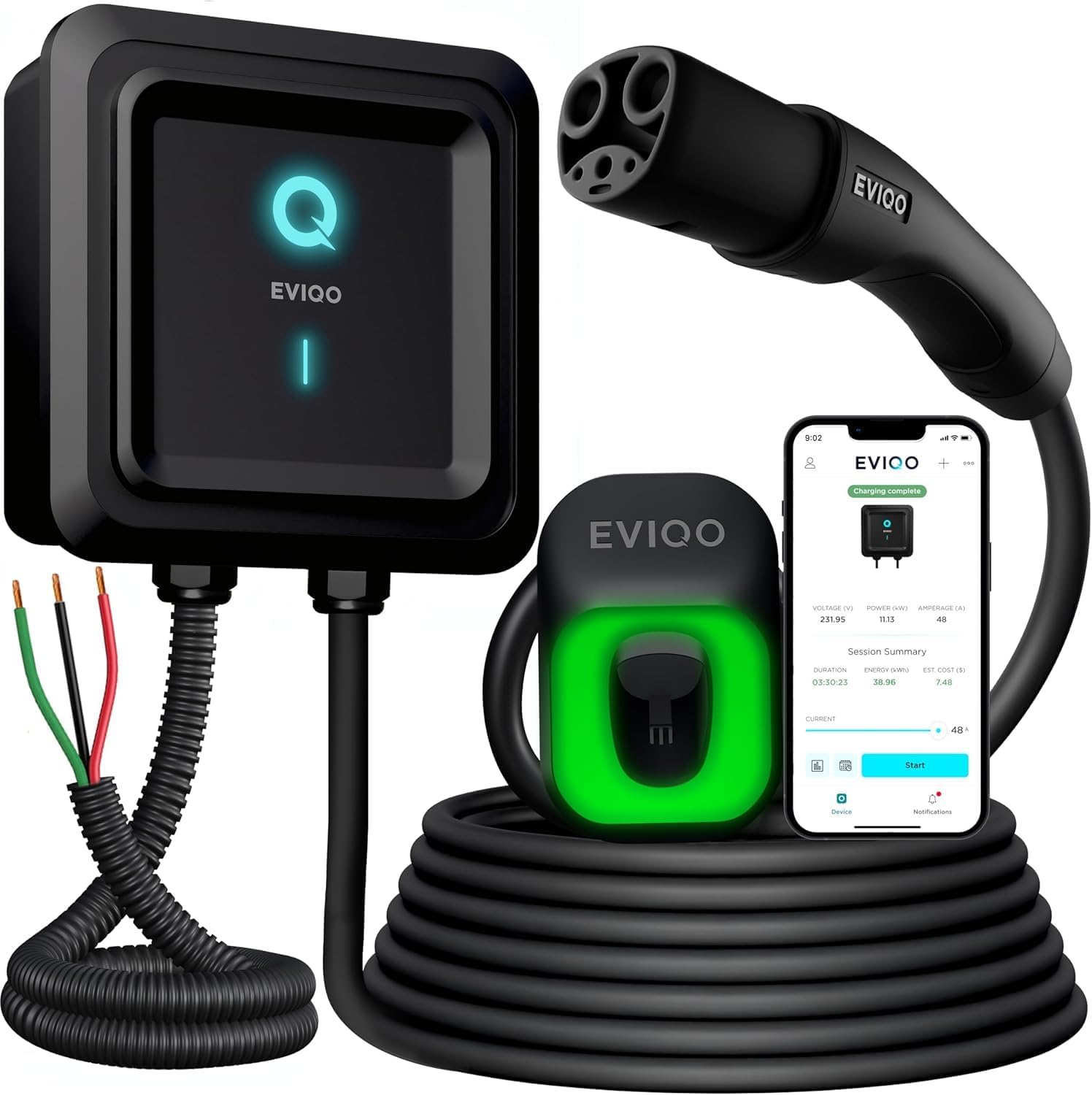
EVIQO 48 Amp NACS Level 2 EV Charger - Hardwired Smart WiFi Wall Charger for Tesla
$368.51 $458.55
50% OFF
DBFIT Air Purifier for Home Large Room
$29.99 $59.99



-

Historic Lancashire church secures £250,000 National Lottery grant for major roof repairs
-
Sunderland Minster PCC was right to push back over trans toilet sign
-

Secular group targets church over online preaching
-

Bethel Church distances itself from Todd Bentley and Mike Bickle
-

Christian police officer reaches settlement over diversity training discrimination claim
-

Christian loses case to remove LGBT symbols from workplace
Most Popular
News
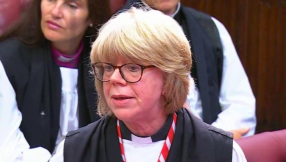
Archbishop of Canterbury highlights benefits and risks of AI
Archbishop Sarah Mullally joined the Pope in raising concerns about AI.

Church of England more than doubles conservation grants
The significant rise in funding was attributed partly to support from the National Lottery Heritage Fund.

Male silence has helped shape UK abortion culture
“Men and abortion is an area that is even more silenced than many of the other areas connected with women and abortion, which are silenced," says bioethicist Dr Anthony McCarthy.
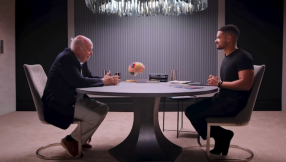
Diary of a CEO’s Steven Bartlett and John Lennox discuss AI, faith and the search for meaning
The Oxford professor shared fears of a “colossal power grab” as AI continues to evolve.
VitaUp Beet Root Gummies with CoQ10 & Grape Seed - Nitric Oxide Circulation Support (60 Count)
$24.91
HDPE All-Weather Adirondack Chair with Built-In Cup Holder - Tool-Free Assembly (Grey)
$69.99
HOMETUK Clear Plastic Storage Bins with Dividers - 3-Pack Stackable Acrylic Organizer Containers for Fridge and Pantry
$19.99
G Gradual Men's Fishing Shirt - UPF 50+ Lightweight Short Sleeve Button Down with Zipper Pockets
$14.99
Everyfun 60" Rectangular Platform Tree Swing - 700lbs Heavy Duty Adjustable Outdoor Swing (Colorful)
$49.99
Ekouaer Women's Casual Loose Jumpsuit - One-Piece Printed Sleeveless Wide Leg Romper with Pockets
$14.99
ROTAKE TB3 20V Heavy Duty 1/2" Cordless Impact Wrench Kit - 1380 Ft-Lbs Torque
$132
Men's Athletic Running Shorts with Zipper Pockets - Lightweight & Quick Dry
$12.74
Modern Ceiling Fan with Light and Remote - Reversible Quiet DC Motor
$69.3
MOOKA H13 True HEPA Air Purifier for Home Large Room - 1076 sq ft Odor Eliminator
$39.97
Ekouaer Women's Satin Silky Pajama Set - Short Sleeve Pullover Top & Wide-Leg Pants
$13.99
Ekouaer 3-Piece Maternity & Nursing Pajamas Set - Short Sleeve Top with Shorts and Pants
$14.99
Sealy 2-Pack Tritech 16" Twin Inflatable Air Mattress with Built-in AC Pump
$0
INTEX Prism Frame 20ft x 52in Above Ground Pool Set - Round Steel Frame Swimming Pool
$695.99
Gardner Pet 43" Heavy Duty Dog Crate with Wheels - Indestructible Folding Metal Cage (Black)
$0
Elegant Mid-Century Modern Bar Stools - Set of 4
$395.99
Ergonomic Office Chair - Big and Tall Desk Chair with Adjustable Lumbar Support
$279.99
Magnelex American Flag Windshield Sun Shade - High-Resolution UV Reflective Heat Shield (X-Large)
$19.9
EVIQO 48 Amp NACS Level 2 EV Charger - Hardwired Smart WiFi Wall Charger for Tesla
$368.51
DBFIT Air Purifier for Home Large Room
$29.99