
|PIC1|One of the abiding memories of Hope08 was that 1500 church groups ran carnivals, environmental projects, new street pastor schemes, youth projects, old people’s luncheon clubs to serve the local community. You name it, the churches did it! Brilliant.
Last month I reflected on mission from the perspective of Churches Together in England, and said that we needed to be ‘customer driven’. This may have seemed obvious to some but it is a clear challenge to others.
We are so used to putting on church activities, often in the best possible way, but more because we have a good idea or it suits our needs rather than those with need.
I was involved in a mission weekend when we planned two activities. One was an evening meal in a nice hotel, so nice in fact that the church decided it need to subsidise the cost. ‘What a great idea’ I hear you say. Yes it was, but no one really wanted to come. In contrast, the afternoon activity collected people from four homes for older people for a community sing-along: which was so successful we had to limit numbers. One was a good idea, the other served a need.
So, having established the ‘customer driven’ principle, which, by the way is exactly how Jesus approached the people around him, lets now look more at the second principle: that of being ‘project led’.
In my experience churches do not work so well together when the aim is just to get to know one another. Important though that is, the real attraction for people to get involved is when there is a joint project to run, especially if it serving the needs outside the church community.
As illustrated in the evaluation of Hope 08, all sorts of groups got together who had not worked together before, mainly to serve a new common cause. Disagreements of theology and practice melt away as service of other people takes over.
Friendships, coalitions, partnerships naturally develop when you want to make a project going. Again this is a Jesus principle as we might see in the feeding of the five thousand or the sending out of the seventy two. Like them we may well ‘return with great joy’.
|PIC1|So often our churches are driven by tradition or the ideas of a few people in leadership. How much more effective might we be if we could agree some bigger projects of joint action. In our little corner of Coventry we have a youth outreach which is run by three churches, one of which has taken a lead (more about that principle next month). It might be unsustainable with one church, but with three we can do it together.
Building on the lessons learnt from Hope 08 and a host of other initiatives in mission, we are beginning to think how the churches in any given area can respond to the challenge of the Olympics in 2012. If you have not thought already begin to pray and have a look at the projects already planned through www.morethangold.org.uk
By the way, it is not too early to start thinking and praying about 2012, especially as your local Council, Education Authority and lots of other community groups are already thinking about ventures you could join in with.
More immediately however, many churches will be running a joint Alpha course. This can be another excellent example of fulfilling the prayer for Jesus from John 17 that we may be one ‘that the world may believe’.
Then of course it is less than 12 weeks to Christmas! What an amazing opportunity that still is for pointing people to Jesus. In addition to joint Carol Concerts, a project you could consider is an advertising campaign through www.churchads.org.uk
Even before Christmas arrives we can consider ‘Get in the Picture’ where churches host an open air nativity scene and invite people to be photographed in it. The picture can then appear on a website which links with stories, videos and local church links.
Find out more at: www.christiantoday.com
All this shows that mission is an adventure and Jesus calls us to ventures of faith. So lets be ‘customer driven and project led’ as he inspires!
11% OFF

VitaUp Beet Root Gummies with CoQ10 & Grape Seed - Nitric Oxide Circulation Support (60 Count)
$24.91 $27.91
50% OFF

HDPE All-Weather Adirondack Chair with Built-In Cup Holder - Tool-Free Assembly (Grey)
$69.99 $139.99
60% OFF

HOMETUK Clear Plastic Storage Bins with Dividers - 3-Pack Stackable Acrylic Organizer Containers for Fridge and Pantry
$19.99 $49.99
58% OFF

G Gradual Men's Fishing Shirt - UPF 50+ Lightweight Short Sleeve Button Down with Zipper Pockets
$14.99 $35.99
55% OFF

Everyfun 60" Rectangular Platform Tree Swing - 700lbs Heavy Duty Adjustable Outdoor Swing (Colorful)
$49.99 $110.99
61% OFF

Ekouaer Women's Casual Loose Jumpsuit - One-Piece Printed Sleeveless Wide Leg Romper with Pockets
$14.99 $37.99
40% OFF
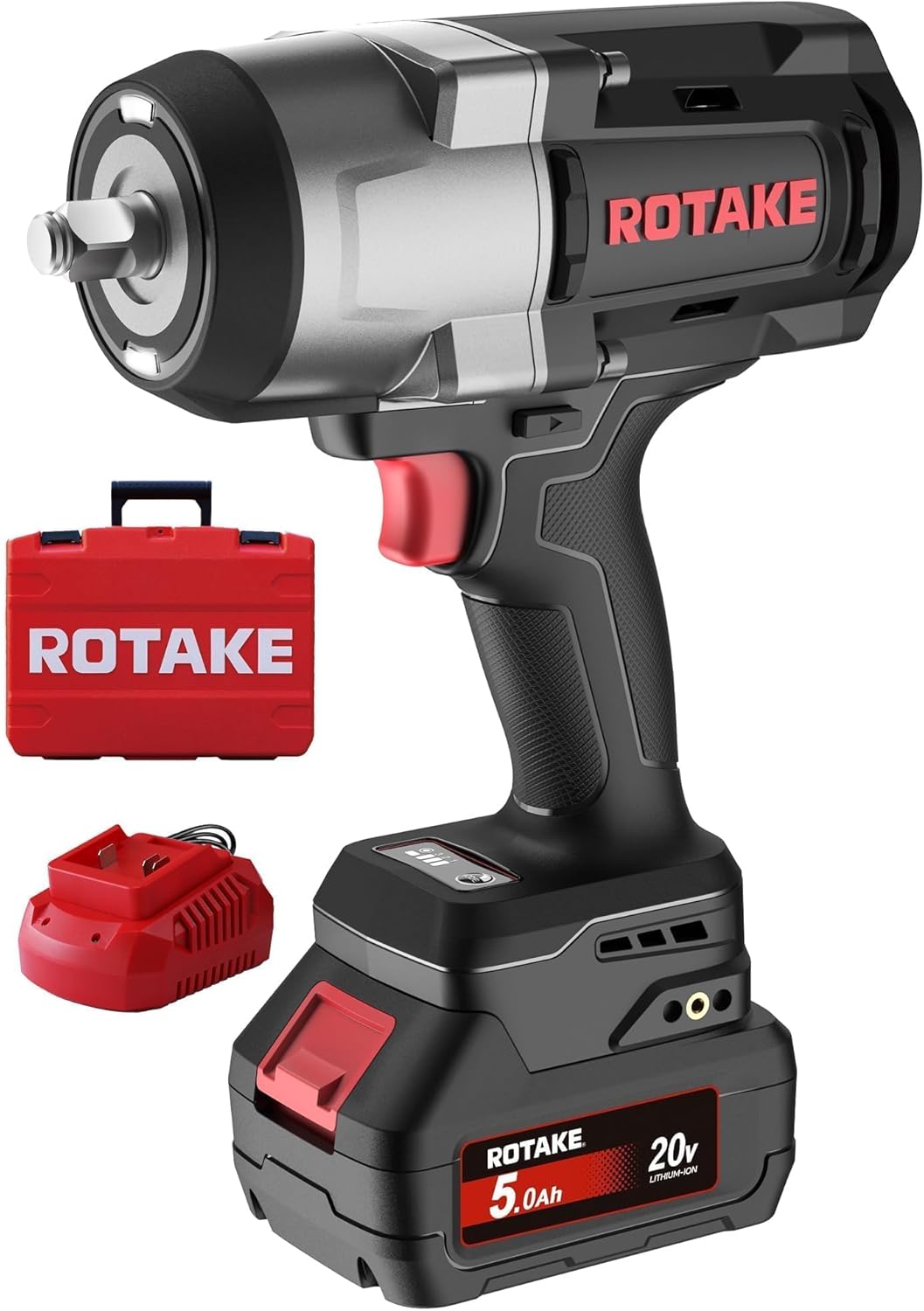
ROTAKE TB3 20V Heavy Duty 1/2" Cordless Impact Wrench Kit - 1380 Ft-Lbs Torque
$132 $219.99
36% OFF

Men's Athletic Running Shorts with Zipper Pockets - Lightweight & Quick Dry
$12.74 $19.99
61% OFF

Modern Ceiling Fan with Light and Remote - Reversible Quiet DC Motor
$69.3 $179.99
50% OFF

MOOKA H13 True HEPA Air Purifier for Home Large Room - 1076 sq ft Odor Eliminator
$39.97 $79.95
60% OFF

Ekouaer Women's Satin Silky Pajama Set - Short Sleeve Pullover Top & Wide-Leg Pants
$13.99 $34.99
55% OFF

Ekouaer 3-Piece Maternity & Nursing Pajamas Set - Short Sleeve Top with Shorts and Pants
$14.99 $32.99

Sealy 2-Pack Tritech 16" Twin Inflatable Air Mattress with Built-in AC Pump
$0 $113.99
20% OFF

INTEX Prism Frame 20ft x 52in Above Ground Pool Set - Round Steel Frame Swimming Pool
$695.99 $869.99

Gardner Pet 43" Heavy Duty Dog Crate with Wheels - Indestructible Folding Metal Cage (Black)
$0 $149.99
12% OFF

Elegant Mid-Century Modern Bar Stools - Set of 4
$395.99 $449.99
23% OFF

Ergonomic Office Chair - Big and Tall Desk Chair with Adjustable Lumbar Support
$279.99 $363.99
26% OFF

Magnelex American Flag Windshield Sun Shade - High-Resolution UV Reflective Heat Shield (X-Large)
$19.9 $26.9
20% OFF
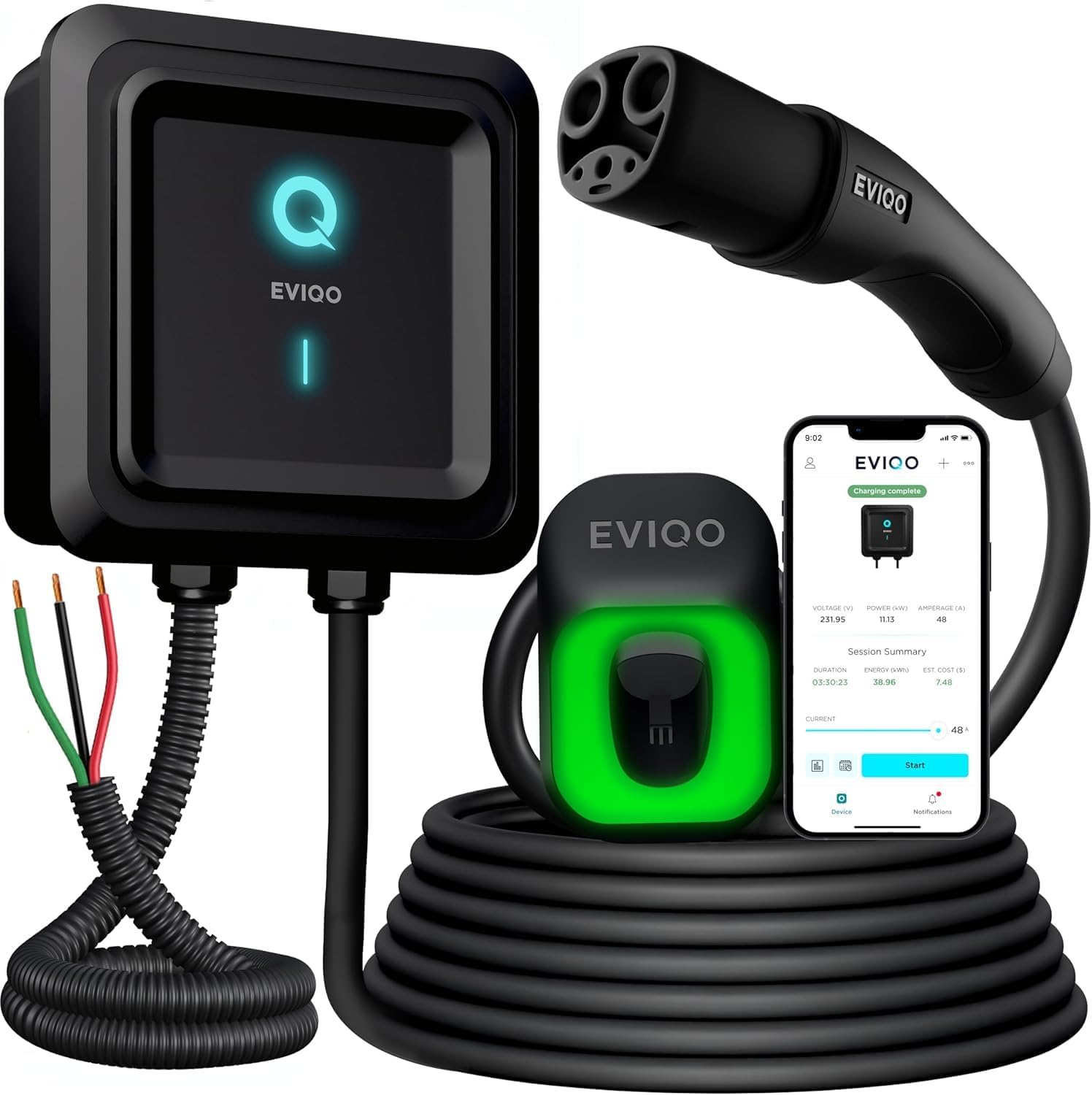
EVIQO 48 Amp NACS Level 2 EV Charger - Hardwired Smart WiFi Wall Charger for Tesla
$368.51 $458.55
50% OFF

DBFIT Air Purifier for Home Large Room
$29.99 $59.99




-

Historic Lancashire church secures £250,000 National Lottery grant for major roof repairs
-

Sunderland Minster PCC was right to push back over trans toilet sign
-

Bethel Church distances itself from Todd Bentley and Mike Bickle
-

Christian police officer reaches settlement over diversity training discrimination claim
-

Turkey's hidden Christian past: Extraordinary discoveries are rewriting the story of early Christianity
-

Diary of a CEO’s Steven Bartlett and John Lennox discuss AI, faith and the search for meaning
Most Popular
News

Pride and the Gospel: the way of self or the way of Christ?
As Christians, our understanding of pride is shaped not primarily by culture, but by Scripture.

Campaign urging greater support for Christian education
Unite for Education founder, Niel Deepnarain, said Christians must be willing to engage publicly with educational issues rather than remain silent.

Welsh reverend speaks of culture of fear over LGBT issues
Many people have already left the Church in Wales over its stance on same-sex relationships, an evangelical leader has said.

Reddit users declare small Welsh church best place in the world
Users voted to eliminate one half of a map until only one location remained.
VitaUp Beet Root Gummies with CoQ10 & Grape Seed - Nitric Oxide Circulation Support (60 Count)
$24.91
HDPE All-Weather Adirondack Chair with Built-In Cup Holder - Tool-Free Assembly (Grey)
$69.99
HOMETUK Clear Plastic Storage Bins with Dividers - 3-Pack Stackable Acrylic Organizer Containers for Fridge and Pantry
$19.99
G Gradual Men's Fishing Shirt - UPF 50+ Lightweight Short Sleeve Button Down with Zipper Pockets
$14.99
Everyfun 60" Rectangular Platform Tree Swing - 700lbs Heavy Duty Adjustable Outdoor Swing (Colorful)
$49.99
Ekouaer Women's Casual Loose Jumpsuit - One-Piece Printed Sleeveless Wide Leg Romper with Pockets
$14.99
ROTAKE TB3 20V Heavy Duty 1/2" Cordless Impact Wrench Kit - 1380 Ft-Lbs Torque
$132
Men's Athletic Running Shorts with Zipper Pockets - Lightweight & Quick Dry
$12.74
Modern Ceiling Fan with Light and Remote - Reversible Quiet DC Motor
$69.3
MOOKA H13 True HEPA Air Purifier for Home Large Room - 1076 sq ft Odor Eliminator
$39.97
Ekouaer Women's Satin Silky Pajama Set - Short Sleeve Pullover Top & Wide-Leg Pants
$13.99
Ekouaer 3-Piece Maternity & Nursing Pajamas Set - Short Sleeve Top with Shorts and Pants
$14.99
Sealy 2-Pack Tritech 16" Twin Inflatable Air Mattress with Built-in AC Pump
$0
INTEX Prism Frame 20ft x 52in Above Ground Pool Set - Round Steel Frame Swimming Pool
$695.99
Gardner Pet 43" Heavy Duty Dog Crate with Wheels - Indestructible Folding Metal Cage (Black)
$0
Elegant Mid-Century Modern Bar Stools - Set of 4
$395.99
Ergonomic Office Chair - Big and Tall Desk Chair with Adjustable Lumbar Support
$279.99
Magnelex American Flag Windshield Sun Shade - High-Resolution UV Reflective Heat Shield (X-Large)
$19.9
EVIQO 48 Amp NACS Level 2 EV Charger - Hardwired Smart WiFi Wall Charger for Tesla
$368.51
DBFIT Air Purifier for Home Large Room
$29.99