
|PIC1|A couple of years ago as I was preparing my talks for The Leadership Summit, I was meditating on why a church leader's influence is so paramount in the redemptive work that we're all called to do.
I started to recall all the experiences I've had with literally hundreds of churches throughout the world. I recalled the faces of the battle-weary pastors who wondered aloud whether or not it was all worth it, and I sympathised deeply with the numerous challenges that were unique to their particular community or part of the world.
And then I recalled some of the things I learned having been around Washington DC. I became very aware of what our government leaders can and cannot do. They can write some laws and change some broad legislative actions but they can't change the nature of the human heart.
They cannot take a fundamentally hateful person and turn him or her into a fundamentally loving person. They cannot take someone who is unconcerned about the poor and make them concerned about the poor.
That transforming work is distinctly the work of Christ as a result of the gospel message being proclaimed through local churches. If that's true, I thought, then there's a whole lot more riding on this thing we call church leadership than meets the eye.
In a moment of personal clarity, I began to understand the "Kingdom math" in a way I hadn't before. The new "equation" - if you will - raised the stakes for me and helped fuel my already white-hot passion for helping church leaders in the world's most important mission.
It goes something like this: If you change a church leader, you change a church. If you change a church, you can change a community. If you change enough churches in that community, you can change a region, a nation, and eventually the world.
Change a Leader, Change a Church
If you're ever going to change a church, a church leader will have to change from having a fuzzy vision (or no vision) to a clear and hot vision. They'll have to change from a protecting ground mentality to a taking new ground mentality. They'll have to change from merely presiding over a church to energising,empowering, and unleashing a church. A huge change has to occur in the heart, mind and skills of a leader in order for the rest of the equation to make sense.
A leader who has experienced that kind of change can then effect change in their church by changing it from a vision-free church to a vision-focused church and from a passive, spectator-orientated environment to an engaged, activistic environment.
A church whose top value used to be comfort and convenience will turn into one that thrives on commitment and mission achievement, and a church mired in lethargy will transform into one that pulsates with passion.
Change a Community
Every church is called in Scripture to effect its community. That is the "salt and light" concept referred to in Matthew 5. It is the feed the hungry, clothe the naked, provide resources for the poor, love thy neighbour, relieve oppression, change inequitable structures, and be a conscience to the community concept.
But that doesn't happen automatically. Once a church is energised in all the right ways by the power of the gospel and the unquenched Spirit working in the congregation's life, then that energy has to be focused. So many churches consider "success" the aggregating of ever-increasing numbers of people. But that is only one measurement, and, in some cases, not even a good measurement of effectiveness. A much better measurement of effectiveness is how many people in the church are envisioned and equipped to bring Christ to their arena of influence. How many bring the power of the gospel into where they work, live, and play golf, and into the neediest areas of the community?
If you are going to change the world, the world changes one block at a time, one neighbourhood at a time, one community at a time. Until you are effecting your community you are never going to change the world.
Change a Region, Change a Nation
What I have observed is that if there is one lead church or one pace-setting church in a community it tends to inspire the behaviour of other churches. Then, the collective membership of those on-fire churches really do effect a community enough for it to begin to effect its region, its county, and then its state, country, and world.
I was in a community recently where there is quantifiable evidence that the crime rate has gone down in an area where a whole bunch of churches have gathered together. I also think of the efforts of Jim Tomberlin, one of our pastors here at Willow. When he used to lead a church in Colorado Springs, he initiated a network of like-minded Colorado Springs churches that decided they were going to do their best to eradicate homelessness from the metropolitan Colorado Springs area, and they made substantial progress on that front.
Then there's Matthew Barnett, pastor of The Dream Center in downtown Los Angeles. Through the collected efforts of many church leaders in that area, they established neighbourhood ministries in a concentrated urban area that have dramatically affected homelessness, unemployment, and hunger. That has effected their neighbourhoods and continues to spread through their region.
Change the World?
During a recent interview, a reporter asked if it's reasonable to believe that something as deep and pervasive as worldwide transformation can actually be traced back to a church leader. My answer then, and now, is yes. To seriously consider the alternative - pessimism and a "why-try?" attitude - is unconscionable for a serious-minded Christian.
I have to be able to wake up every day and say, "It is possible for a church to change, and it is possible that a community can change, and the world can change."
I believe it is possible by faith. I believe it is going to take far more than just me and far more than just my lifetime. Mostly what I am trying to do is to set the strategy for something that may take us another 50 years to achieve. But it is possible, and necessary. We are mandated to do it and the alternative - giving up -is unthinkable.
I want to focus my expendable, disposable income, an inordinate amount of my time and my energy toward the first domino in the world-change equation: Pastors. Because we are never going to see the end result unless we trip that first domino.
Now What?
Leaders ask me all the time, "Now that I know who I am and what I was born to do, now what?" And my answer is consistently the same: Take responsibility for your own leadership development. Be the best leader you can possibly be. Read everything on leadership you can possibly read, go to leadership workshops and conferences, find a leader who is ahead of you and get mentored, and continue to lead at the highest level you can lead.
Do all these things not because you'll add numerical growth to your church, earn a higher degree of respect from your peers, or because it might add a few more abbreviations to your title. Do them because the One who redeemed you didn't make a mistake when He entrusted you with the gift of leadership. Do them because the alternative is unthinkable. Do them because it's the single greatest contribution a leader can make toward the equation that can eventually change the world.
Reprinted with permission from WILLOW magazine
50% OFF

Women's Oversized Henley Crewneck Sweatshirt – Faux Layered 2-in-1 Pullover, No Hood, Long Sleeve Fall Top for Office, Travel & Teacher Outfits
$14.99 $29.98
54% OFF
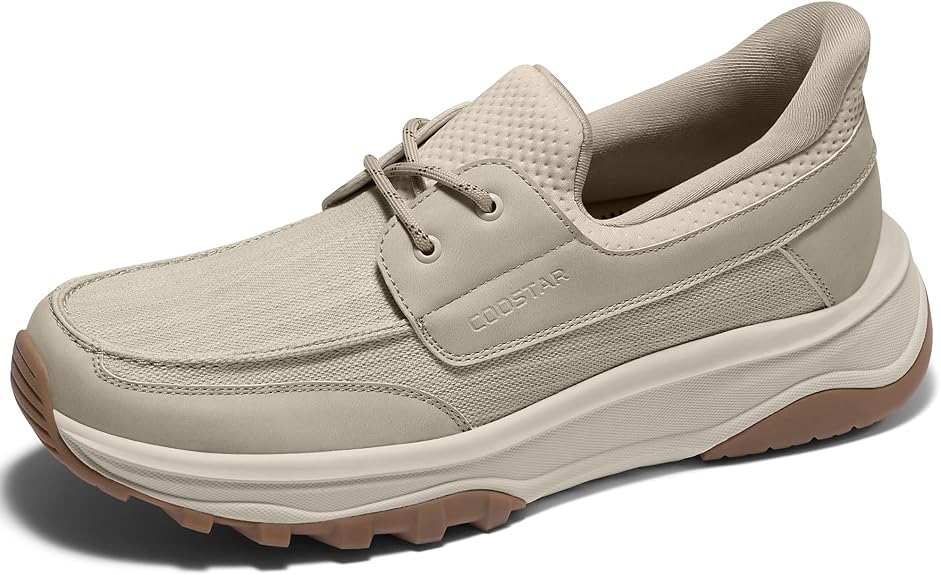
Coostar Men's Orthopedic Slip On Loafers – Hands-Free Casual Walking Shoes with Arch Support, Non-Slip Sole, Breathable Canvas Upper
$21.99 $47.99
60% OFF
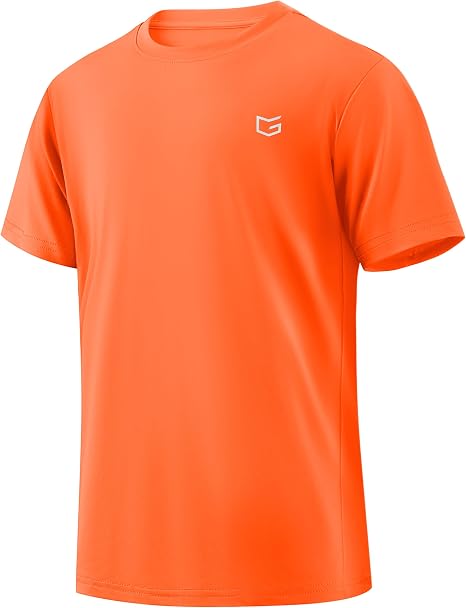
G Gradual Boys Athletic Rash Guard Shirt – UPF 50+ Dry Fit Swim & Sports T-Shirt, Short Sleeve Crew Neck for Soccer, Baseball, Basketball & Undershirt
$7.92 $19.99
41% OFF

Mobile Rolling Clothing Rack with Wheels - Perfect for Home and Office
$20.79 $34.99
30% OFF

Lumbar Support Pillow for Car with Headrest – Memory Foam Full-Length S-Curve Back & Neck Cushion for Long Drives, Fits Cars, SUVs & Trucks
$32.89 $46.99
46% OFF
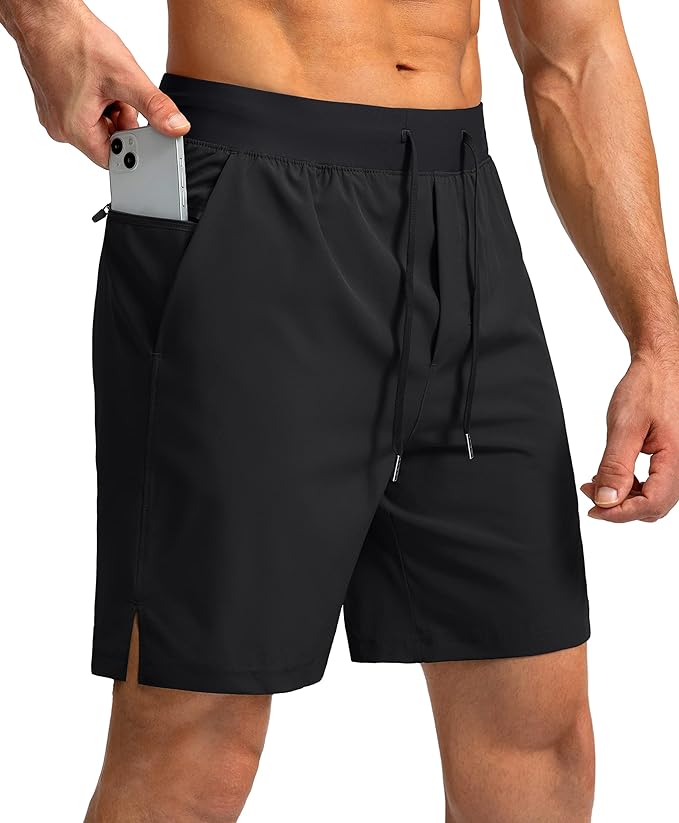
Soothfeel Men's Running Shorts with Zipper Pockets – Quick Dry Athletic Shorts in 9", 7" & 5" Inseams for Basketball, Gym & Workout
$12.91 $23.99
40% OFF
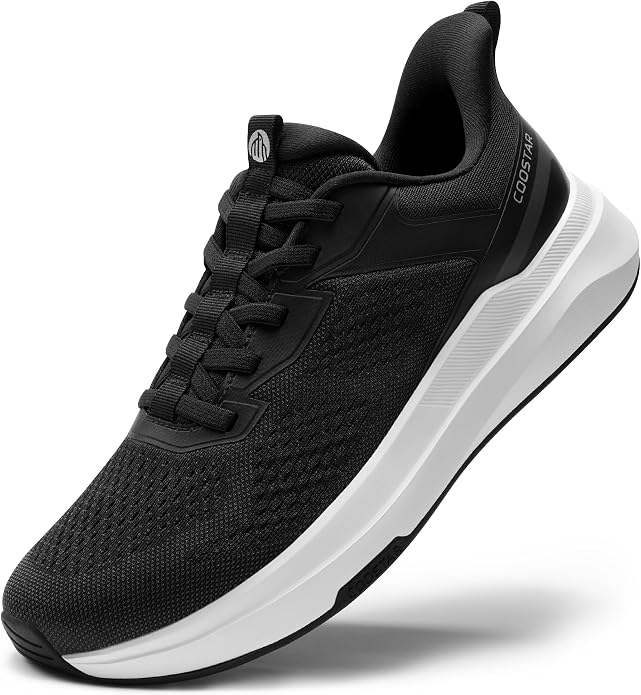
Men's Slip On Walking Shoes – Hands-Free Casual Sneakers with Arch Support, Wide Stable Base, Breathable Knit Upper, Non-Slip Traction
$29.99 $49.99
52% OFF
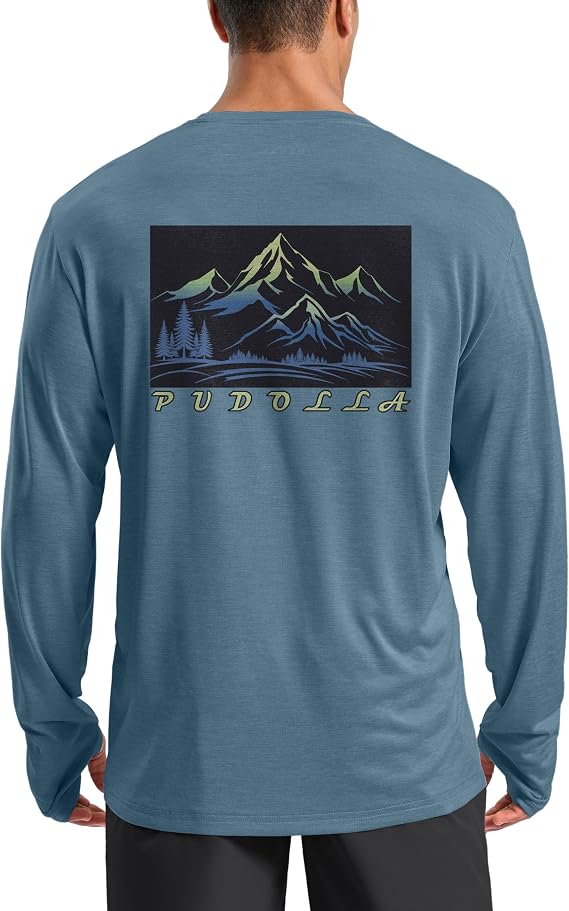
Pudolla Men's UPF 50+ Sun Shirt – Long Sleeve Quick Dry Hiking & Running Shirt with Thumb Holes, Lightweight Moisture-Wicking Rash Guard Base Layer
$11.99 $24.99
35% OFF
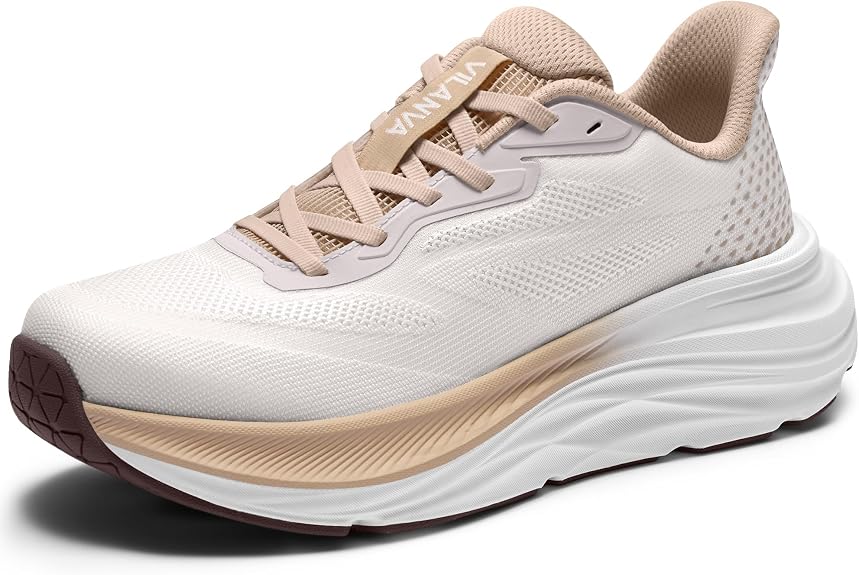
Vilanva Women's Walking Shoes – Cushioned Lightweight Running Sneakers with Slip-Resistant Sole, Breathable Woven Upper for Everyday Wear & Workouts
$35.09 $53.99
24% OFF
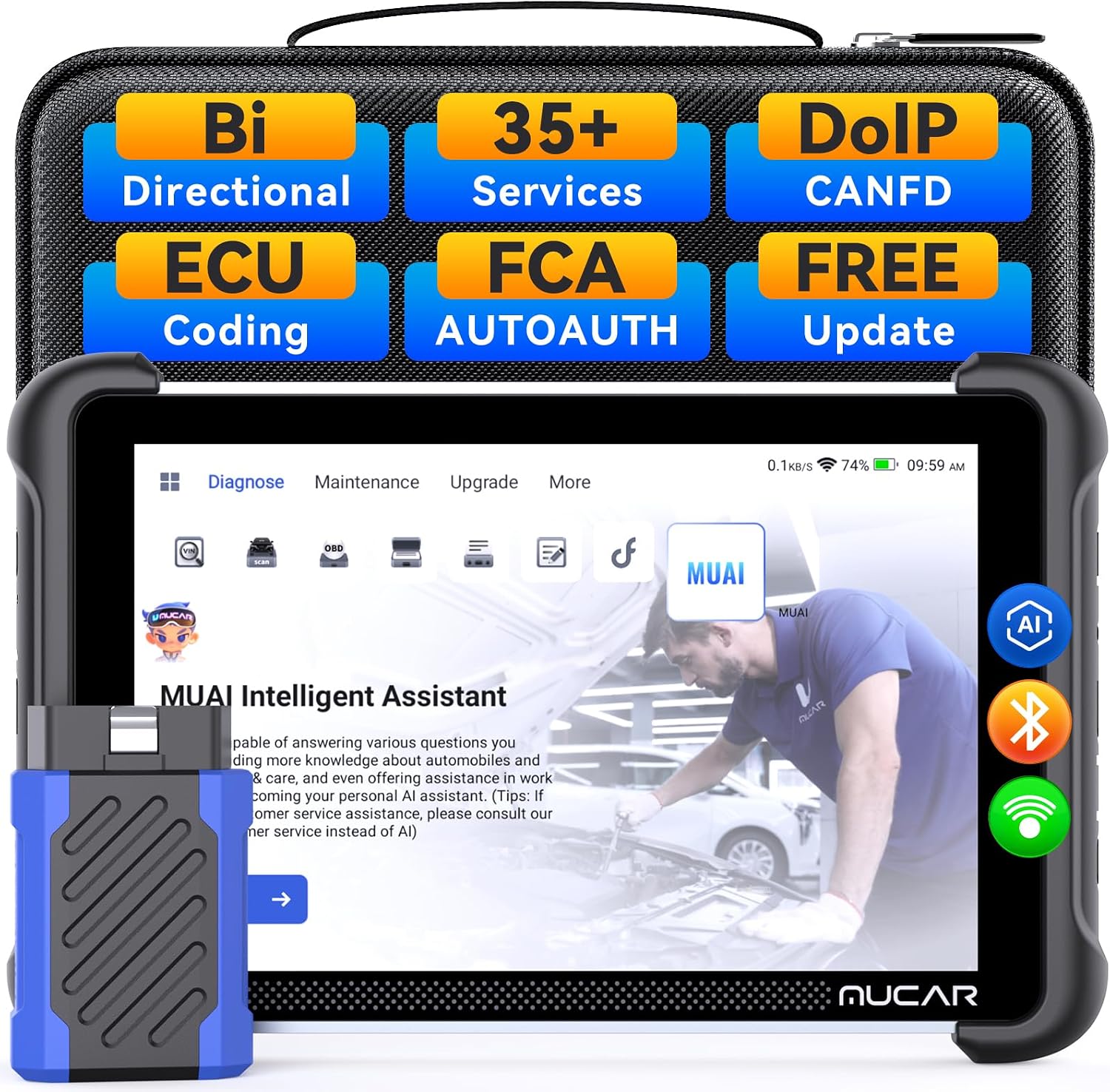
MUCAR 892BT AI-Assisted Bidirectional OBD2 Scan Tool with ECU Coding (8" Touchscreen)
$479 $629.99
67% OFF

Rocoren 12-Pack Magnetic Cable Clips – 360° Rotating Cord Organizer with No-Residue Adhesive, Cord Holder for Desk, Nightstand, Wall, Car & Office, White
$6.5 $19.99
60% OFF

Red Light Therapy Mask for Face – 7-Color LED Silicone Facial Mask, Cordless Rechargeable Skincare Device with 240 LEDs for Home & Travel
$39.99 $99.99
77% OFF
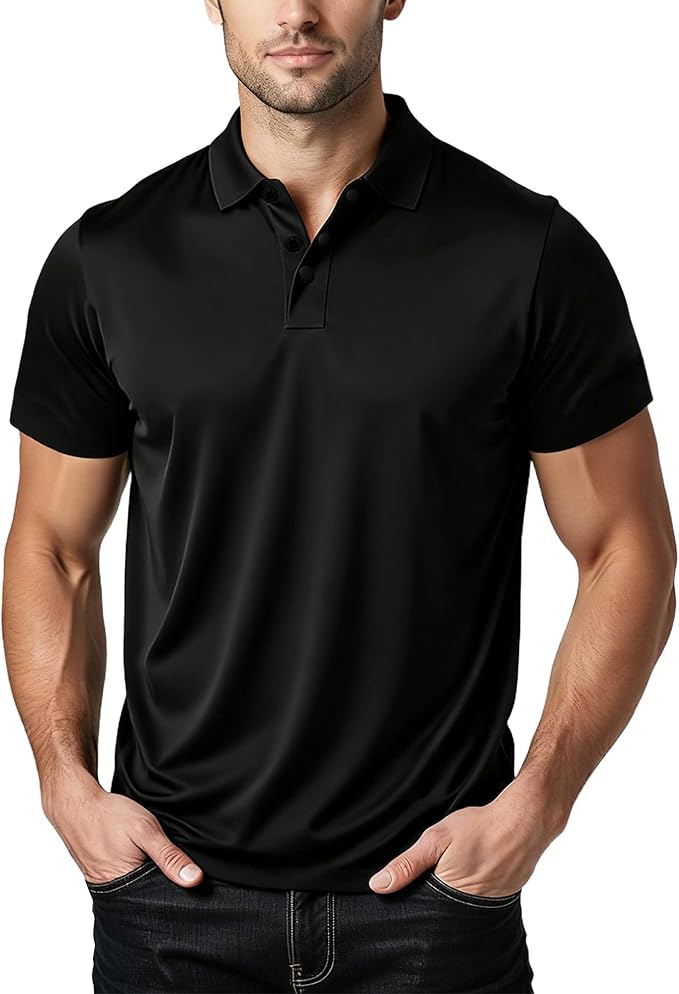
Men's Slim Fit Polo Shirt – Quick Dry Moisture Wicking, High Elasticity, Athletic Fit Polo for Golf, Tennis, Work & Casual Wear (Runs Small, Size Up)
$6.99 $29.99
28% OFF
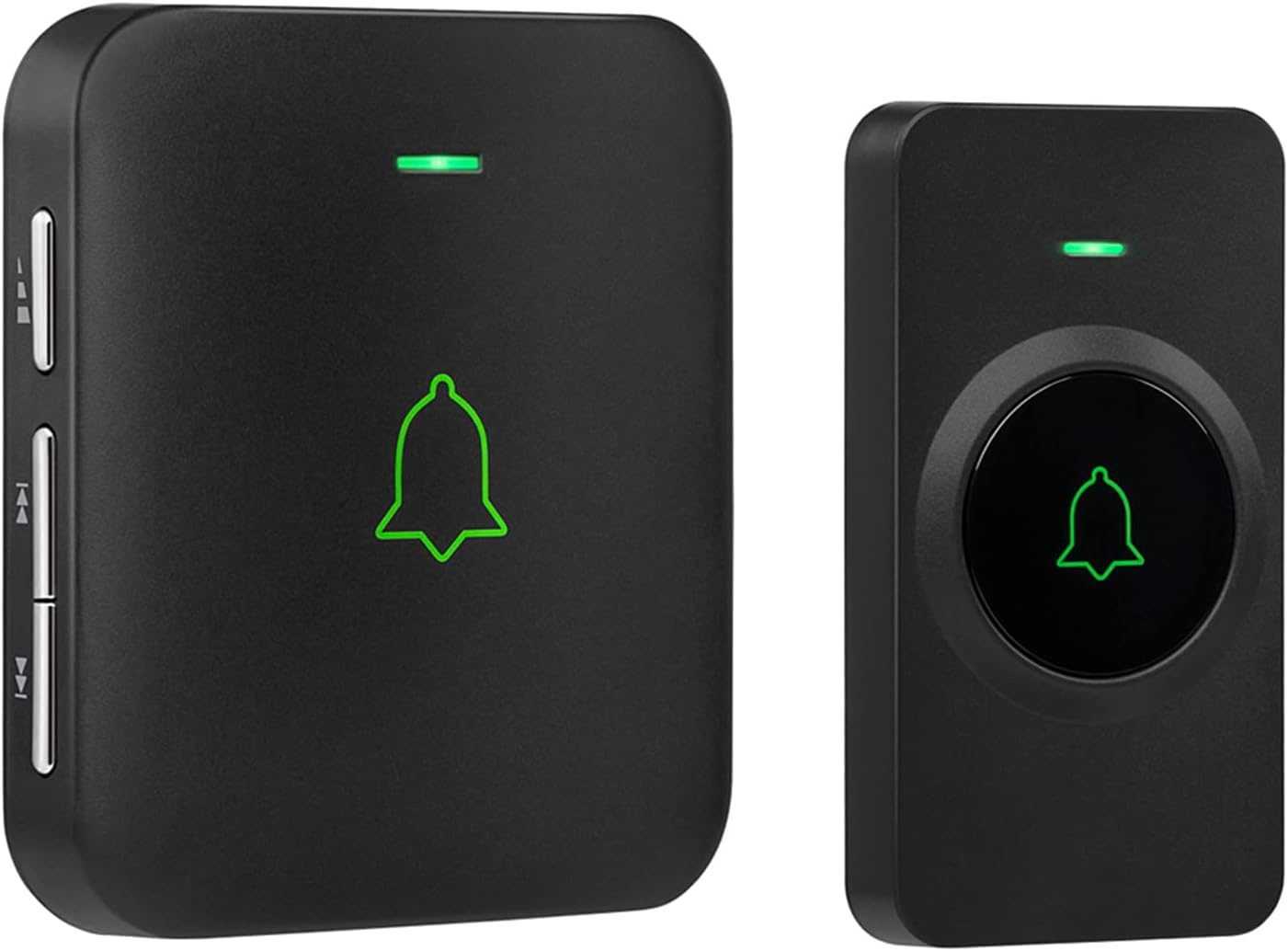
AVANTEK Wireless Doorbell CB-11 – 1000 ft Range, 1 Button + 1 Plug-In Receiver, 115 dB Volume, LED Flash, 52 Chimes, Waterproof, 3-Year Battery
$12.91 $17.99
50% OFF
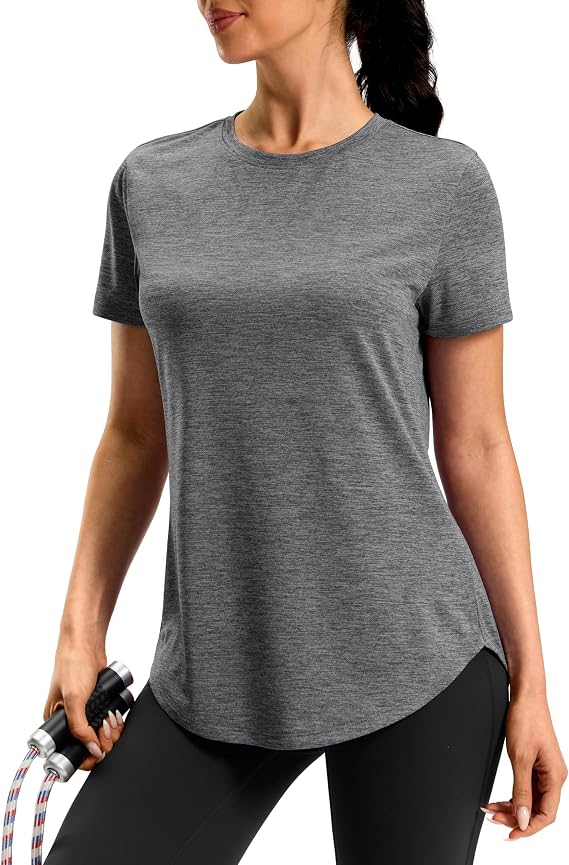
Women's Workout Shirts – Bum-Covering Length Short Sleeve Dry Fit Tops, Lightweight & Breathable for Athletic, Hiking, Running & Summer Wear
$6.99 $13.99
50% OFF
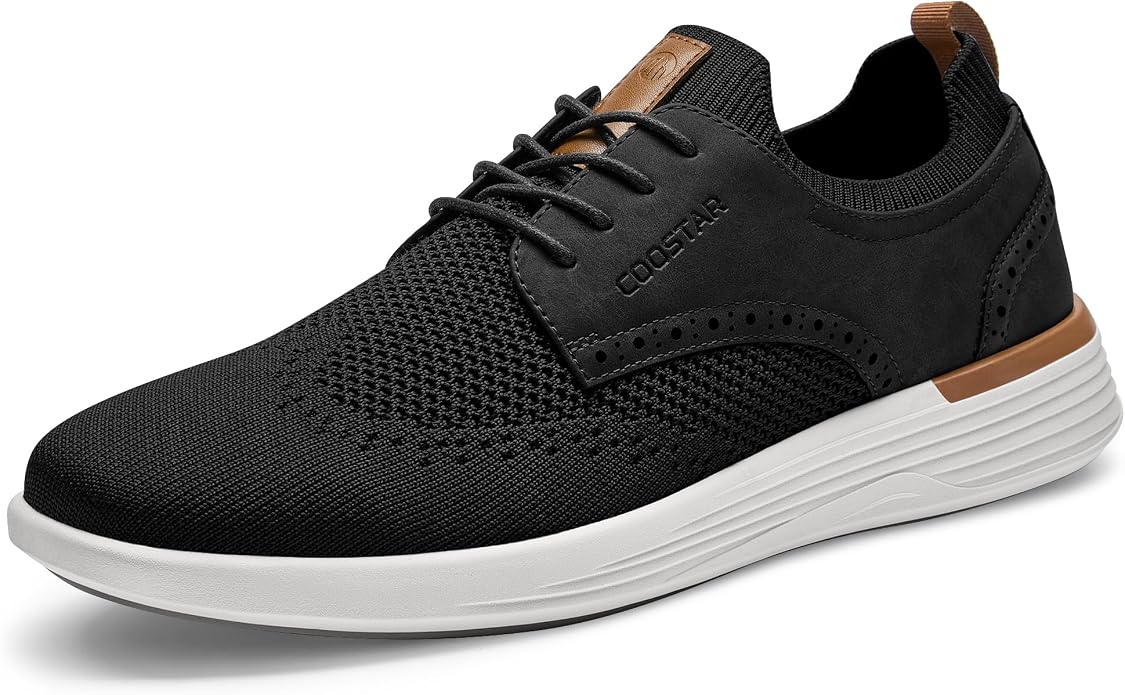
Coostar Men's Casual Dress Sneakers – Lightweight Wingtip Oxford Style with Breathable Knit Upper, Rubber Sole & Slip-On Elastic Collar, Business & Walking Shoe
$22.49 $44.99
45% OFF
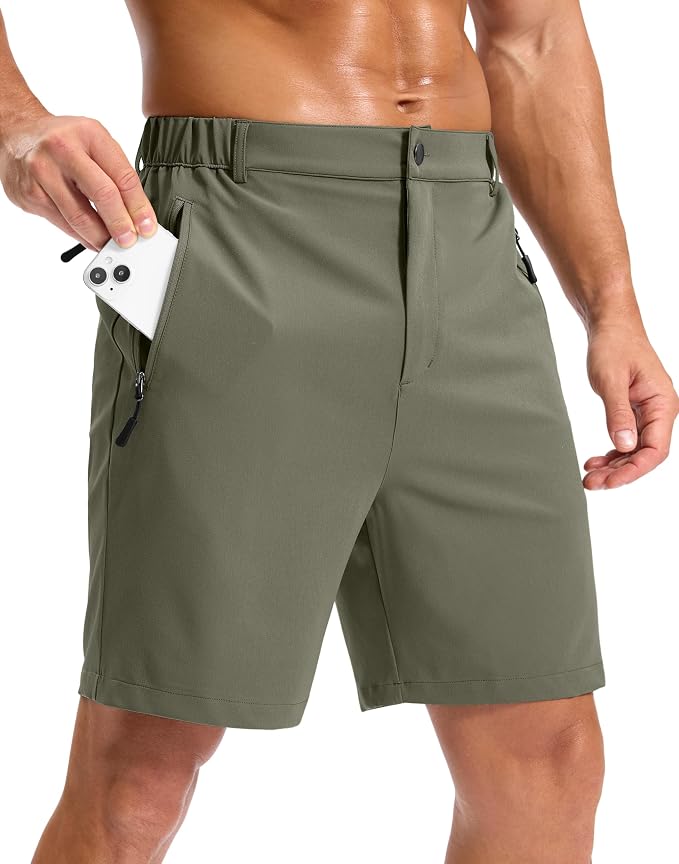
Pudolla Men's Quick Dry Hiking and Golf Shorts with 3 Zipper Pockets
$14.84 $26.99
50% OFF

Venture Pal Ceremonial Grade Matcha Green Tea Powder – First Harvest, Shade Grown, 100% Pure with No Additives, Unsweetened, Vegan & Gluten-Free, 30g Tin
$7.5 $14.99
40% OFF
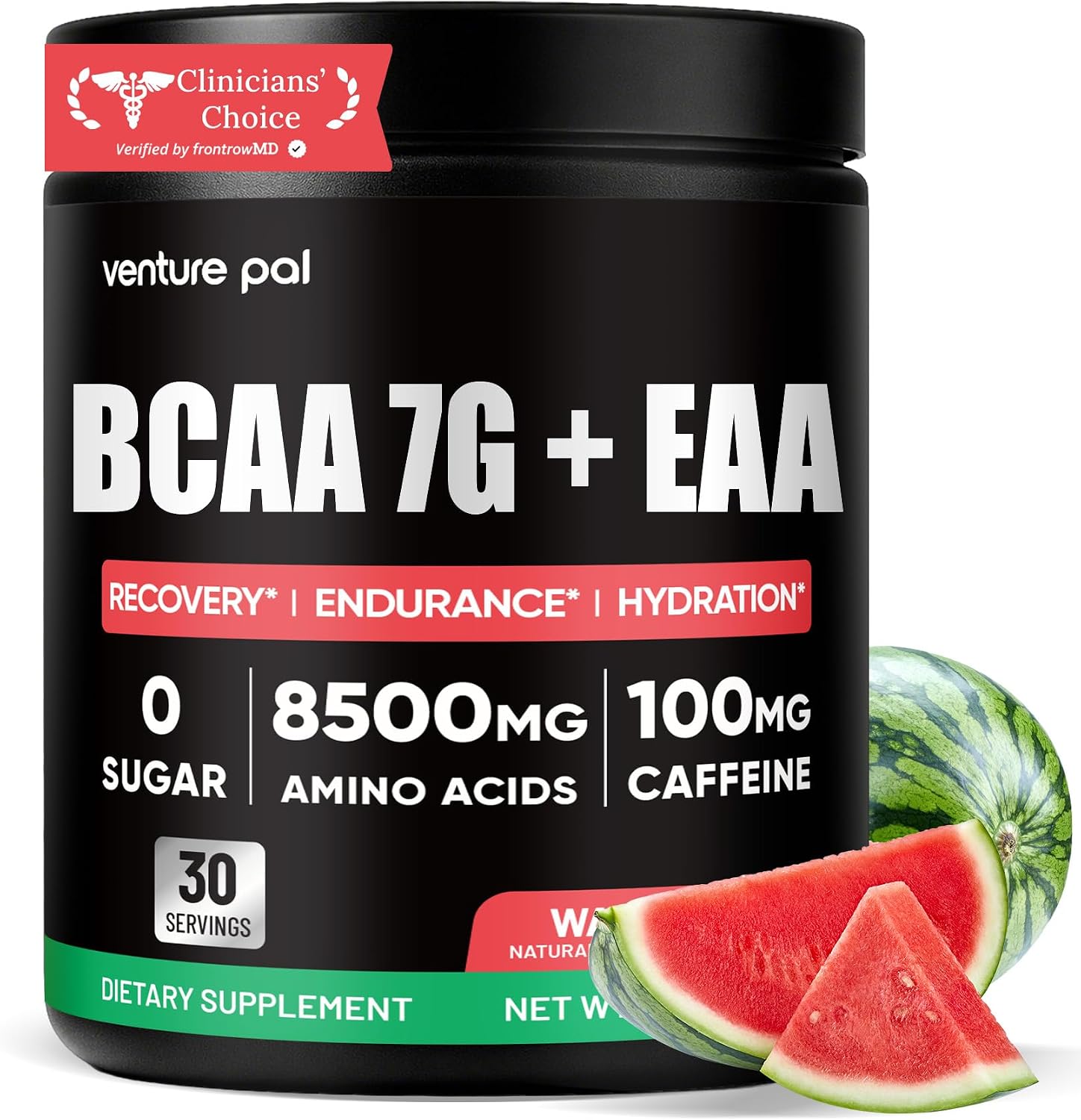
Venture Pal Sugar Free 7g BCAA + EAA Powder – 9 Essential Amino Acids with L-Glutamine, Caffeine, Electrolytes & Vitamins for Muscle Recovery, Growth & Hydration
$14.99 $24.99
30% OFF
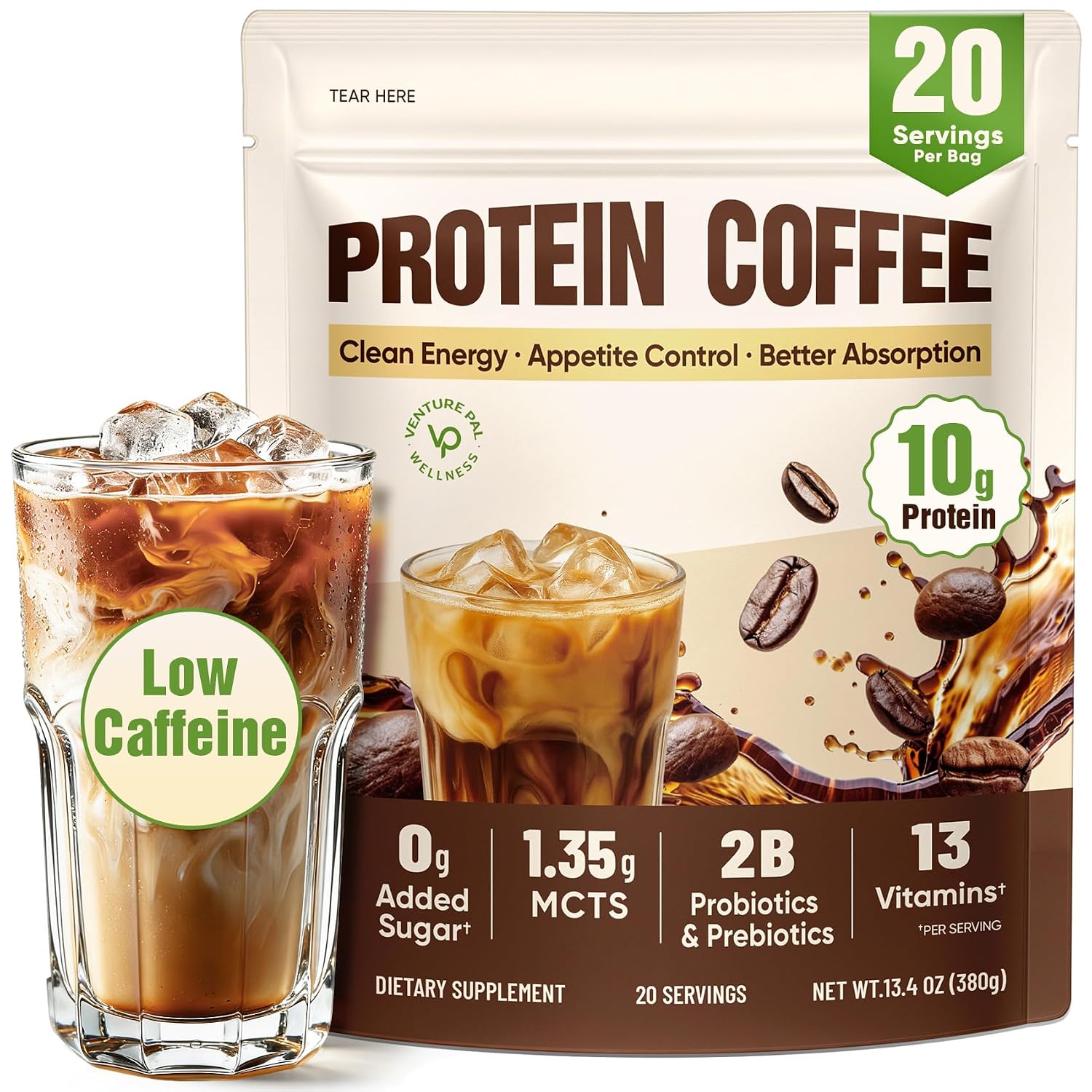
Venture Pal Sugar Free Protein Coffee – Cold Brew Mocha Instant Iced Coffee with MCT Oil, Probiotics, Fiber & 13 Vitamins, 70mg Caffeine, Keto & Gluten-Free, 20 Servings
$13.29 $18.99
-

Christians called to engage confidently amid growing curiosity in ‘dangerous’ New Age spirituality
-

I was a gay activist - then prayer and therapy saved my life
-

Is the Church ready for those ‘long conversations’ Anna Faris talked about
-

Quarter of Gen Z women in Ireland could remain childless, says report
News
-

Fundraising appeal grows for family of pastor killed at Christian festival
-

I was a gay activist - then prayer and therapy saved my life
-

‘No easy answers,’ say church leaders after death of pastor at Christian festival
-

Christian festival organisers ‘heartbroken’ after festivalgoer dies in sign incident
-

What can we learn from the US pastor who created an AI version of himself?
-

‘Shout to the Lord’ songwriter Darlene Zschech says the Church is entering ‘revival days again’
Most Popular
News

Apology issued after anti-immigration protesters confront clergyman inside church
The organiser of a Unite the Right UK demonstration has apologised after a tense stand-off between some of its supporters and a senior clergyman.

Call to Him when He is near
Jewish academic and Hebrew scholar Irene Lancaster reflects on repentance and its connection with relationships.

Property investor pledges to support legal fees of arrested street preachers
Many street preachers have been arrested in recent years.

Church of England hopes to build 2,000 homes to ease housing crisis
The Church of England wishes to "lead by example" in tackling the housing crisis.
Women's Oversized Henley Crewneck Sweatshirt – Faux Layered 2-in-1 Pullover, No Hood, Long Sleeve Fall Top for Office, Travel & Teacher Outfits
$14.99
Coostar Men's Orthopedic Slip On Loafers – Hands-Free Casual Walking Shoes with Arch Support, Non-Slip Sole, Breathable Canvas Upper
$21.99
G Gradual Boys Athletic Rash Guard Shirt – UPF 50+ Dry Fit Swim & Sports T-Shirt, Short Sleeve Crew Neck for Soccer, Baseball, Basketball & Undershirt
$7.92
Mobile Rolling Clothing Rack with Wheels - Perfect for Home and Office
$20.79
Lumbar Support Pillow for Car with Headrest – Memory Foam Full-Length S-Curve Back & Neck Cushion for Long Drives, Fits Cars, SUVs & Trucks
$32.89
Soothfeel Men's Running Shorts with Zipper Pockets – Quick Dry Athletic Shorts in 9", 7" & 5" Inseams for Basketball, Gym & Workout
$12.91
Men's Slip On Walking Shoes – Hands-Free Casual Sneakers with Arch Support, Wide Stable Base, Breathable Knit Upper, Non-Slip Traction
$29.99
Pudolla Men's UPF 50+ Sun Shirt – Long Sleeve Quick Dry Hiking & Running Shirt with Thumb Holes, Lightweight Moisture-Wicking Rash Guard Base Layer
$11.99
Vilanva Women's Walking Shoes – Cushioned Lightweight Running Sneakers with Slip-Resistant Sole, Breathable Woven Upper for Everyday Wear & Workouts
$35.09
MUCAR 892BT AI-Assisted Bidirectional OBD2 Scan Tool with ECU Coding (8" Touchscreen)
$479
Rocoren 12-Pack Magnetic Cable Clips – 360° Rotating Cord Organizer with No-Residue Adhesive, Cord Holder for Desk, Nightstand, Wall, Car & Office, White
$6.5
Red Light Therapy Mask for Face – 7-Color LED Silicone Facial Mask, Cordless Rechargeable Skincare Device with 240 LEDs for Home & Travel
$39.99
Men's Slim Fit Polo Shirt – Quick Dry Moisture Wicking, High Elasticity, Athletic Fit Polo for Golf, Tennis, Work & Casual Wear (Runs Small, Size Up)
$6.99
AVANTEK Wireless Doorbell CB-11 – 1000 ft Range, 1 Button + 1 Plug-In Receiver, 115 dB Volume, LED Flash, 52 Chimes, Waterproof, 3-Year Battery
$12.91
Women's Workout Shirts – Bum-Covering Length Short Sleeve Dry Fit Tops, Lightweight & Breathable for Athletic, Hiking, Running & Summer Wear
$6.99
Coostar Men's Casual Dress Sneakers – Lightweight Wingtip Oxford Style with Breathable Knit Upper, Rubber Sole & Slip-On Elastic Collar, Business & Walking Shoe
$22.49
Pudolla Men's Quick Dry Hiking and Golf Shorts with 3 Zipper Pockets
$14.84
Venture Pal Ceremonial Grade Matcha Green Tea Powder – First Harvest, Shade Grown, 100% Pure with No Additives, Unsweetened, Vegan & Gluten-Free, 30g Tin
$7.5
Venture Pal Sugar Free 7g BCAA + EAA Powder – 9 Essential Amino Acids with L-Glutamine, Caffeine, Electrolytes & Vitamins for Muscle Recovery, Growth & Hydration
$14.99
Venture Pal Sugar Free Protein Coffee – Cold Brew Mocha Instant Iced Coffee with MCT Oil, Probiotics, Fiber & 13 Vitamins, 70mg Caffeine, Keto & Gluten-Free, 20 Servings
$13.29