
The Lawyers' Christian Fellowship has lamented the coming into force this month of the Mental Capacity Act 2005. While Dignity in Dying, the pro-euthanasia lobby group, described it as "a great day for patient choice!", the LCF said it was a sad day for many elderly and vulnerable people whose lives could be put at risk.
The LCF said that the Act makes it far too simple to make a "Living will", otherwise known as an advanced decision. Advanced decisions are written in anticipation of a time when a person cannot make their own decisions, so that after becoming incapacitated, wishes are already known.
Living wills also allow people to refuse medical treatment in advance, including life sustaining treatment. This can include the refusal of water and food by tubes, which is regarded as medical treatment.
Without the provision of such treatment some patients will die, not of their illness, but of thirst. For this reason, many believe the provision of nutrition and hydration should be seen not as medical treatment, but as basic care which cannot be withdrawn.
The Act has been referred to as "Back-door Euthanasia". Elspeth Chowdharay of 'Best of the Alert' pressure group has said : "People sign living wills thinking they will die a little bit earlier.......But what this law does not say, and most people do not know, is that they will be condemning themselves to die terribly of thirst."
As well as Living Wills, the Act introduces Lasting Powers of Attorney, or LPAs. These are legal documents which allow others, such as a friend or relative, to make decisions on a patient's behalf.
This individual is then referred to as an 'attorney'. The attorney can make decisions not only about financial affairs, but about personal welfare, including what medical treatment the patient should receive.
The LCF explained that it is possible to place restrictions or conditions on the authority the attorney can have, and this can include the authority to give or refuse consent to life sustaining treatments.
Dr Philip Howard, a London gastroenterology hospital consultant, was quoted by The Daily Mail as saying: "The law will lead to real difficulties when a family member has the power to order that someone should die while at the same time they are a beneficiary of the will... Law governing wills and property makes it very difficult to influence someone to make a will in your favour - the Mental Capacity Act has nothing like that sort of safeguard."
The LCF has released a statement saying: "The Code of Practice says Doctors or Healthcare professionals do not have to act against their conscience for living wills and can transfer care to another healthcare professional. It is vitally important that those who consciously object to stopping life sustaining treatment (for religious or other reasons) for living wills are aware of this.
"Unlike Living wills, which desperately need more formal safeguards to protect the elderly and vulnerable, the LPAs do at least have the safeguard that the form has to include a certificate of understanding by an independent third party which confirms that 'Nobody used fraud or undue pressure to trick or force the donor into making the LPA'."
The lack of safeguards for living wills is of huge concern, according to the LCF, because of the watertight enforcement of such advance decisions.
One of the main principles in the Act is that any act done or decision made, for or on behalf of a person who lacks capacity must be done, or made, in their "best interests".
However, there is no description of how this best interest principle 'theory' is carried into actual 'practice' by attorneys.
One of the key safeguards in the Act, to help attorneys and those making decisions to work out what actually is in someone's best interests in practice, is a checklist. However, this important checklist is missing from the LPA form.
The LCF says, "This (the checklist's absence) is surprising since during the passage of the bill the Government recognised this as a key safeguard when concern over the withdrawal of water and food treatment was discussed."
One of these key safeguards stated that if the decision concerns life sustaining treatment, it must not be motivated in any way by a desire to bring about the person's death. However, this vital and potentially life-saving statement is missing.
"Dealing with this in the initial guide for Attorneys taking on the role is insufficient," the LCF has stated. "It will also be difficult for attorneys to practically have regard to the 302 page code of practice."
There is also no sentence in the LPA - Personal Welfare form itself to make it clear that medical treatment includes the withdrawal of tubes for food and water. This was in the original draft LPA form. It is now mentioned in the guide for the people who want to make a LPA, but not in the guide for the attorney.
The LCF concluded: "We believe the safeguards for both Living wills and Lasting powers of Attorney are insufficient in the Act and should be of major concern to Christians who are concerned for the elderly and vulnerable. It is also of concern to Doctors and healthcare staff, not only those who are religious, but those who work tirelessly to preserve and sustain life."
11% OFF

VitaUp Beet Root Gummies with CoQ10 & Grape Seed - Nitric Oxide Circulation Support (60 Count)
$24.91 $27.91
50% OFF

HDPE All-Weather Adirondack Chair with Built-In Cup Holder - Tool-Free Assembly (Grey)
$69.99 $139.99
60% OFF

HOMETUK Clear Plastic Storage Bins with Dividers - 3-Pack Stackable Acrylic Organizer Containers for Fridge and Pantry
$19.99 $49.99
58% OFF

G Gradual Men's Fishing Shirt - UPF 50+ Lightweight Short Sleeve Button Down with Zipper Pockets
$14.99 $35.99
55% OFF

Everyfun 60" Rectangular Platform Tree Swing - 700lbs Heavy Duty Adjustable Outdoor Swing (Colorful)
$49.99 $110.99
61% OFF

Ekouaer Women's Casual Loose Jumpsuit - One-Piece Printed Sleeveless Wide Leg Romper with Pockets
$14.99 $37.99
40% OFF

ROTAKE TB3 20V Heavy Duty 1/2" Cordless Impact Wrench Kit - 1380 Ft-Lbs Torque
$132 $219.99
36% OFF

Men's Athletic Running Shorts with Zipper Pockets - Lightweight & Quick Dry
$12.74 $19.99
61% OFF

Modern Ceiling Fan with Light and Remote - Reversible Quiet DC Motor
$69.3 $179.99
50% OFF

MOOKA H13 True HEPA Air Purifier for Home Large Room - 1076 sq ft Odor Eliminator
$39.97 $79.95
60% OFF

Ekouaer Women's Satin Silky Pajama Set - Short Sleeve Pullover Top & Wide-Leg Pants
$13.99 $34.99
55% OFF

Ekouaer 3-Piece Maternity & Nursing Pajamas Set - Short Sleeve Top with Shorts and Pants
$14.99 $32.99

Sealy 2-Pack Tritech 16" Twin Inflatable Air Mattress with Built-in AC Pump
$0 $113.99
20% OFF

INTEX Prism Frame 20ft x 52in Above Ground Pool Set - Round Steel Frame Swimming Pool
$695.99 $869.99

Gardner Pet 43" Heavy Duty Dog Crate with Wheels - Indestructible Folding Metal Cage (Black)
$0 $149.99
12% OFF

Elegant Mid-Century Modern Bar Stools - Set of 4
$395.99 $449.99
23% OFF

Ergonomic Office Chair - Big and Tall Desk Chair with Adjustable Lumbar Support
$279.99 $363.99
26% OFF

Magnelex American Flag Windshield Sun Shade - High-Resolution UV Reflective Heat Shield (X-Large)
$19.9 $26.9
20% OFF
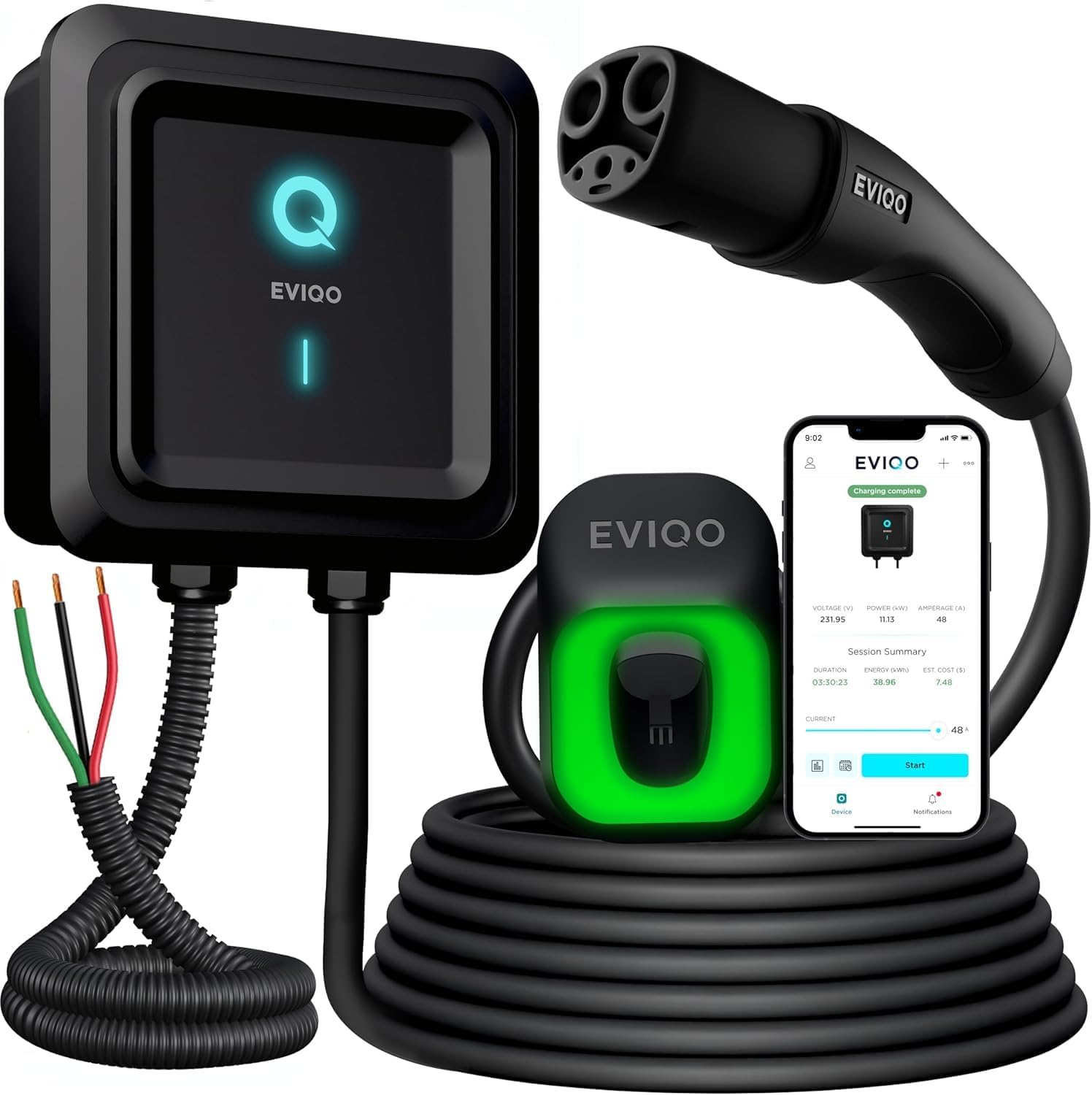
EVIQO 48 Amp NACS Level 2 EV Charger - Hardwired Smart WiFi Wall Charger for Tesla
$368.51 $458.55
50% OFF

DBFIT Air Purifier for Home Large Room
$29.99 $59.99




-

Historic Lancashire church secures £250,000 National Lottery grant for major roof repairs
-

Sunderland Minster PCC was right to push back over trans toilet sign
-

Bethel Church distances itself from Todd Bentley and Mike Bickle
-

Christian police officer reaches settlement over diversity training discrimination claim
-

Turkey's hidden Christian past: Extraordinary discoveries are rewriting the story of early Christianity
-

Washington Archdiocese parts ways with exorcist priest over UFO remarks
Most Popular
News

Churches must disciple well and listen well in response to rise of Christian nationalism
Churches have a task on their hands to raise standards of theological literacy in their congregations amid growing Christian nationalism, while at the same time listening to and engaging with the concerns of people in their flock.

A Christian response to the crisis facing young people
The Church has a wonderful message of hope to share with young people increasingly feeling a sense of nihilism and hopelessness at the state of the world, writes Tim Farron.

Tributes paid to Operation Mobilisation co-founder Dale Rhoton
Tributes have been paid to Dale Rhoton, one of the co-founders of international mission organisation Operation Mobilisation (OM), after his death at the age of 88.

Doctors should work for good of the patient, not facilitate suicide, says Christian Medical Fellowship
Suicide is always a tragedy that should be resisted, the CMF suggested.
VitaUp Beet Root Gummies with CoQ10 & Grape Seed - Nitric Oxide Circulation Support (60 Count)
$24.91
HDPE All-Weather Adirondack Chair with Built-In Cup Holder - Tool-Free Assembly (Grey)
$69.99
HOMETUK Clear Plastic Storage Bins with Dividers - 3-Pack Stackable Acrylic Organizer Containers for Fridge and Pantry
$19.99
G Gradual Men's Fishing Shirt - UPF 50+ Lightweight Short Sleeve Button Down with Zipper Pockets
$14.99
Everyfun 60" Rectangular Platform Tree Swing - 700lbs Heavy Duty Adjustable Outdoor Swing (Colorful)
$49.99
Ekouaer Women's Casual Loose Jumpsuit - One-Piece Printed Sleeveless Wide Leg Romper with Pockets
$14.99
ROTAKE TB3 20V Heavy Duty 1/2" Cordless Impact Wrench Kit - 1380 Ft-Lbs Torque
$132
Men's Athletic Running Shorts with Zipper Pockets - Lightweight & Quick Dry
$12.74
Modern Ceiling Fan with Light and Remote - Reversible Quiet DC Motor
$69.3
MOOKA H13 True HEPA Air Purifier for Home Large Room - 1076 sq ft Odor Eliminator
$39.97
Ekouaer Women's Satin Silky Pajama Set - Short Sleeve Pullover Top & Wide-Leg Pants
$13.99
Ekouaer 3-Piece Maternity & Nursing Pajamas Set - Short Sleeve Top with Shorts and Pants
$14.99
Sealy 2-Pack Tritech 16" Twin Inflatable Air Mattress with Built-in AC Pump
$0
INTEX Prism Frame 20ft x 52in Above Ground Pool Set - Round Steel Frame Swimming Pool
$695.99
Gardner Pet 43" Heavy Duty Dog Crate with Wheels - Indestructible Folding Metal Cage (Black)
$0
Elegant Mid-Century Modern Bar Stools - Set of 4
$395.99
Ergonomic Office Chair - Big and Tall Desk Chair with Adjustable Lumbar Support
$279.99
Magnelex American Flag Windshield Sun Shade - High-Resolution UV Reflective Heat Shield (X-Large)
$19.9
EVIQO 48 Amp NACS Level 2 EV Charger - Hardwired Smart WiFi Wall Charger for Tesla
$368.51
DBFIT Air Purifier for Home Large Room
$29.99