
The statement was issued after the Foreign Affairs Council Meeting in Brussels yesterday.
The foreign ministers said: “The Council expresses its profound concern about the increasing number of acts of religious intolerance and discrimination, as epitomised by recent violence and acts of terrorism, in various countries, against Christians and their places of worship, Muslim pilgrims and other religious communities, which it firmly condemns.
“Regrettably, no part of the world is exempt from the scourge of religious tolerance.”
The ministers expressed their condolences and “solidarity” with the countries where religious violence was being experienced, as well as the victims.
They went on to affirm the EU’s “strong commitment” to the promotion and protection of religious freedom and called upon states to protect citizens, including members of religious minorities.
“All persons belonging to religious communities and minorities should be able to practice their religion and worship freely, individually or in community with others, without fear of intolerance and attacks,” the statement continued.
“The international community needs to consolidate its collective response to those who want to use religion as an instrument of division, fuelling extremism and violence.
“The EU will continue to engage with partner countries and offer its cooperation to promote religious tolerance and to protect human rights.”
The reference to Christians was included despite the previous reluctance of some foreign ministers to single Christians out for special mention.
According to European Dignity Watch, five foreign ministers and EU High Representative Catherine Ashton had refused to make any mention of Christians in a statement on religious violence at the last Council meeting in January, despite the wave of attacks on Christians in the Middle East in recent months.
Christians across the Middle East have experienced an intensification of persecution in recent months. In Iraq, dozens were killed when gunmen opened fire inside the Our Lady of Salvation church in Baghdad last October, while in Egypt more than 20 Christians were killed in a bomb attack on a church in Alexandria on New Year’s Day. Both attacks were followed by random deadly attacks on Christians.
European Dignity Watch welcomed the statement but criticised the foreign ministers for making only a single reference to Christianity.
The advocacy group said the Council had produced a “carefully worded” and “politically correct” statement.
“A more courageous message on the part of the European Union would have unequivocally condemned the atrocities committed exclusively against Christians,” it said.
However, the group added that the statement would be welcomed by victimised Christian minorities in the Middle East “who need the ongoing support and solidarity of the EU”.
67% OFF
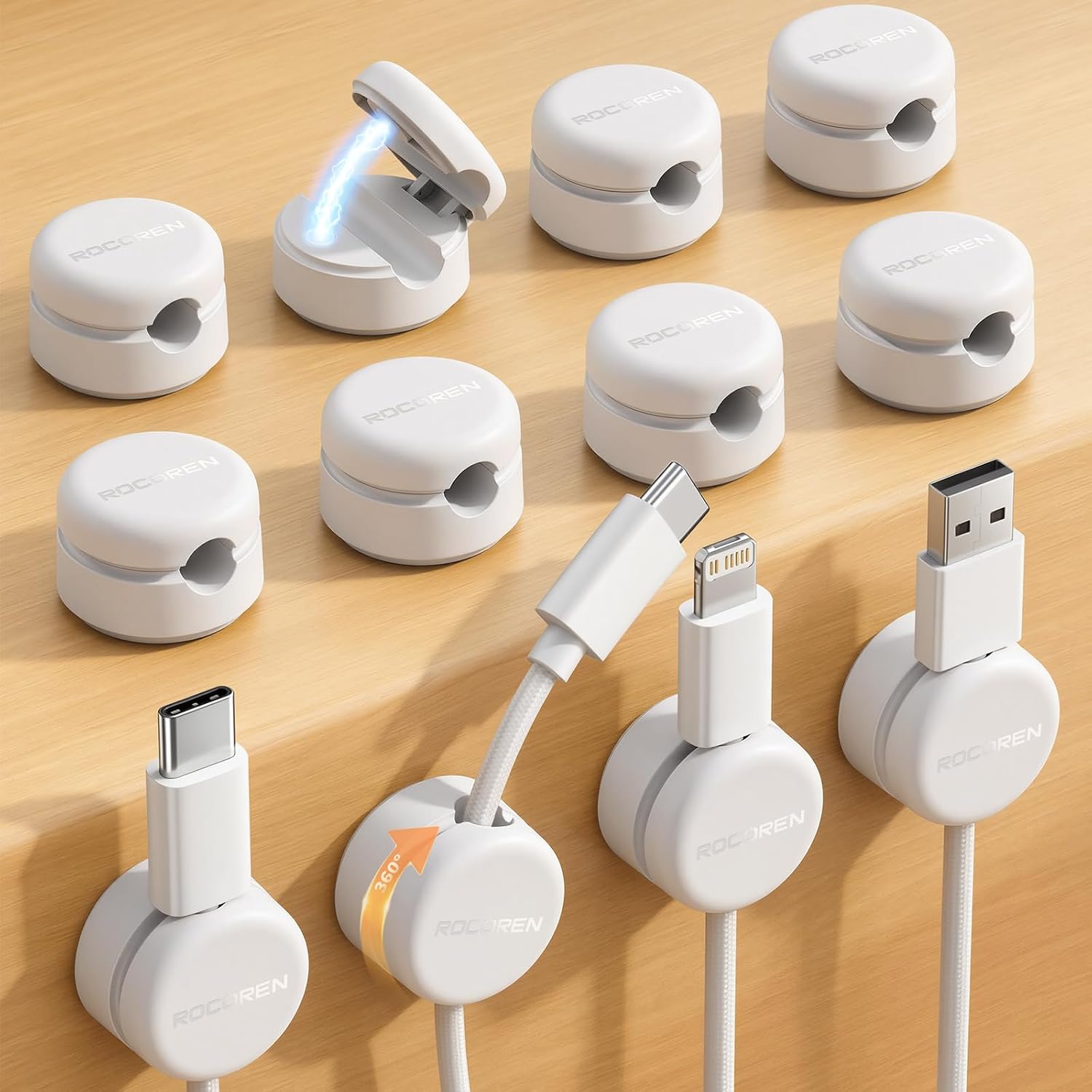
Rocoren 12-Pack Magnetic Cable Clips – 360° Rotating Cord Organizer with No-Residue Adhesive, Cord Holder for Desk, Nightstand, Wall, Car & Office, White
$6.5 $19.99
60% OFF
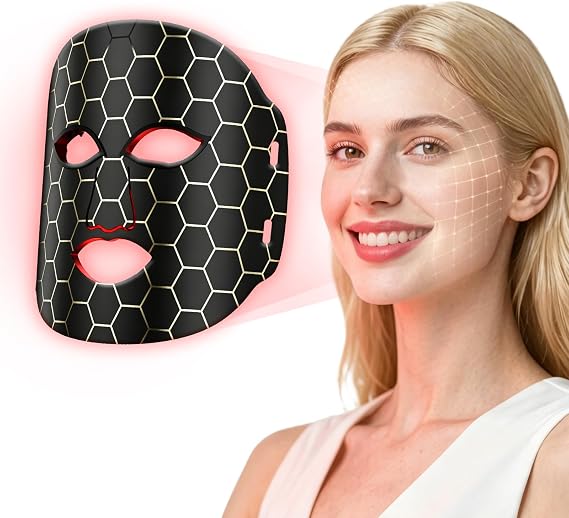
Red Light Therapy Mask for Face – 7-Color LED Silicone Facial Mask, Cordless Rechargeable Skincare Device with 240 LEDs for Home & Travel
$39.99 $99.99
77% OFF
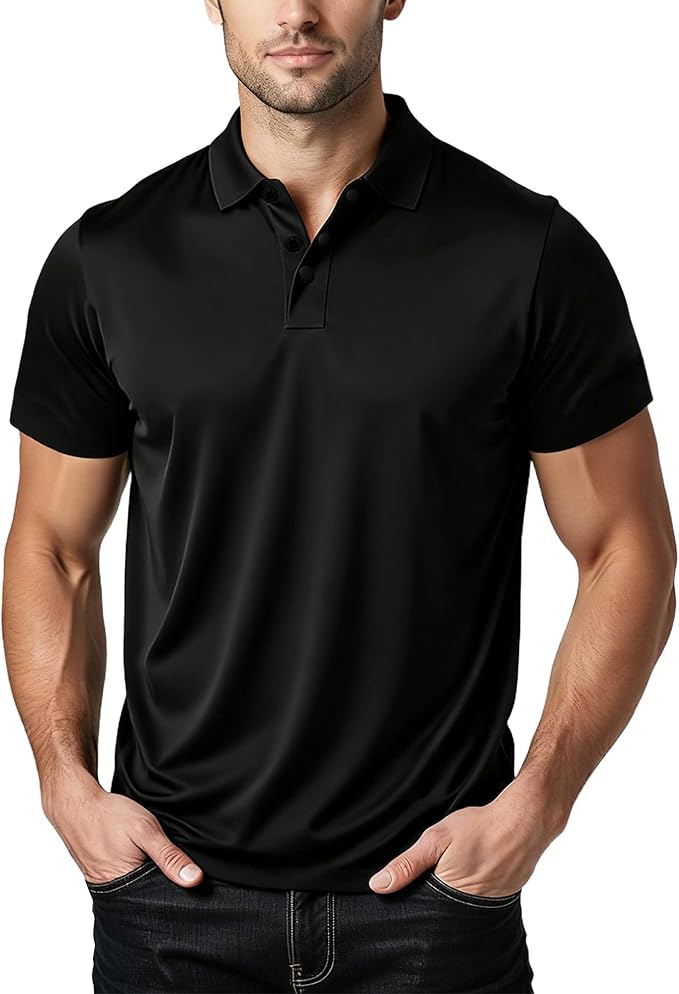
Men's Slim Fit Polo Shirt – Quick Dry Moisture Wicking, High Elasticity, Athletic Fit Polo for Golf, Tennis, Work & Casual Wear (Runs Small, Size Up)
$6.99 $29.99
28% OFF
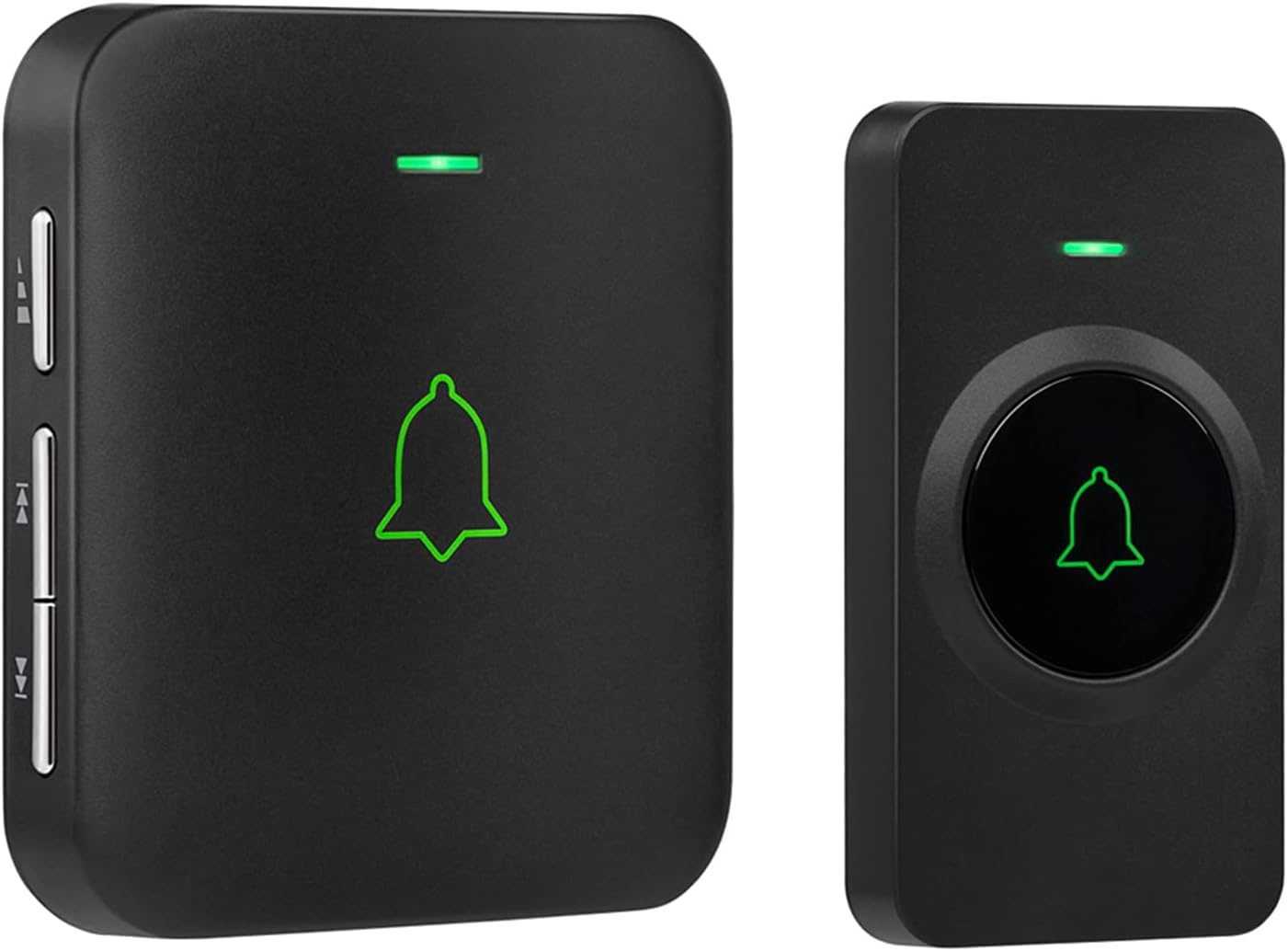
AVANTEK Wireless Doorbell CB-11 – 1000 ft Range, 1 Button + 1 Plug-In Receiver, 115 dB Volume, LED Flash, 52 Chimes, Waterproof, 3-Year Battery
$12.91 $17.99
50% OFF
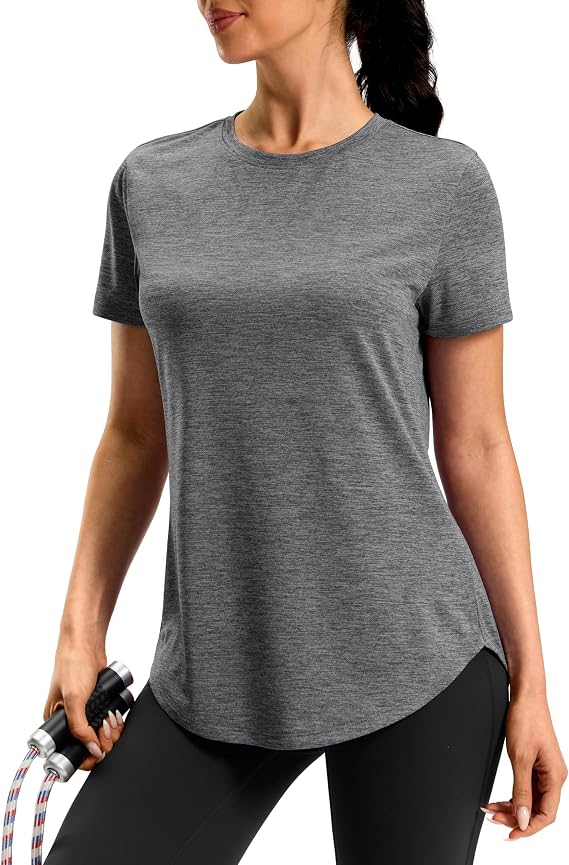
Women's Workout Shirts – Bum-Covering Length Short Sleeve Dry Fit Tops, Lightweight & Breathable for Athletic, Hiking, Running & Summer Wear
$6.99 $13.99
50% OFF
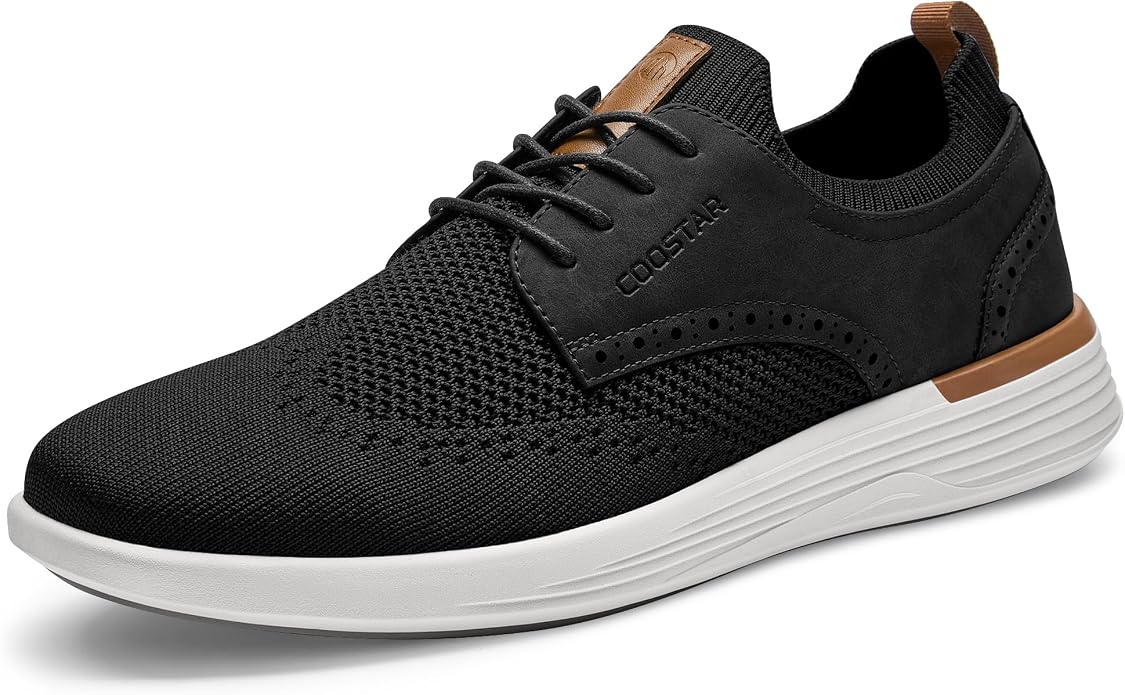
Coostar Men's Casual Dress Sneakers – Lightweight Wingtip Oxford Style with Breathable Knit Upper, Rubber Sole & Slip-On Elastic Collar, Business & Walking Shoe
$22.49 $44.99
45% OFF
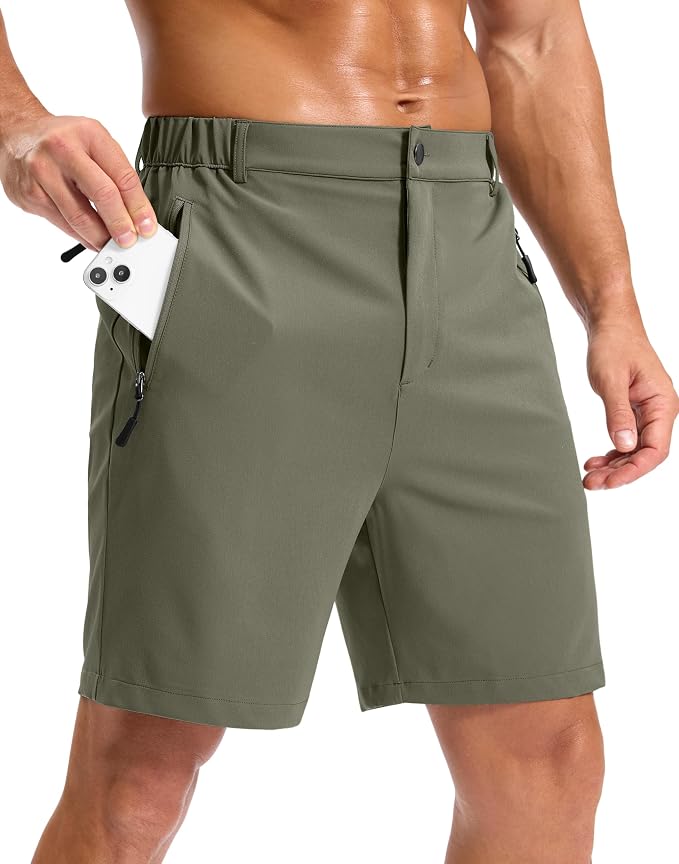
Pudolla Men's Quick Dry Hiking and Golf Shorts with 3 Zipper Pockets
$14.84 $26.99
50% OFF
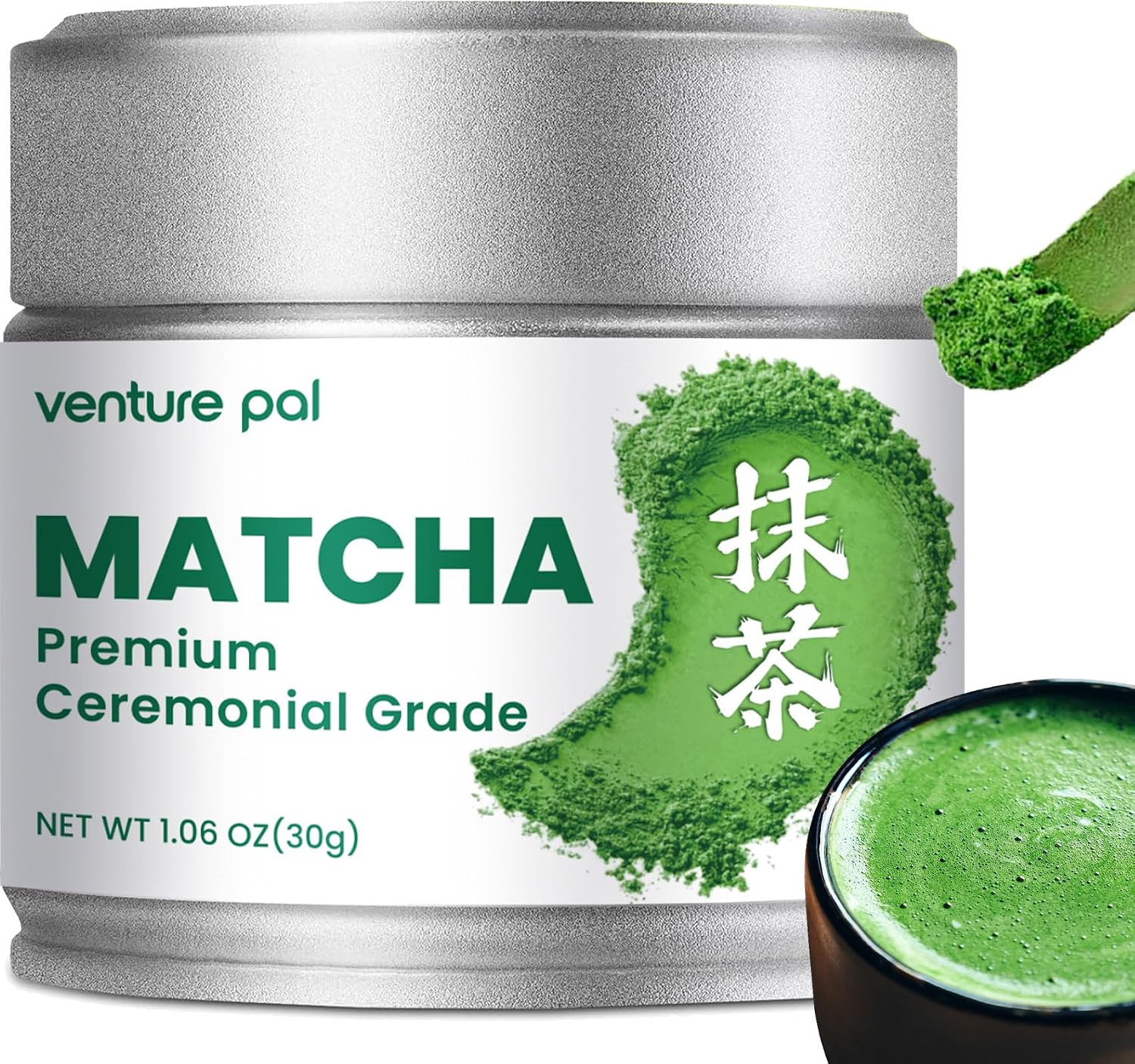
Venture Pal Ceremonial Grade Matcha Green Tea Powder – First Harvest, Shade Grown, 100% Pure with No Additives, Unsweetened, Vegan & Gluten-Free, 30g Tin
$7.5 $14.99
40% OFF
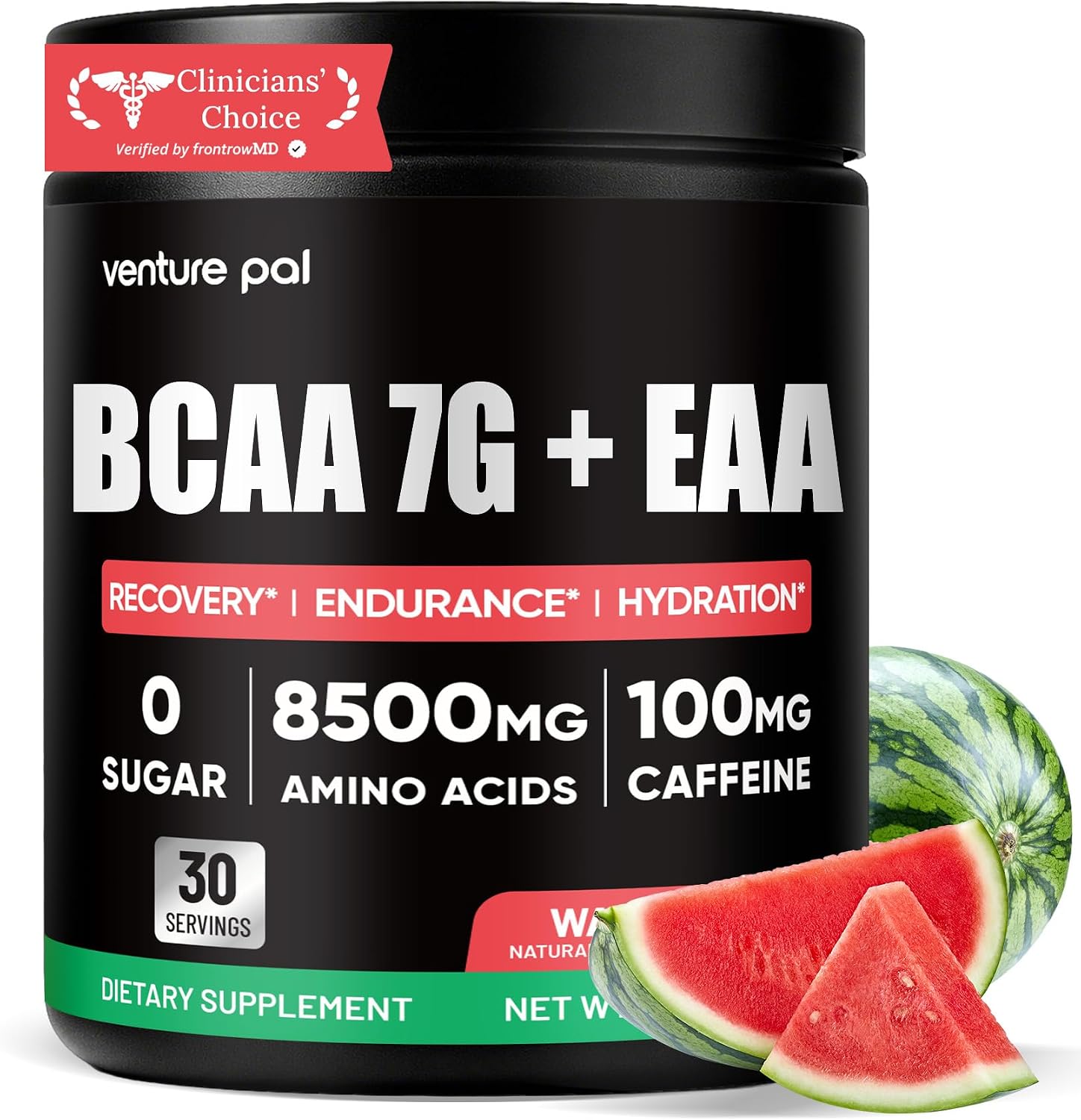
Venture Pal Sugar Free 7g BCAA + EAA Powder – 9 Essential Amino Acids with L-Glutamine, Caffeine, Electrolytes & Vitamins for Muscle Recovery, Growth & Hydration
$14.99 $24.99
30% OFF
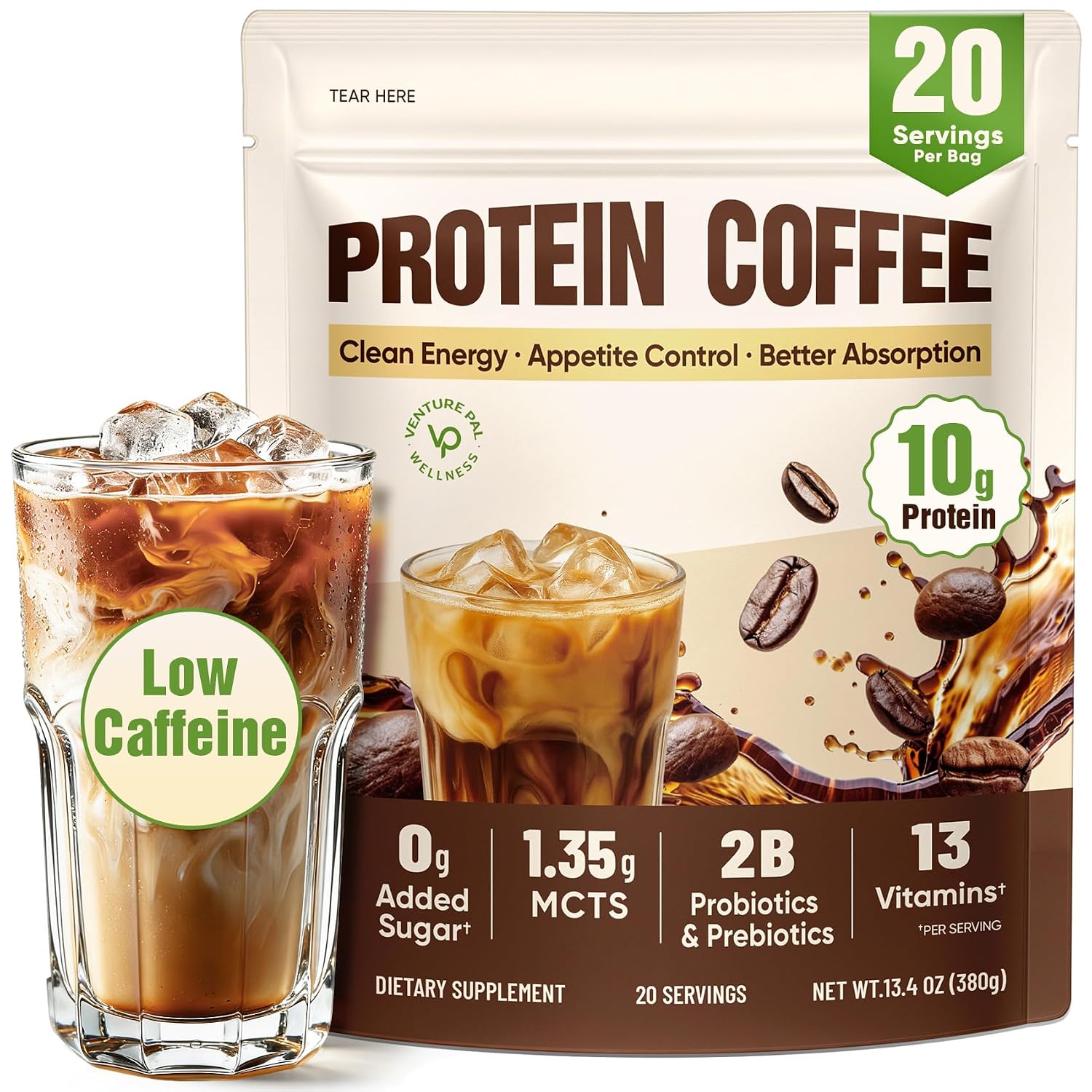
Venture Pal Sugar Free Protein Coffee – Cold Brew Mocha Instant Iced Coffee with MCT Oil, Probiotics, Fiber & 13 Vitamins, 70mg Caffeine, Keto & Gluten-Free, 20 Servings
$13.29 $18.99
20% OFF
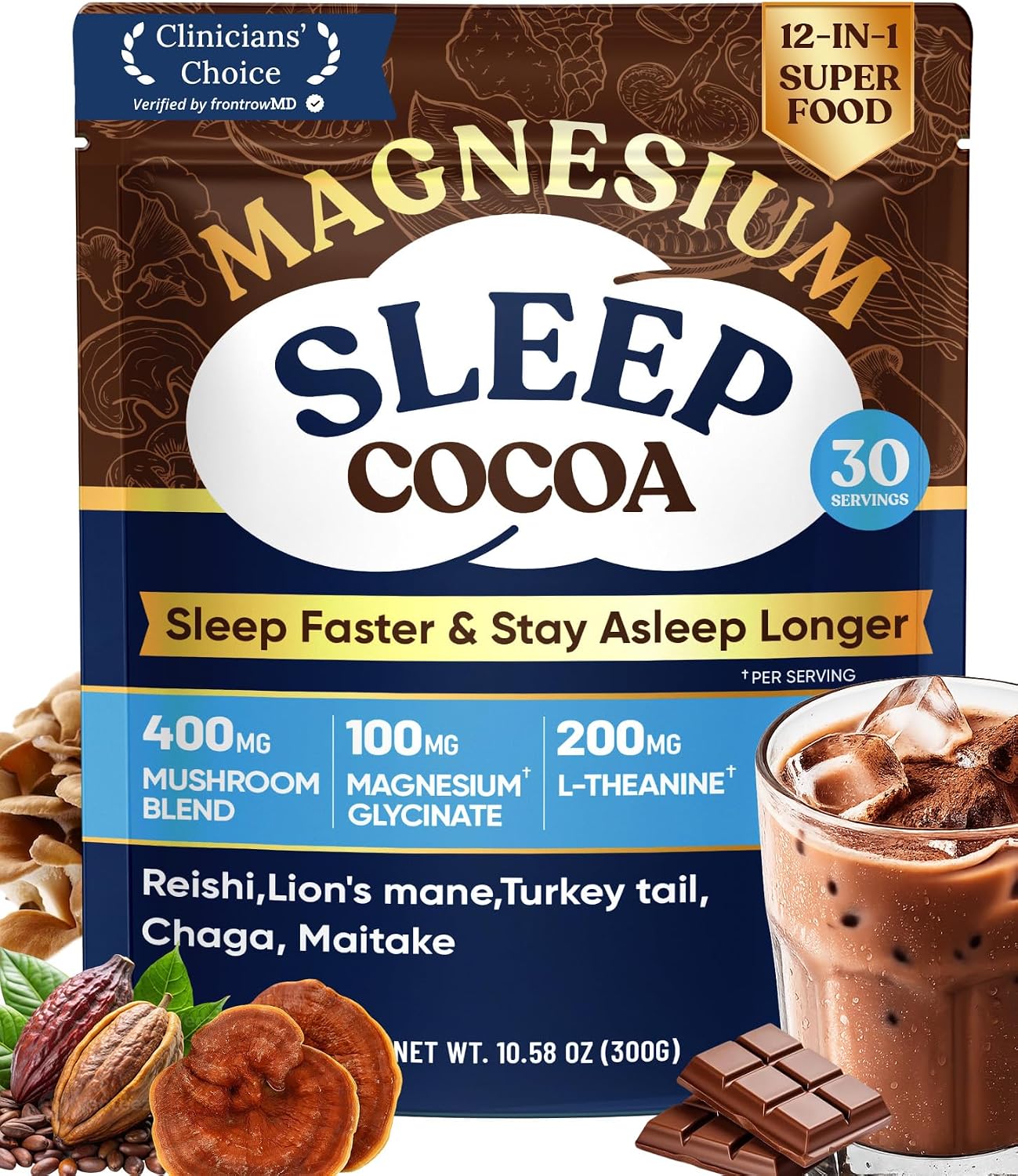
Venture Pal Mushroom Hot Cocoa – Natural Sleep Aid with 12 Superfoods, Melatonin 3mg, Magnesium Glycinate, L-Theanine, Glycine, Lion's Mane, Reishi & Turkey Tail, Bedtime Cocoa Mix, 30 Servings
$23.99 $29.99
24% OFF
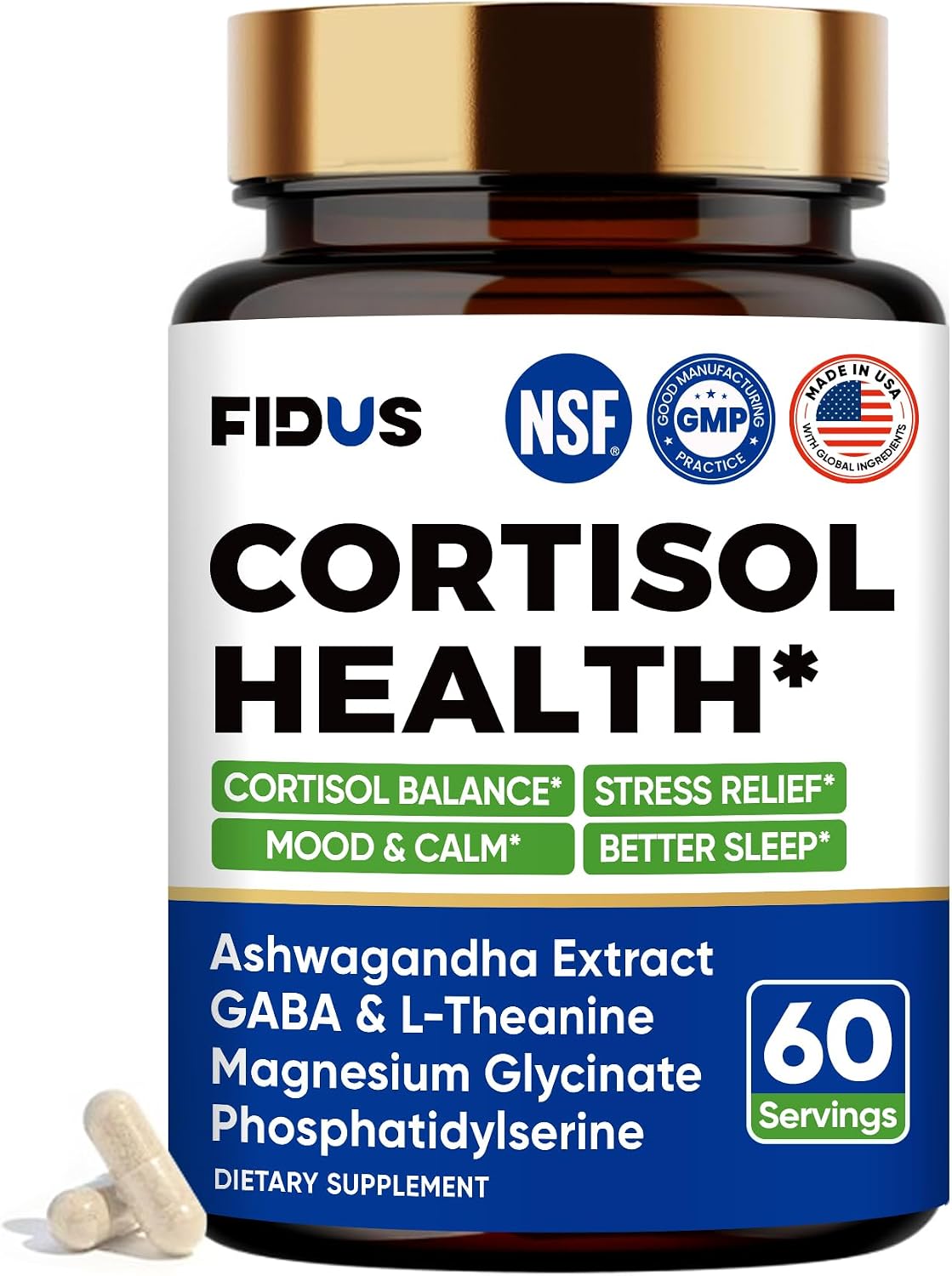
Cortisol Supplement for Women & Men with Ashwagandha & GABA – Magnesium, L-Theanine & Rhodiola, Stress Support for Sleep, Mood & Focus, 60-Day Supply, Made in USA
$15.29 $19.99
50% OFF
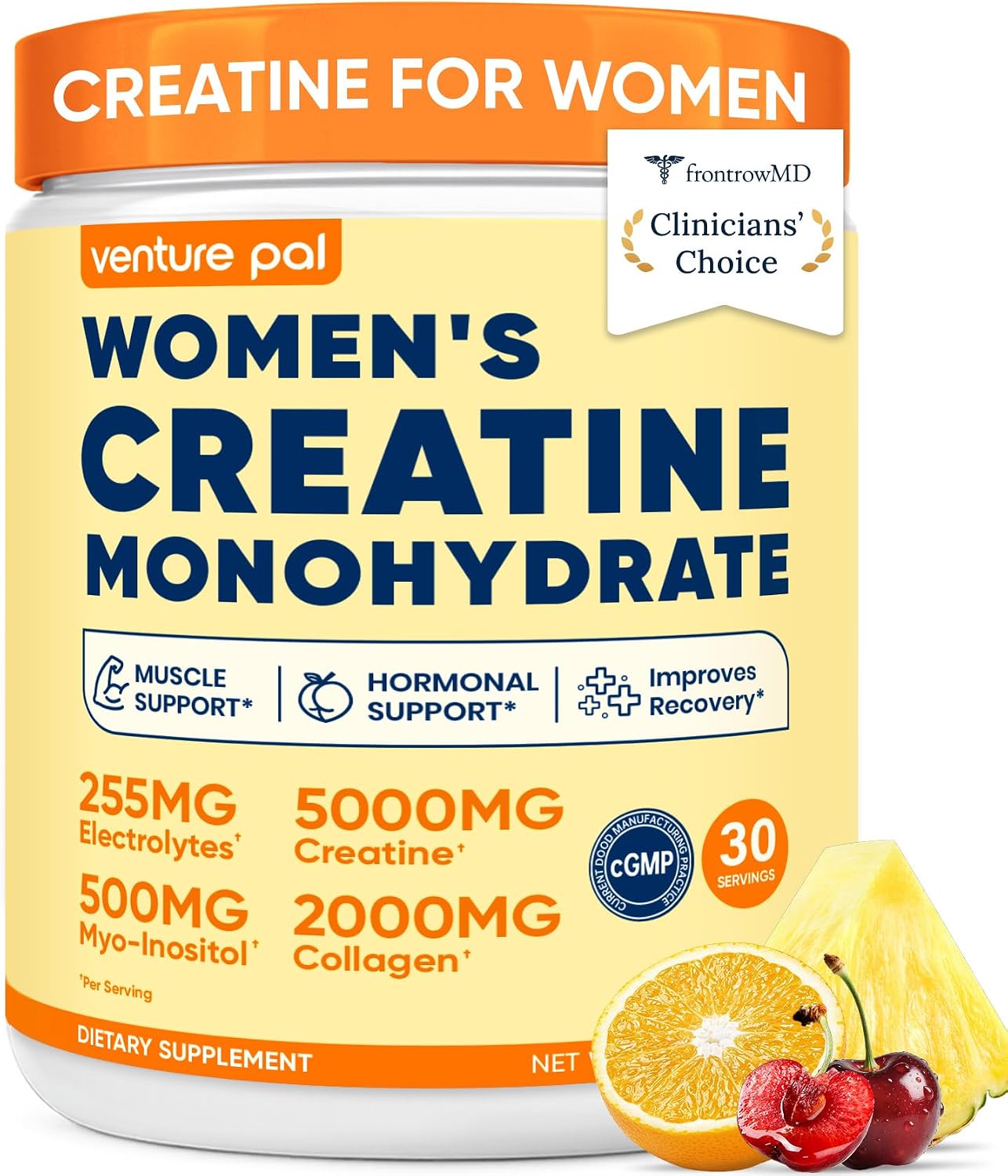
Venture Pal 18-in-1 Creatine for Women – Creatine Monohydrate with Collagen, Myo & D-Chiro Inositol, Electrolytes & Vitamins for Strength, Recovery & Skin Support, Sugar Free, 10.58 oz
$14.99 $29.99
32% OFF
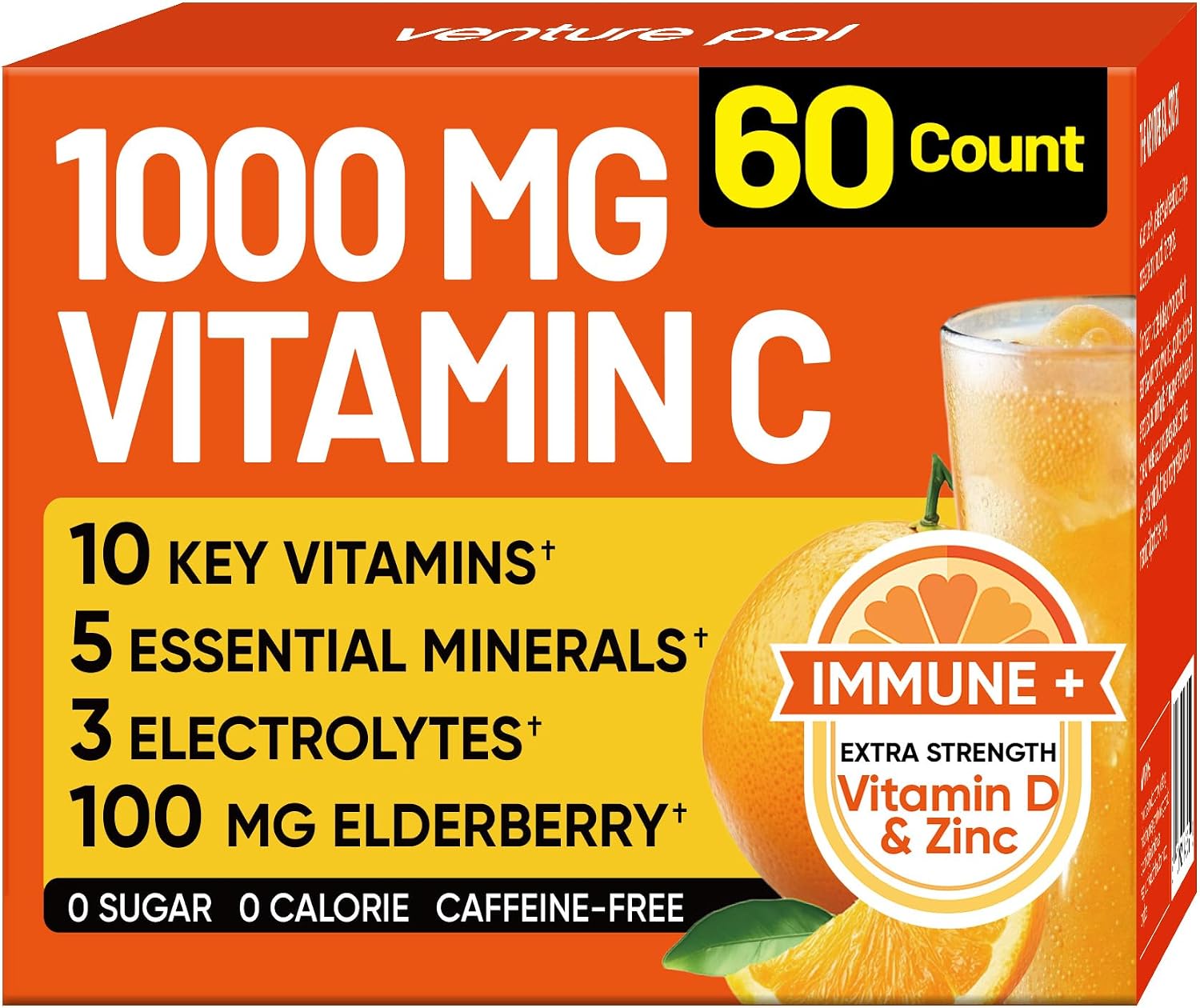
Venture Pal 1000mg Vitamin C Powder with Zinc & Elderberry – Sugar Free B Complex, 10 Vitamins, Minerals & Electrolytes, Daily Immune & Energy Support Packets, 60 Count
$13.59 $19.99
20% OFF
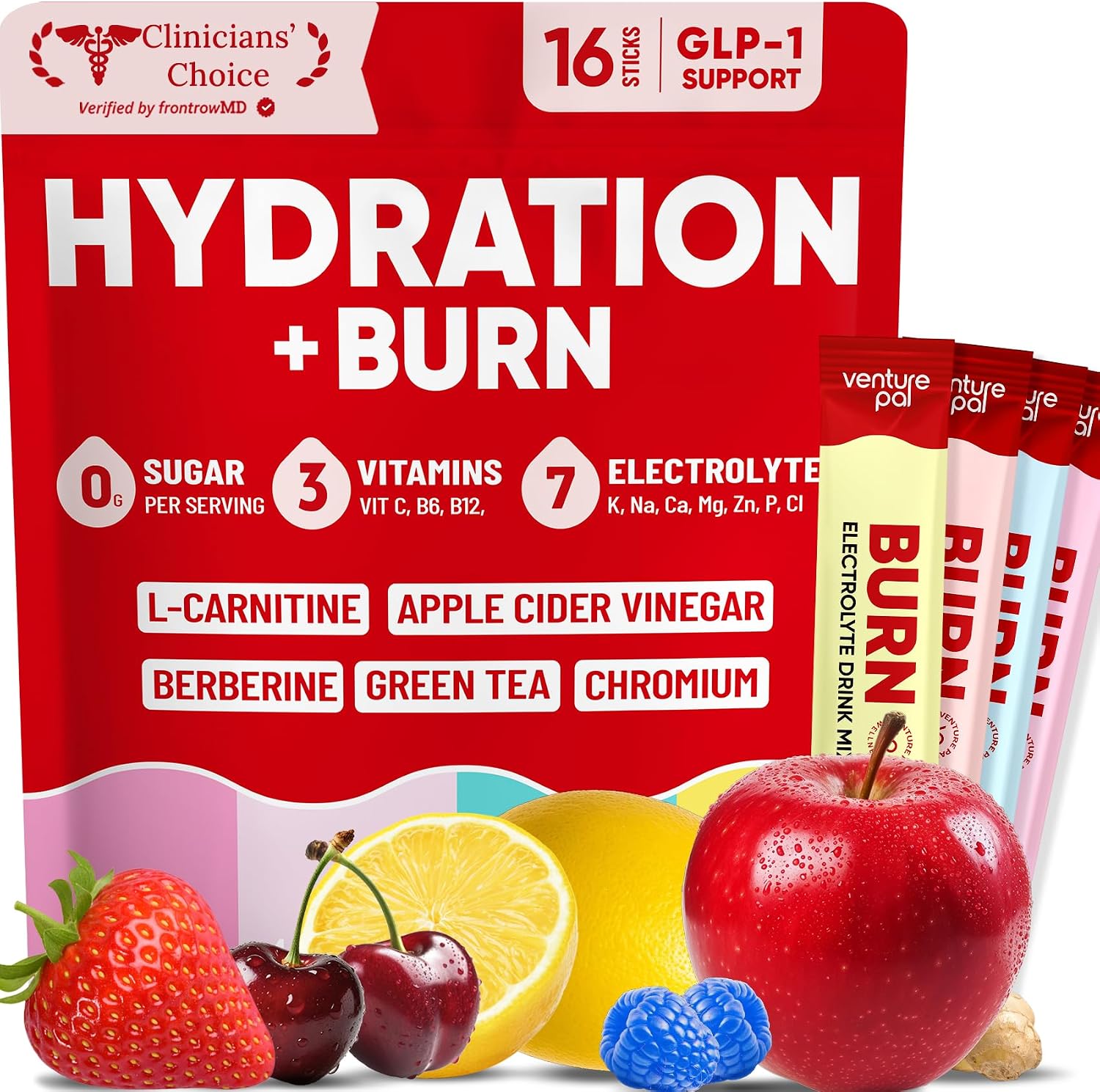
Venture Pal Burn Electrolyte Packets – Sugar Free Hydration with 7 Electrolytes, L-Carnitine, Berberine, ACV & Chromium, Metabolic & Satiety Support, Keto & Vegan, 16 Sticks
$15.99 $19.99
17% OFF
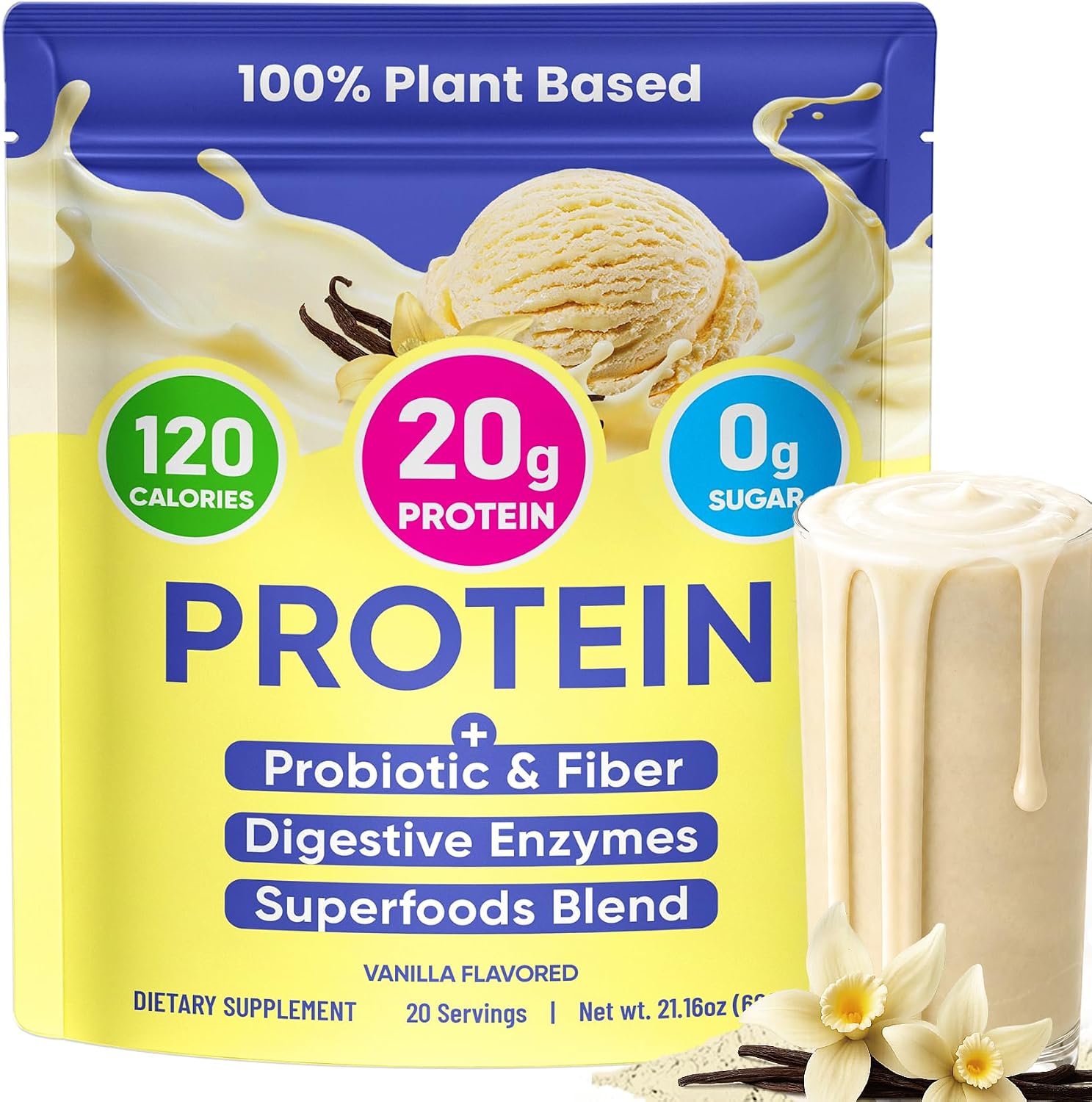
Venture Pal Vegan Protein Powder – 20g Plant Protein with 9B CFU Probiotics, Fiber, Digestive Enzymes & Superfoods, Vanilla, Low Sodium, Keto-Friendly, Gluten & Dairy Free, Non-GMO, 20 Servings
$21.59 $25.99
28% OFF
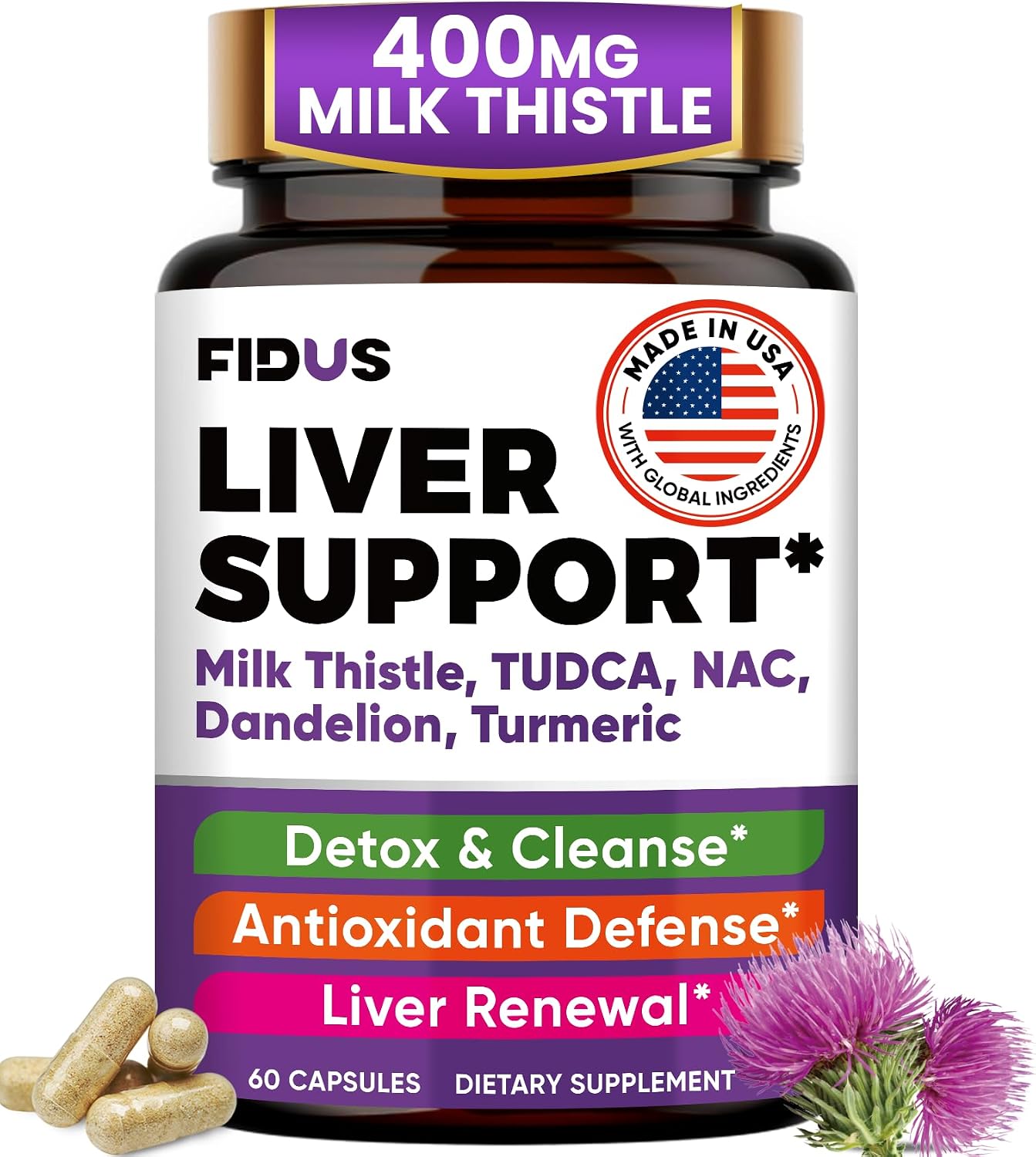
Fidus Liver Cleanse & Repair Supplement – 400mg Milk Thistle (80% Silymarin) with TUDCA, NAC, Turmeric, Artichoke & Dandelion – Liver Support & Digestive Health, 60 Capsules, Made in USA
$14.39 $19.99
50% OFF
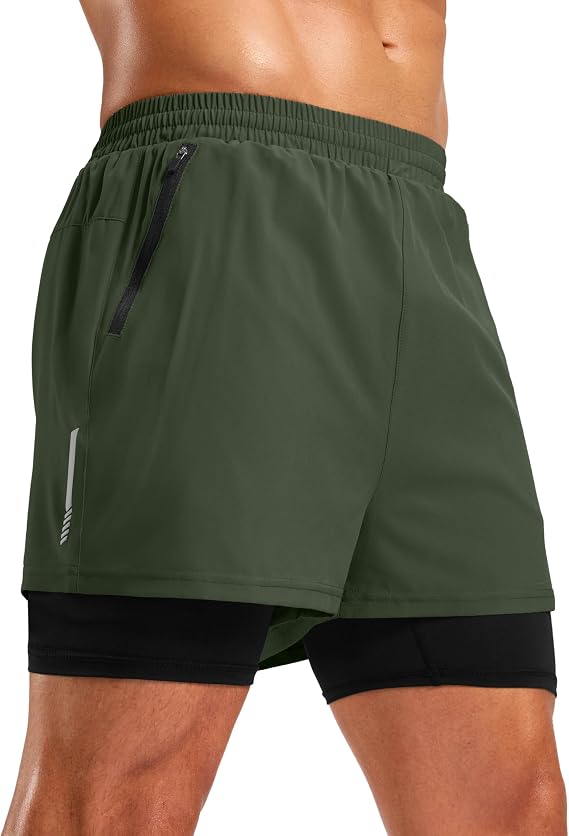
Pudolla Men's 7" Running Shorts with Zipper Pockets – Quick Dry 2-in-1 Workout Gym Shorts with Compression Liner for Tennis, Yoga & Training
$11.99 $23.99
27% OFF
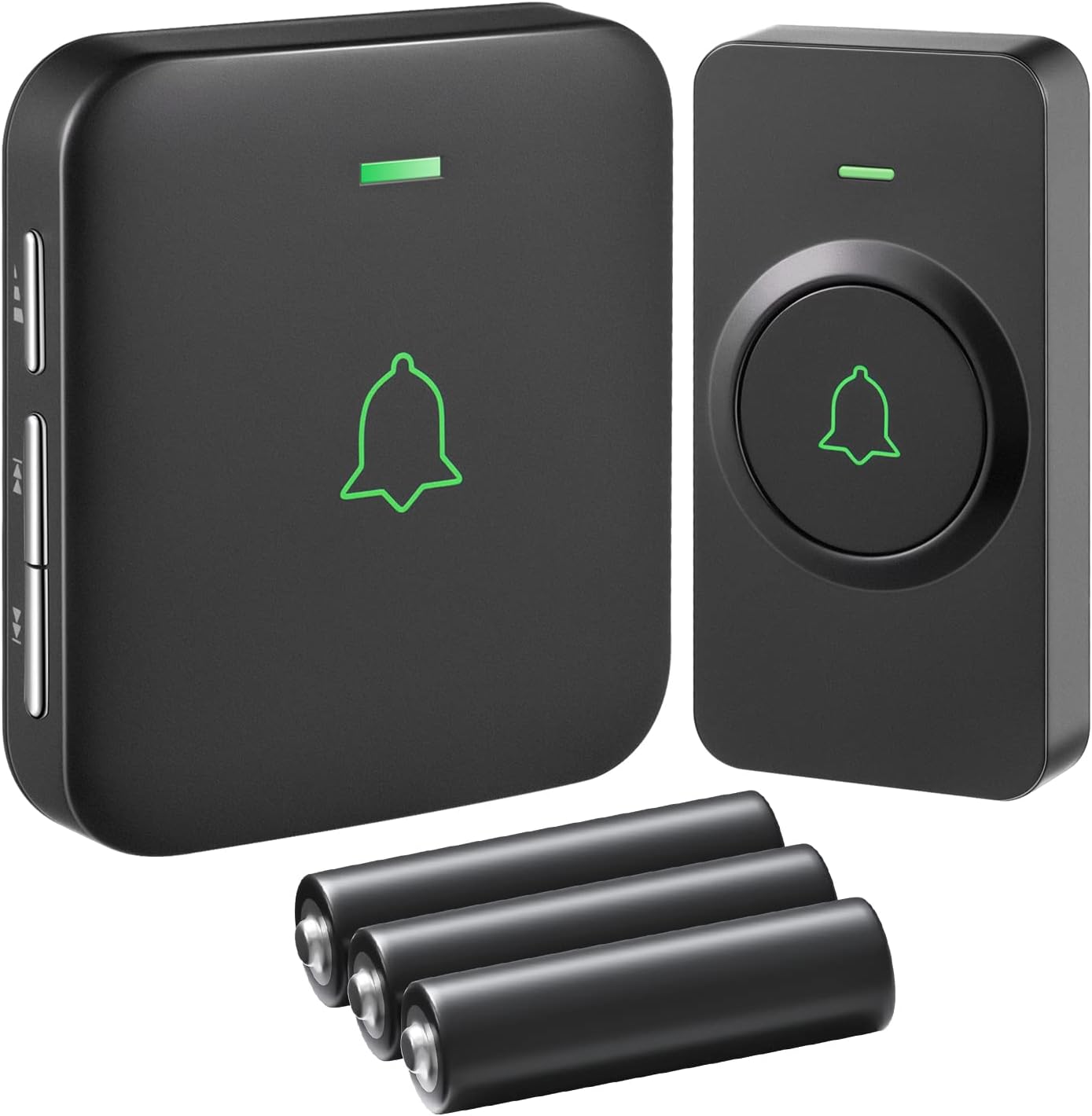
AVANTEK BA-11 Wireless Doorbell Kit (Battery-Powered Receiver, 1000 ft Range)
$13.83 $18.99
65% OFF
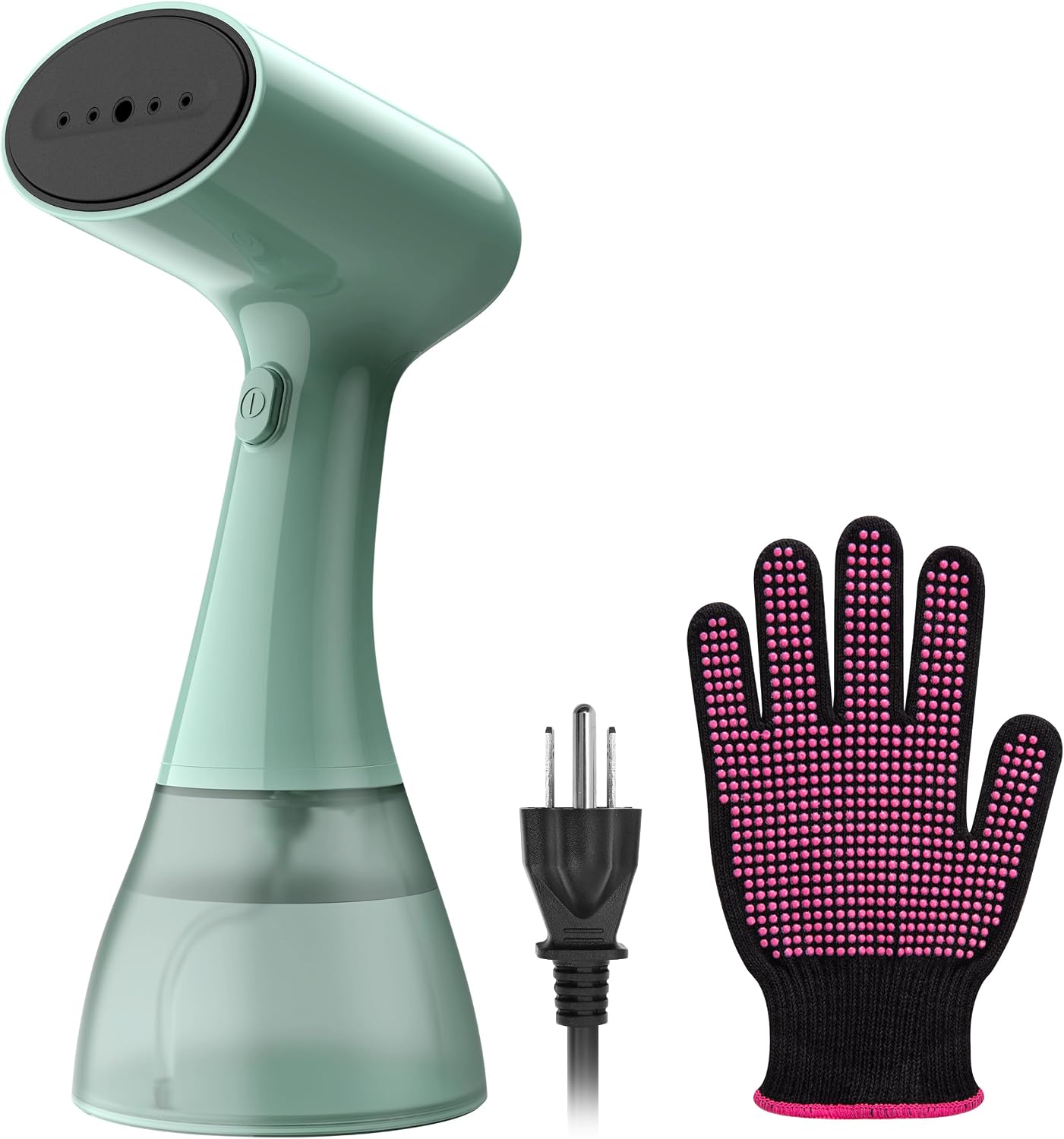
GS01 Handheld Clothes Steamer with 400ml Large Water Tank & 1500W Fast Heat Up
$13.29 $37.99




-

Jacob Rees-Mogg and the appeasement of Islamism
-

Pastor pays tribute to 'precious' church member found dead in Athens suitcase
-

Archbishop of Canterbury faces continued backlash over slavery and reparations stance
-

Amnesty apologises for report that branded dozens of Christian organisations 'anti-rights'
-

MP urges Archbishop of Canterbury to abandon £100m slavery reparations fund
-

Why the Church needs to talk about what we wear
Most Popular
News

Christian claims insurance broker told him to remove ‘Jesus Loves You’ car stickers
A Christian motorist is considering legal action after his insurer allegedly told him that his car cover would cease unless he removed stickers bearing the words “Jesus Loves You”.

Olivet University granted permanent land-use for Anza campus in unanimous Riverside County vote
Olivet University has been granted a permanent legal right, with no expiration date, to operate its educational campus in Anza, California, following a unanimous 5-0 vote by the Riverside County Planning Commission and strong support from neighbors and the community.

Police investigating Ann Widdecombe killing reopen investigation into attempted burglary at Farage's home
Counter-terrorism police investigating the killing of Ann Widdecombe are reported to have reopened a probe into an incident at Nigel Farage's south London home last year.

Family of Christian woman killed in Greece remember her 'kindness' and 'integrity'
The family of a Scottish aid worker who was found dead in a suitcase in Athens have remembered her as a "kind, principled and selfless" woman.
Rocoren 12-Pack Magnetic Cable Clips – 360° Rotating Cord Organizer with No-Residue Adhesive, Cord Holder for Desk, Nightstand, Wall, Car & Office, White
$6.5
Red Light Therapy Mask for Face – 7-Color LED Silicone Facial Mask, Cordless Rechargeable Skincare Device with 240 LEDs for Home & Travel
$39.99
Men's Slim Fit Polo Shirt – Quick Dry Moisture Wicking, High Elasticity, Athletic Fit Polo for Golf, Tennis, Work & Casual Wear (Runs Small, Size Up)
$6.99
AVANTEK Wireless Doorbell CB-11 – 1000 ft Range, 1 Button + 1 Plug-In Receiver, 115 dB Volume, LED Flash, 52 Chimes, Waterproof, 3-Year Battery
$12.91
Women's Workout Shirts – Bum-Covering Length Short Sleeve Dry Fit Tops, Lightweight & Breathable for Athletic, Hiking, Running & Summer Wear
$6.99
Coostar Men's Casual Dress Sneakers – Lightweight Wingtip Oxford Style with Breathable Knit Upper, Rubber Sole & Slip-On Elastic Collar, Business & Walking Shoe
$22.49
Pudolla Men's Quick Dry Hiking and Golf Shorts with 3 Zipper Pockets
$14.84
Venture Pal Ceremonial Grade Matcha Green Tea Powder – First Harvest, Shade Grown, 100% Pure with No Additives, Unsweetened, Vegan & Gluten-Free, 30g Tin
$7.5
Venture Pal Sugar Free 7g BCAA + EAA Powder – 9 Essential Amino Acids with L-Glutamine, Caffeine, Electrolytes & Vitamins for Muscle Recovery, Growth & Hydration
$14.99
Venture Pal Sugar Free Protein Coffee – Cold Brew Mocha Instant Iced Coffee with MCT Oil, Probiotics, Fiber & 13 Vitamins, 70mg Caffeine, Keto & Gluten-Free, 20 Servings
$13.29
Venture Pal Mushroom Hot Cocoa – Natural Sleep Aid with 12 Superfoods, Melatonin 3mg, Magnesium Glycinate, L-Theanine, Glycine, Lion's Mane, Reishi & Turkey Tail, Bedtime Cocoa Mix, 30 Servings
$23.99
Cortisol Supplement for Women & Men with Ashwagandha & GABA – Magnesium, L-Theanine & Rhodiola, Stress Support for Sleep, Mood & Focus, 60-Day Supply, Made in USA
$15.29
Venture Pal 18-in-1 Creatine for Women – Creatine Monohydrate with Collagen, Myo & D-Chiro Inositol, Electrolytes & Vitamins for Strength, Recovery & Skin Support, Sugar Free, 10.58 oz
$14.99
Venture Pal 1000mg Vitamin C Powder with Zinc & Elderberry – Sugar Free B Complex, 10 Vitamins, Minerals & Electrolytes, Daily Immune & Energy Support Packets, 60 Count
$13.59
Venture Pal Burn Electrolyte Packets – Sugar Free Hydration with 7 Electrolytes, L-Carnitine, Berberine, ACV & Chromium, Metabolic & Satiety Support, Keto & Vegan, 16 Sticks
$15.99
Venture Pal Vegan Protein Powder – 20g Plant Protein with 9B CFU Probiotics, Fiber, Digestive Enzymes & Superfoods, Vanilla, Low Sodium, Keto-Friendly, Gluten & Dairy Free, Non-GMO, 20 Servings
$21.59
Fidus Liver Cleanse & Repair Supplement – 400mg Milk Thistle (80% Silymarin) with TUDCA, NAC, Turmeric, Artichoke & Dandelion – Liver Support & Digestive Health, 60 Capsules, Made in USA
$14.39
Pudolla Men's 7" Running Shorts with Zipper Pockets – Quick Dry 2-in-1 Workout Gym Shorts with Compression Liner for Tennis, Yoga & Training
$11.99
AVANTEK BA-11 Wireless Doorbell Kit (Battery-Powered Receiver, 1000 ft Range)
$13.83
GS01 Handheld Clothes Steamer with 400ml Large Water Tank & 1500W Fast Heat Up
$13.29