
ABU SHOUK CAMP, Sudan - Hawa Abdallah Mohamed says she fled to this miserable camp after government forces and state-backed militia attacked her village in North Darfur almost five years ago.
But instead of refuge, she found the same violence here that has killed as many as 200,000 people and driven 2 million more from their homes to create one of the world's worst humanitarian crises.
Now she and others in Abu Shouk Camp say a joint United Nations-African Union force is their only chance at finally knowing safety.
"It's so important that this force, which we have asked for for so long, will protect us in the camps where we now find the same rape and killing we fled from," the 23-year-old said.
The 26,000-strong mission, which is due to deploy around Jan. 1, will take over from struggling AU peacekeepers who have failed to stem violence in Sudan's west.
Refugees hope the peacekeepers will put a stop to rapes and killings, remove settlers from their lands and disarm the militias who drove them away.
But while the force hopes to be able to at least protect civilians, Khartoum has refused to let it have a mandate to disarm militias. Western states have also failed to provide helicopters and other needs, casting doubt on its effectiveness.
"NO FUTURE"
The United Nations, under pressure from Western governments, has tried for years to win support from Khartoum for an international force for Darfur where rebels took up arms against the government in 2003 charging neglect.
The Sudanese government responded in part by arming militias, known locally as Janjaweed and accused of atrocities against civilians, to put down the revolt.
The government says only 9,000 people have died in Darfur, and denies arming the Janjaweed, which Khartoum calls outlaws.
Elderly Khadija Ibrahim Mahmoud said she had first-hand experience with Janjaweed. She saw them burn houses, killing toddlers in their beds.
"The forces have to come as quickly as possible and then life will be better," she said. "Otherwise there's no future."
Many in the camps are too frightened to talk to foreigners for fear of harassment or arrest by government authorities.
Tribal leader Umda Salah Bakhour said that has happened to him. He was arrested three times after visits by U.S. Secretary of State Condoleezza Rice, French Foreign Minister Bernard Kouchner and top U.S. African official Jendayi Frazer.
He has been on the run since militia and government forces raided his North Darfur village in 2002, before the outbreak of major revolt. After three days of bombing and ground assaults he tried to move the weak and wounded out of the area.
But they were intercepted by militia who killed some of those with him and gang raped the women, including his 14-year-old cousin. They forced him to watch or be shot dead.
TRUST
After walking for days he made it to the outskirts of el-Fasher, but said authorities refused them entry.
"A lot of people got sick and died of malnutrition, diarrhoea and infections," he said. "I watched 27 children and 16 old people die in front of my eyes."
For the new force to be successful, Bakhour said they must not just stay in nearby towns but set up bases in the camps, where many feel the small, inexperienced AU force has become too close to the government, which says rebels have infiltrated the camps.
"They (UN troops) must come directly to the camps and listen to the people not just ask the government what's happening," he said.
The new force will have to work hard and fast not to lose the trust of the people, who in some larger camps have burned down the AU police posts within.
For Ishaq Ismail Adam, the force's arrival is in some ways too late. Just three weeks ago he was walking in the camp when a man shot his friend in the head right before his eyes.
"They are so late for Darfur because we have been living a tragedy," said the 24-year-old.
"Do we need to pay them to make them come? I want to ask a high-level U.N. official just what do you want us to do so you can come?"
11% OFF

VitaUp Beet Root Gummies with CoQ10 & Grape Seed - Nitric Oxide Circulation Support (60 Count)
$24.91 $27.91
50% OFF

HDPE All-Weather Adirondack Chair with Built-In Cup Holder - Tool-Free Assembly (Grey)
$69.99 $139.99
60% OFF

HOMETUK Clear Plastic Storage Bins with Dividers - 3-Pack Stackable Acrylic Organizer Containers for Fridge and Pantry
$19.99 $49.99
58% OFF

G Gradual Men's Fishing Shirt - UPF 50+ Lightweight Short Sleeve Button Down with Zipper Pockets
$14.99 $35.99
55% OFF

Everyfun 60" Rectangular Platform Tree Swing - 700lbs Heavy Duty Adjustable Outdoor Swing (Colorful)
$49.99 $110.99
61% OFF

Ekouaer Women's Casual Loose Jumpsuit - One-Piece Printed Sleeveless Wide Leg Romper with Pockets
$14.99 $37.99
40% OFF
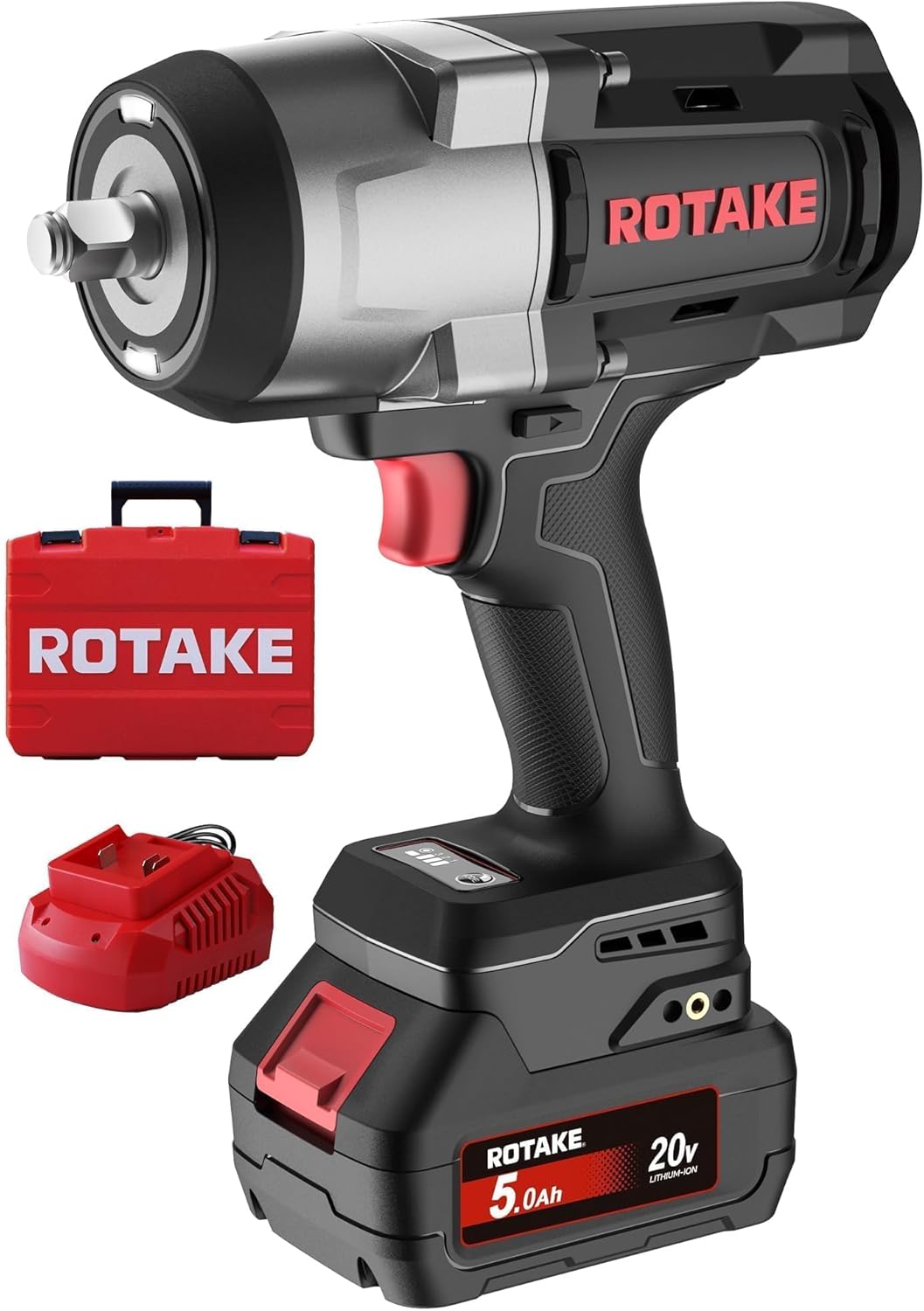
ROTAKE TB3 20V Heavy Duty 1/2" Cordless Impact Wrench Kit - 1380 Ft-Lbs Torque
$132 $219.99
36% OFF

Men's Athletic Running Shorts with Zipper Pockets - Lightweight & Quick Dry
$12.74 $19.99
61% OFF

Modern Ceiling Fan with Light and Remote - Reversible Quiet DC Motor
$69.3 $179.99
50% OFF

MOOKA H13 True HEPA Air Purifier for Home Large Room - 1076 sq ft Odor Eliminator
$39.97 $79.95
60% OFF

Ekouaer Women's Satin Silky Pajama Set - Short Sleeve Pullover Top & Wide-Leg Pants
$13.99 $34.99
55% OFF

Ekouaer 3-Piece Maternity & Nursing Pajamas Set - Short Sleeve Top with Shorts and Pants
$14.99 $32.99

Sealy 2-Pack Tritech 16" Twin Inflatable Air Mattress with Built-in AC Pump
$0 $113.99
20% OFF

INTEX Prism Frame 20ft x 52in Above Ground Pool Set - Round Steel Frame Swimming Pool
$695.99 $869.99

Gardner Pet 43" Heavy Duty Dog Crate with Wheels - Indestructible Folding Metal Cage (Black)
$0 $149.99
12% OFF

Elegant Mid-Century Modern Bar Stools - Set of 4
$395.99 $449.99
23% OFF
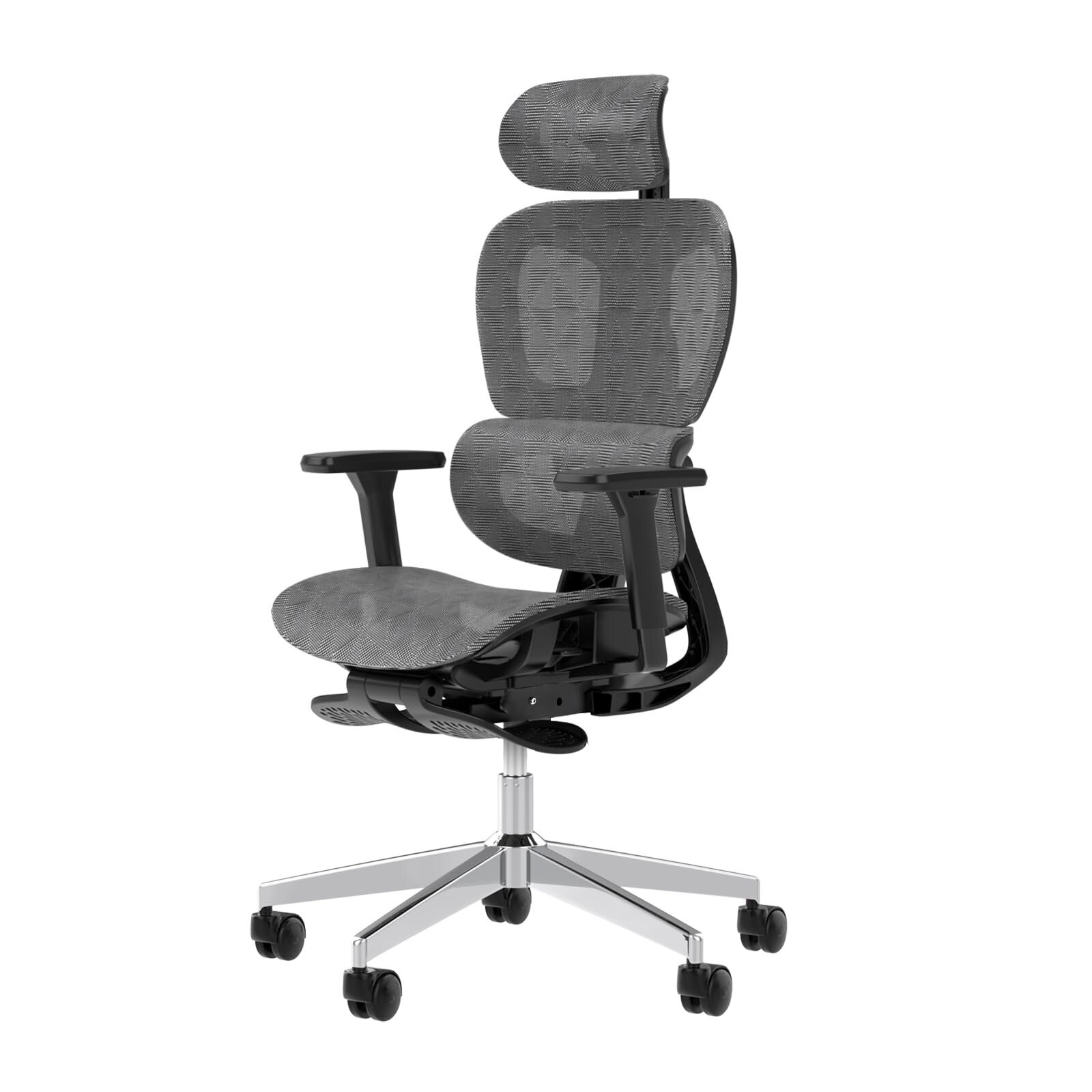
Ergonomic Office Chair - Big and Tall Desk Chair with Adjustable Lumbar Support
$279.99 $363.99
26% OFF
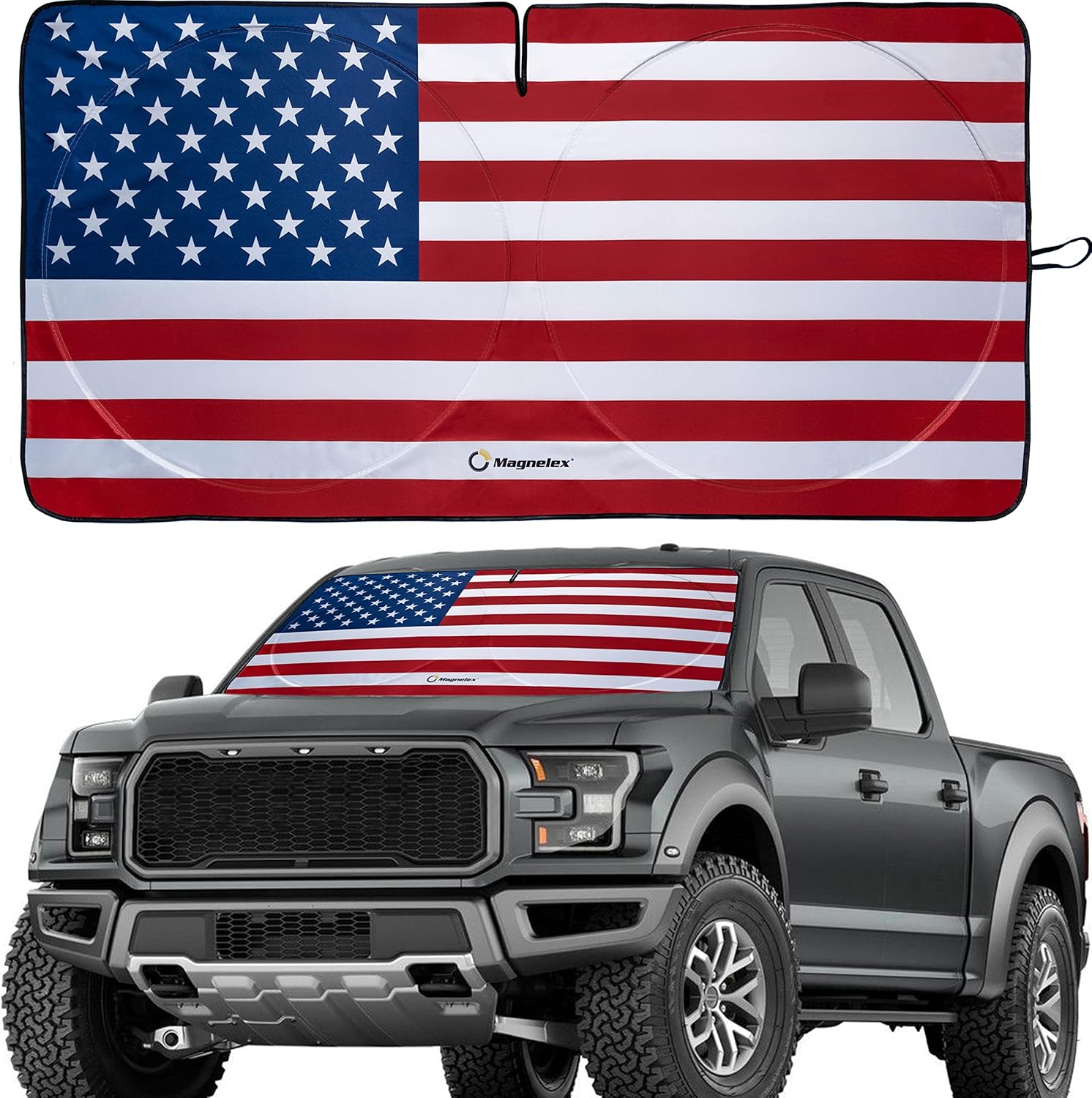
Magnelex American Flag Windshield Sun Shade - High-Resolution UV Reflective Heat Shield (X-Large)
$19.9 $26.9
20% OFF
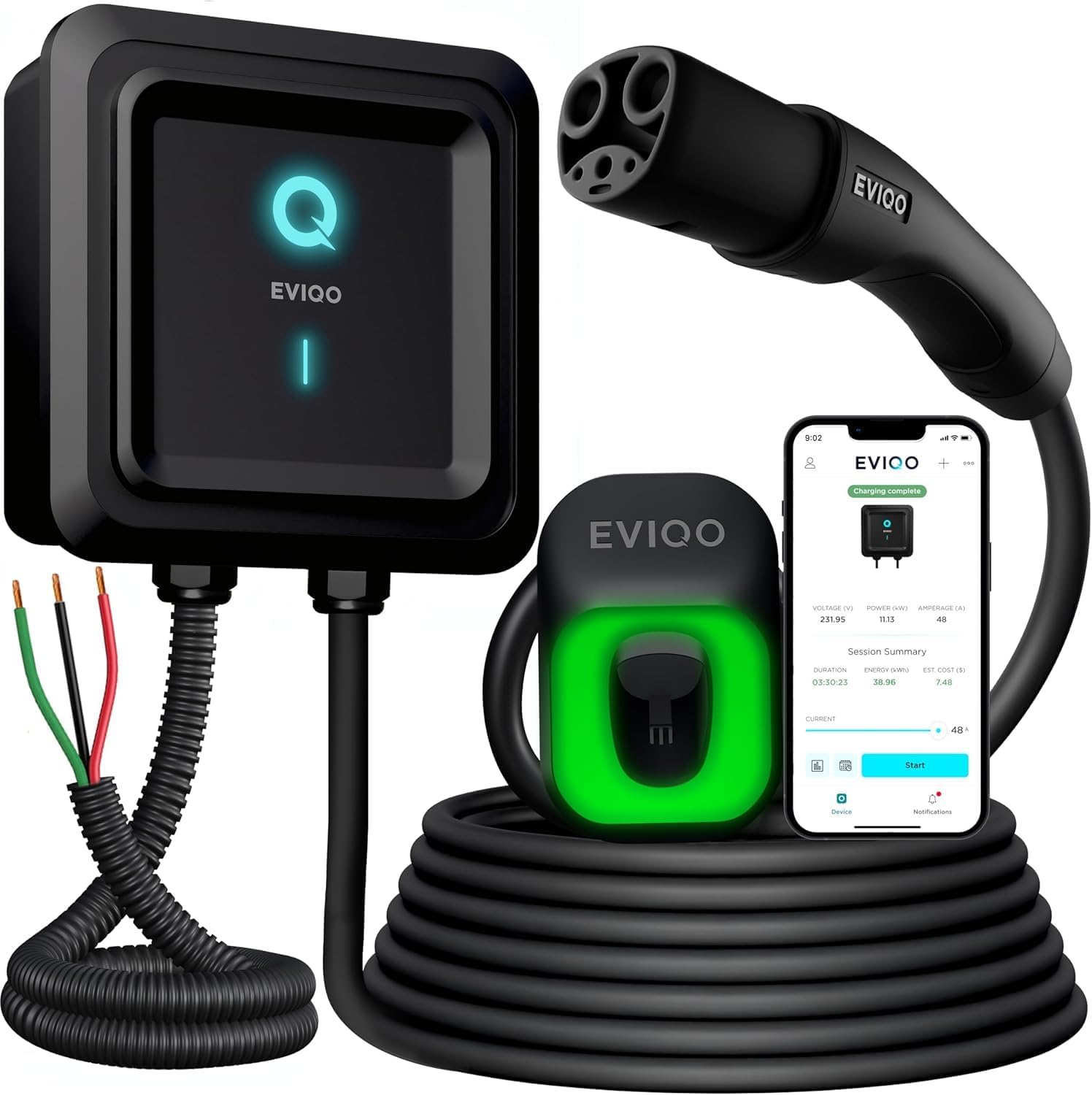
EVIQO 48 Amp NACS Level 2 EV Charger - Hardwired Smart WiFi Wall Charger for Tesla
$368.51 $458.55
50% OFF

DBFIT Air Purifier for Home Large Room
$29.99 $59.99




-

Historic Lancashire church secures £250,000 National Lottery grant for major roof repairs
-

Sunderland Minster PCC was right to push back over trans toilet sign
-

Secular group targets church over online preaching
-

Bethel Church distances itself from Todd Bentley and Mike Bickle
-

Christian police officer reaches settlement over diversity training discrimination claim
-

Christian loses case to remove LGBT symbols from workplace
Most Popular
News

Archbishop of Canterbury highlights benefits and risks of AI
Archbishop Sarah Mullally joined the Pope in raising concerns about AI.

Church of England more than doubles conservation grants
The significant rise in funding was attributed partly to support from the National Lottery Heritage Fund.

Male silence has helped shape UK abortion culture
“Men and abortion is an area that is even more silenced than many of the other areas connected with women and abortion, which are silenced," says bioethicist Dr Anthony McCarthy.

Diary of a CEO’s Steven Bartlett and John Lennox discuss AI, faith and the search for meaning
The Oxford professor shared fears of a “colossal power grab” as AI continues to evolve.
VitaUp Beet Root Gummies with CoQ10 & Grape Seed - Nitric Oxide Circulation Support (60 Count)
$24.91
HDPE All-Weather Adirondack Chair with Built-In Cup Holder - Tool-Free Assembly (Grey)
$69.99
HOMETUK Clear Plastic Storage Bins with Dividers - 3-Pack Stackable Acrylic Organizer Containers for Fridge and Pantry
$19.99
G Gradual Men's Fishing Shirt - UPF 50+ Lightweight Short Sleeve Button Down with Zipper Pockets
$14.99
Everyfun 60" Rectangular Platform Tree Swing - 700lbs Heavy Duty Adjustable Outdoor Swing (Colorful)
$49.99
Ekouaer Women's Casual Loose Jumpsuit - One-Piece Printed Sleeveless Wide Leg Romper with Pockets
$14.99
ROTAKE TB3 20V Heavy Duty 1/2" Cordless Impact Wrench Kit - 1380 Ft-Lbs Torque
$132
Men's Athletic Running Shorts with Zipper Pockets - Lightweight & Quick Dry
$12.74
Modern Ceiling Fan with Light and Remote - Reversible Quiet DC Motor
$69.3
MOOKA H13 True HEPA Air Purifier for Home Large Room - 1076 sq ft Odor Eliminator
$39.97
Ekouaer Women's Satin Silky Pajama Set - Short Sleeve Pullover Top & Wide-Leg Pants
$13.99
Ekouaer 3-Piece Maternity & Nursing Pajamas Set - Short Sleeve Top with Shorts and Pants
$14.99
Sealy 2-Pack Tritech 16" Twin Inflatable Air Mattress with Built-in AC Pump
$0
INTEX Prism Frame 20ft x 52in Above Ground Pool Set - Round Steel Frame Swimming Pool
$695.99
Gardner Pet 43" Heavy Duty Dog Crate with Wheels - Indestructible Folding Metal Cage (Black)
$0
Elegant Mid-Century Modern Bar Stools - Set of 4
$395.99
Ergonomic Office Chair - Big and Tall Desk Chair with Adjustable Lumbar Support
$279.99
Magnelex American Flag Windshield Sun Shade - High-Resolution UV Reflective Heat Shield (X-Large)
$19.9
EVIQO 48 Amp NACS Level 2 EV Charger - Hardwired Smart WiFi Wall Charger for Tesla
$368.51
DBFIT Air Purifier for Home Large Room
$29.99