
World cup fever struck the nation for a few weeks but has now abated. Some of us will issue a sigh of relief, some will be coping with depression and other withdrawal symptoms, and a few thousand, players, managers, ground staff and travelling supporters will probably be counting the cost either to their stamina or their bank balances. But in the words of a TV quiz if ‘you think it’s all over’, may I suggest that you are likely to be wrong. We shall be dissecting the results, learning of previously obscure players who have joined premier clubs and be seeing replays for many years to come. The world cup may have been decided but it is far from over!
|PIC1|Almost two hundred years ago William Wilberforce and his allies, as well as his vast army of supporters throughout the United Kingdom, probably breathed a sigh of relief, maybe almost of disbelief, for after 20 years of effort the Abolition of the Slave Trade Bill became law in 1807. But the battle to end slavery was far from over and the impact of slavery is still with us,evidenced by the poverty of Africa and the often felt lack of worth among those whose origins are in slavery. Additionally we are having to face the challenge that there are many forms of slavery still extant around the world.
But neither the continuing legacy of the World Cup nor the continuing struggle against slavery should diminish the sense of achievement behind such events. Next year many Christian organizations and others are joining together to commemorate the achievements of 1807, to share our deep sorrow over the grim realities that in some way or other we are all involved in and to seek to make a difference. The lead is being taken by Set All Free a group initiated by Churches Together in England, and by Stop the Traffik (To find out more go to www.biblesunday and click the relevant place).
For it’s part, Bible Society is devoting Bible Sunday this year to help churches prepare for the opportunities that 2007 will bring for building relationships with the communities around them as well as the more obvious justice issues.
Bible Sunday invites us to Join a chain reaction to transform the world. The Bible’s impact significantly helped to change a nation and end the horror of the slave trade 200 years ago. This year’s Bible Sunday resources explore the powerful words that can unleash the chain reactions which transform lives, laws and countries.
Here is part of that story.
|TOP|In the late 1700s some senior church leaders tried to use Scripture to justify the slave trade.
Newly converted, and a passionate Christian, William Wilberforce thought otherwise. William Wilberforce was converted in December 1785, after a meeting with his childhood hero John Newton, author of Amazing Grace and former slave trader himself.
Wilberforce knew the slave trade was totally at odds with the dignity of all people made equally in God’s image. Nor did it fit with the Christian’s responsibility to follow the “Golden Rule” (Matthew 7.12) of treating others as we would have them treat us.
But where was there a source strong enough to battle with the powerful forces of greed and power which wanted to maintain slavery? For Wilberforce, who also became deeply involved in the founding of Bible Society in 1804, the answer lay in Scripture. The Bible had been for him and proved to be for many others, the start of a chain reaction that changed a nation and helped end slavery.
It was a fight that Wilberforce spearheaded for the rest of his career. His vision took wings 22 years after his conversion. In 1807 the Abolition of the Slave Trade Act became law. The chain reaction went on as millions of people across the British Empire were set free through the abolition of slavery just days before Wilberforce’s death in 1833.
Even before Wilberforce, former slaves like Jonathan Strong and James Somerset were among the first to benefit from the work of other Christian campaigners.
|AD|Granville Sharp, who became the Bible Society’s first chairman, found Jonathon Strong in London, abandoned by his master and suffering from vicious beatings. He secured him treatment at Bart’s Hospital and found work for him, before his former owner tried to re-claim him. Sharp then went to court and won Strong his freedom.
Sharp pursued many cases including that of James Somerset, a slave who escaped to Britain and was then put on a ship back to Jamaica, He won the precedent that “as soon as any slave sets his foot on English ground he becomes free”.
Two centuries ago, Scripture inspired a freed slave, Equiano, to campaign publicly in Britain for the freedom of his own people. As the Bible’s values were given a platform by the abolitionists, the hearts of the powerful were softened.
All of these people encountered the Bible’s chain reaction! So can we.
Bible Society’s free Bible Sunday resources focus on the power of Scripture to first change us, and then turn us into change makers when we hear God speak to us through the Bible’s pages.
Under the banner Chain Reaction: The Awesome Power of the Bible, the pack provides an inspiring, easy-to-use mix of drama, imaginative activities for all ages and a talk.
On the same theme The Unchaining Word is another free useful resource for mid-week and home groups. It ties in with Bible Sunday and other bicentenary initiatives using the experience of slavery abolitionist pioneers and more contemporary activists.
The informative booklet contains practical sessions based on biblical, historical and contemporary material as well as powerful questions and suggestions for action.
Author Sue Hookway says, “If God’s Word could create such radical reform 200 years ago, enabling Christians to ‘out-think’ the world, what changes might it bring to our society and to our lives?”
Fortunately, although the World Cup may be over, the power of the Bible isn’t This chain reaction is something to celebrate. It’s also something to learn from, as we tackle the many forms of modern slavery — from human trafficking to bonded labour — that still keep generations in grinding poverty.
Go to the website, www.biblesunday.org or phone 01793 418100 to obtain your free copy of Bible Sunday materials - Chain Reaction, Bible Society’s FREE resources for Bible Sunday 2006 (29 October). It includes:
• all-age material
• sermon
• PowerPoint presentation for youth and all-age
• song suggestions, including a new hymn from Timothy Dudley-Smith, with specially written music
• drama
The Unchaining Word is also available as a free download or for a donation from the same website or phone number.
|PIC2|David Spriggs
David Spriggs is a Local Baptist Minister for 20 years; Previously headed up the Evangelism Department of the Evangelical Alliance; Now working for Bible Society in various roles relating to the place of the Bible in the mission of the church in England and Wales, currently Bible and Church Consultant; Author of several books, and many articles mainly on church leadership and growth, prayer and spirituality, the Bible; Writes regularly for a number of daily Bible reading notes publishers, including, BRF, CWR, IBRA, SU and Living Light. For more information about the Bible Society please click www.biblesociety.org.uk
11% OFF
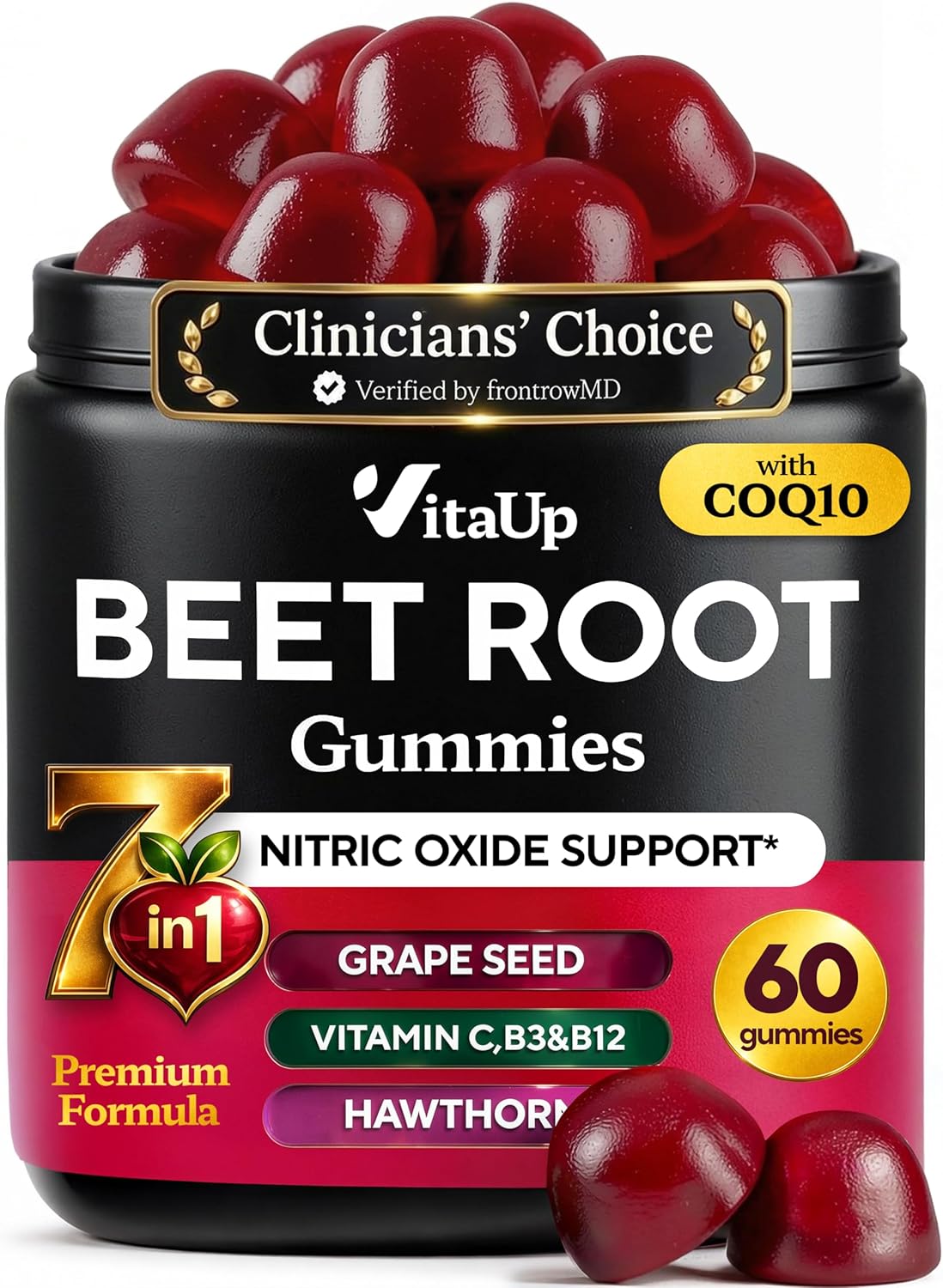
VitaUp Beet Root Gummies with CoQ10 & Grape Seed - Nitric Oxide Circulation Support (60 Count)
$24.91 $27.91
50% OFF
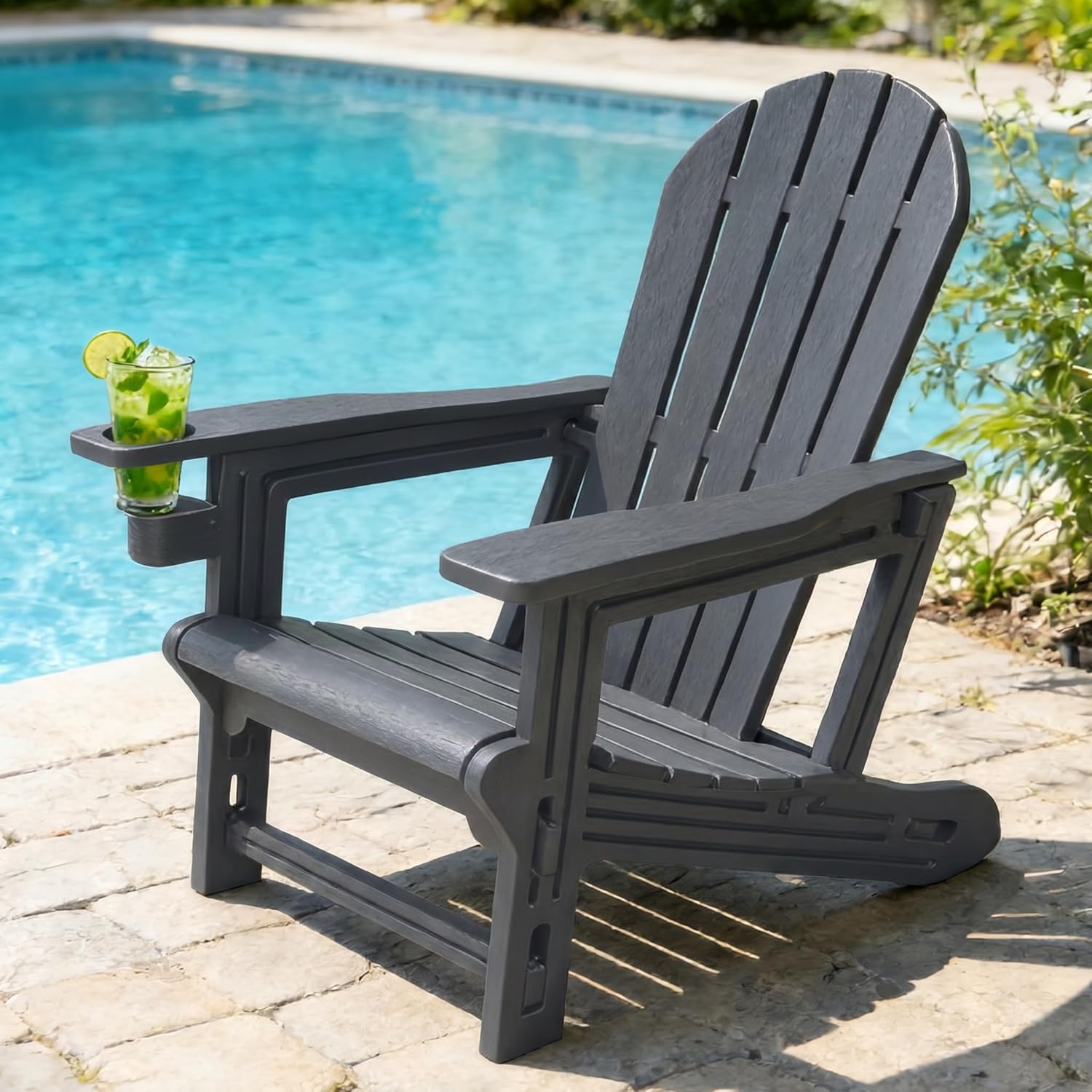
HDPE All-Weather Adirondack Chair with Built-In Cup Holder - Tool-Free Assembly (Grey)
$69.99 $139.99
60% OFF
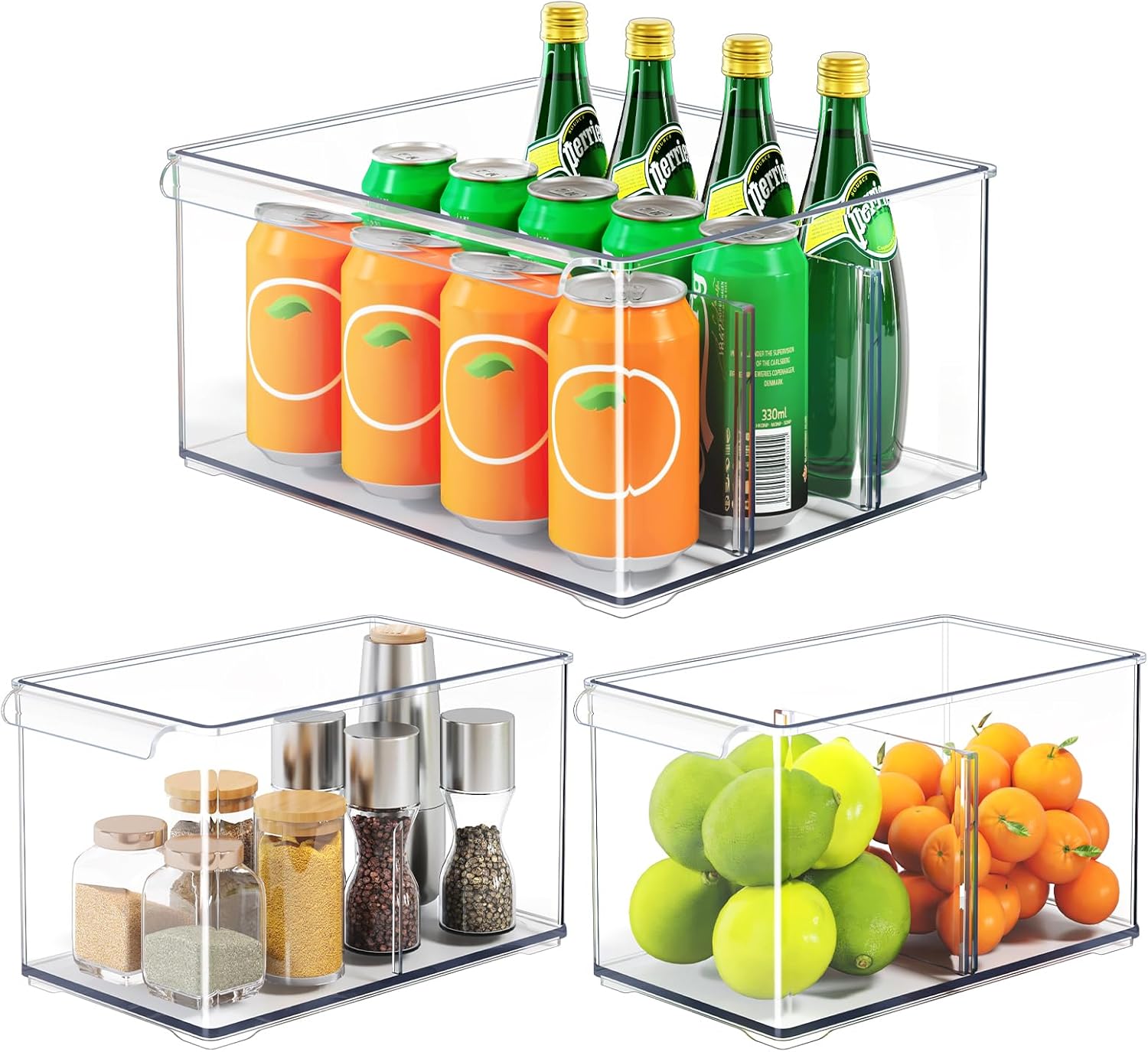
HOMETUK Clear Plastic Storage Bins with Dividers - 3-Pack Stackable Acrylic Organizer Containers for Fridge and Pantry
$19.99 $49.99
58% OFF
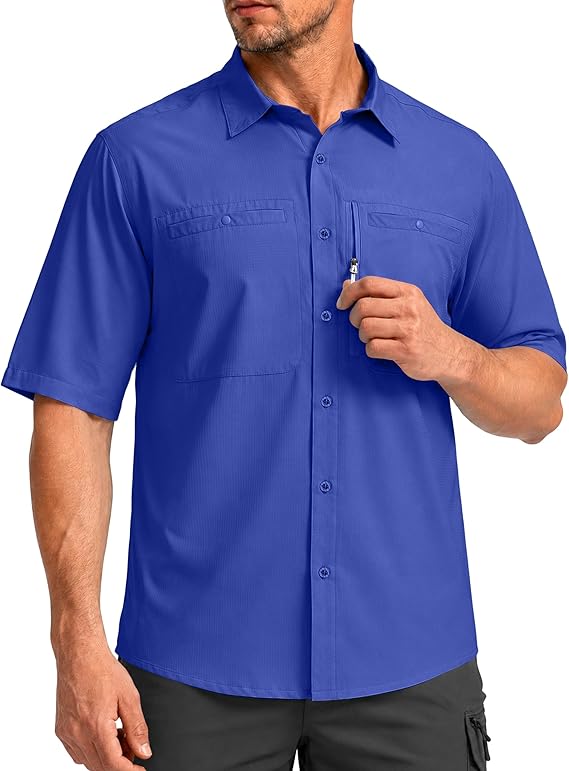
G Gradual Men's Fishing Shirt - UPF 50+ Lightweight Short Sleeve Button Down with Zipper Pockets
$14.99 $35.99
55% OFF
Everyfun 60" Rectangular Platform Tree Swing - 700lbs Heavy Duty Adjustable Outdoor Swing (Colorful)
$49.99 $110.99
61% OFF
Ekouaer Women's Casual Loose Jumpsuit - One-Piece Printed Sleeveless Wide Leg Romper with Pockets
$14.99 $37.99
40% OFF
ROTAKE TB3 20V Heavy Duty 1/2" Cordless Impact Wrench Kit - 1380 Ft-Lbs Torque
$132 $219.99
36% OFF
Men's Athletic Running Shorts with Zipper Pockets - Lightweight & Quick Dry
$12.74 $19.99
61% OFF
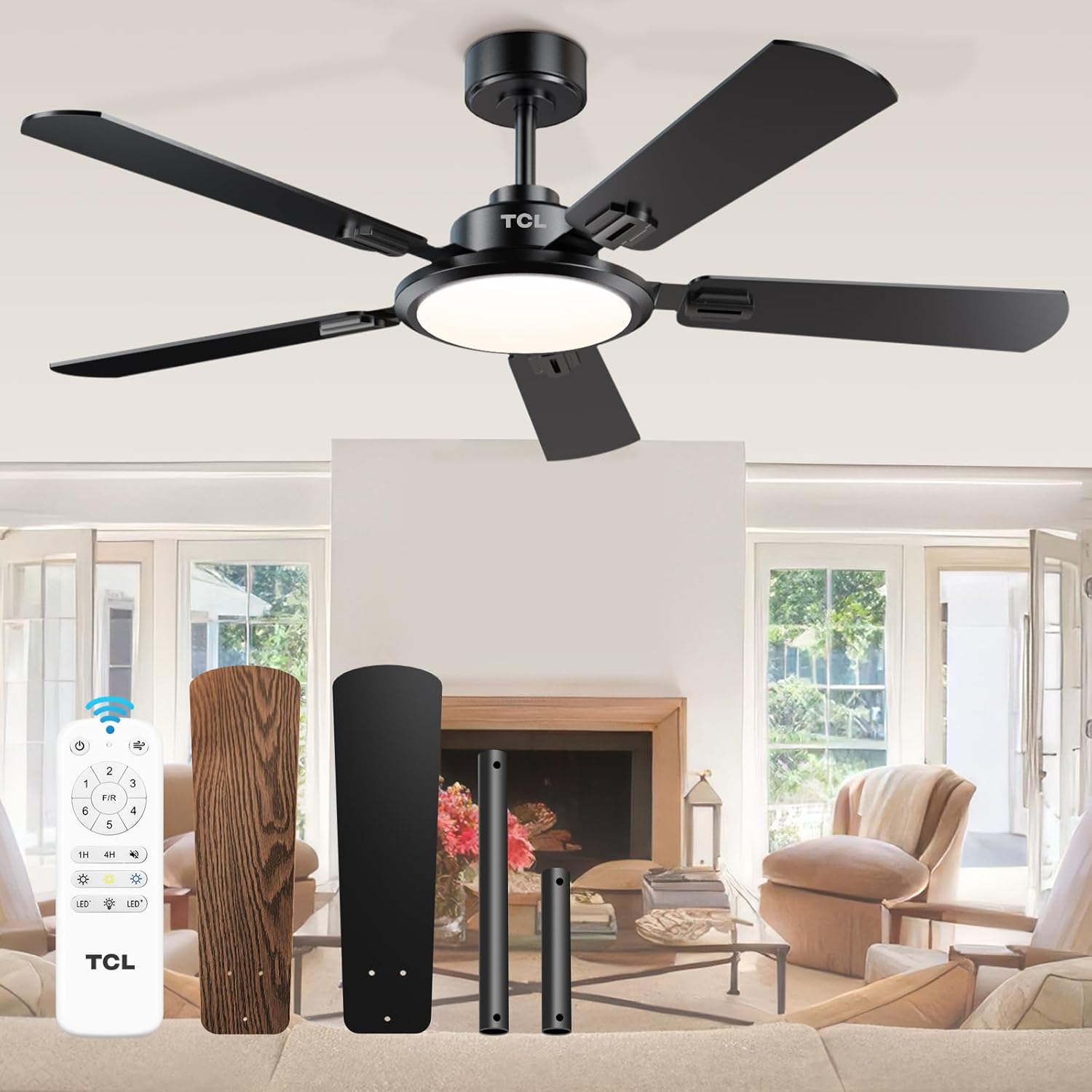
Modern Ceiling Fan with Light and Remote - Reversible Quiet DC Motor
$69.3 $179.99
50% OFF
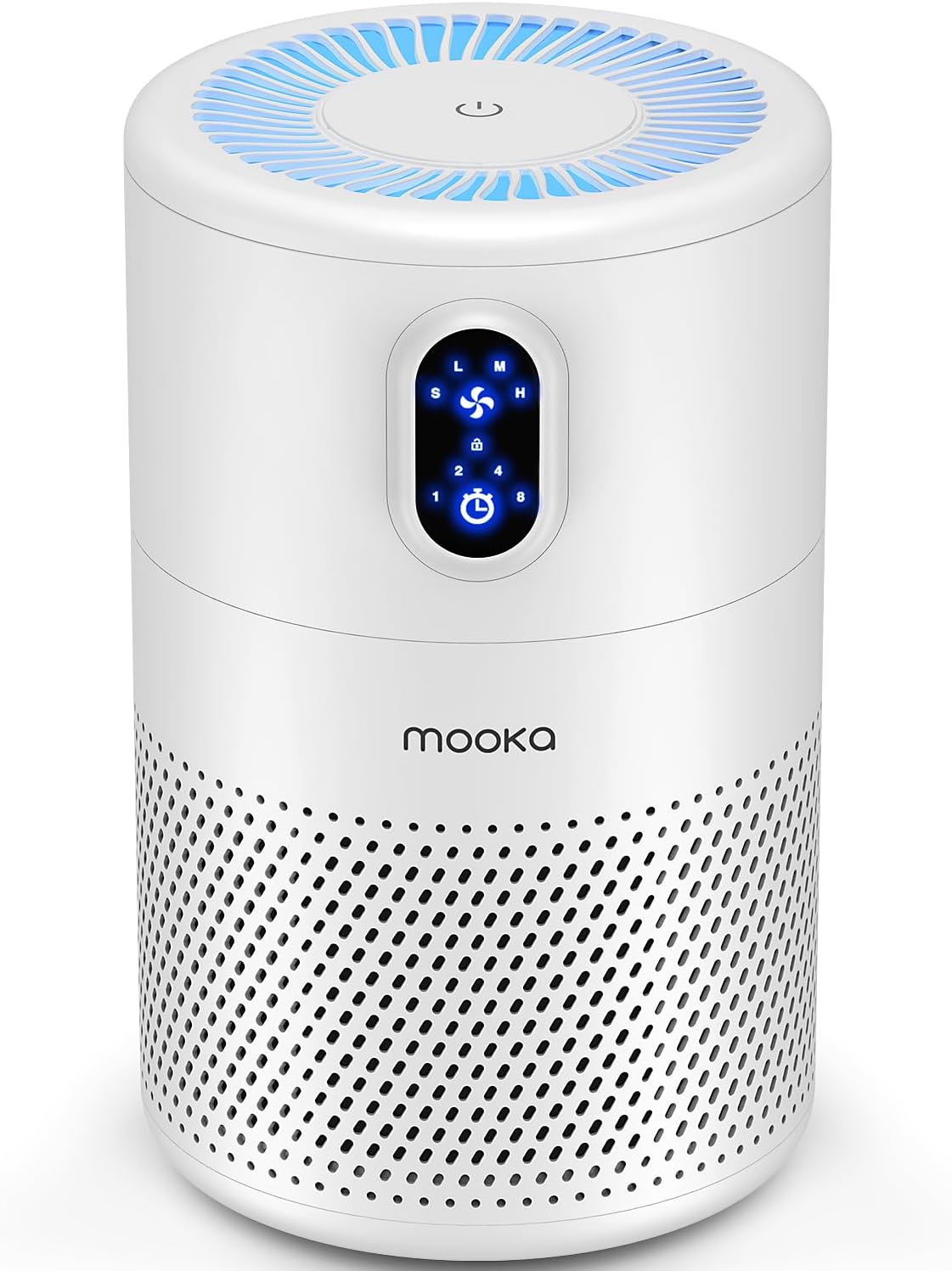
MOOKA H13 True HEPA Air Purifier for Home Large Room - 1076 sq ft Odor Eliminator
$39.97 $79.95
60% OFF

Ekouaer Women's Satin Silky Pajama Set - Short Sleeve Pullover Top & Wide-Leg Pants
$13.99 $34.99
55% OFF

Ekouaer 3-Piece Maternity & Nursing Pajamas Set - Short Sleeve Top with Shorts and Pants
$14.99 $32.99
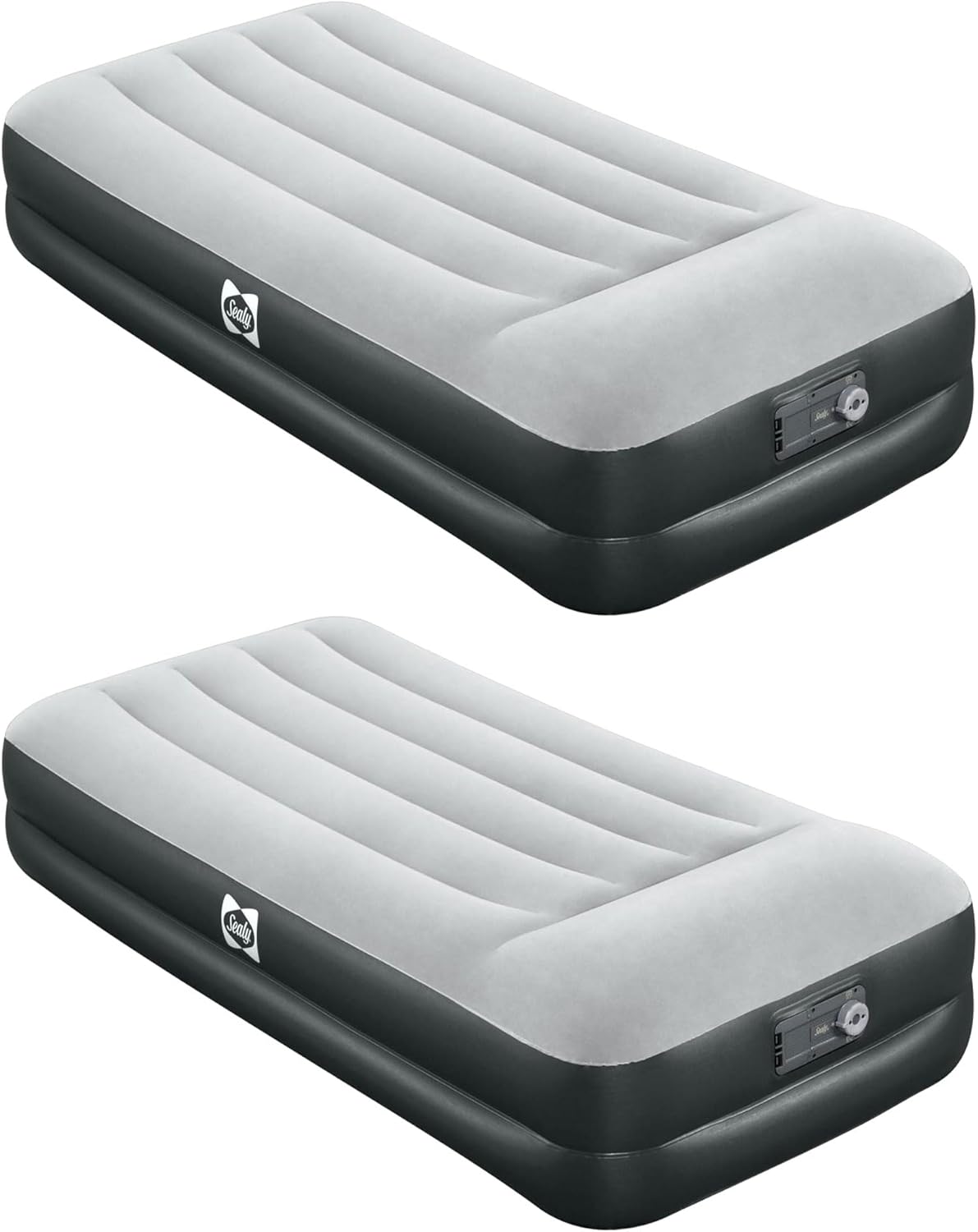
Sealy 2-Pack Tritech 16" Twin Inflatable Air Mattress with Built-in AC Pump
$0 $113.99
20% OFF
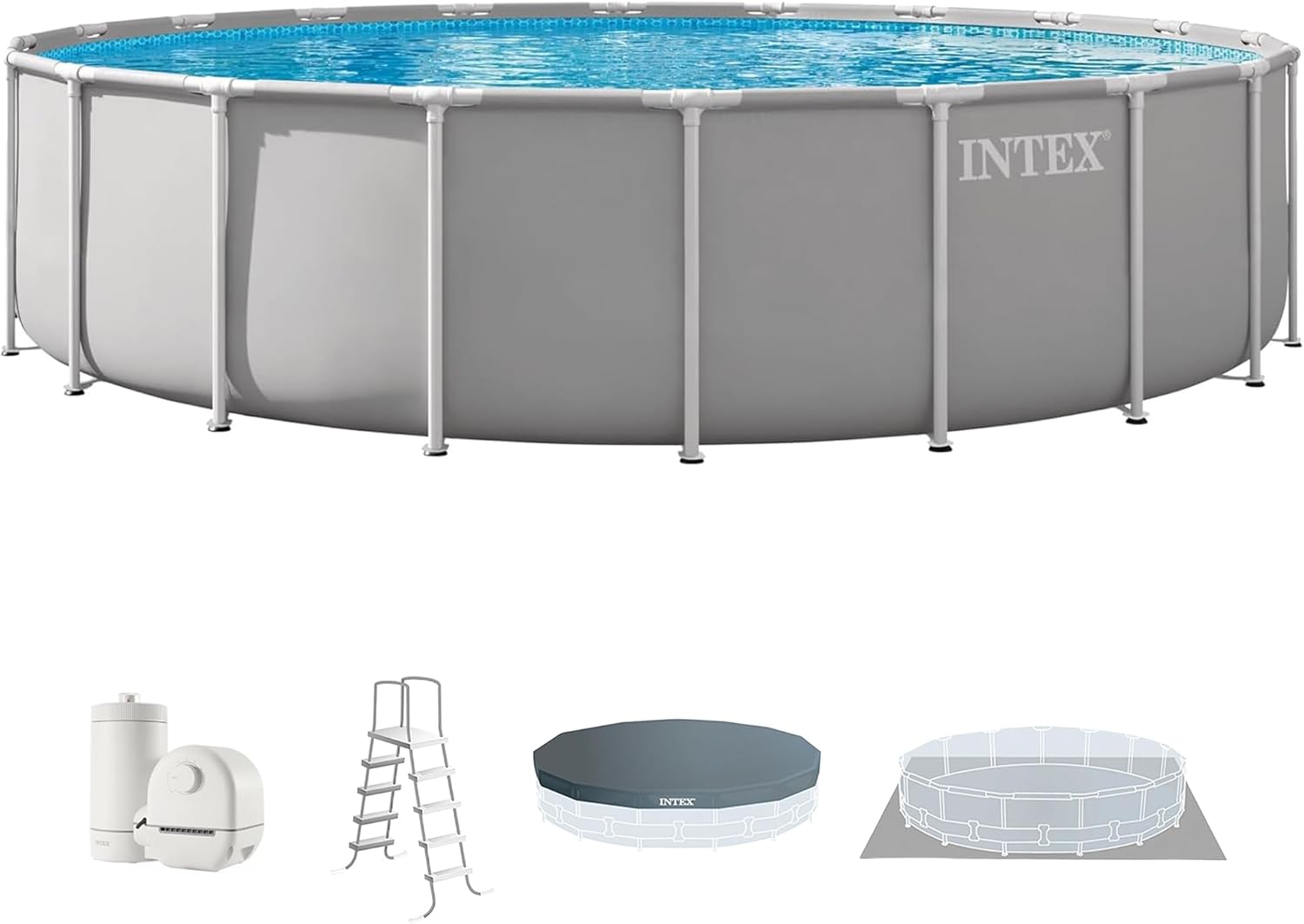
INTEX Prism Frame 20ft x 52in Above Ground Pool Set - Round Steel Frame Swimming Pool
$695.99 $869.99

Gardner Pet 43" Heavy Duty Dog Crate with Wheels - Indestructible Folding Metal Cage (Black)
$0 $149.99
12% OFF

Elegant Mid-Century Modern Bar Stools - Set of 4
$395.99 $449.99
23% OFF
Ergonomic Office Chair - Big and Tall Desk Chair with Adjustable Lumbar Support
$279.99 $363.99
26% OFF

Magnelex American Flag Windshield Sun Shade - High-Resolution UV Reflective Heat Shield (X-Large)
$19.9 $26.9
20% OFF
EVIQO 48 Amp NACS Level 2 EV Charger - Hardwired Smart WiFi Wall Charger for Tesla
$368.51 $458.55
50% OFF

DBFIT Air Purifier for Home Large Room
$29.99 $59.99



-

Historic Lancashire church secures £250,000 National Lottery grant for major roof repairs
-

Sunderland Minster PCC was right to push back over trans toilet sign
-

Secular group targets church over online preaching
-

Bethel Church distances itself from Todd Bentley and Mike Bickle
-

Christian police officer reaches settlement over diversity training discrimination claim
-

Christian loses case to remove LGBT symbols from workplace
Most Popular
related articles
Ghana Pray Thanks to God as Africans Shock World Cup
Ghana Pray Thanks to God as Africans Shock World Cup
England Through to World Cup Quarter Finals; YWAM Seek to Share Gospel
England Through to World Cup Quarter Finals; YWAM Seek to Share Gospel
England Out Again in World Cup Penalties as Church Pastors Offer Comfort
England Out Again in World Cup Penalties as Church Pastors Offer Comfort
Italy Wins World Cup; Battle Against Sex-Trafficking to Continue
Italy Wins World Cup; Battle Against Sex-Trafficking to Continue
German Churches Vow to Continue Anti-Sex Trafficking Campaign
German Churches Vow to Continue Anti-Sex Trafficking Campaign
News
Archbishop of Canterbury highlights benefits and risks of AI
Archbishop Sarah Mullally joined the Pope in raising concerns about AI.
Church of England more than doubles conservation grants
The significant rise in funding was attributed partly to support from the National Lottery Heritage Fund.

Male silence has helped shape UK abortion culture
“Men and abortion is an area that is even more silenced than many of the other areas connected with women and abortion, which are silenced," says bioethicist Dr Anthony McCarthy.
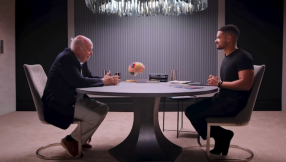
Diary of a CEO’s Steven Bartlett and John Lennox discuss AI, faith and the search for meaning
The Oxford professor shared fears of a “colossal power grab” as AI continues to evolve.
VitaUp Beet Root Gummies with CoQ10 & Grape Seed - Nitric Oxide Circulation Support (60 Count)
$24.91
HDPE All-Weather Adirondack Chair with Built-In Cup Holder - Tool-Free Assembly (Grey)
$69.99
HOMETUK Clear Plastic Storage Bins with Dividers - 3-Pack Stackable Acrylic Organizer Containers for Fridge and Pantry
$19.99
G Gradual Men's Fishing Shirt - UPF 50+ Lightweight Short Sleeve Button Down with Zipper Pockets
$14.99
Everyfun 60" Rectangular Platform Tree Swing - 700lbs Heavy Duty Adjustable Outdoor Swing (Colorful)
$49.99
Ekouaer Women's Casual Loose Jumpsuit - One-Piece Printed Sleeveless Wide Leg Romper with Pockets
$14.99
ROTAKE TB3 20V Heavy Duty 1/2" Cordless Impact Wrench Kit - 1380 Ft-Lbs Torque
$132
Men's Athletic Running Shorts with Zipper Pockets - Lightweight & Quick Dry
$12.74
Modern Ceiling Fan with Light and Remote - Reversible Quiet DC Motor
$69.3
MOOKA H13 True HEPA Air Purifier for Home Large Room - 1076 sq ft Odor Eliminator
$39.97
Ekouaer Women's Satin Silky Pajama Set - Short Sleeve Pullover Top & Wide-Leg Pants
$13.99
Ekouaer 3-Piece Maternity & Nursing Pajamas Set - Short Sleeve Top with Shorts and Pants
$14.99
Sealy 2-Pack Tritech 16" Twin Inflatable Air Mattress with Built-in AC Pump
$0
INTEX Prism Frame 20ft x 52in Above Ground Pool Set - Round Steel Frame Swimming Pool
$695.99
Gardner Pet 43" Heavy Duty Dog Crate with Wheels - Indestructible Folding Metal Cage (Black)
$0
Elegant Mid-Century Modern Bar Stools - Set of 4
$395.99
Ergonomic Office Chair - Big and Tall Desk Chair with Adjustable Lumbar Support
$279.99
Magnelex American Flag Windshield Sun Shade - High-Resolution UV Reflective Heat Shield (X-Large)
$19.9
EVIQO 48 Amp NACS Level 2 EV Charger - Hardwired Smart WiFi Wall Charger for Tesla
$368.51
DBFIT Air Purifier for Home Large Room
$29.99