
|PIC1|Christian groups in the US are criticizing a new bill that would allow for greater federal funding of embryonic stem cell research as wasting tax dollars on "bad science" that is also unethical.
"This over-hyped research would drag money and attention away from what patients really need - ethical treatments that work," complained Wendy Wright, president of Concerned Women for America, in a released statement.
Opponents of the bill sponsored by Senate Majority Leader Harry Reid (D-Nev) have argued that not only is research using embryonic stem cells unethical because it destroys embryos in the extraction process, but it also fails to show the breakthrough results promised by supporters after decades of research.
"What makes S.5 (Reid's bill) even more troubling is the fact that embryonic stem cell research is such 'bad science,'" said the Rev. Patrick J. Mahoney, director of the Christian Defense Coalition, in a statement. "The overwhelming body of evidence has indicated that stem cells derived from sources other than embryos have shown far more promise."
Proponents of the bill contend that since embryonic stem cells are more pluripotent, or versatile, it is easier to trick the cells into becoming a greater number of cell lines than non-embryonic stem cells. Supporters have defended the research by claiming that embryonic stem cells are the only hope for finding cures for diseases such as Alzheimer's, Parkinson's, and diabetes and spinal-core injuries.
However, Dr. David Stevens, Christian Medical Association's CEO, argued, "Creating human embryos and harvesting their stem cells, ostensibly for disease treatments, is a highly speculative, impractical and unethical proposition."
Stevens, whose organization is the nation's largest faith-based association of physicians, fears that if the bill is passed researchers will harvest embryos purely for experimental needs.
"Besides the moral wrongs of killing embryos and exploiting women, this bill would also divert precious healthcare funds away from ethical and effective research using stem cells found in the patient's own body, and also in cord blood, amniotic fluid and placenta," said Stevens, in a statement. "Such non-embryonic stem cell research does not harm human embryos and is already producing real therapies for real patients in over 70 different disease and injuries."
Another drawback of embryonic stem cell research is that since the cells are able to differentiate into more cell lines, they are also more likely to become tumor cells.
The Stem Cell Research Enhancement Act (S.5) is expected to pass the Senate this week but President Bush has vowed to veto it.
This is the second attempt by Congress in the last two years to allow federal tax dollars to fund embryonic stem cell. Bush had cast his only veto during his presidency last year to oppose a bill similar to the current S.5 bill.
If the Senate is able to override the President's promised veto, the legislation would overturn a Bush policy in 2001 that said federal funds can only be used for research on limited stem cell lines that were already exiting before his announcement.
On the other hand, Bush is expected to sign an alternative bill sponsored by Sen. Johnny Isakson (R-Ga.) that would permit public funding for studies on embryos incapable of developing into fetuses.
The Bush administration said in a statement Tuesday the alternative bill, which is also moving toward a Senate vote this week, would encourage research that does not harm budding human life.
"The administration does not believe science and ethics need be at odds," the statement said.
The Isakson bill would also prohibit US taxpayer money from being spent on the creation of embryos for research purposes.
35% OFF
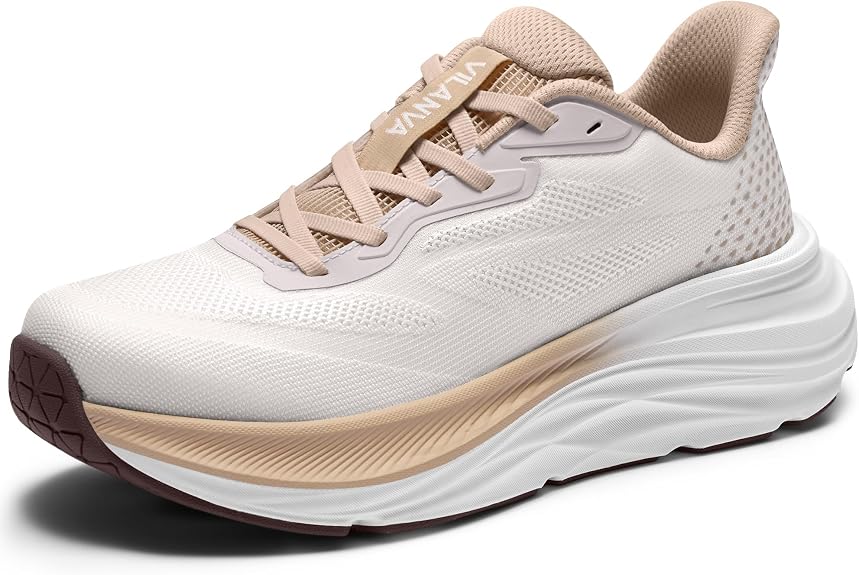
Vilanva Women's Walking Shoes – Cushioned Lightweight Running Sneakers with Slip-Resistant Sole, Breathable Woven Upper for Everyday Wear & Workouts
$35.09 $53.99
67% OFF
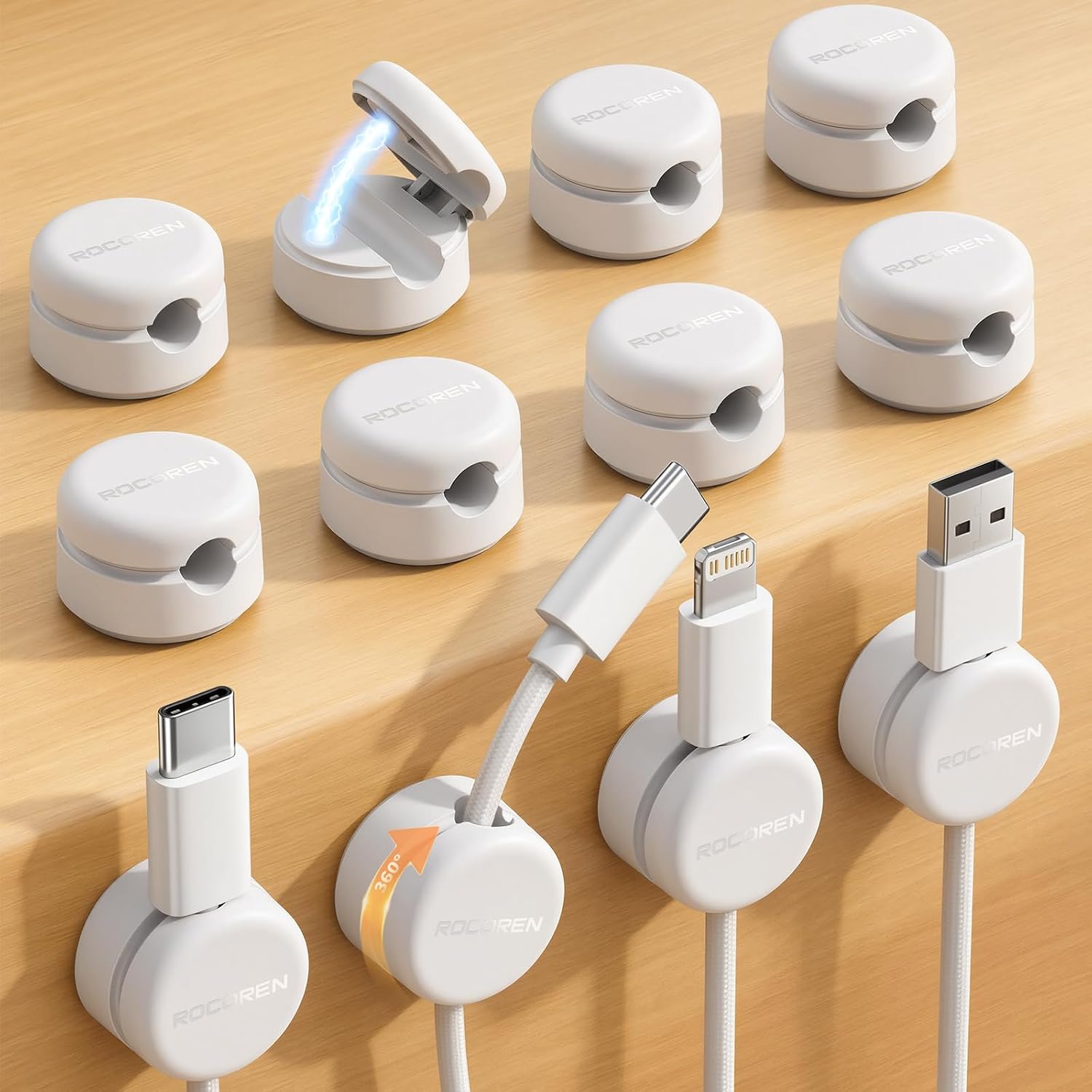
Rocoren 12-Pack Magnetic Cable Clips – 360° Rotating Cord Organizer with No-Residue Adhesive, Cord Holder for Desk, Nightstand, Wall, Car & Office, White
$6.5 $19.99
60% OFF
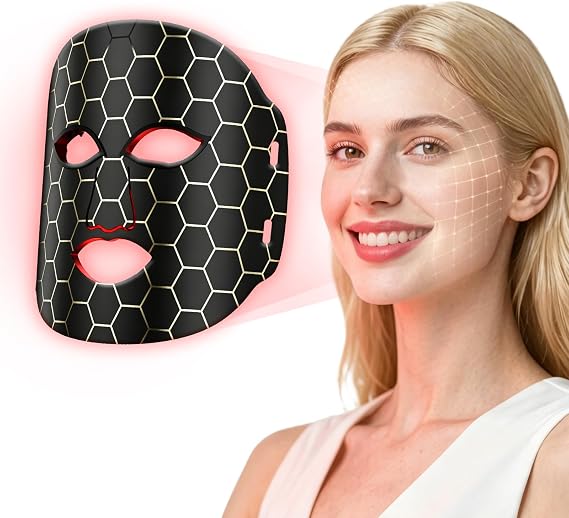
Red Light Therapy Mask for Face – 7-Color LED Silicone Facial Mask, Cordless Rechargeable Skincare Device with 240 LEDs for Home & Travel
$39.99 $99.99
77% OFF
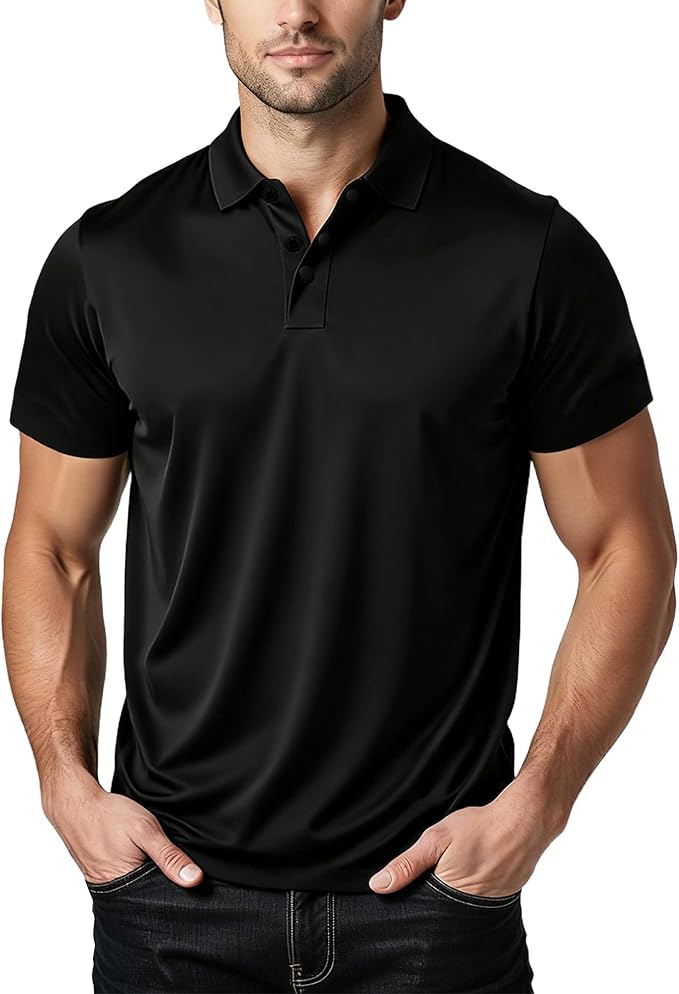
Men's Slim Fit Polo Shirt – Quick Dry Moisture Wicking, High Elasticity, Athletic Fit Polo for Golf, Tennis, Work & Casual Wear (Runs Small, Size Up)
$6.99 $29.99
28% OFF
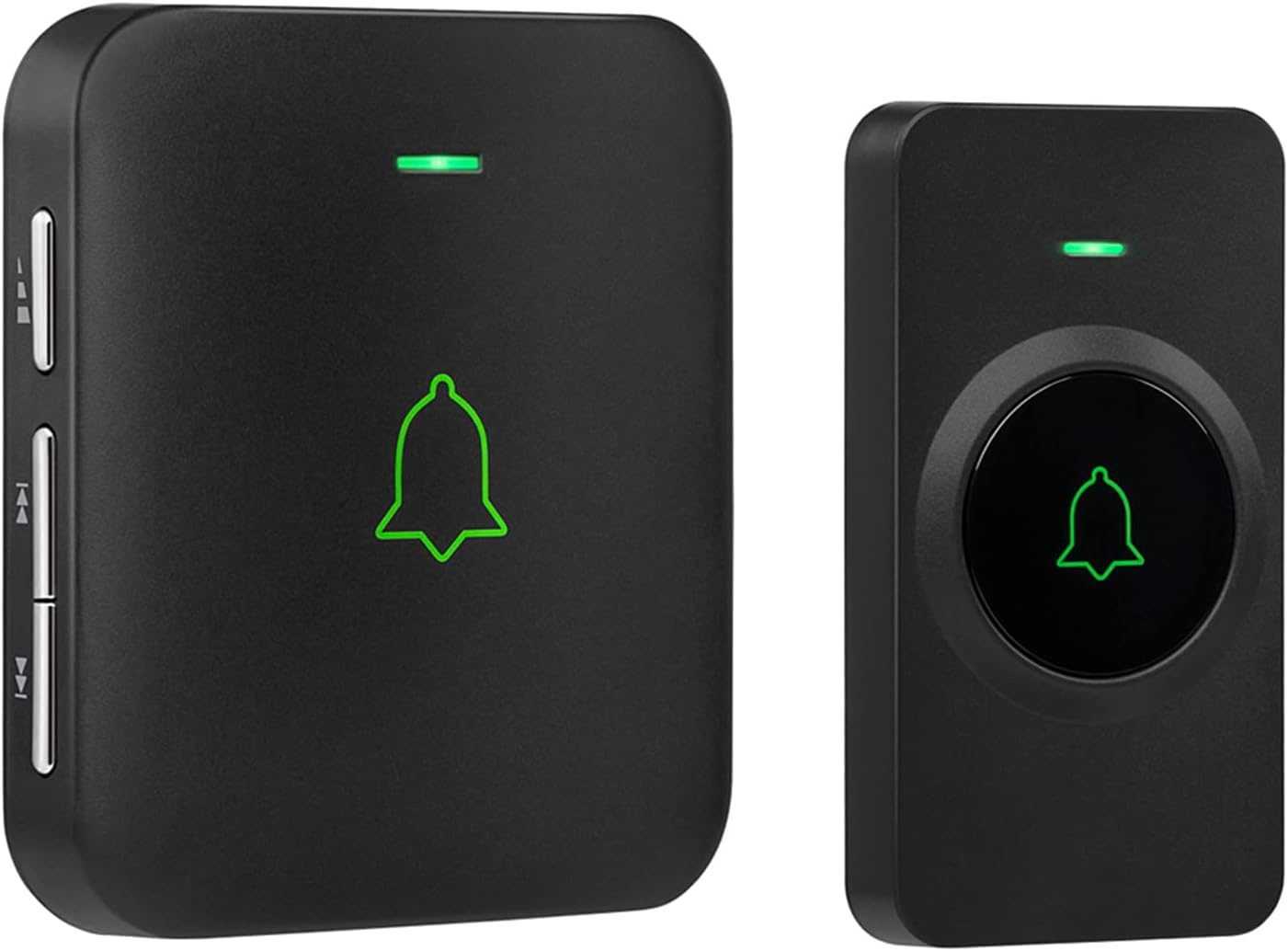
AVANTEK Wireless Doorbell CB-11 – 1000 ft Range, 1 Button + 1 Plug-In Receiver, 115 dB Volume, LED Flash, 52 Chimes, Waterproof, 3-Year Battery
$12.91 $17.99
50% OFF
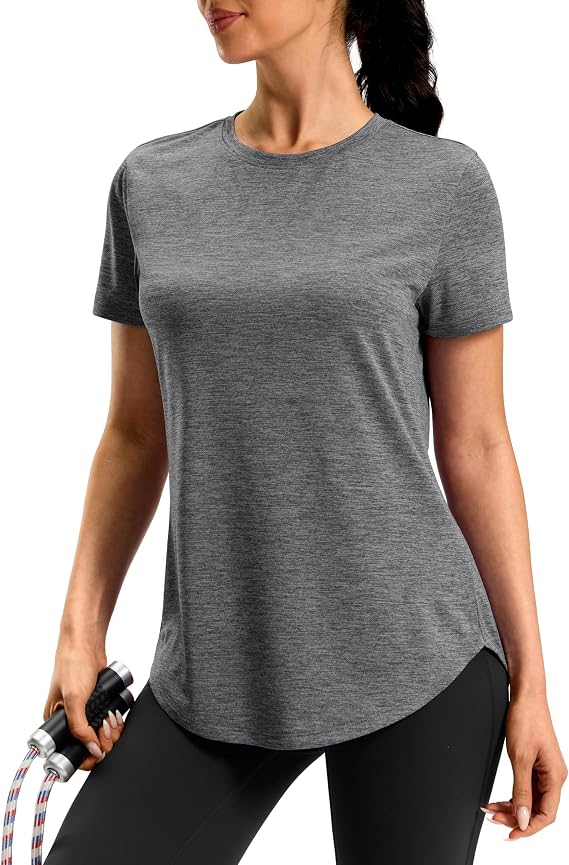
Women's Workout Shirts – Bum-Covering Length Short Sleeve Dry Fit Tops, Lightweight & Breathable for Athletic, Hiking, Running & Summer Wear
$6.99 $13.99
50% OFF
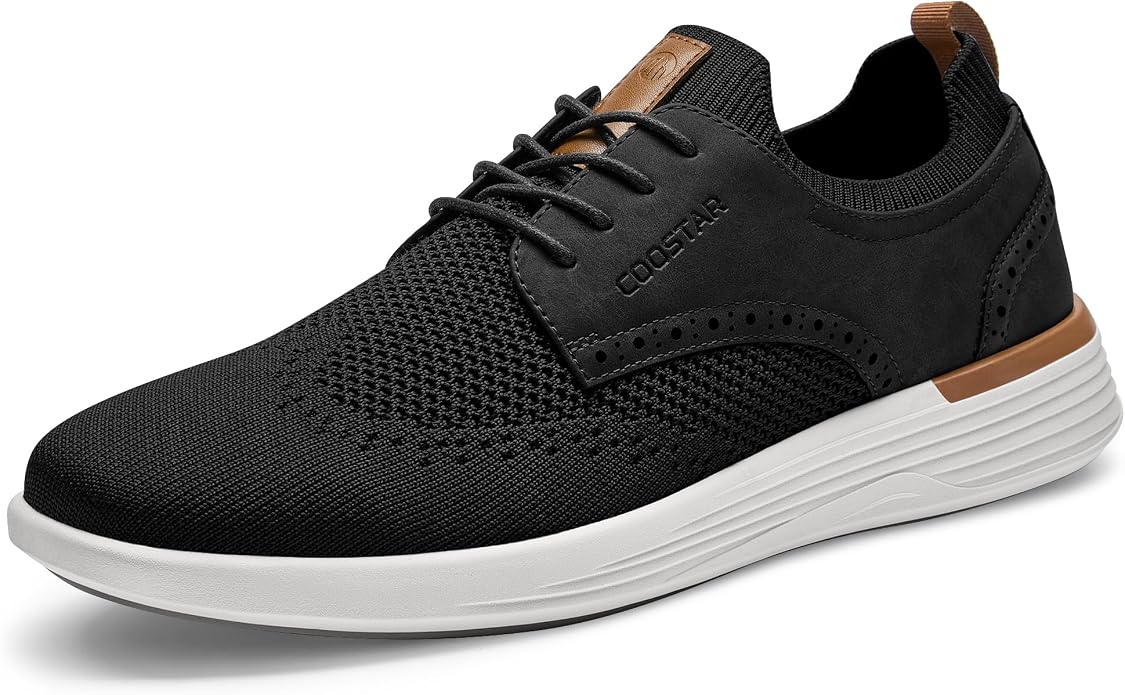
Coostar Men's Casual Dress Sneakers – Lightweight Wingtip Oxford Style with Breathable Knit Upper, Rubber Sole & Slip-On Elastic Collar, Business & Walking Shoe
$22.49 $44.99
45% OFF
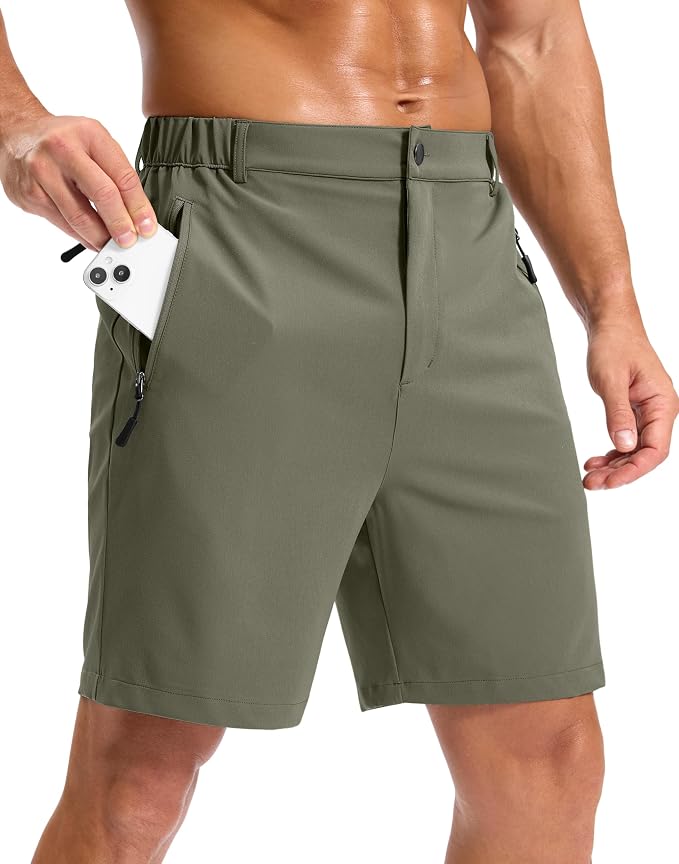
Pudolla Men's Quick Dry Hiking and Golf Shorts with 3 Zipper Pockets
$14.84 $26.99
50% OFF
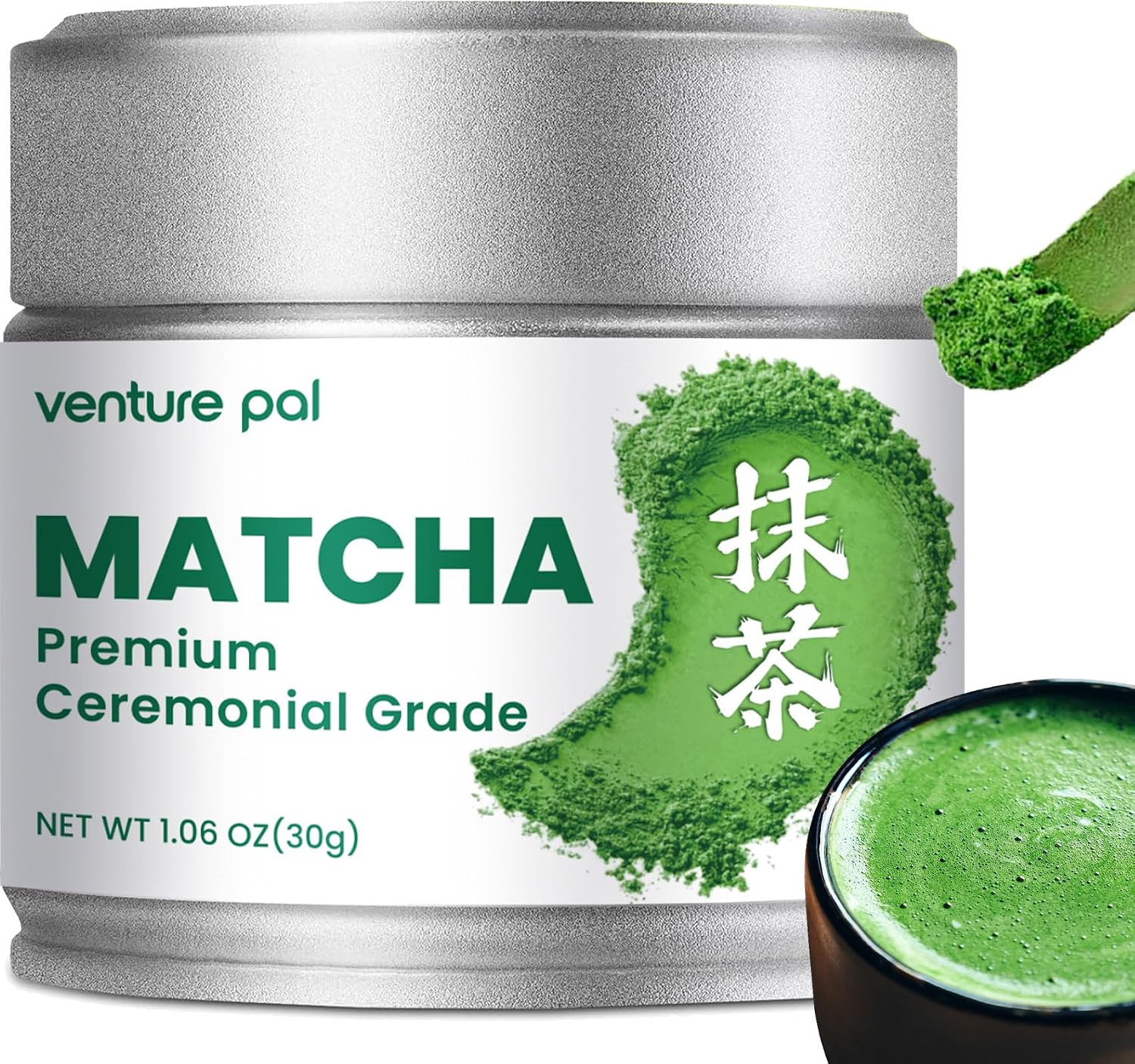
Venture Pal Ceremonial Grade Matcha Green Tea Powder – First Harvest, Shade Grown, 100% Pure with No Additives, Unsweetened, Vegan & Gluten-Free, 30g Tin
$7.5 $14.99
40% OFF
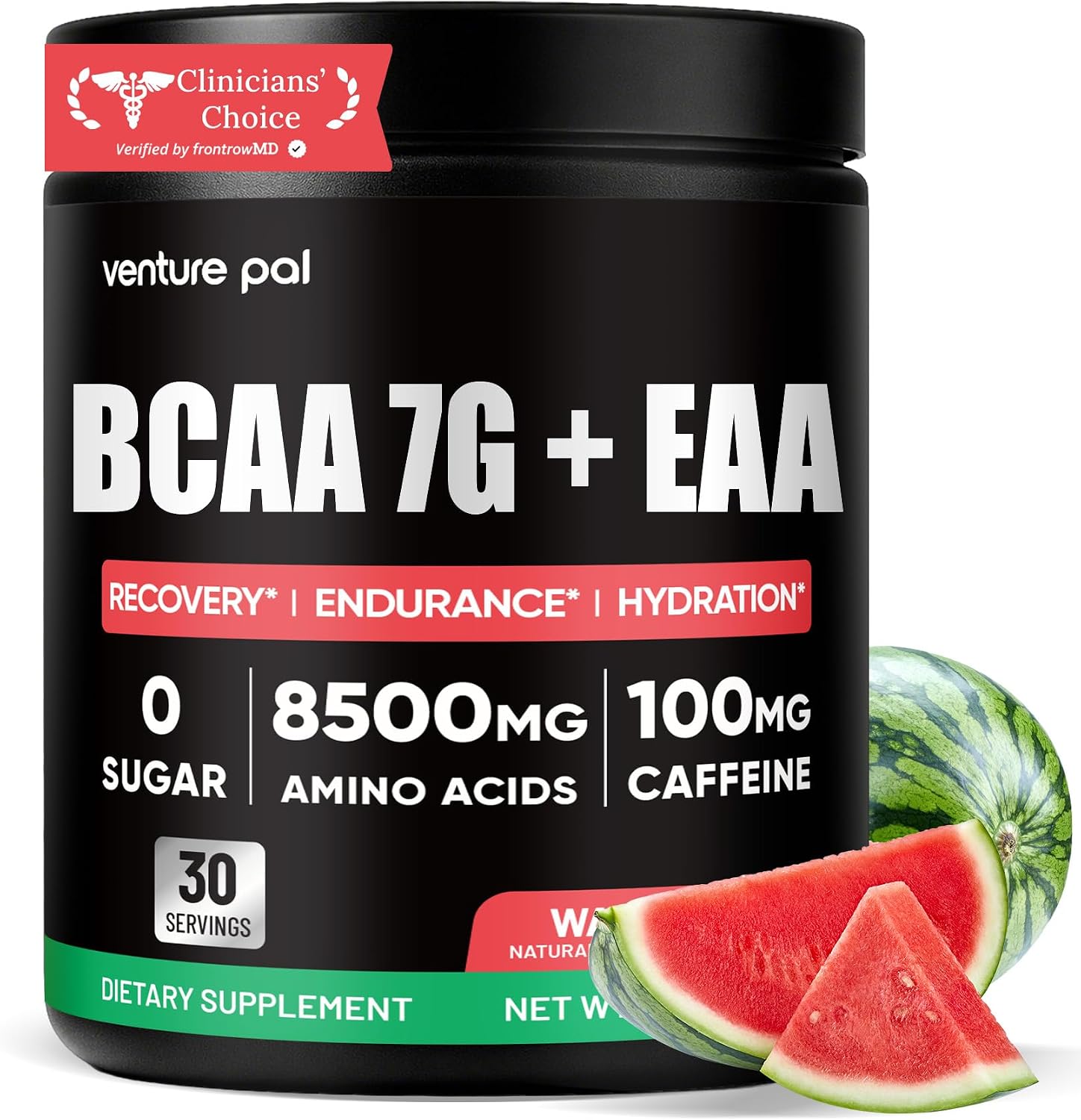
Venture Pal Sugar Free 7g BCAA + EAA Powder – 9 Essential Amino Acids with L-Glutamine, Caffeine, Electrolytes & Vitamins for Muscle Recovery, Growth & Hydration
$14.99 $24.99
30% OFF
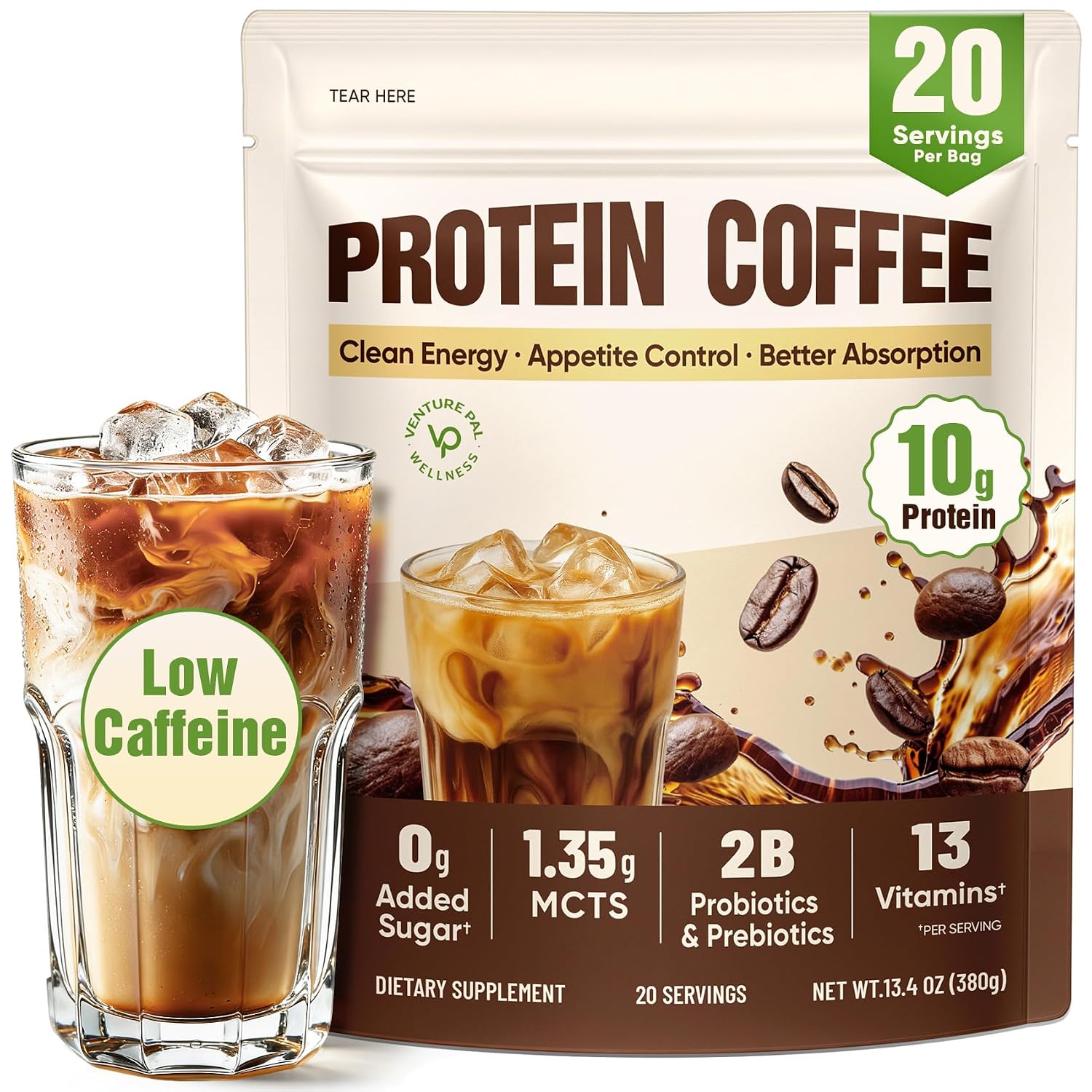
Venture Pal Sugar Free Protein Coffee – Cold Brew Mocha Instant Iced Coffee with MCT Oil, Probiotics, Fiber & 13 Vitamins, 70mg Caffeine, Keto & Gluten-Free, 20 Servings
$13.29 $18.99
20% OFF
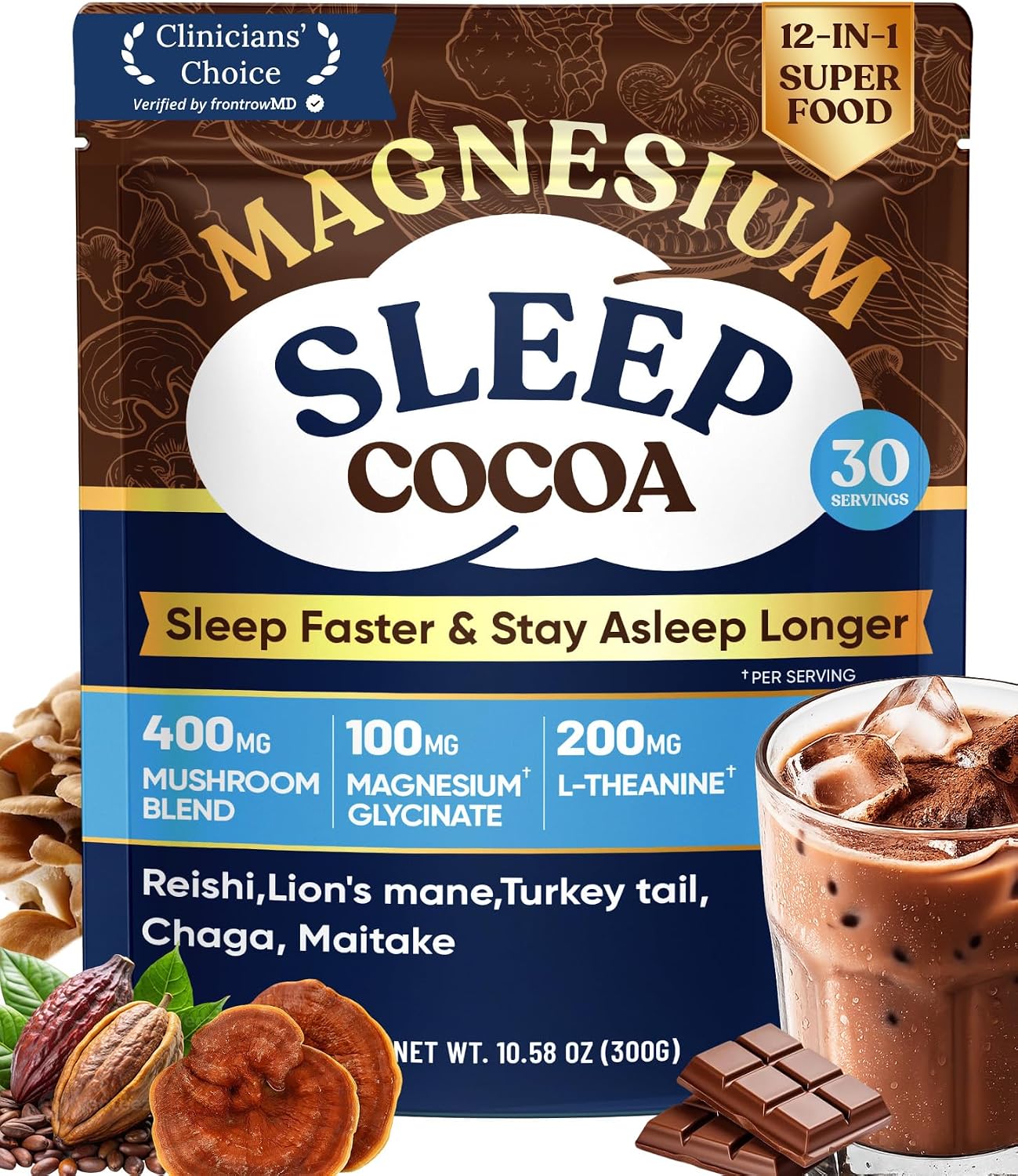
Venture Pal Mushroom Hot Cocoa – Natural Sleep Aid with 12 Superfoods, Melatonin 3mg, Magnesium Glycinate, L-Theanine, Glycine, Lion's Mane, Reishi & Turkey Tail, Bedtime Cocoa Mix, 30 Servings
$23.99 $29.99
24% OFF
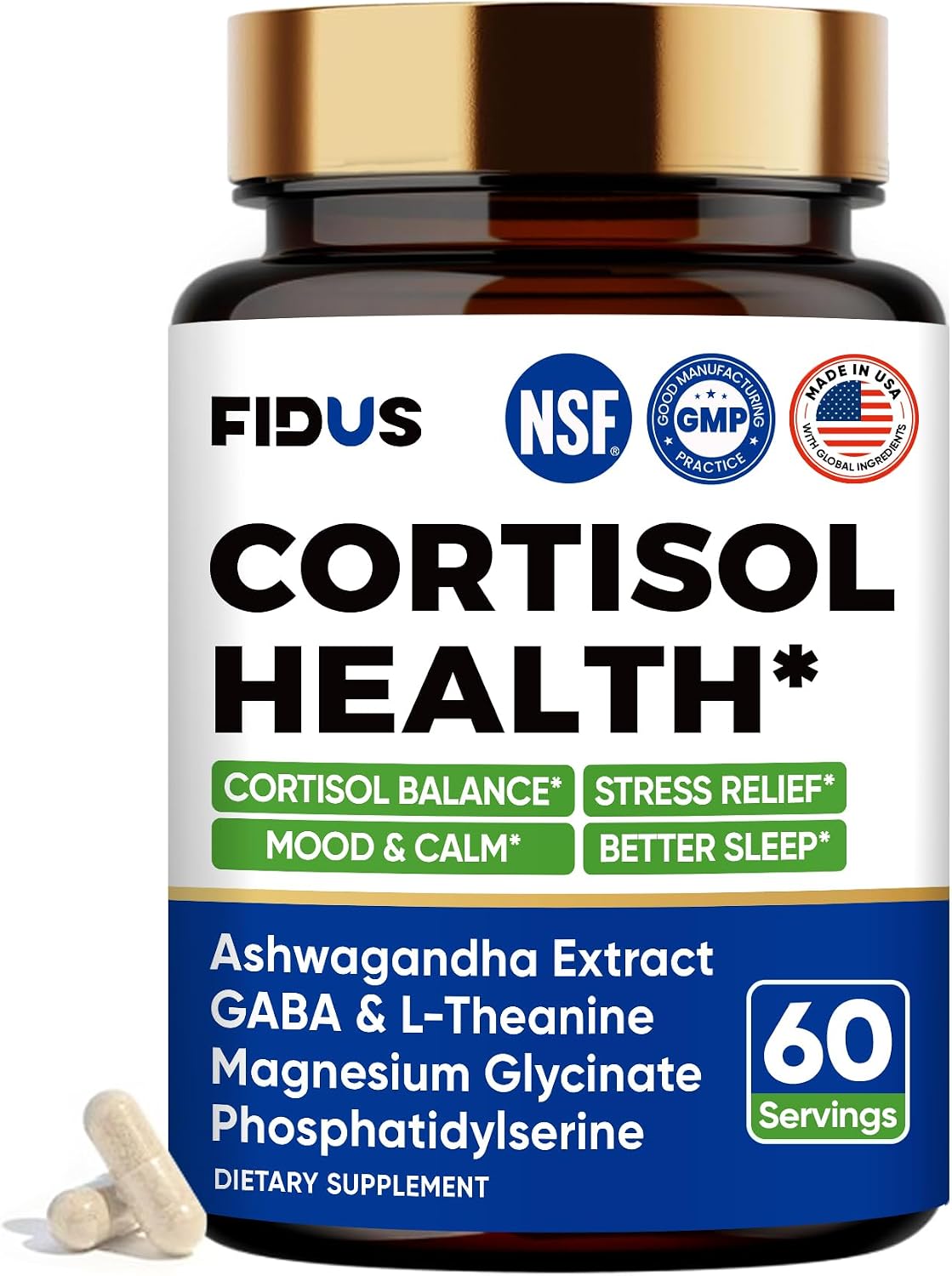
Cortisol Supplement for Women & Men with Ashwagandha & GABA – Magnesium, L-Theanine & Rhodiola, Stress Support for Sleep, Mood & Focus, 60-Day Supply, Made in USA
$15.29 $19.99
50% OFF
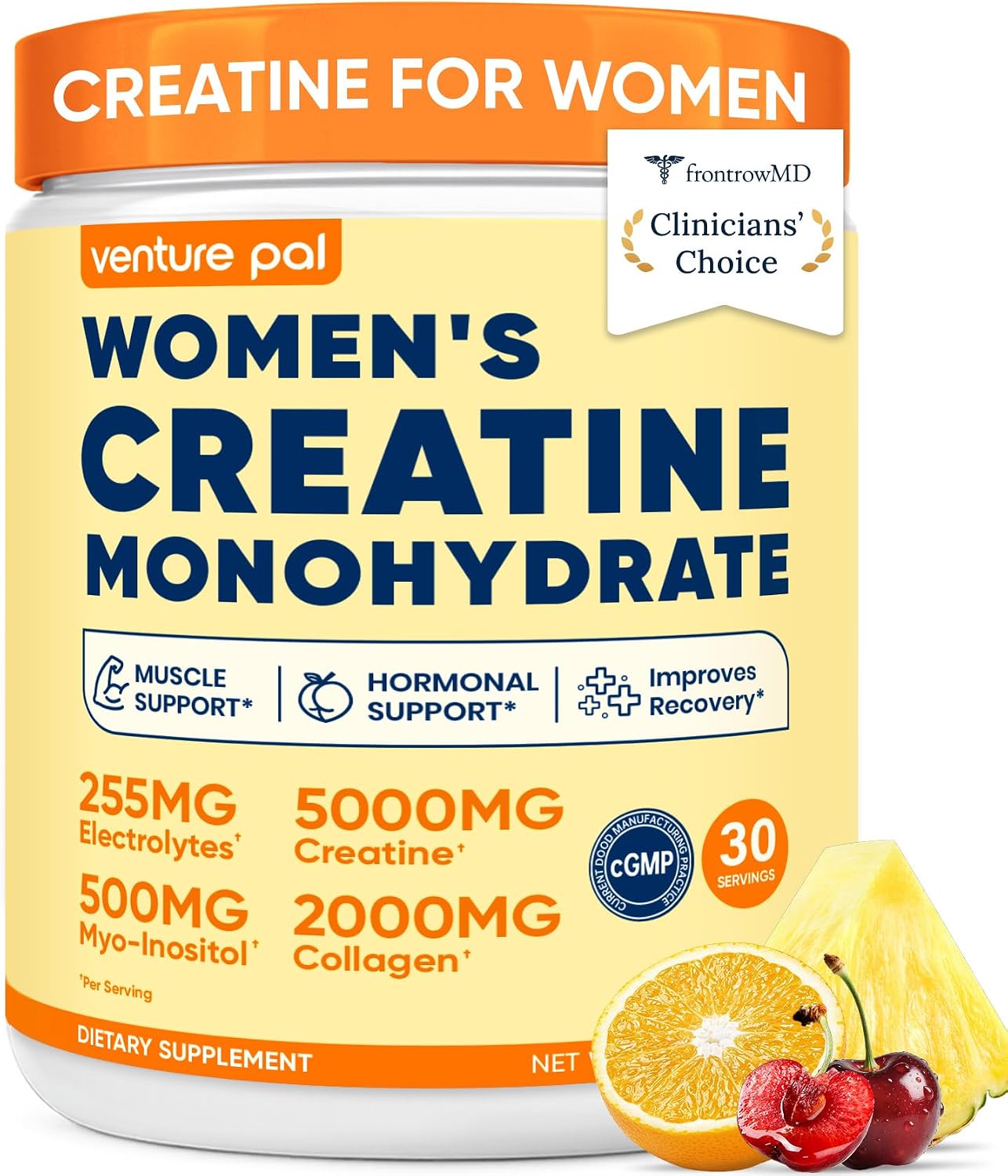
Venture Pal 18-in-1 Creatine for Women – Creatine Monohydrate with Collagen, Myo & D-Chiro Inositol, Electrolytes & Vitamins for Strength, Recovery & Skin Support, Sugar Free, 10.58 oz
$14.99 $29.99
32% OFF
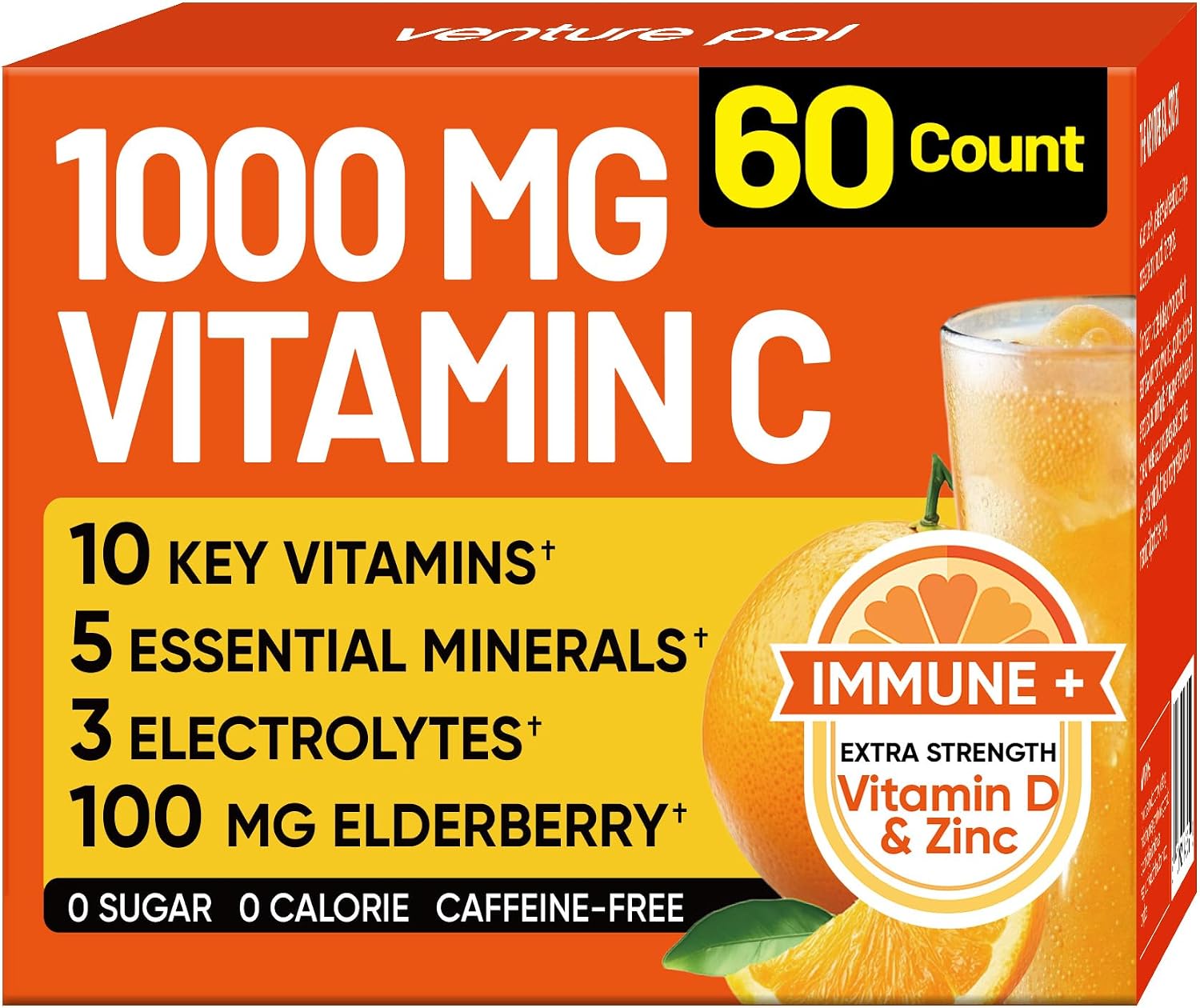
Venture Pal 1000mg Vitamin C Powder with Zinc & Elderberry – Sugar Free B Complex, 10 Vitamins, Minerals & Electrolytes, Daily Immune & Energy Support Packets, 60 Count
$13.59 $19.99
20% OFF
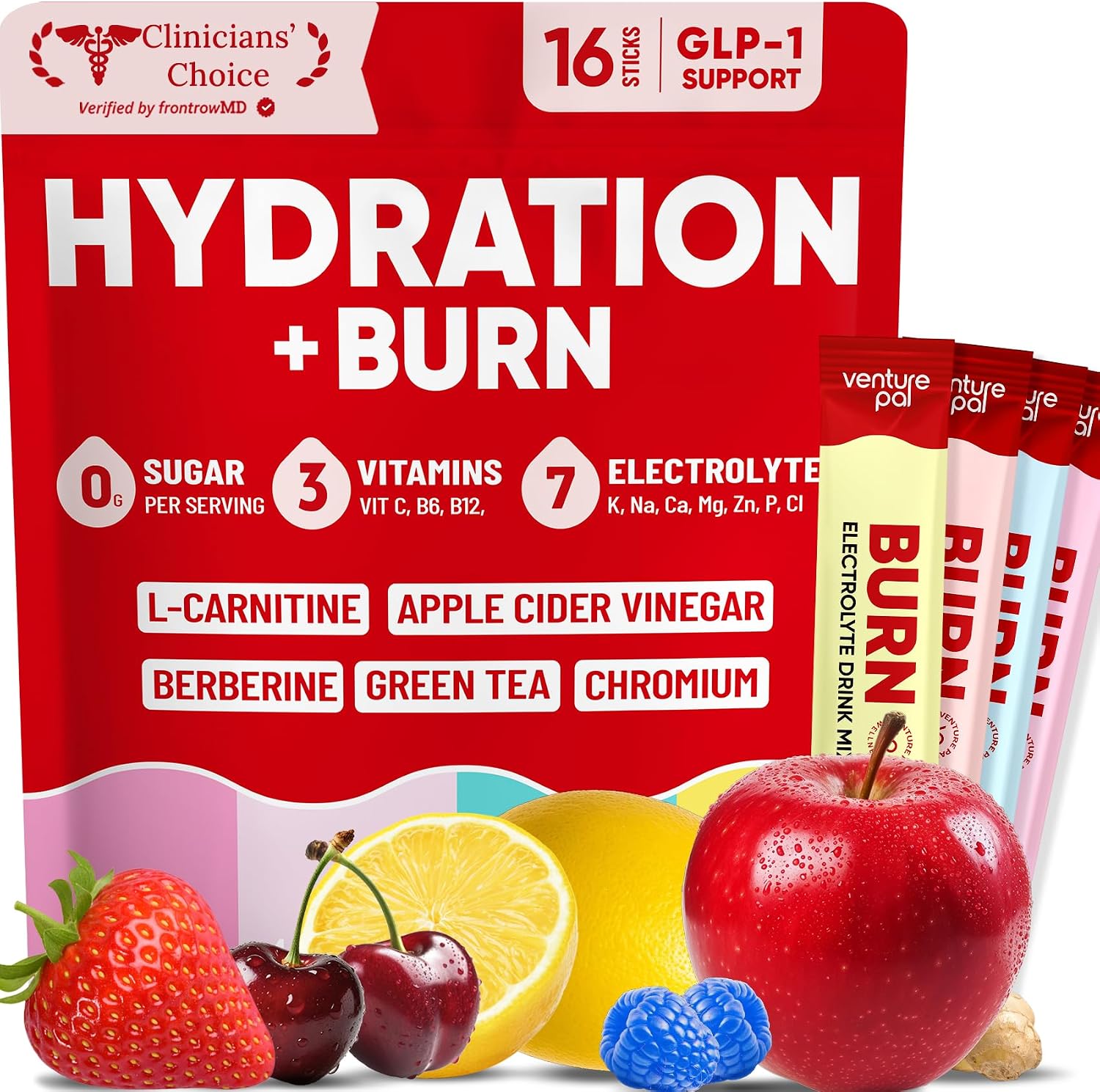
Venture Pal Burn Electrolyte Packets – Sugar Free Hydration with 7 Electrolytes, L-Carnitine, Berberine, ACV & Chromium, Metabolic & Satiety Support, Keto & Vegan, 16 Sticks
$15.99 $19.99
17% OFF
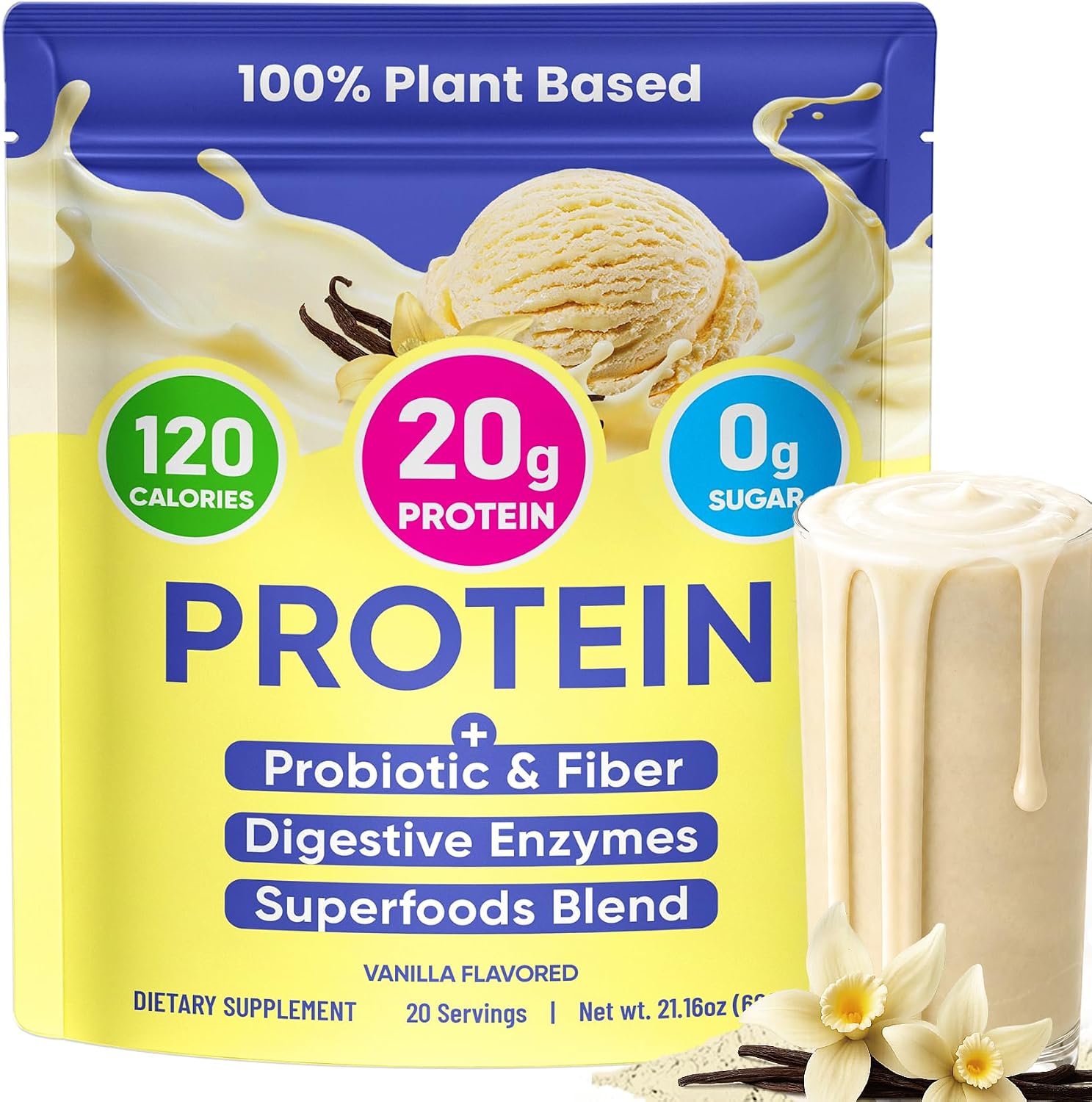
Venture Pal Vegan Protein Powder – 20g Plant Protein with 9B CFU Probiotics, Fiber, Digestive Enzymes & Superfoods, Vanilla, Low Sodium, Keto-Friendly, Gluten & Dairy Free, Non-GMO, 20 Servings
$21.59 $25.99
28% OFF
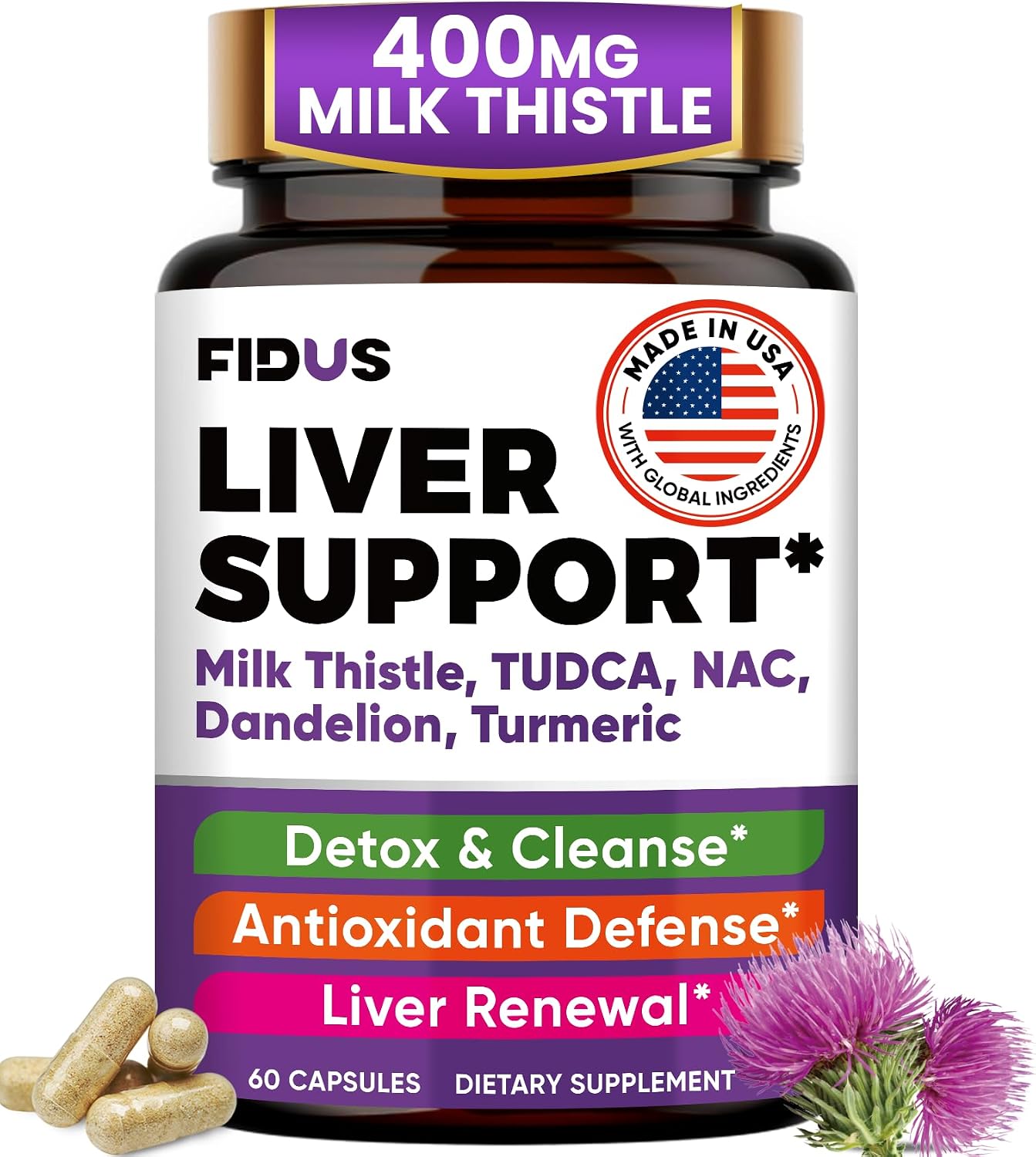
Fidus Liver Cleanse & Repair Supplement – 400mg Milk Thistle (80% Silymarin) with TUDCA, NAC, Turmeric, Artichoke & Dandelion – Liver Support & Digestive Health, 60 Capsules, Made in USA
$14.39 $19.99
50% OFF
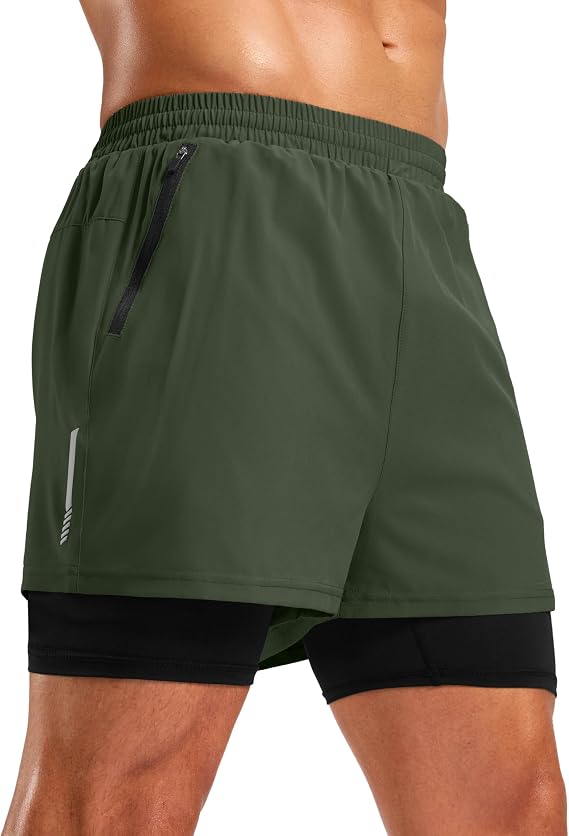
Pudolla Men's 7" Running Shorts with Zipper Pockets – Quick Dry 2-in-1 Workout Gym Shorts with Compression Liner for Tennis, Yoga & Training
$11.99 $23.99
27% OFF
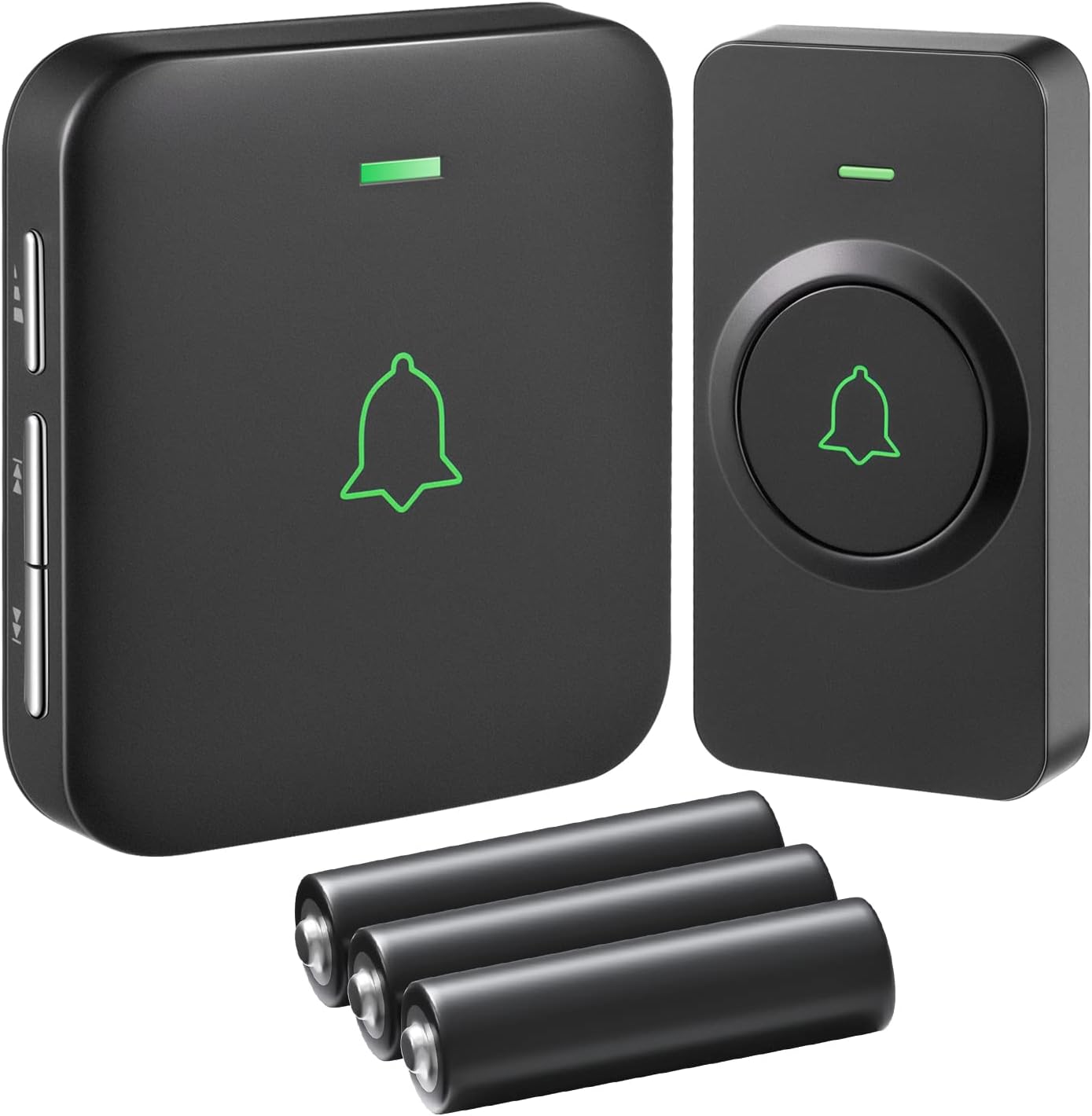
AVANTEK BA-11 Wireless Doorbell Kit (Battery-Powered Receiver, 1000 ft Range)
$13.83 $18.99




-

Canadian family claim Christian grandmother was euthanised against her wishes
-

Why the Church needs to talk about what we wear
-

Family of Christian woman killed in Greece remember her 'kindness' and 'integrity'
-

Over 1,500 queue up for prayer and worship in London despite heatwave
-

Requiem Mass held for Ann Widdecombe at Buckfast Abbey
-

Bethel pausing sale of The Passion Translation amid backlash
Most Popular
related articles
Church of England 'Profoundly Uneasy' About Stem Cell Research
Church of England 'Profoundly Uneasy' About Stem Cell Research
World-Leading Stem Cell Science Centre Built in Edinburgh
World-Leading Stem Cell Science Centre Built in Edinburgh
Mixed Response to Single European Market in Advanced Therapy Medical Products
Mixed Response to Single European Market in Advanced Therapy Medical Products
Leading Pentecostal Calls for Christians to Register as Bone Marrow Donors
Leading Pentecostal Calls for Christians to Register as Bone Marrow Donors
British Team Grows Human Heart Part from Stem Cells
British Team Grows Human Heart Part from Stem Cells
News

The midsummer election that’s no laughing matter
Clacton deserves better than simply becoming a midsummer distraction.

Project Spire 'risks politicising and disunifying the church'
Is the debate over slavery reparations putting off potential members of the Church of England?
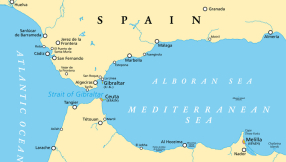
Evangelicals seek to serve following Ceuta crisis
“Just imagine: in five or six hours, more than 70,000 people have entered your city, which has a population of 85,000. You’re left in shock," said a local pastor.

AI has an 'impersonation problem', American Bible Society warns
The “impersonation problem is already here, not coming,” says Bryce Allison, chief technology officer at the American Bible Society.
Vilanva Women's Walking Shoes – Cushioned Lightweight Running Sneakers with Slip-Resistant Sole, Breathable Woven Upper for Everyday Wear & Workouts
$35.09
Rocoren 12-Pack Magnetic Cable Clips – 360° Rotating Cord Organizer with No-Residue Adhesive, Cord Holder for Desk, Nightstand, Wall, Car & Office, White
$6.5
Red Light Therapy Mask for Face – 7-Color LED Silicone Facial Mask, Cordless Rechargeable Skincare Device with 240 LEDs for Home & Travel
$39.99
Men's Slim Fit Polo Shirt – Quick Dry Moisture Wicking, High Elasticity, Athletic Fit Polo for Golf, Tennis, Work & Casual Wear (Runs Small, Size Up)
$6.99
AVANTEK Wireless Doorbell CB-11 – 1000 ft Range, 1 Button + 1 Plug-In Receiver, 115 dB Volume, LED Flash, 52 Chimes, Waterproof, 3-Year Battery
$12.91
Women's Workout Shirts – Bum-Covering Length Short Sleeve Dry Fit Tops, Lightweight & Breathable for Athletic, Hiking, Running & Summer Wear
$6.99
Coostar Men's Casual Dress Sneakers – Lightweight Wingtip Oxford Style with Breathable Knit Upper, Rubber Sole & Slip-On Elastic Collar, Business & Walking Shoe
$22.49
Pudolla Men's Quick Dry Hiking and Golf Shorts with 3 Zipper Pockets
$14.84
Venture Pal Ceremonial Grade Matcha Green Tea Powder – First Harvest, Shade Grown, 100% Pure with No Additives, Unsweetened, Vegan & Gluten-Free, 30g Tin
$7.5
Venture Pal Sugar Free 7g BCAA + EAA Powder – 9 Essential Amino Acids with L-Glutamine, Caffeine, Electrolytes & Vitamins for Muscle Recovery, Growth & Hydration
$14.99
Venture Pal Sugar Free Protein Coffee – Cold Brew Mocha Instant Iced Coffee with MCT Oil, Probiotics, Fiber & 13 Vitamins, 70mg Caffeine, Keto & Gluten-Free, 20 Servings
$13.29
Venture Pal Mushroom Hot Cocoa – Natural Sleep Aid with 12 Superfoods, Melatonin 3mg, Magnesium Glycinate, L-Theanine, Glycine, Lion's Mane, Reishi & Turkey Tail, Bedtime Cocoa Mix, 30 Servings
$23.99
Cortisol Supplement for Women & Men with Ashwagandha & GABA – Magnesium, L-Theanine & Rhodiola, Stress Support for Sleep, Mood & Focus, 60-Day Supply, Made in USA
$15.29
Venture Pal 18-in-1 Creatine for Women – Creatine Monohydrate with Collagen, Myo & D-Chiro Inositol, Electrolytes & Vitamins for Strength, Recovery & Skin Support, Sugar Free, 10.58 oz
$14.99
Venture Pal 1000mg Vitamin C Powder with Zinc & Elderberry – Sugar Free B Complex, 10 Vitamins, Minerals & Electrolytes, Daily Immune & Energy Support Packets, 60 Count
$13.59
Venture Pal Burn Electrolyte Packets – Sugar Free Hydration with 7 Electrolytes, L-Carnitine, Berberine, ACV & Chromium, Metabolic & Satiety Support, Keto & Vegan, 16 Sticks
$15.99
Venture Pal Vegan Protein Powder – 20g Plant Protein with 9B CFU Probiotics, Fiber, Digestive Enzymes & Superfoods, Vanilla, Low Sodium, Keto-Friendly, Gluten & Dairy Free, Non-GMO, 20 Servings
$21.59
Fidus Liver Cleanse & Repair Supplement – 400mg Milk Thistle (80% Silymarin) with TUDCA, NAC, Turmeric, Artichoke & Dandelion – Liver Support & Digestive Health, 60 Capsules, Made in USA
$14.39
Pudolla Men's 7" Running Shorts with Zipper Pockets – Quick Dry 2-in-1 Workout Gym Shorts with Compression Liner for Tennis, Yoga & Training
$11.99
AVANTEK BA-11 Wireless Doorbell Kit (Battery-Powered Receiver, 1000 ft Range)
$13.83