
Following a major four-day conference last week, Christian and Muslim leaders from around the world have announced the first fruits of the "Common Word" exchange through a joint statement affirming their support for religious freedom and further inter-faith dialogue based on their common love for God and neighbour.
During the "Loving God and Neighbour" meeting at Yale University, the high-profile leaders discussed how Christians and Muslims might work together to address world poverty, the wars in Iraq and Afghanistan, the situation in Palestine and Israel, the dangers of further wars, and the freedom of religion.
On Thursday, over 140 conference participants unanimously approved a joint statement that signalled a new beginning of collaboration between Christians and Muslims where stronger assertions of faith would be not just be allowed but required.
Leith Anderson, president of National Association of Evangelicals and Dr Geoff Tunnicliffe, international director of the World Evangelical Alliance, were among top evangelical leaders at the July 28-31 conference who agreed to sign the document.
The statement began by affirming the "unity and absoluteness of God" and God's merciful love as central to both religions.
The most weight was placed on the second paragraph in which religious leaders affirmed a mutual respect for each other's faith.
"We recognise that all human beings have the right to the preservation of life, religion, property, intellect, and dignity. No Muslim or Christian should deny the other these rights, nor should they tolerate the denigration or desecration of one another's sacred symbols, founding figures, or places of worship," the statement declares.
The statement also denounced a death threat by Al Qaeda last week against Saudi Arabia's King Abdullah for hosting an inter-faith conference this month in Madrid.
The leaders agreed to "denounce and deplore threats made against those who engage in inter-faith dialogue".
"Dialogue is not a departure from faith," the statement affirmed. "[I]t is a legitimate means of expression and an essential tool in the quest for the common good."
Conference delegates also made plans for one week in the year that would see Muslim and Christian clergy preach to their own congregations on a positive aspect other's faith. Other practical steps to promote understanding between the two faiths include a website with respected Christian and Muslim books and a study guide with frequently asked questions about the two faiths.
The recent four-day gathering stemmed from a letter, titled "A Common Word Between Us and You", issued by 138 Muslim clerics last October calling for sincere dialogue between Muslims and Christians. In November, Christians responded with a statement that agreed to work with Muslims on pressing issues based on their common principles of love for God and neighbour. Over 500 Christian leaders endorsed the statement issued by the Yale Center for Faith and Culture.
Some evangelical theologians and Christian leaders had criticised the Christian letter, saying it did not assert the correct Christian view of God as the Trinity.
In the conference panel discussions, however, no one backed away from the core assertions of their faith as they engaged in highly academic and often theological conversations on topics that ranged from God's love to world poverty.
In an opinion piece, Dr HA Hellyer, a consultant in West-Muslim relations, welcomed the "strong evangelical component" at the meeting.
"These were religious people; they weren't interested in diluting their faiths," he wrote in a commentary published Saturday by The National, a newspaper based in the United Arab Emirates. "And in that, a type of sincerity emerged that was perhaps the greatest benefit of the initiative."
Professor Miroslav Volf, a principle organiser of the conference who also heads the Center for Faith and Culture, told reporters that the greatest learning between the two communities took place over tea and coffee and in meal-time conversations.
WEA leader Dr Tunnicliffe, who represents some 420 million evangelicals worldwide, invited Muslim leaders to take their bridge-building initiative one step further by learning more about evangelicals.
"Muslims feel they have been stereotyped and stigmatised in the media. As evangelical Christians we feel the same stereotyping," he said during closing remarks last Thursday.
"We are a diverse community of Christians yet we are often portrayed through the media as being tied to one political agenda, one view of eschatology, and intolerant of all others," said Dr Tunnicliffe.
He said evangelicals share a "commitment to some core biblical truths" but hold a "diversity of views on many issues".
"Just as we promise to seek to move beyond the stereotyping of Muslims found in the media, can I ask you, my Muslim friends, to get to know us beyond what is reported in the newspapers and television programmes? If we are going to continue to build this new bridge this must be a part of the architecture."
The "Common Word" conference was the first of a series of conferences to take place in the fall and next year that will center on promoting peace and understanding between the Abrahamic faiths. Future conferences are scheduled in October at Cambridge University, November at the Vatican, March 2009 at Georgetown University, and October 2009 at Royal Aal al-Bayt Institute in Jordan.
30% OFF
Lumbar Support Pillow for Car with Headrest – Memory Foam Full-Length S-Curve Back & Neck Cushion for Long Drives, Fits Cars, SUVs & Trucks
$32.89 $46.99
46% OFF
Soothfeel Men's Running Shorts with Zipper Pockets – Quick Dry Athletic Shorts in 9", 7" & 5" Inseams for Basketball, Gym & Workout
$12.91 $23.99
40% OFF
Men's Slip On Walking Shoes – Hands-Free Casual Sneakers with Arch Support, Wide Stable Base, Breathable Knit Upper, Non-Slip Traction
$29.99 $49.99
52% OFF
Pudolla Men's UPF 50+ Sun Shirt – Long Sleeve Quick Dry Hiking & Running Shirt with Thumb Holes, Lightweight Moisture-Wicking Rash Guard Base Layer
$11.99 $24.99
35% OFF
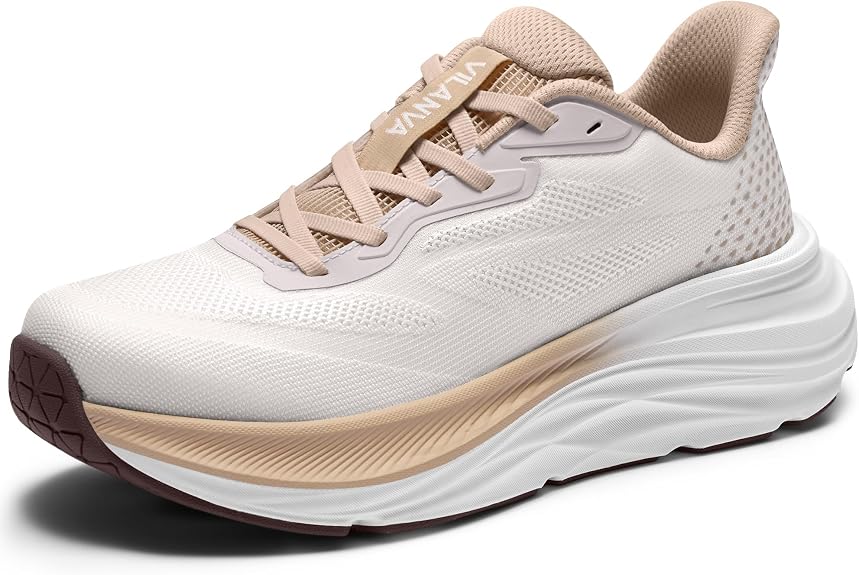
Vilanva Women's Walking Shoes – Cushioned Lightweight Running Sneakers with Slip-Resistant Sole, Breathable Woven Upper for Everyday Wear & Workouts
$35.09 $53.99
67% OFF
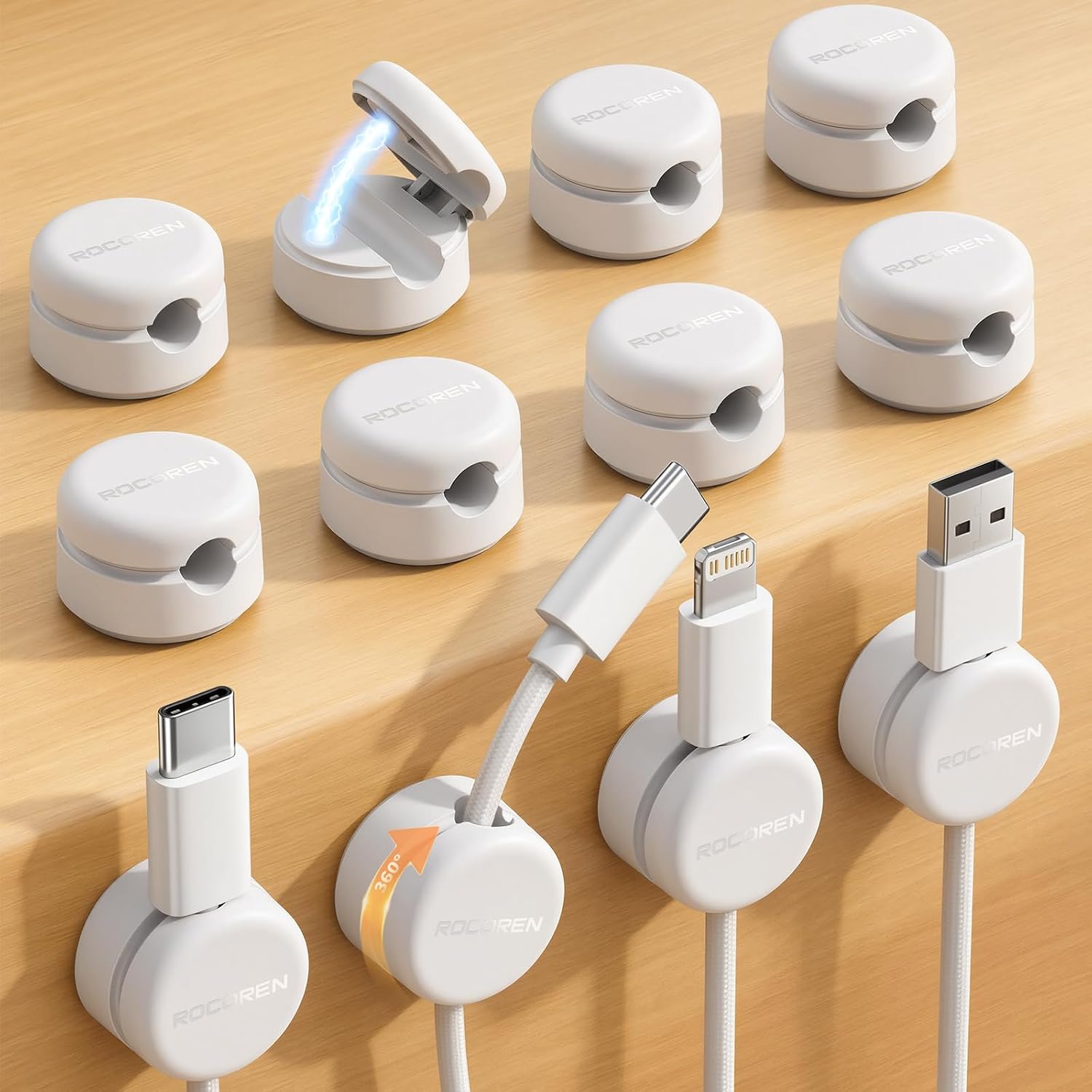
Rocoren 12-Pack Magnetic Cable Clips – 360° Rotating Cord Organizer with No-Residue Adhesive, Cord Holder for Desk, Nightstand, Wall, Car & Office, White
$6.5 $19.99
60% OFF
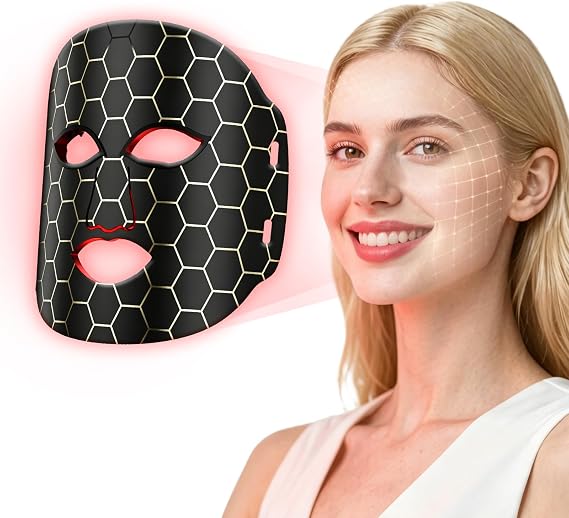
Red Light Therapy Mask for Face – 7-Color LED Silicone Facial Mask, Cordless Rechargeable Skincare Device with 240 LEDs for Home & Travel
$39.99 $99.99
77% OFF
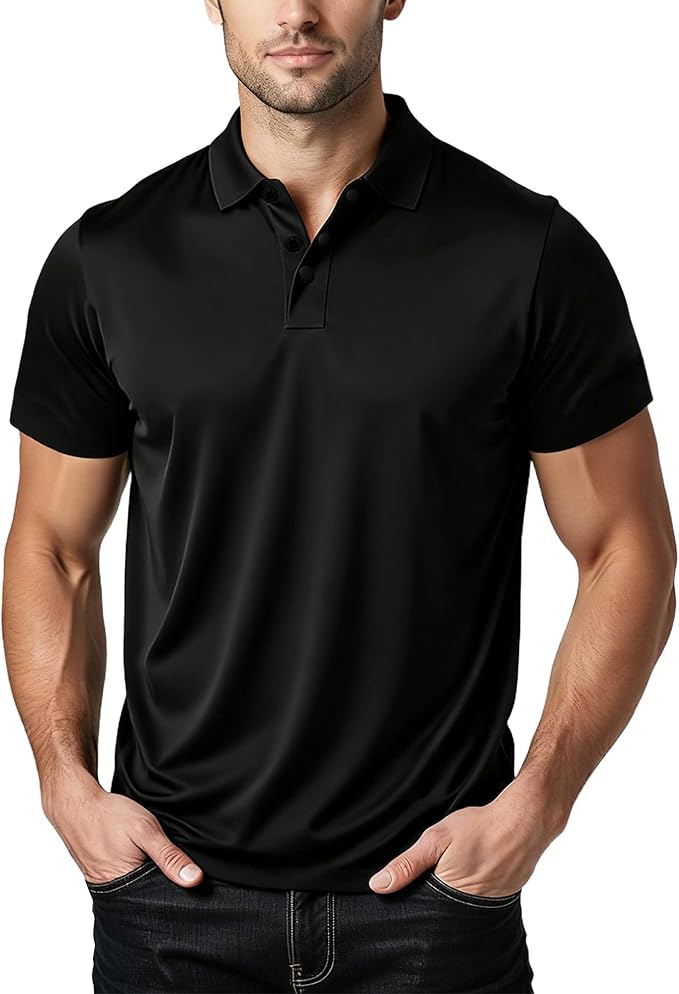
Men's Slim Fit Polo Shirt – Quick Dry Moisture Wicking, High Elasticity, Athletic Fit Polo for Golf, Tennis, Work & Casual Wear (Runs Small, Size Up)
$6.99 $29.99
28% OFF
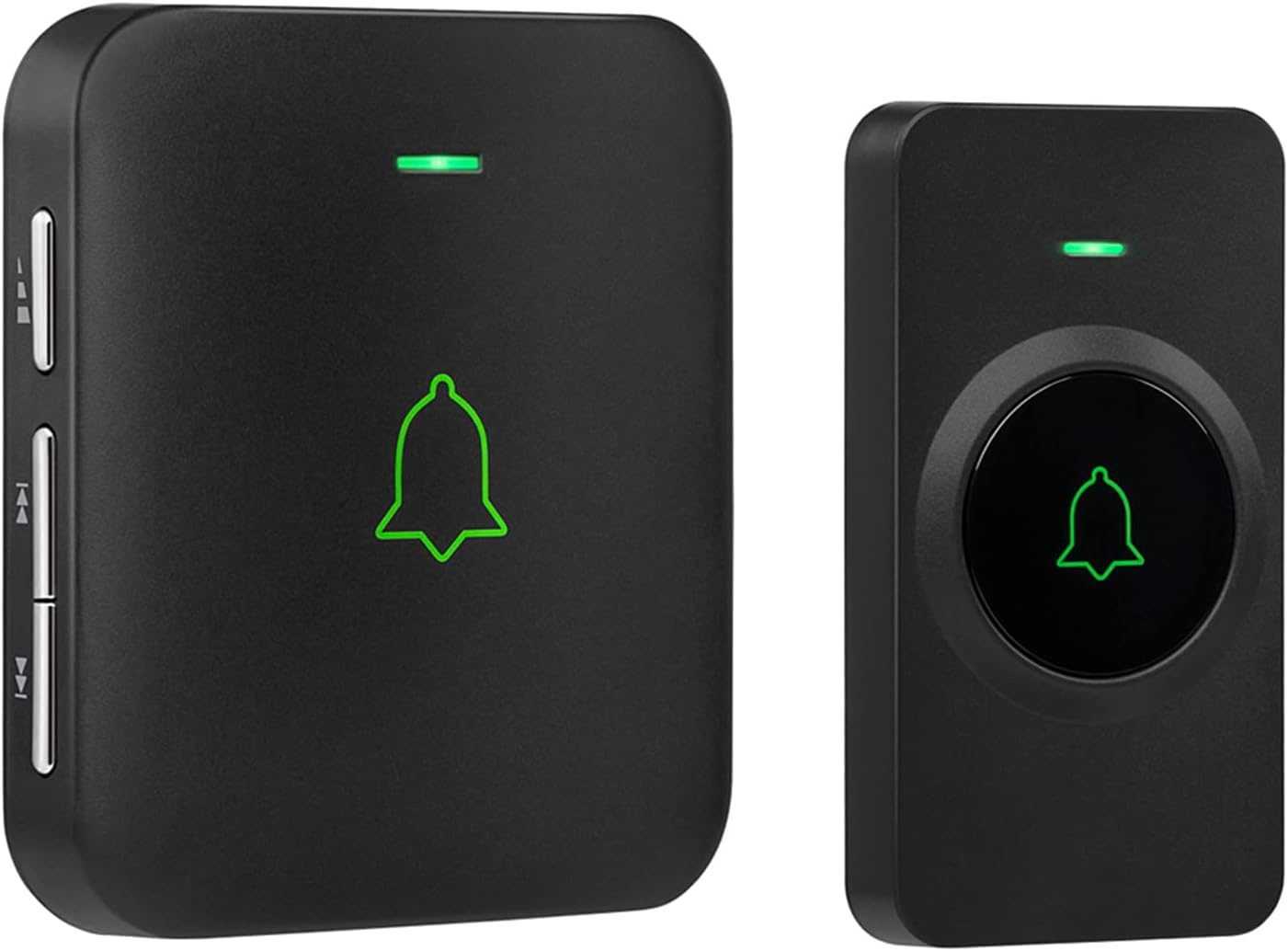
AVANTEK Wireless Doorbell CB-11 – 1000 ft Range, 1 Button + 1 Plug-In Receiver, 115 dB Volume, LED Flash, 52 Chimes, Waterproof, 3-Year Battery
$12.91 $17.99
50% OFF
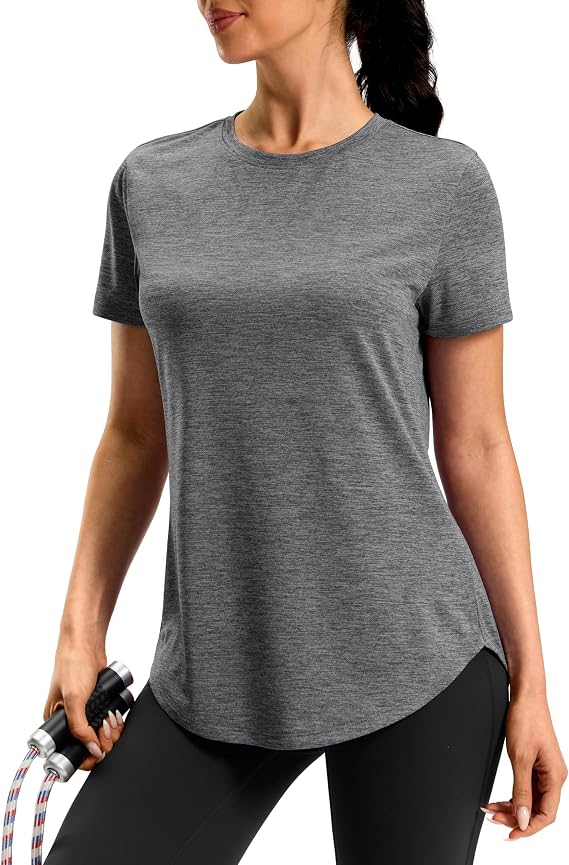
Women's Workout Shirts – Bum-Covering Length Short Sleeve Dry Fit Tops, Lightweight & Breathable for Athletic, Hiking, Running & Summer Wear
$6.99 $13.99
50% OFF
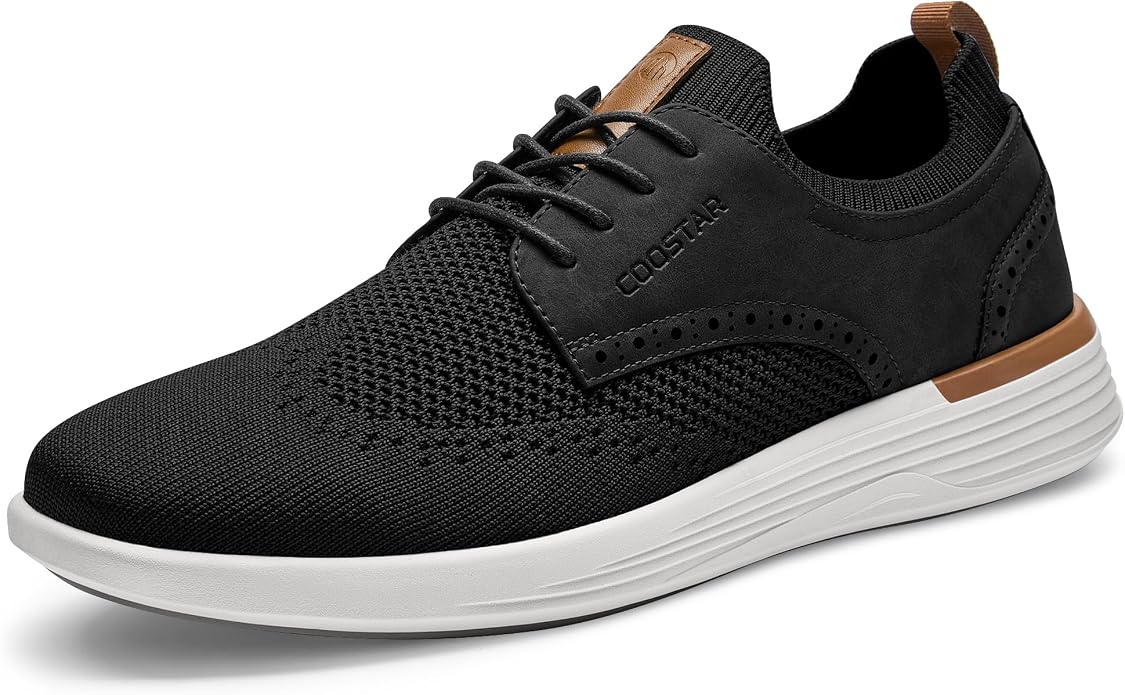
Coostar Men's Casual Dress Sneakers – Lightweight Wingtip Oxford Style with Breathable Knit Upper, Rubber Sole & Slip-On Elastic Collar, Business & Walking Shoe
$22.49 $44.99
45% OFF
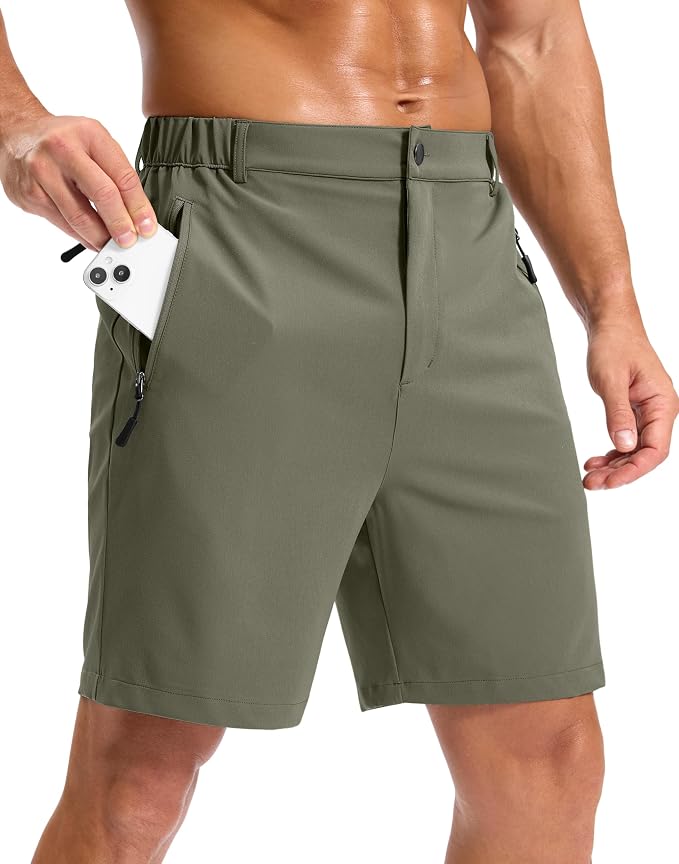
Pudolla Men's Quick Dry Hiking and Golf Shorts with 3 Zipper Pockets
$14.84 $26.99
50% OFF
Venture Pal Ceremonial Grade Matcha Green Tea Powder – First Harvest, Shade Grown, 100% Pure with No Additives, Unsweetened, Vegan & Gluten-Free, 30g Tin
$7.5 $14.99
40% OFF
Venture Pal Sugar Free 7g BCAA + EAA Powder – 9 Essential Amino Acids with L-Glutamine, Caffeine, Electrolytes & Vitamins for Muscle Recovery, Growth & Hydration
$14.99 $24.99
30% OFF
Venture Pal Sugar Free Protein Coffee – Cold Brew Mocha Instant Iced Coffee with MCT Oil, Probiotics, Fiber & 13 Vitamins, 70mg Caffeine, Keto & Gluten-Free, 20 Servings
$13.29 $18.99
20% OFF
Venture Pal Mushroom Hot Cocoa – Natural Sleep Aid with 12 Superfoods, Melatonin 3mg, Magnesium Glycinate, L-Theanine, Glycine, Lion's Mane, Reishi & Turkey Tail, Bedtime Cocoa Mix, 30 Servings
$23.99 $29.99
24% OFF
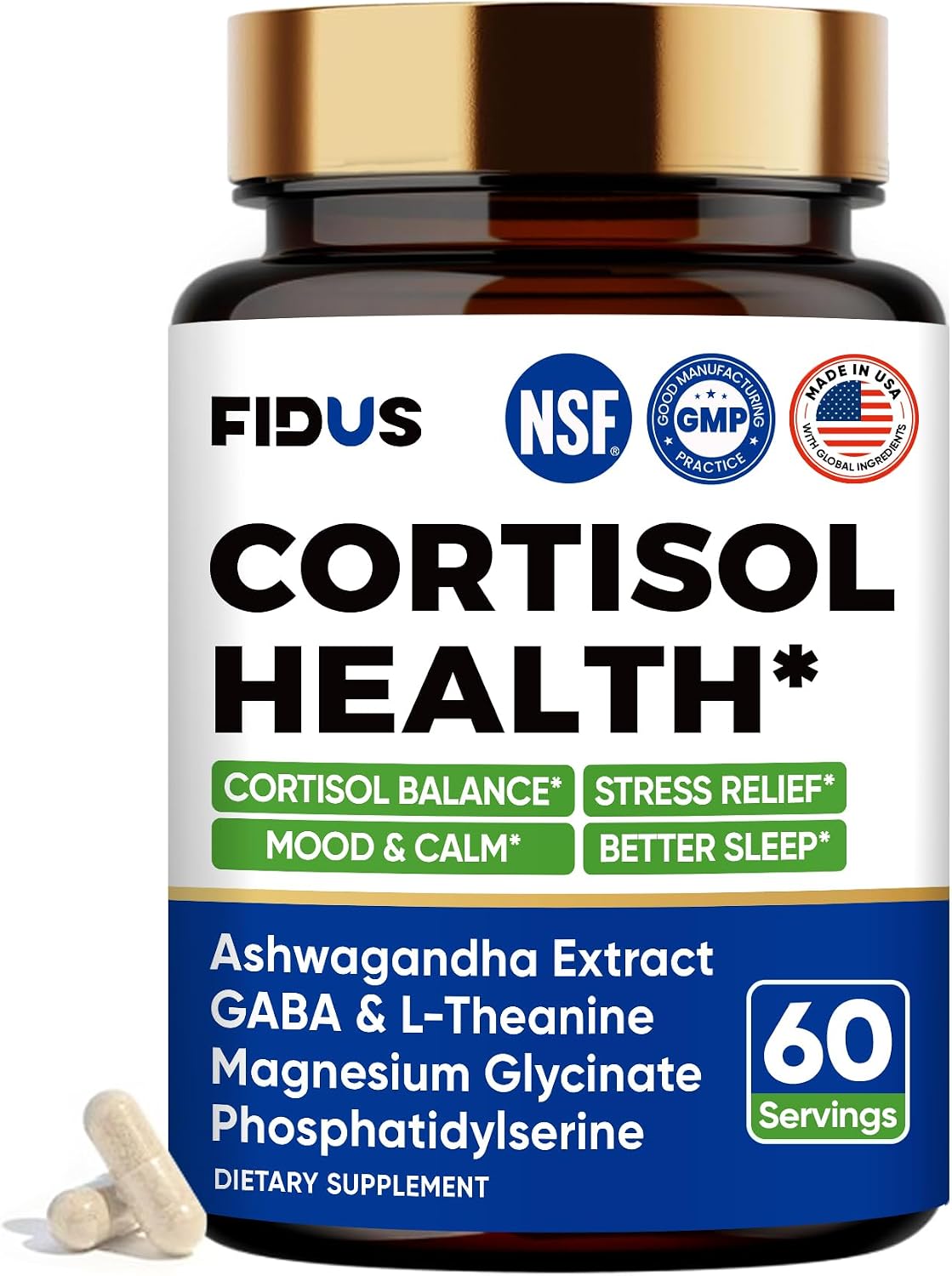
Cortisol Supplement for Women & Men with Ashwagandha & GABA – Magnesium, L-Theanine & Rhodiola, Stress Support for Sleep, Mood & Focus, 60-Day Supply, Made in USA
$15.29 $19.99
50% OFF
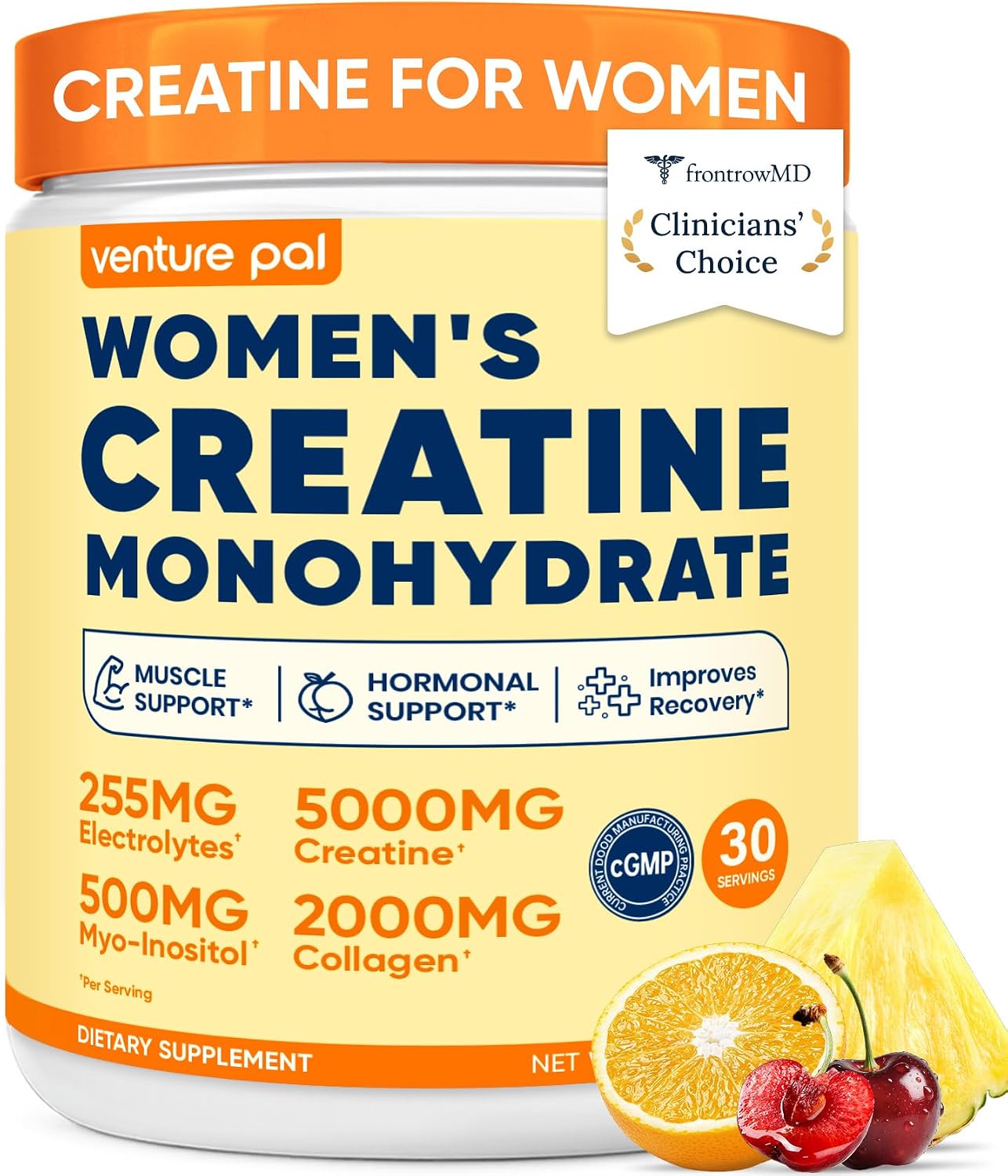
Venture Pal 18-in-1 Creatine for Women – Creatine Monohydrate with Collagen, Myo & D-Chiro Inositol, Electrolytes & Vitamins for Strength, Recovery & Skin Support, Sugar Free, 10.58 oz
$14.99 $29.99
32% OFF
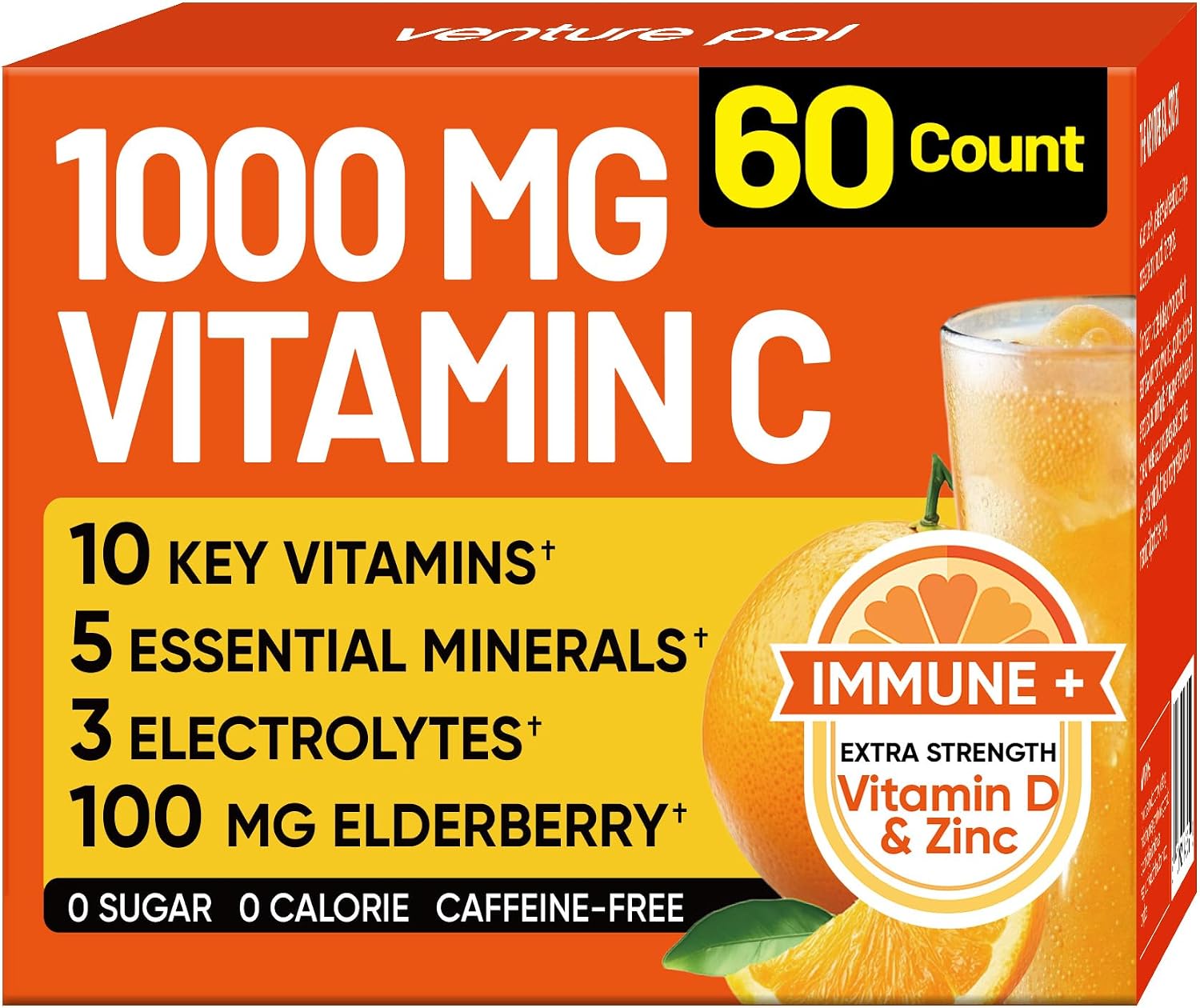
Venture Pal 1000mg Vitamin C Powder with Zinc & Elderberry – Sugar Free B Complex, 10 Vitamins, Minerals & Electrolytes, Daily Immune & Energy Support Packets, 60 Count
$13.59 $19.99
20% OFF
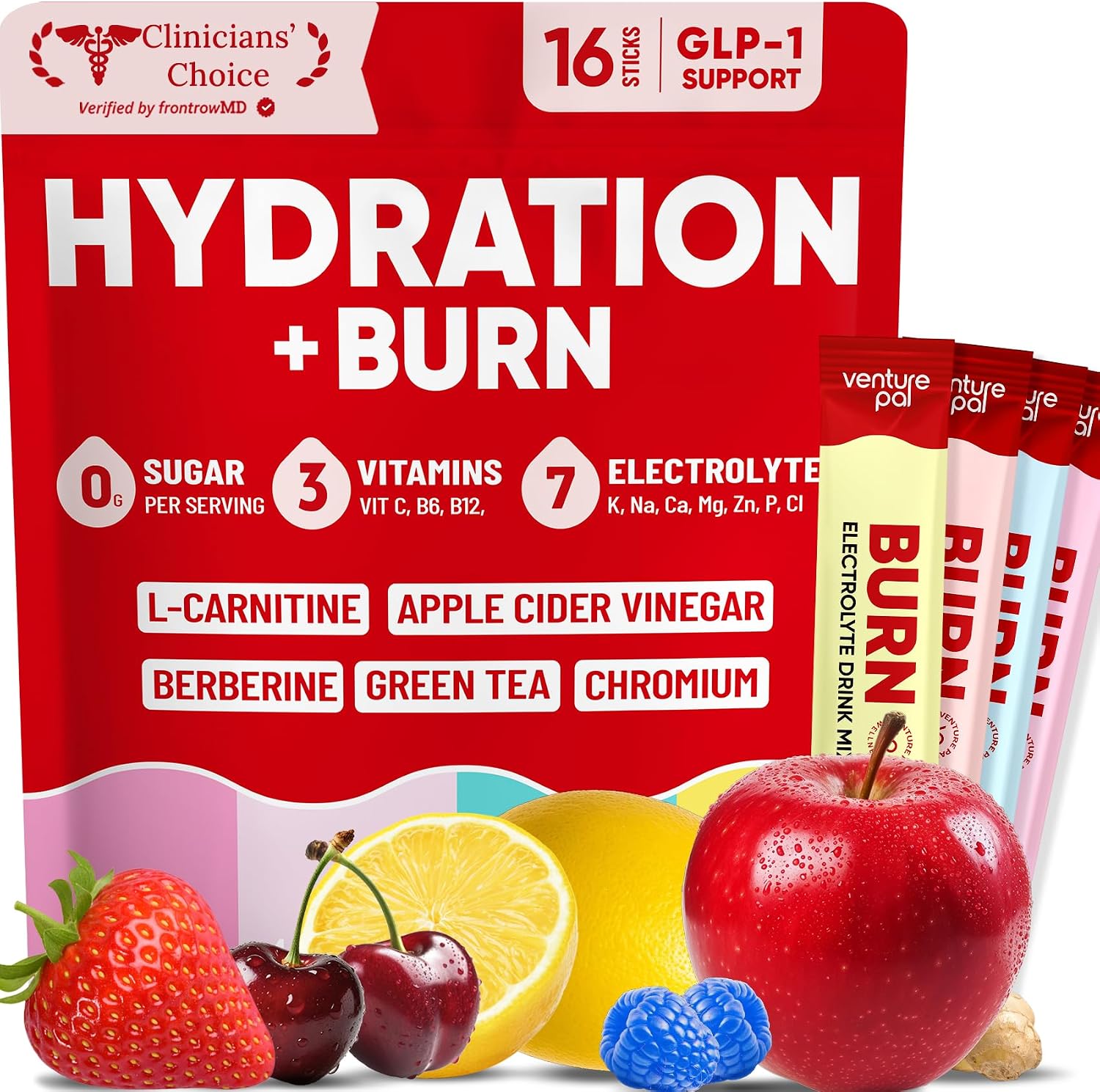
Venture Pal Burn Electrolyte Packets – Sugar Free Hydration with 7 Electrolytes, L-Carnitine, Berberine, ACV & Chromium, Metabolic & Satiety Support, Keto & Vegan, 16 Sticks
$15.99 $19.99




-

Welsh Christians launch the Gospels in Pembrokeshire dialect
-

Why the Church should make the case for church weddings
-

Why are so few Britons willing to fight for their country?
-

Silent disco a 'desecration' of Canterbury Cathedral
-

Are churches missing out in the bitcoin boom?
-

Twenty African countries back charter affirming traditional marriage and opposition to abortion
Most Popular
News

Biblical animation ‘David’ heads to UK and Ireland after $88m global success
Animated biblical film ‘David’ is heading to cinemas across the UK and Ireland on August 21, following a successful international run that has brought in almost $88 million at the global box office.

Over 80% of US pastors have considered leaving ministry – survey
Over 80% of pastors in the United States have contemplated stepping away from pastoral ministry at some point during the last five years, with problems surrounding church culture emerging as a leading factor, according to a new survey.
Brechin Cathedral handed over to community trust
Not everyone is convinced this is a win.

Silent disco a 'desecration' of Canterbury Cathedral
Christian commentators have reacted with dismay at a silent disco of ‘80s music held in Canterbury Cathedral on 15 August.
Lumbar Support Pillow for Car with Headrest – Memory Foam Full-Length S-Curve Back & Neck Cushion for Long Drives, Fits Cars, SUVs & Trucks
$32.89
Soothfeel Men's Running Shorts with Zipper Pockets – Quick Dry Athletic Shorts in 9", 7" & 5" Inseams for Basketball, Gym & Workout
$12.91
Men's Slip On Walking Shoes – Hands-Free Casual Sneakers with Arch Support, Wide Stable Base, Breathable Knit Upper, Non-Slip Traction
$29.99
Pudolla Men's UPF 50+ Sun Shirt – Long Sleeve Quick Dry Hiking & Running Shirt with Thumb Holes, Lightweight Moisture-Wicking Rash Guard Base Layer
$11.99
Vilanva Women's Walking Shoes – Cushioned Lightweight Running Sneakers with Slip-Resistant Sole, Breathable Woven Upper for Everyday Wear & Workouts
$35.09
Rocoren 12-Pack Magnetic Cable Clips – 360° Rotating Cord Organizer with No-Residue Adhesive, Cord Holder for Desk, Nightstand, Wall, Car & Office, White
$6.5
Red Light Therapy Mask for Face – 7-Color LED Silicone Facial Mask, Cordless Rechargeable Skincare Device with 240 LEDs for Home & Travel
$39.99
Men's Slim Fit Polo Shirt – Quick Dry Moisture Wicking, High Elasticity, Athletic Fit Polo for Golf, Tennis, Work & Casual Wear (Runs Small, Size Up)
$6.99
AVANTEK Wireless Doorbell CB-11 – 1000 ft Range, 1 Button + 1 Plug-In Receiver, 115 dB Volume, LED Flash, 52 Chimes, Waterproof, 3-Year Battery
$12.91
Women's Workout Shirts – Bum-Covering Length Short Sleeve Dry Fit Tops, Lightweight & Breathable for Athletic, Hiking, Running & Summer Wear
$6.99
Coostar Men's Casual Dress Sneakers – Lightweight Wingtip Oxford Style with Breathable Knit Upper, Rubber Sole & Slip-On Elastic Collar, Business & Walking Shoe
$22.49
Pudolla Men's Quick Dry Hiking and Golf Shorts with 3 Zipper Pockets
$14.84
Venture Pal Ceremonial Grade Matcha Green Tea Powder – First Harvest, Shade Grown, 100% Pure with No Additives, Unsweetened, Vegan & Gluten-Free, 30g Tin
$7.5
Venture Pal Sugar Free 7g BCAA + EAA Powder – 9 Essential Amino Acids with L-Glutamine, Caffeine, Electrolytes & Vitamins for Muscle Recovery, Growth & Hydration
$14.99
Venture Pal Sugar Free Protein Coffee – Cold Brew Mocha Instant Iced Coffee with MCT Oil, Probiotics, Fiber & 13 Vitamins, 70mg Caffeine, Keto & Gluten-Free, 20 Servings
$13.29
Venture Pal Mushroom Hot Cocoa – Natural Sleep Aid with 12 Superfoods, Melatonin 3mg, Magnesium Glycinate, L-Theanine, Glycine, Lion's Mane, Reishi & Turkey Tail, Bedtime Cocoa Mix, 30 Servings
$23.99
Cortisol Supplement for Women & Men with Ashwagandha & GABA – Magnesium, L-Theanine & Rhodiola, Stress Support for Sleep, Mood & Focus, 60-Day Supply, Made in USA
$15.29
Venture Pal 18-in-1 Creatine for Women – Creatine Monohydrate with Collagen, Myo & D-Chiro Inositol, Electrolytes & Vitamins for Strength, Recovery & Skin Support, Sugar Free, 10.58 oz
$14.99
Venture Pal 1000mg Vitamin C Powder with Zinc & Elderberry – Sugar Free B Complex, 10 Vitamins, Minerals & Electrolytes, Daily Immune & Energy Support Packets, 60 Count
$13.59
Venture Pal Burn Electrolyte Packets – Sugar Free Hydration with 7 Electrolytes, L-Carnitine, Berberine, ACV & Chromium, Metabolic & Satiety Support, Keto & Vegan, 16 Sticks
$15.99