
|PIC1|Skinny and gap-toothed, her nose smudged with black dust, grandmother Kanotu Mumo sorts charcoal into small pots for sale on the stoop of her slum hut.
Mumo is an "Aids granny" in Kibera, one of Africa's biggest slums. Like grandmothers all over Africa, they have been left to fend for orphans after their own children and husbands died.
Her hut, stacked with sacks of charcoal, measures 10 by 8 feet (3 by 2.5 metres) and is too dark to see more than a few inches (cm) even in the middle of the day.
Somehow she shelters four grandchildren, two great grandchildren and the child of a dead relative, who sleep on mattresses and two beds. There is no toilet or running water.
According to UN figures, at least 12 million children in Africa have lost one or both parents because of Aids. This is 80 percent of all Aids orphans in the developing world.
The number of orphans in Africa has increased by 50 percent since 1990 while falling in other regions. The United Nations says there will be 53 million by 2010, some 30 percent of them bereaved by Aids.
The burden of this disaster is borne by extended families, most often grandmothers, who might have otherwise dreamed of returning to their home villages for retirement at the end of a tough life.
Kanotu Mumo moved to Kibera, home to 800,000 people, when her husband died about 25 years ago in eastern Kenya. "I can't remember. It has been so long. When my husband died the relatives threw me out and sold the land."
Unlike many of the grandmothers, doleful and worn down by their fate, Mumo smiles and jokes. She says she cannot remember her age. As she talks, two teenage granddaughters come and go.
Her story is typical of the everyday tragedies of Kibera. Two daughters and a son died of Aids. Another son was stoned to death by a mob after he was caught stealing. "I am embarrassed to talk about it but it was due to the unemployment."
She lives close to the railway line that runs through the sprawling slum, acting both as a pedestrian thoroughfare and place for traders to lay out shoes and clothes.
She sells her charcoal -- the slum's primary fuel -- for a few shillings profit, after buying from a nearby wholesaler who carries it to her hut.
SCHOOL
Like other grandmothers interviewed by Reuters, Kanotu Mumo comes to the Stara school in Kibera to clean twice a week. Their grandchildren attend the school and are fed from huge vats of steaming maize porridge and beans.
The project, supplied and funded by Dutch charity ChildsLife International, the UN World Food Programme and Kenyan aid agency Feed the Children, was started seven years ago by a group of Kibera mothers, after friends died and left them to look after their children.
The school on the edge of Kibera houses more than 500 lively children, 70 percent of them orphans, dressed in green uniforms.
More than 30 of the children are HIV positive and receive anti-retrovirals from a nearby clinic in the slum, supplied against vouchers from the school.
The small size of the premises means classes are noisy and overcrowded, with up to 80 children of mixed ages. The school, headed by dynamic Kibera resident Josephine Mumo, has proven skilful in raising support.
Singer Harry Belafonte, Barbara Bush, mother of President George W Bush, and actress Drew Barrymore have been backers.
Without their grandmothers and projects such as Stara, many more orphans in Kibera and elsewhere would end up as glue-sniffing street children or child prostitutes.
Josephine Mumo says that when the mothers started the school, they brought in children who had been raped as they went door-to-door begging for food.
SURVIVE FOR THE CHILDREN
Many of the grandmothers are themselves weakened by HIV as well as old age, making it even harder for them to feed their charges.
Peris Owuor, 50, is a Kibera grandmother looking after seven grandchildren. "Sometimes my body does not feel good and I cannot go to look for food," she said.
Owuor, whose husband died of Aids in 1998, washes clothes to make money, at 150 Kenya shillings ($2.25) a day, and tries to help feed her three surviving children who have no jobs.
"But when my body is not good I just have to stay at home."
Another grandmother, Antonina Mujenge, also HIV positive, cares for five of her own children and four grandchildren. She also sells charcoal.
"I try to look after them like other children but it is very difficult because of my low income. Sometimes there is not enough for all of them," she said.
"My main aim is to stay around long enough to make sure the kids can get an education and find jobs," said Mujenge, who has lived in Kibera for 20 years.
She would love to return to her village in western Kenya. "But I am an outcast at home. They say I can infect others. I cannot go back."
Grace Atema, 65, looks after three grandchildren and her daughter, mother of two of them. She washes clothes twice a week to raise money.
"I put everything I get towards the children. But I worry what would happen if I died. How would they survive?" she said.
49% OFF
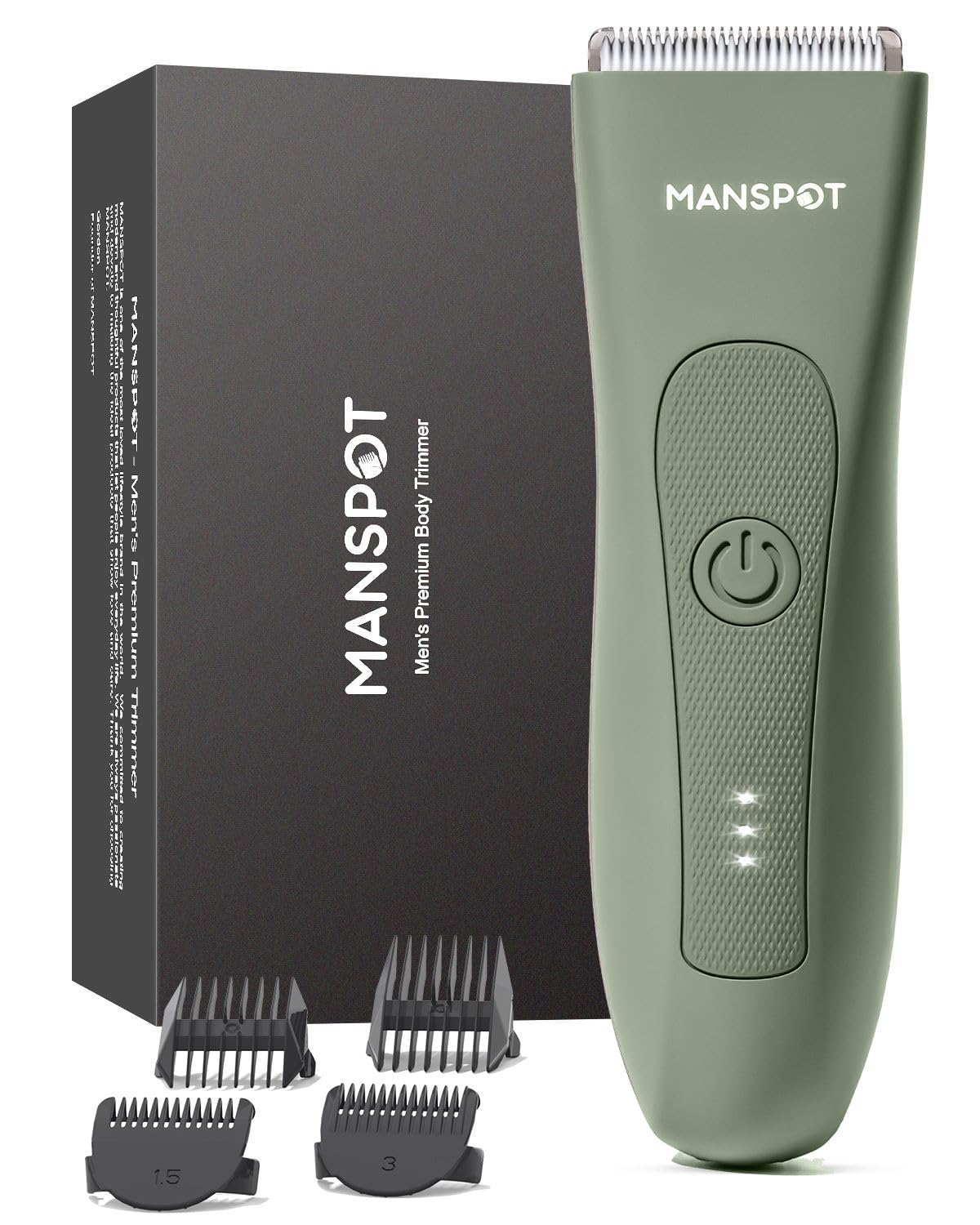
MANSPOT Electric Pubic Hair Trimmer - Waterproof Body and Groin Shaver for Men and Women (Black)
$20.39 $40
25% OFF
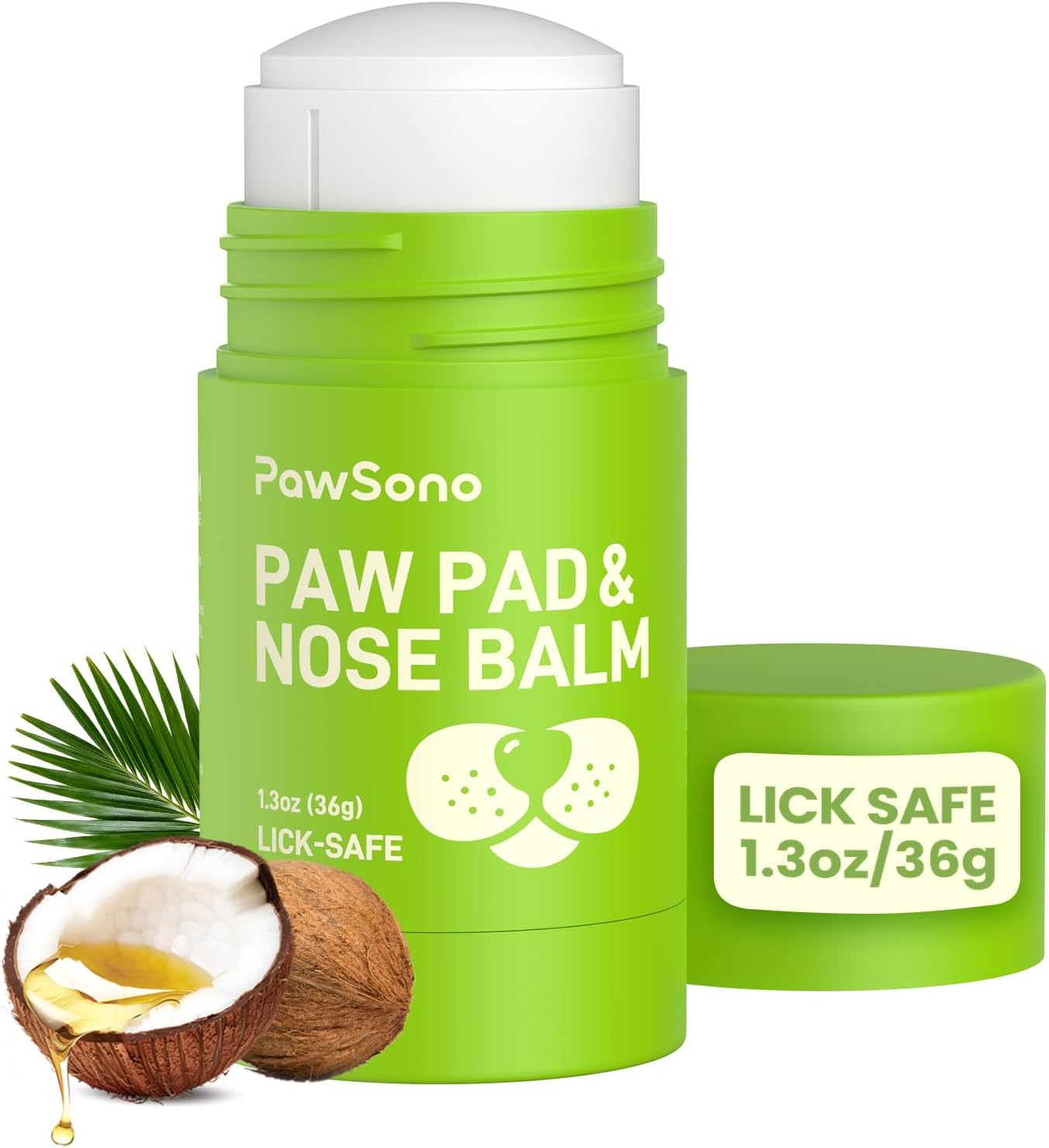
Lick-Safe Dog Paw and Nose Balm Stick - All-Natural Moisturizer with Coconut Oil for Dry, Cracked Pads and Snout
$11.69 $15.59
77% OFF
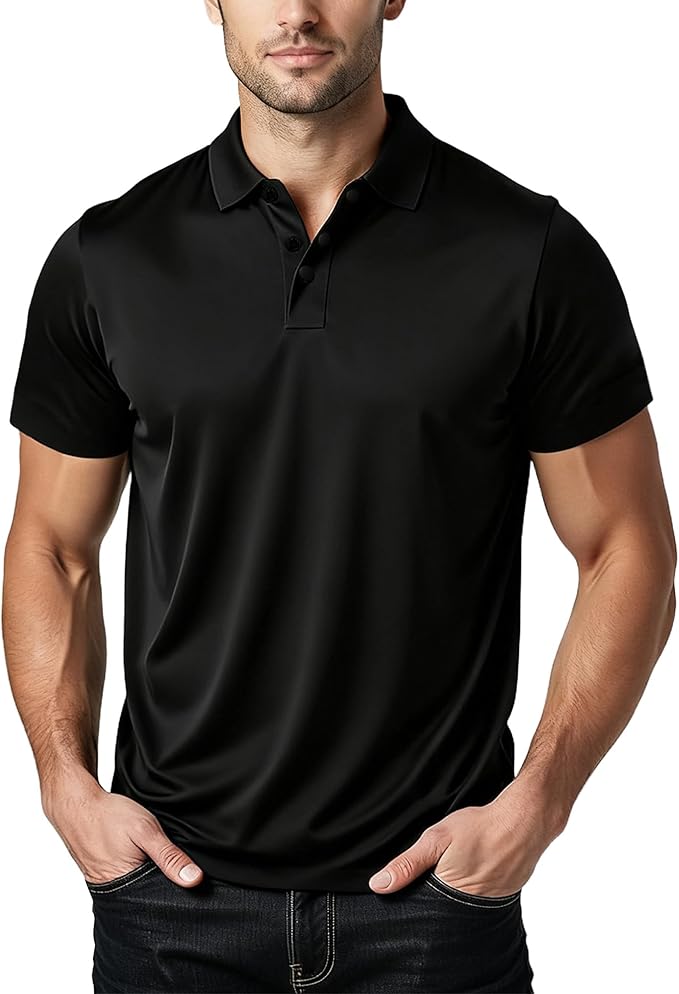
Men's Quick Dry Moisture Wicking Polo Shirt - High Elasticity Slim Fit Athletic Top (Runs Small)
$6.99 $29.99
46% OFF

Men's Running Shorts with Zipper Pockets - Lightweight, Quick-Dry, Multi-Sport
$12.95 $23.99
50% OFF

NEWFAST NF-RE523 AC1200 WiFi Extender - 1200Mbps Dual Band Signal Booster & Internet Repeater
$18.5 $36.99
48% OFF

G Gradual Men's 7-inch Workout Running Shorts - Lightweight, Quick-Dry, Comfort
$12.91 $24.99
30% OFF
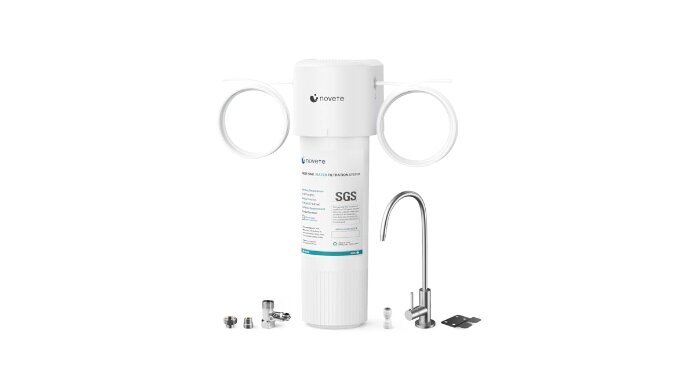
NOVETE Under Sink Water Filter - 3 Years, 30,000 Gallons, High-Efficiency Filtration
$41.99 $59.99
50% OFF

HDPE All-Weather Adirondack Chair with Built-In Cup Holder - Tool-Free Assembly (Grey)
$69.99 $139.99
60% OFF

HOMETUK Clear Plastic Storage Bins with Dividers - 3-Pack Stackable Acrylic Organizer Containers for Fridge and Pantry
$19.99 $49.99
58% OFF

G Gradual Men's Fishing Shirt - UPF 50+ Lightweight Short Sleeve Button Down with Zipper Pockets
$14.99 $35.99
55% OFF

Everyfun 60" Rectangular Platform Tree Swing - 700lbs Heavy Duty Adjustable Outdoor Swing (Colorful)
$49.99 $110.99
61% OFF

Ekouaer Women's Casual Loose Jumpsuit - One-Piece Printed Sleeveless Wide Leg Romper with Pockets
$14.99 $37.99
36% OFF

Men's Athletic Running Shorts with Zipper Pockets - Lightweight & Quick Dry
$12.74 $19.99
61% OFF

Modern Ceiling Fan with Light and Remote - Reversible Quiet DC Motor
$69.3 $179.99
50% OFF

MOOKA H13 True HEPA Air Purifier for Home Large Room - 1076 sq ft Odor Eliminator
$39.97 $79.95
40% OFF
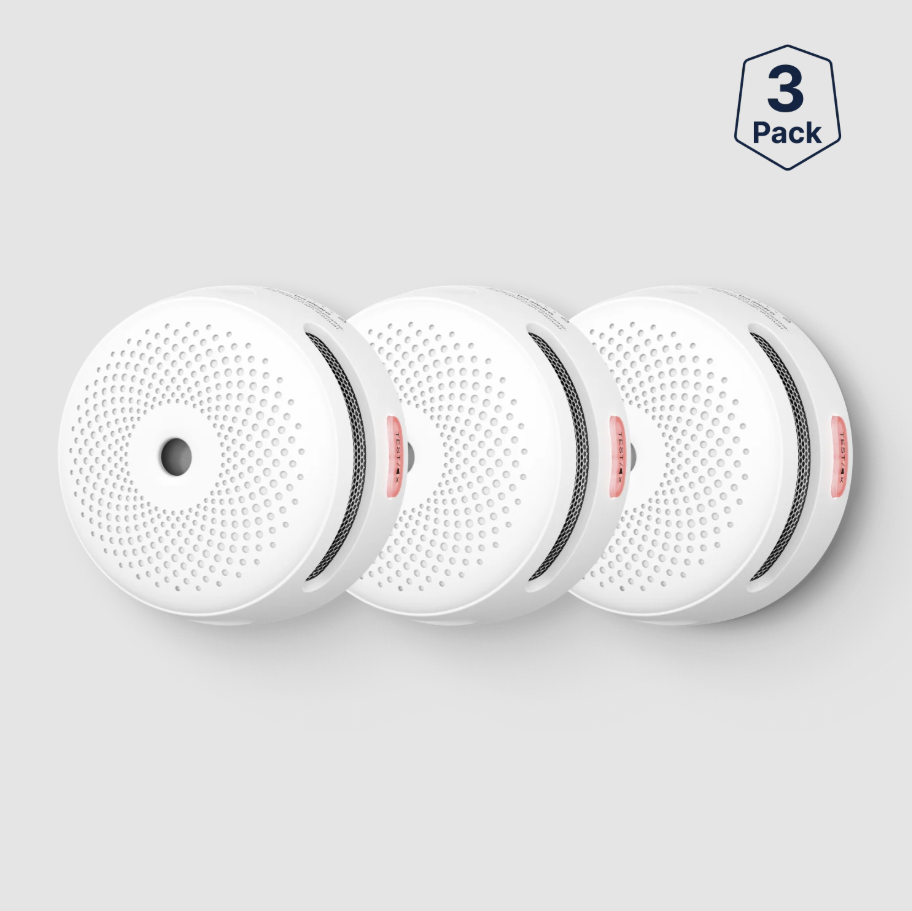
X-Sense XS01-WX Smart Smoke Alarm - 2.4 GHz Wi-Fi Photoelectric Fire Detector with Mobile App Alerts
$65.99 $109.99
11% OFF

VitaUp Beet Root Gummies with CoQ10 & Grape Seed - Nitric Oxide Circulation Support (60 Count)
$24.91 $27.91
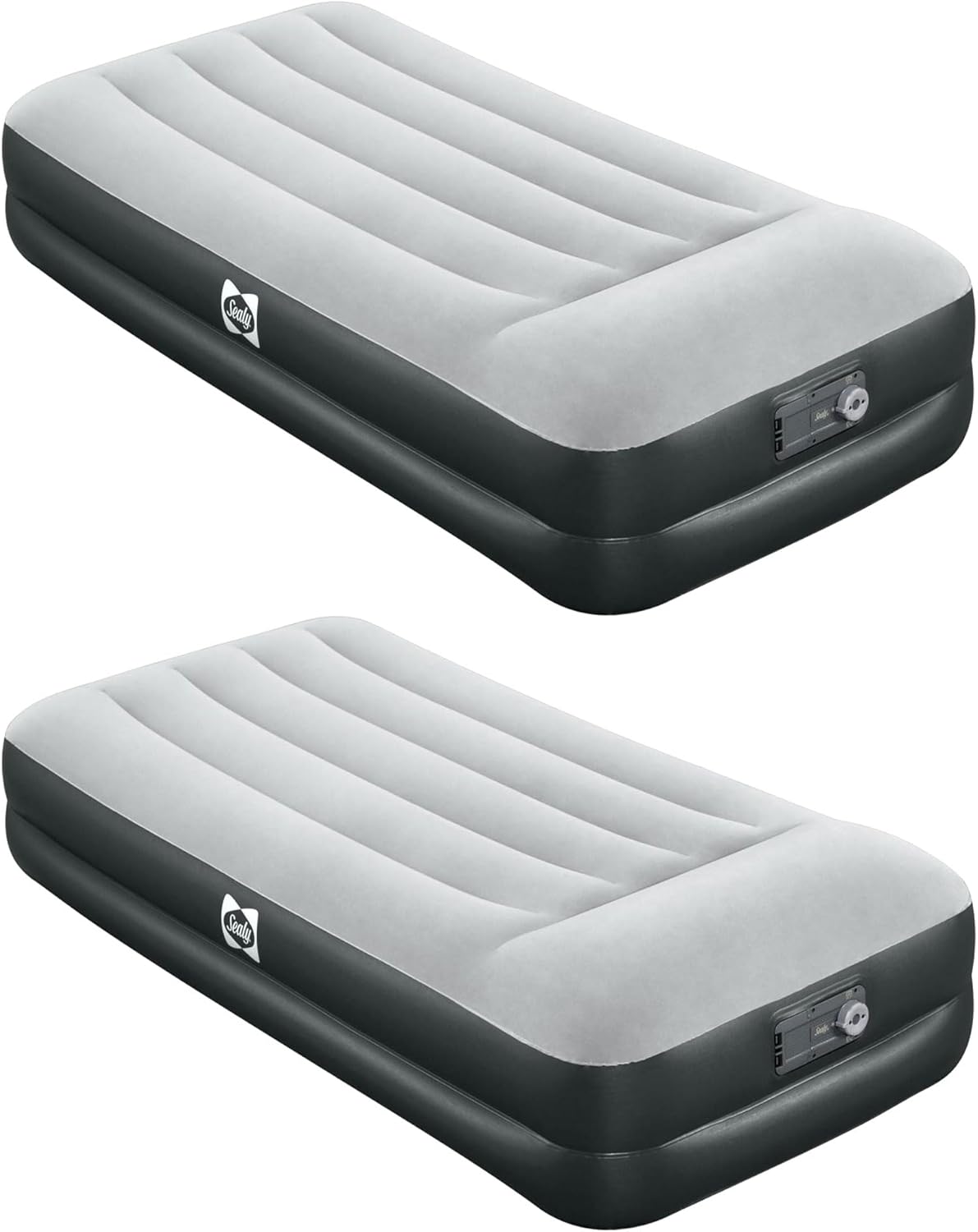
Sealy 2-Pack Tritech 16" Twin Inflatable Air Mattress with Built-in AC Pump
$0 $113.99
20% OFF

INTEX Prism Frame 20ft x 52in Above Ground Pool Set - Round Steel Frame Swimming Pool
$695.99 $869.99

Gardner Pet 43" Heavy Duty Dog Crate with Wheels - Indestructible Folding Metal Cage (Black)
$0 $149.99




-

Anti-Christian hate crimes across Europe surge in May as arson attacks reach 2026 high
-

Belfast churches 'heartbroken' over unrest
-

Churches must disciple well and listen well in response to rise of Christian nationalism
-

Welsh reverend speaks of culture of fear over LGBT issues
-

South Wales Police back down on imposing Islamic 'blasphemy law'
-

Making cohabitation equal with marriage is 'unfair', Christians argue
Most Popular
News

Kyiv’s Dormition Cathedral badly damaged in major Russian strikes on Ukrainian capital
Kyiv’s historic Dormition Cathedral, part of the UNESCO-listed Pechersk Lavra monastery complex, caught fire overnight after a wave of Russian missile and drone strikes on the Ukrainian capital.

New attempt to revive assisted suicide bill faces opposition
Fresh attempts to make assisted suicide legal have been met with disappointment by opponents.

Anti-Christian hate crimes across Europe surge in May as arson attacks reach 2026 high
Anti-Christian incidents across Europe rose sharply in May, with new figures showing the highest monthly number of arson-related attacks recorded so far this year.

Gloucester churches come together to bless River Avon amid pollution concerns
It is part of a broader campaign against river pollution as concerns remain about the amount of untreated sewage in the Avon.
MANSPOT Electric Pubic Hair Trimmer - Waterproof Body and Groin Shaver for Men and Women (Black)
$20.39
Lick-Safe Dog Paw and Nose Balm Stick - All-Natural Moisturizer with Coconut Oil for Dry, Cracked Pads and Snout
$11.69
Men's Quick Dry Moisture Wicking Polo Shirt - High Elasticity Slim Fit Athletic Top (Runs Small)
$6.99
Men's Running Shorts with Zipper Pockets - Lightweight, Quick-Dry, Multi-Sport
$12.95
NEWFAST NF-RE523 AC1200 WiFi Extender - 1200Mbps Dual Band Signal Booster & Internet Repeater
$18.5
G Gradual Men's 7-inch Workout Running Shorts - Lightweight, Quick-Dry, Comfort
$12.91
NOVETE Under Sink Water Filter - 3 Years, 30,000 Gallons, High-Efficiency Filtration
$41.99
HDPE All-Weather Adirondack Chair with Built-In Cup Holder - Tool-Free Assembly (Grey)
$69.99
HOMETUK Clear Plastic Storage Bins with Dividers - 3-Pack Stackable Acrylic Organizer Containers for Fridge and Pantry
$19.99
G Gradual Men's Fishing Shirt - UPF 50+ Lightweight Short Sleeve Button Down with Zipper Pockets
$14.99
Everyfun 60" Rectangular Platform Tree Swing - 700lbs Heavy Duty Adjustable Outdoor Swing (Colorful)
$49.99
Ekouaer Women's Casual Loose Jumpsuit - One-Piece Printed Sleeveless Wide Leg Romper with Pockets
$14.99
Men's Athletic Running Shorts with Zipper Pockets - Lightweight & Quick Dry
$12.74
Modern Ceiling Fan with Light and Remote - Reversible Quiet DC Motor
$69.3
MOOKA H13 True HEPA Air Purifier for Home Large Room - 1076 sq ft Odor Eliminator
$39.97
X-Sense XS01-WX Smart Smoke Alarm - 2.4 GHz Wi-Fi Photoelectric Fire Detector with Mobile App Alerts
$65.99
VitaUp Beet Root Gummies with CoQ10 & Grape Seed - Nitric Oxide Circulation Support (60 Count)
$24.91
Sealy 2-Pack Tritech 16" Twin Inflatable Air Mattress with Built-in AC Pump
$0
INTEX Prism Frame 20ft x 52in Above Ground Pool Set - Round Steel Frame Swimming Pool
$695.99
Gardner Pet 43" Heavy Duty Dog Crate with Wheels - Indestructible Folding Metal Cage (Black)
$0