
Zimbabwe indefinitely suspended all work by aid groups on Thursday and police held a group of U.S. and British diplomats for several hours after they visited victims of political violence ahead of a presidential vote.
The United States blamed the seven diplomats' detention firmly on President Robert Mugabe's government, which Washington accuses of trying to intimidate opposition leader Morgan Tsvangirai's supporters ahead of the June 27 run-off election.
"This is outrageous behaviour in the treatment of diplomats," U.S. Secretary of State Condoleezza Rice said.
Aid work was suspended nearly a week after Mugabe's government banned some aid groups from distributing food, accusing them of campaigning for the opposition Movement for Democratic Change (MDC) in elections held on March 29.
U.S. ambassador James McGee said police stopped the diplomats' vehicles at a roadblock and slashed their tyres. Mugabe supporters threatened to set the vehicles ablaze unless the diplomats went with police to a nearby station, he said.
"It's an effort to intimidate us so that we won't go out to the rural areas and then the government can continue to beat the citizens and the supporters of the MDC," Jendayi Frazer, the top U.S. diplomat for Africa, said in Cape Town.
The diplomats, also accused by the government of distributing campaign literature for Tsvangirai, were released after several hours.
Authorities accused aid agencies of irregularities.
"A number of NGOs involved in humanitarian operations are breaching the terms and conditions of their registration ...
"I hereby instruct all PVOs (Private Voluntary Organisations)/NGOs to suspend all field operations until further notice," said Nicholas Goche, Minister of Public Service, Labour and Social Welfare.
Goche refused to comment when contacted by Reuters.
SECURITY COUNCIL CONCERN
Zimbabwe's Deputy Information Minister Bright Matonga accused the U.S. and British diplomats of distributing campaign material for Tsvangirai's MDC and said they refused to disembark at a roadblock when ordered by police.
"The police simply wanted to get to the bottom of the issue. No force or violence was used," Matonga said.
The U.S. embassy said the attack on the diplomatic convoy took place in Bindura, 80 km (50 miles) north of Harare.
Washington had protested to Zimbabwe over the arrest of the five U.S. and two British diplomats, Rice said.
At the United Nations, Jeffrey DeLaurentis, political counsellor at the U.S. mission, said the Security Council discussed the issue and "expressed concern" over the incident.
"I certainly hope that this time the Security Council does not consider the mistreatment of diplomats to be an internal matter for Zimbabwe," Rice said.
Britain's Foreign Office summoned Zimbabwe's ambassador.
"This gives us a window into the lives of ordinary Zimbabweans because this sort of intimidation is something that is suffered daily, especially by those who are working in opposition groups," Foreign Secretary David Miliband said.
Former colonial power Britain, human rights groups and Zimbabwe's opposition accuse Mugabe of a campaign of violence to try to keep his 28-year hold on power. Tsvangirai says 65 people have been killed.
Mugabe blames his opponents for the violence and sanctions imposed by Western countries for the collapse of the once prosperous economy. The opposition says he ruined Zimbabwe.
In an indicator of Zimbabwe's rapid economic decline, its dollar currency plunged to a new low of between 995 million and 1.45 billion to the dollar on Thursday.
Tsvangirai defeated Mugabe in the March 29 vote but failed to win enough votes to avoid a second round. He was detained for nine hours on Wednesday but continued his campaign on Thursday.
Simba Makoni, the ruling party defector who came third in the first round called for the run-off to be scrapped to prevent further bloodshed. Makoni won more than 8 percent and those who voted for him could be crucial in deciding the contest.
In an unusually harsh attack by an African leader, Kenyan Prime Minister Raila Odinga branded Mugabe a dictator and said in Cape Town that Zimbabwe's run-off campaign was an embarrassment to the continent's efforts to promote democracy.
It is rare for African leaders to publicly attack Mugabe, who is still seen as a hero by millions on the continent for fighting to end British rule in Zimbabwe in 1980 and for supporting other anti-colonial struggles.
50% OFF
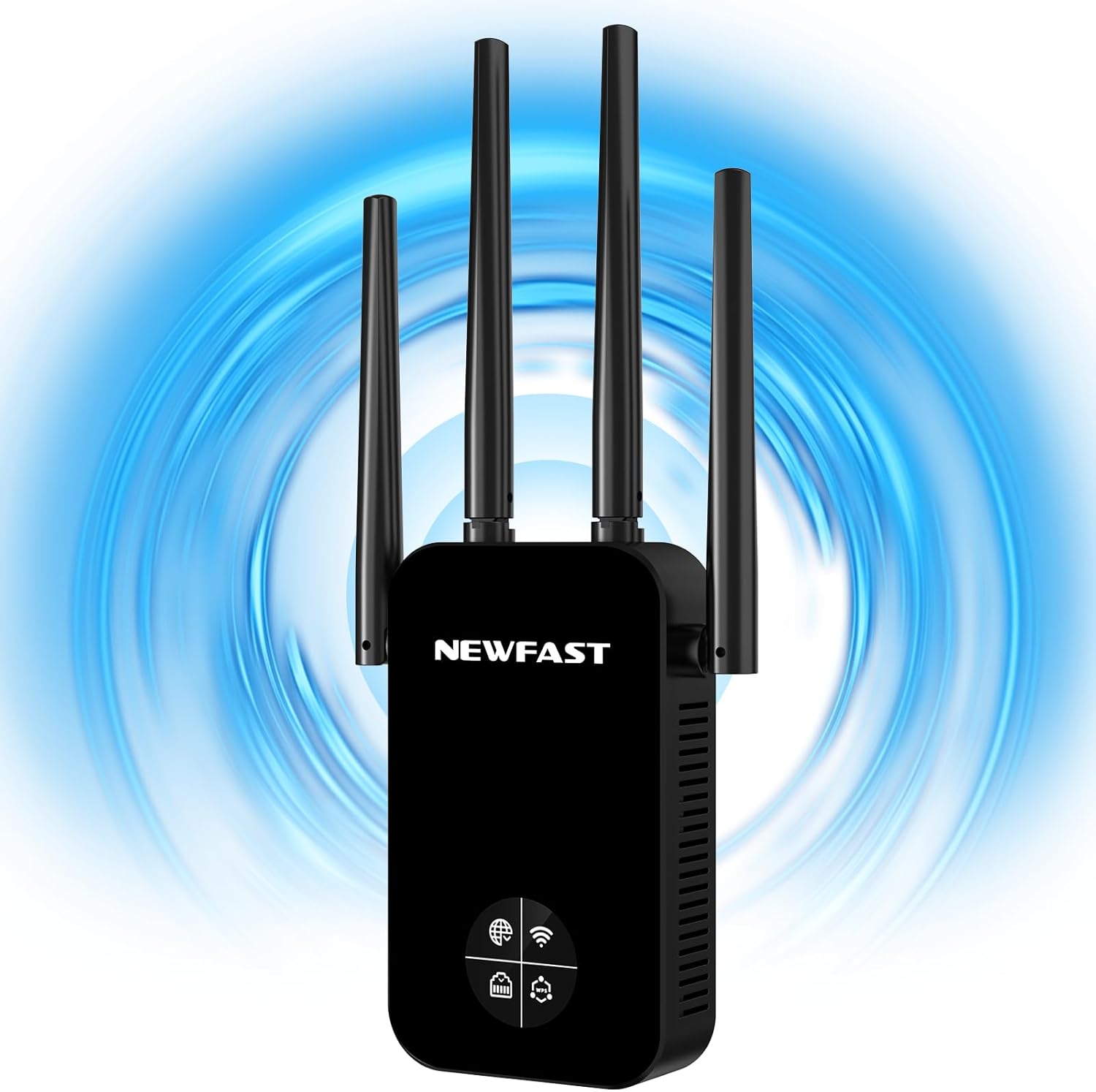
NEWFAST NF-RE523 AC1200 WiFi Extender - 1200Mbps Dual Band Signal Booster & Internet Repeater
$18.5 $36.99
48% OFF
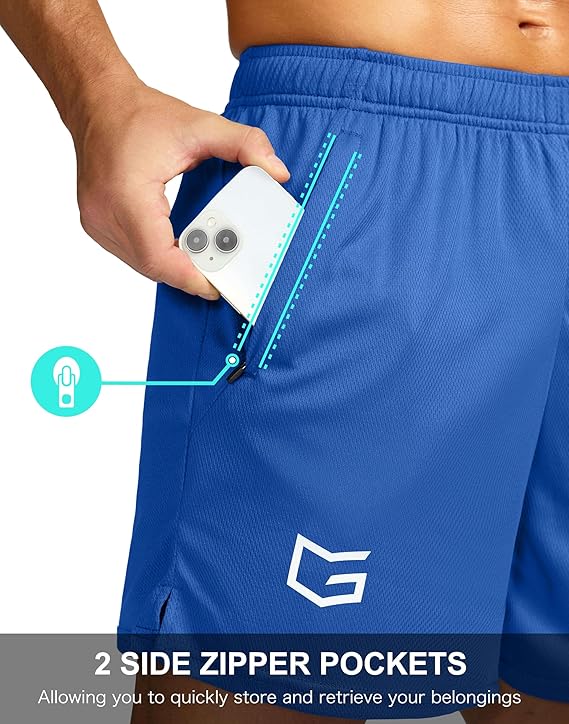
G Gradual Men's 7-inch Workout Running Shorts - Lightweight, Quick-Dry, Comfort
$12.91 $24.99
50% OFF

HDPE All-Weather Adirondack Chair with Built-In Cup Holder - Tool-Free Assembly (Grey)
$69.99 $139.99
60% OFF

HOMETUK Clear Plastic Storage Bins with Dividers - 3-Pack Stackable Acrylic Organizer Containers for Fridge and Pantry
$19.99 $49.99
58% OFF

G Gradual Men's Fishing Shirt - UPF 50+ Lightweight Short Sleeve Button Down with Zipper Pockets
$14.99 $35.99
55% OFF

Everyfun 60" Rectangular Platform Tree Swing - 700lbs Heavy Duty Adjustable Outdoor Swing (Colorful)
$49.99 $110.99
61% OFF

Ekouaer Women's Casual Loose Jumpsuit - One-Piece Printed Sleeveless Wide Leg Romper with Pockets
$14.99 $37.99
40% OFF
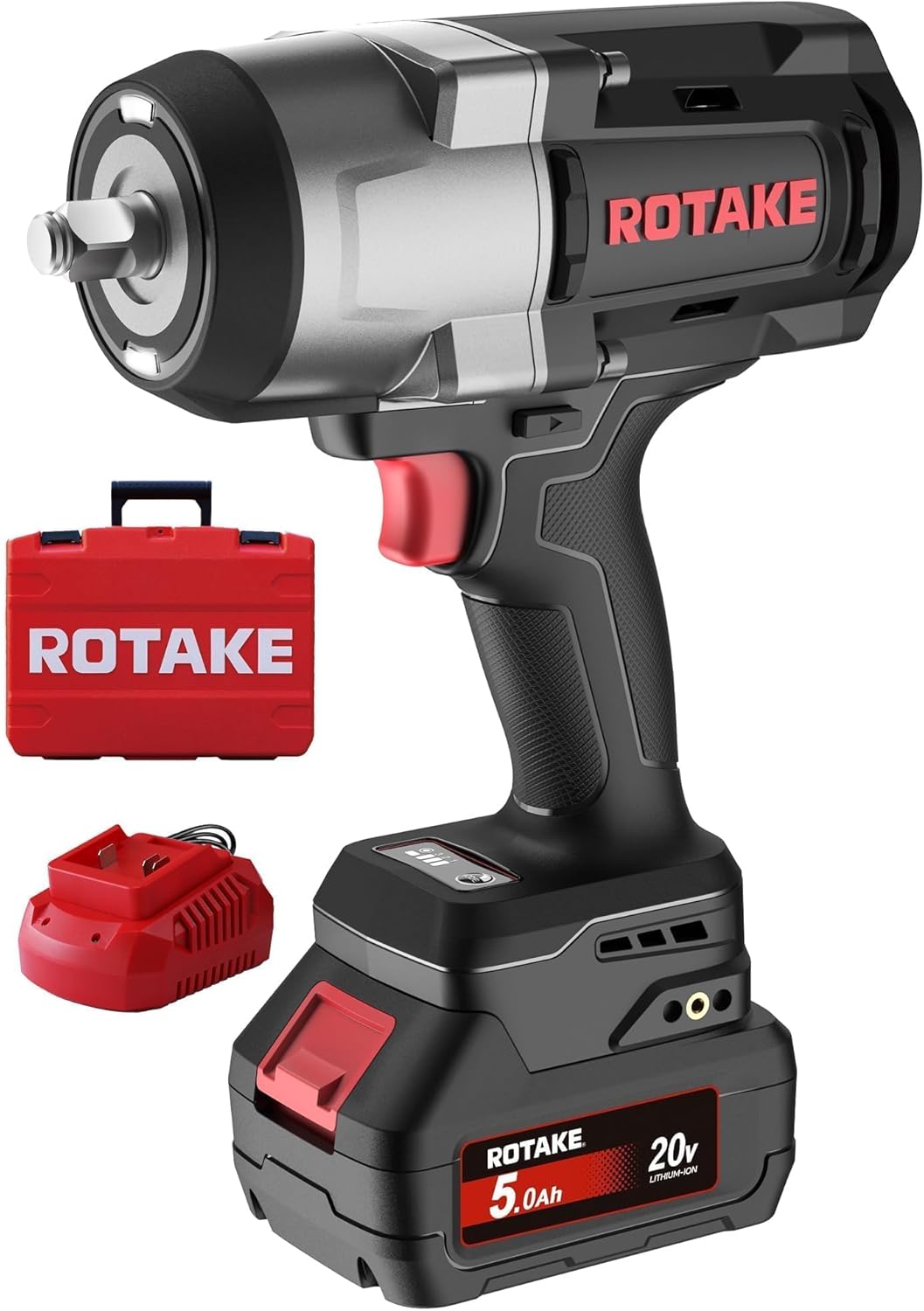
ROTAKE TB3 20V Heavy Duty 1/2" Cordless Impact Wrench Kit - 1380 Ft-Lbs Torque
$132 $219.99
36% OFF

Men's Athletic Running Shorts with Zipper Pockets - Lightweight & Quick Dry
$12.74 $19.99
61% OFF

Modern Ceiling Fan with Light and Remote - Reversible Quiet DC Motor
$69.3 $179.99
50% OFF

MOOKA H13 True HEPA Air Purifier for Home Large Room - 1076 sq ft Odor Eliminator
$39.97 $79.95
60% OFF

Ekouaer Women's Satin Silky Pajama Set - Short Sleeve Pullover Top & Wide-Leg Pants
$13.99 $34.99
55% OFF

Ekouaer 3-Piece Maternity & Nursing Pajamas Set - Short Sleeve Top with Shorts and Pants
$14.99 $32.99
11% OFF

VitaUp Beet Root Gummies with CoQ10 & Grape Seed - Nitric Oxide Circulation Support (60 Count)
$24.91 $27.91

Sealy 2-Pack Tritech 16" Twin Inflatable Air Mattress with Built-in AC Pump
$0 $113.99
20% OFF

INTEX Prism Frame 20ft x 52in Above Ground Pool Set - Round Steel Frame Swimming Pool
$695.99 $869.99

Gardner Pet 43" Heavy Duty Dog Crate with Wheels - Indestructible Folding Metal Cage (Black)
$0 $149.99
12% OFF

Elegant Mid-Century Modern Bar Stools - Set of 4
$395.99 $449.99
23% OFF

Ergonomic Office Chair - Big and Tall Desk Chair with Adjustable Lumbar Support
$279.99 $363.99
26% OFF

Magnelex American Flag Windshield Sun Shade - High-Resolution UV Reflective Heat Shield (X-Large)
$19.9 $26.9



-
Historic Lancashire church secures £250,000 National Lottery grant for major roof repairs
-
Sunderland Minster PCC was right to push back over trans toilet sign
-

Report warns religious freedom protections in Mexico exist largely ‘on paper’
-

Bethel Church distances itself from Todd Bentley and Mike Bickle
-

Christian police officer reaches settlement over diversity training discrimination claim
-
Turkey's hidden Christian past: Extraordinary discoveries are rewriting the story of early Christianity
Most Popular
News
Pride and the Gospel: the way of self or the way of Christ?
As Christians, our understanding of pride is shaped not primarily by culture, but by Scripture.
Campaign urging greater support for Christian education
Unite for Education founder, Niel Deepnarain, said Christians must be willing to engage publicly with educational issues rather than remain silent.
Welsh reverend speaks of culture of fear over LGBT issues
Many people have already left the Church in Wales over its stance on same-sex relationships, an evangelical leader has said.
Reddit users declare small Welsh church best place in the world
Users voted to eliminate one half of a map until only one location remained.
NEWFAST NF-RE523 AC1200 WiFi Extender - 1200Mbps Dual Band Signal Booster & Internet Repeater
$18.5
G Gradual Men's 7-inch Workout Running Shorts - Lightweight, Quick-Dry, Comfort
$12.91
HDPE All-Weather Adirondack Chair with Built-In Cup Holder - Tool-Free Assembly (Grey)
$69.99
HOMETUK Clear Plastic Storage Bins with Dividers - 3-Pack Stackable Acrylic Organizer Containers for Fridge and Pantry
$19.99
G Gradual Men's Fishing Shirt - UPF 50+ Lightweight Short Sleeve Button Down with Zipper Pockets
$14.99
Everyfun 60" Rectangular Platform Tree Swing - 700lbs Heavy Duty Adjustable Outdoor Swing (Colorful)
$49.99
Ekouaer Women's Casual Loose Jumpsuit - One-Piece Printed Sleeveless Wide Leg Romper with Pockets
$14.99
ROTAKE TB3 20V Heavy Duty 1/2" Cordless Impact Wrench Kit - 1380 Ft-Lbs Torque
$132
Men's Athletic Running Shorts with Zipper Pockets - Lightweight & Quick Dry
$12.74
Modern Ceiling Fan with Light and Remote - Reversible Quiet DC Motor
$69.3
MOOKA H13 True HEPA Air Purifier for Home Large Room - 1076 sq ft Odor Eliminator
$39.97
Ekouaer Women's Satin Silky Pajama Set - Short Sleeve Pullover Top & Wide-Leg Pants
$13.99
Ekouaer 3-Piece Maternity & Nursing Pajamas Set - Short Sleeve Top with Shorts and Pants
$14.99
VitaUp Beet Root Gummies with CoQ10 & Grape Seed - Nitric Oxide Circulation Support (60 Count)
$24.91
Sealy 2-Pack Tritech 16" Twin Inflatable Air Mattress with Built-in AC Pump
$0
INTEX Prism Frame 20ft x 52in Above Ground Pool Set - Round Steel Frame Swimming Pool
$695.99
Gardner Pet 43" Heavy Duty Dog Crate with Wheels - Indestructible Folding Metal Cage (Black)
$0
Elegant Mid-Century Modern Bar Stools - Set of 4
$395.99
Ergonomic Office Chair - Big and Tall Desk Chair with Adjustable Lumbar Support
$279.99
Magnelex American Flag Windshield Sun Shade - High-Resolution UV Reflective Heat Shield (X-Large)
$19.9