
Chaotic winter weather besieged China's business and farming heartland on Tuesday amid the country's worst power crisis, with one mountain road accident blamed on snow killing 25 people ahead of a major holiday.
Millions of migrant workers in the booming southern province of Guangdong were urged to abandon plans to go home to celebrate next week's Lunar New Year holiday, or Spring Festival, because train tracks were blocked by snow.
Icy temperatures, snow and sleet blanketing much of central, eastern and southern China have crippled thousands of trucks and trains loaded with coal, food and passengers in the most severe winter weather seen in 50 years.
A bus plunged more than 40 metres (130 ft) from a snowy mountain road in the south-western province of Guizhou, Xinhua news agency said, the first known major accident caused by the freak weather.
Elsewhere, about 24 people have died in recent weather-related accidents, including three workers killed while trying to fix iced-up power lines.
Premier Wen Jiabao visited stricken Hunan province, north of Guangdong, Xinhua said. Wen first flew to neighbouring Hubei province, because Hunan's main airport was iced in.
The snow across regions that usually have fairly temperate, snow-free winters was likely to stretch beyond Tuesday, the national forecaster said on its Web site (www.nmc.gov.cn). Beijing remained cold but clear.
China warned residents of Shanghai and neighbouring Jiangsu and Zhejiang provinces, the country's commercial engine room, to stay indoors if possible. In Shanghai, some food shelves in shops emptied as people stocked up.
Analysts said the brutal weather was a short-term blow to the economy and would stoke inflation that already has the government worried. It hit an 11-year high of 4.8 percent last year.
"The short-term impact on the economy is big, with transport disrupted, prices of agricultural products, in particular vegetables, rising," said Jin Dehuan of the Shanghai Securities and Futures Institute as stock prices appeared to stabilise after huge losses on Monday.
ENERGY FEARS
Jin said the weather chaos could jolt inflation higher in January but the broader impact would be limited.
Blocked roads and railways have also choked coal shipments, magnifying energy shortages that have caused power brownouts in 17 of China's 31 provinces and province-status cities.
More than 800,000 residents in Chenzhou, in the southern and relatively warm part of Hunan, had had their power and water supplies cut off for five days, state television said.
The country's worst power crisis has forced major industrial users like metal smelters to shut down. Beijing is urging small coal mines closed in a safety drive to restart production if they have been "rectified".
Fuel stockpiles at many plants have plunged to levels that cover just a few days of generation, but analysts say the power problem is caused as much by policy as weather.
Adding to energy woes, blocked roads and railways have disrupted fuel shipments so diesel is running out in some areas.
They have also wrecked travel plans for the Lunar New Year holiday, a traditional time for family reunions. Xinhua said Guangdong authorities had urged millions of migrant workers to stay put.
"Authorities shall persuade migrant workers to postpone homebound journeys and strive to keep more than 65 percent of them in Guangdong during the festival," said a circular issued by the Department of Labour.
More than half a million rail passengers were stranded in Guangzhou, the capital of Guangdong, because of heavy snow blocking the track further north in Hunan.
"Police and armed police were deployed to keep order," Xinhua said after reports of scuffles at the railway station on Monday.
On the main highway between Guangdong and Hunan, more than 20,000 trucks and other vehicles were stranded, Xinhua said.
Up to 19 airports are completely shut and flights from many others are badly delayed.
Newspapers said the disaster had also exposed bureaucratic confusion and obfuscation. The Beijing News complained that some railway officials refused to give information on severed services.
"Blocked information is the big enemy of disaster relief," the paper said.
50% OFF

NEWFAST NF-RE523 AC1200 WiFi Extender - 1200Mbps Dual Band Signal Booster & Internet Repeater
$18.5 $36.99
48% OFF
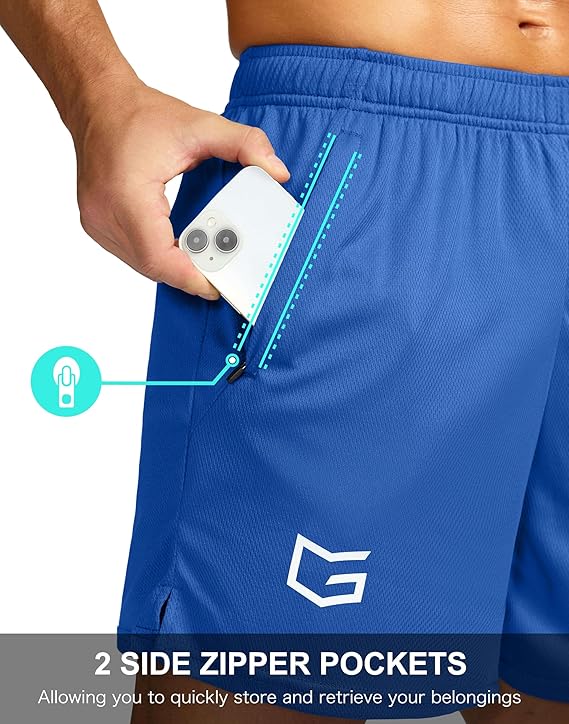
G Gradual Men's 7-inch Workout Running Shorts - Lightweight, Quick-Dry, Comfort
$12.91 $24.99
50% OFF

HDPE All-Weather Adirondack Chair with Built-In Cup Holder - Tool-Free Assembly (Grey)
$69.99 $139.99
60% OFF

HOMETUK Clear Plastic Storage Bins with Dividers - 3-Pack Stackable Acrylic Organizer Containers for Fridge and Pantry
$19.99 $49.99
58% OFF

G Gradual Men's Fishing Shirt - UPF 50+ Lightweight Short Sleeve Button Down with Zipper Pockets
$14.99 $35.99
55% OFF

Everyfun 60" Rectangular Platform Tree Swing - 700lbs Heavy Duty Adjustable Outdoor Swing (Colorful)
$49.99 $110.99
61% OFF

Ekouaer Women's Casual Loose Jumpsuit - One-Piece Printed Sleeveless Wide Leg Romper with Pockets
$14.99 $37.99
40% OFF
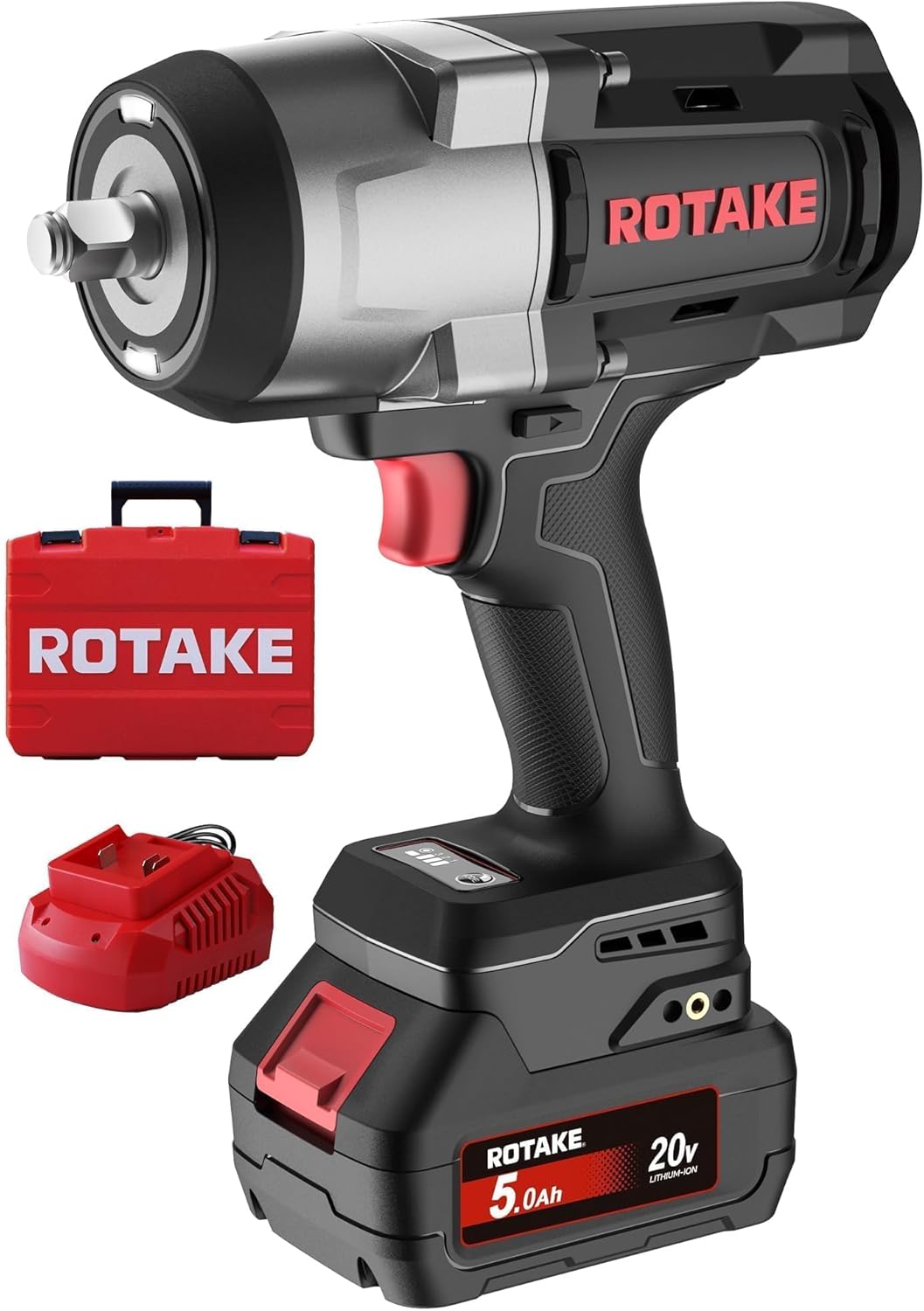
ROTAKE TB3 20V Heavy Duty 1/2" Cordless Impact Wrench Kit - 1380 Ft-Lbs Torque
$132 $219.99
36% OFF

Men's Athletic Running Shorts with Zipper Pockets - Lightweight & Quick Dry
$12.74 $19.99
61% OFF

Modern Ceiling Fan with Light and Remote - Reversible Quiet DC Motor
$69.3 $179.99
50% OFF

MOOKA H13 True HEPA Air Purifier for Home Large Room - 1076 sq ft Odor Eliminator
$39.97 $79.95
60% OFF

Ekouaer Women's Satin Silky Pajama Set - Short Sleeve Pullover Top & Wide-Leg Pants
$13.99 $34.99
55% OFF

Ekouaer 3-Piece Maternity & Nursing Pajamas Set - Short Sleeve Top with Shorts and Pants
$14.99 $32.99
11% OFF

VitaUp Beet Root Gummies with CoQ10 & Grape Seed - Nitric Oxide Circulation Support (60 Count)
$24.91 $27.91

Sealy 2-Pack Tritech 16" Twin Inflatable Air Mattress with Built-in AC Pump
$0 $113.99
20% OFF

INTEX Prism Frame 20ft x 52in Above Ground Pool Set - Round Steel Frame Swimming Pool
$695.99 $869.99

Gardner Pet 43" Heavy Duty Dog Crate with Wheels - Indestructible Folding Metal Cage (Black)
$0 $149.99
12% OFF

Elegant Mid-Century Modern Bar Stools - Set of 4
$395.99 $449.99
23% OFF

Ergonomic Office Chair - Big and Tall Desk Chair with Adjustable Lumbar Support
$279.99 $363.99
26% OFF

Magnelex American Flag Windshield Sun Shade - High-Resolution UV Reflective Heat Shield (X-Large)
$19.9 $26.9




-
Historic Lancashire church secures £250,000 National Lottery grant for major roof repairs
-
Sunderland Minster PCC was right to push back over trans toilet sign
-

Report warns religious freedom protections in Mexico exist largely ‘on paper’
-

Bethel Church distances itself from Todd Bentley and Mike Bickle
-

Christian police officer reaches settlement over diversity training discrimination claim
-

Turkey's hidden Christian past: Extraordinary discoveries are rewriting the story of early Christianity
Most Popular
News
Pride and the Gospel: the way of self or the way of Christ?
As Christians, our understanding of pride is shaped not primarily by culture, but by Scripture.

Campaign urging greater support for Christian education
Unite for Education founder, Niel Deepnarain, said Christians must be willing to engage publicly with educational issues rather than remain silent.

Welsh reverend speaks of culture of fear over LGBT issues
Many people have already left the Church in Wales over its stance on same-sex relationships, an evangelical leader has said.

Reddit users declare small Welsh church best place in the world
Users voted to eliminate one half of a map until only one location remained.
NEWFAST NF-RE523 AC1200 WiFi Extender - 1200Mbps Dual Band Signal Booster & Internet Repeater
$18.5
G Gradual Men's 7-inch Workout Running Shorts - Lightweight, Quick-Dry, Comfort
$12.91
HDPE All-Weather Adirondack Chair with Built-In Cup Holder - Tool-Free Assembly (Grey)
$69.99
HOMETUK Clear Plastic Storage Bins with Dividers - 3-Pack Stackable Acrylic Organizer Containers for Fridge and Pantry
$19.99
G Gradual Men's Fishing Shirt - UPF 50+ Lightweight Short Sleeve Button Down with Zipper Pockets
$14.99
Everyfun 60" Rectangular Platform Tree Swing - 700lbs Heavy Duty Adjustable Outdoor Swing (Colorful)
$49.99
Ekouaer Women's Casual Loose Jumpsuit - One-Piece Printed Sleeveless Wide Leg Romper with Pockets
$14.99
ROTAKE TB3 20V Heavy Duty 1/2" Cordless Impact Wrench Kit - 1380 Ft-Lbs Torque
$132
Men's Athletic Running Shorts with Zipper Pockets - Lightweight & Quick Dry
$12.74
Modern Ceiling Fan with Light and Remote - Reversible Quiet DC Motor
$69.3
MOOKA H13 True HEPA Air Purifier for Home Large Room - 1076 sq ft Odor Eliminator
$39.97
Ekouaer Women's Satin Silky Pajama Set - Short Sleeve Pullover Top & Wide-Leg Pants
$13.99
Ekouaer 3-Piece Maternity & Nursing Pajamas Set - Short Sleeve Top with Shorts and Pants
$14.99
VitaUp Beet Root Gummies with CoQ10 & Grape Seed - Nitric Oxide Circulation Support (60 Count)
$24.91
Sealy 2-Pack Tritech 16" Twin Inflatable Air Mattress with Built-in AC Pump
$0
INTEX Prism Frame 20ft x 52in Above Ground Pool Set - Round Steel Frame Swimming Pool
$695.99
Gardner Pet 43" Heavy Duty Dog Crate with Wheels - Indestructible Folding Metal Cage (Black)
$0
Elegant Mid-Century Modern Bar Stools - Set of 4
$395.99
Ergonomic Office Chair - Big and Tall Desk Chair with Adjustable Lumbar Support
$279.99
Magnelex American Flag Windshield Sun Shade - High-Resolution UV Reflective Heat Shield (X-Large)
$19.9