
Fikrie Sabrieva, 17, will marry with her eyes closed and her face painted white, dotted with bright sequins. She lives 'at the end of the world', tending a hardy Muslim culture in largely Christian Bulgaria.
The remote village of Ribnovo, set on a snowy mountainside in southwest Bulgaria, has kept its traditional winter marriage ceremony alive despite decades of Communist persecution, followed by poverty that forced many men to seek work abroad.
"Other nearby villages tried the traditional marriage after the ban was lifted, but then the custom somehow died away - women wanted to be modern," said Ali Mustafa Bushnak, 61, whose daughter came to watch Fikrie's wedding.
"Maybe we are at the end of the world. Or people in Ribnovo are very religious and proud of their traditions."
Some experts say clinging to the traditional wedding ceremony is Ribnovo's answer to the persecutions of the past.
Bulgaria is the only European Union nation where Muslims' share is as high as 12 percent. The communist regime, which did not tolerate any religious rituals, tried to forcibly integrate Muslims into Bulgaria's largely Christian Orthodox population, pressing them to abandon wearing their traditional outfits and adopt Slavonic names.
The wedding ritual was resurrected with vigour among the Pomaks - Slavs who converted to Islam under Ottoman rule and now make up 2.5 percent of Bulgaria's 7.8 million population - after communism collapsed in 1989.
But today it is still performed only in the closed society of Ribnovo and one other village in the Balkan country. Young men return from abroad to the crisp mountain snows, just for the winter weddings.
People in Ribnovo identify themselves more by their religion, as Muslims, than by their ethnicity or nationality, and the wedding ceremony is an expression of their piety. The village has 10 clerics and two mosques for 3,500 inhabitants.
DOWRY ON DISPLAY
Fikrie's family have been laboriously piling up her dowry since she was born - mostly handmade knit-work, quilts, coverlets, sheets, aprons, socks, carpets and rugs.
On a sunny Saturday winter morning they hang the items on a wooden scaffolding, 50 meters long and three meters high, erected specially for the occasion on the steep, muddy road of scruffy two-storey houses that leads to her home.
Nearly everyone in the village comes to inspect the offerings: Fikrie's tiny homeyard has been turned into a showroom for the furniture and household appliances the bride has to provide for her new household.
The girl and her husband-to-be, Moussa, 20, then lead a traditional horo dance on the central square, joined by most of the village's youth.
But the highlight of the ceremony, the painting of the bride's face, comes at the end of the second day.
In a private rite open only to female in-laws, Fikrie's face is covered in thick, chalky white paint and decorated with colourful sequins. A long red veil covers her hair, her head is framed with tinsel, her painted face veiled with and silvery filaments.
Clad in baggy pants and bodice shimmering in all the colours of the rainbow, the bride is presented by her future husband, her mother and her grandmother to the waiting crowd.
Fikrie is not permitted to open her eyes wide until a Muslim priest blesses the young couple. Alcohol is forbidden at the wedding receptions and sex before marriage is taboo.
BANNED RITUALS
Ethnographers say it is hard to date the bridal painting ritual, as the communist regime did not encourage studies into minority ethnic and religious groups.
"It is very likely that it is an invented tradition. It's their way to express who they are," said Margarita Karamihova, an associate professor at the Ethnography Institute of the Bulgarian Academy of Science.
Experts say Pomaks had identity problems and faced more challenges than the majority of Muslims in Bulgaria, who are ethnic Turks.
"In the 1960s they would ban Islamic music at weddings, then they would not allow traditional clothes, and in the 1980s, the whole traditional Pomak wedding was banned," said municipality mayor, Ahmed Bashev, born in Ribnovo.
Ribnovo's inhabitants used to make a living from tobacco and agriculture, but low incomes in the poorest EU country forced men to start seeking jobs in cities in Bulgaria or in western Europe - not least to raise money for a wedding.
Outside influences have been slow to reach Ribnovo and young people rarely marry an outsider. Another Fikrie, 19-year-old Fikrie Inuzova, suggested the women, for whom the acceptable bridal age is up to 22, are not in a rush to modernize.
"My brother wants to travel, see the world... It's different for men. They can do whatever. I want to stay here and marry."
30% OFF
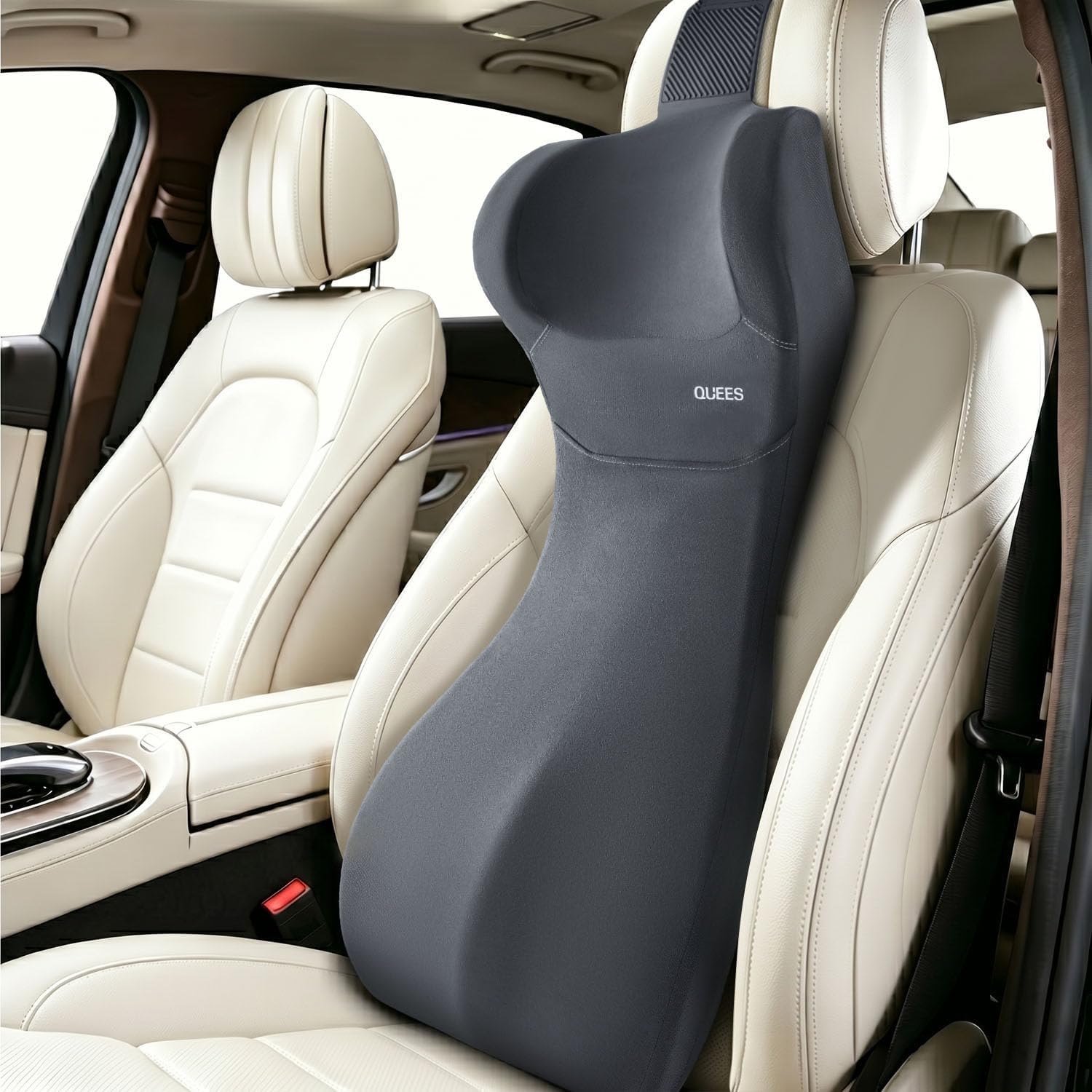
Lumbar Support Pillow for Car with Headrest – Memory Foam Full-Length S-Curve Back & Neck Cushion for Long Drives, Fits Cars, SUVs & Trucks
$32.89 $46.99
46% OFF
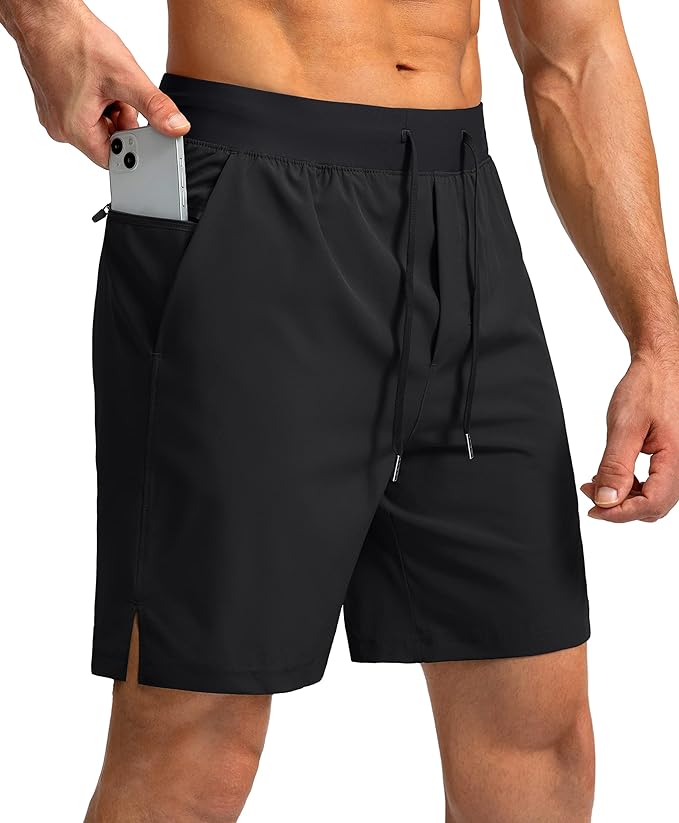
Soothfeel Men's Running Shorts with Zipper Pockets – Quick Dry Athletic Shorts in 9", 7" & 5" Inseams for Basketball, Gym & Workout
$12.91 $23.99
40% OFF
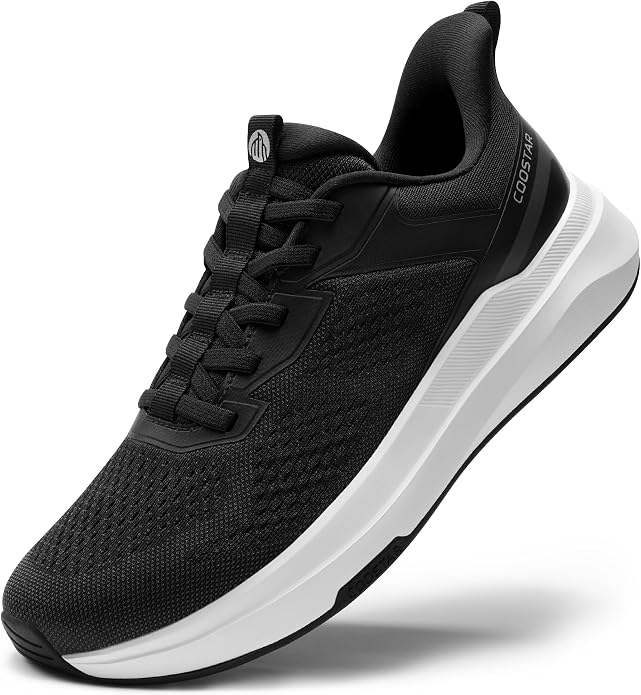
Men's Slip On Walking Shoes – Hands-Free Casual Sneakers with Arch Support, Wide Stable Base, Breathable Knit Upper, Non-Slip Traction
$29.99 $49.99
52% OFF
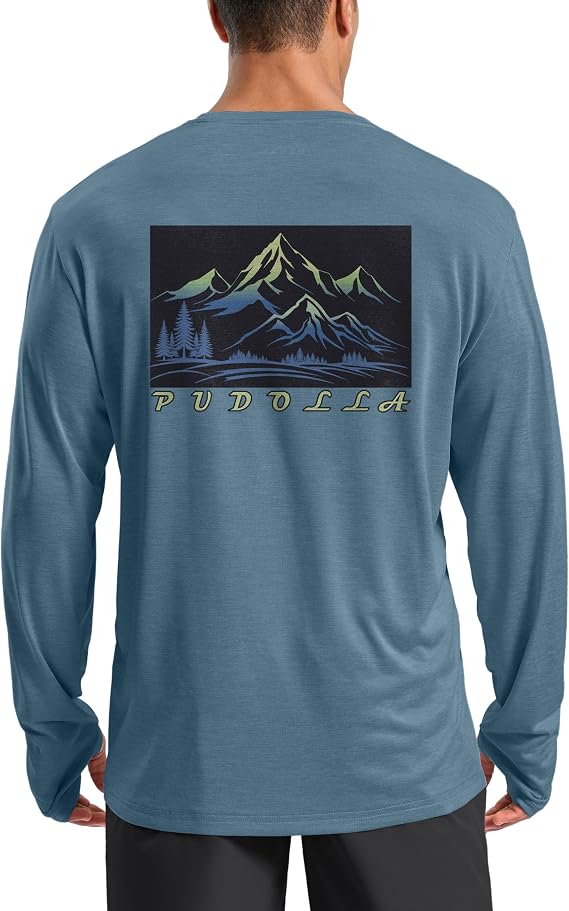
Pudolla Men's UPF 50+ Sun Shirt – Long Sleeve Quick Dry Hiking & Running Shirt with Thumb Holes, Lightweight Moisture-Wicking Rash Guard Base Layer
$11.99 $24.99
35% OFF
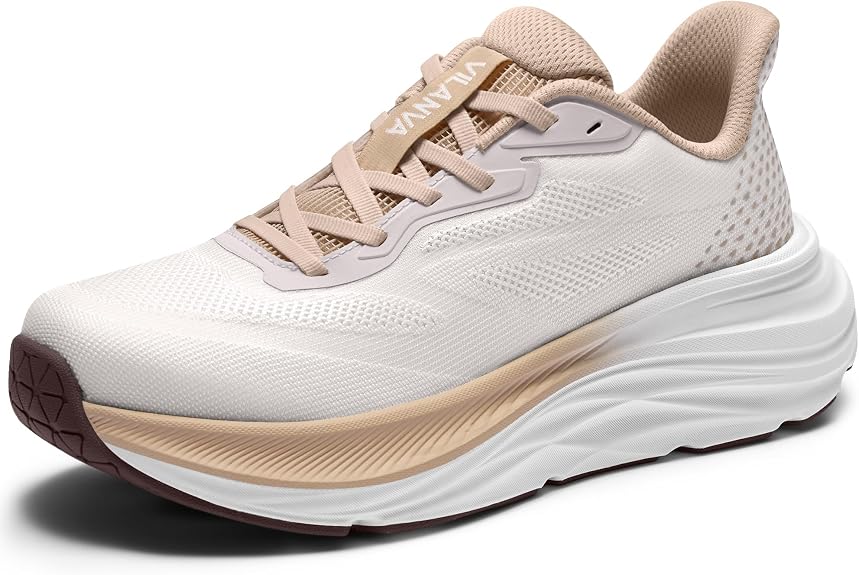
Vilanva Women's Walking Shoes – Cushioned Lightweight Running Sneakers with Slip-Resistant Sole, Breathable Woven Upper for Everyday Wear & Workouts
$35.09 $53.99
67% OFF

Rocoren 12-Pack Magnetic Cable Clips – 360° Rotating Cord Organizer with No-Residue Adhesive, Cord Holder for Desk, Nightstand, Wall, Car & Office, White
$6.5 $19.99
60% OFF
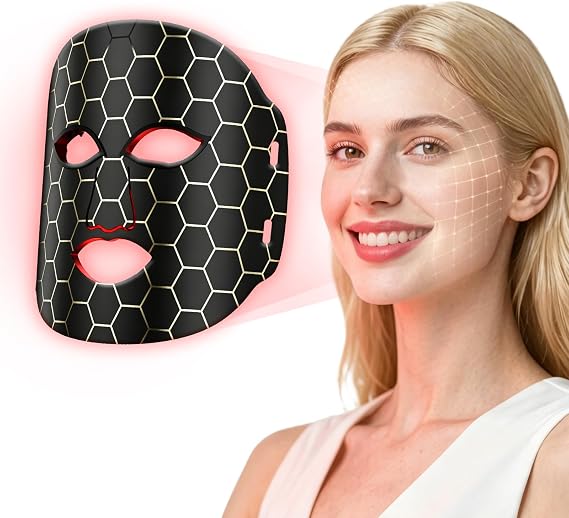
Red Light Therapy Mask for Face – 7-Color LED Silicone Facial Mask, Cordless Rechargeable Skincare Device with 240 LEDs for Home & Travel
$39.99 $99.99
77% OFF
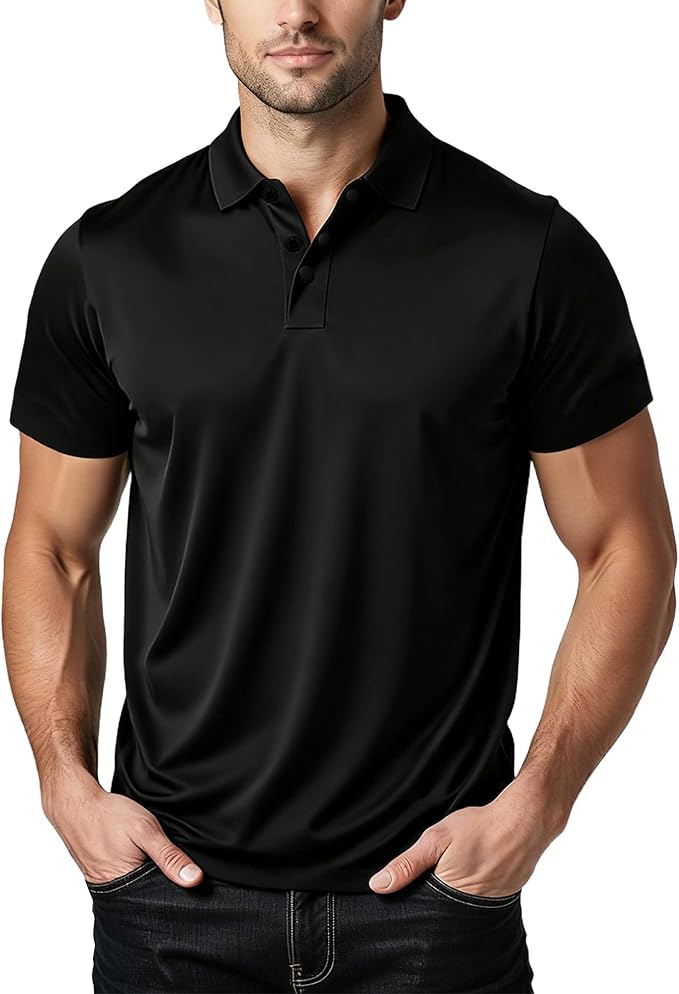
Men's Slim Fit Polo Shirt – Quick Dry Moisture Wicking, High Elasticity, Athletic Fit Polo for Golf, Tennis, Work & Casual Wear (Runs Small, Size Up)
$6.99 $29.99
28% OFF
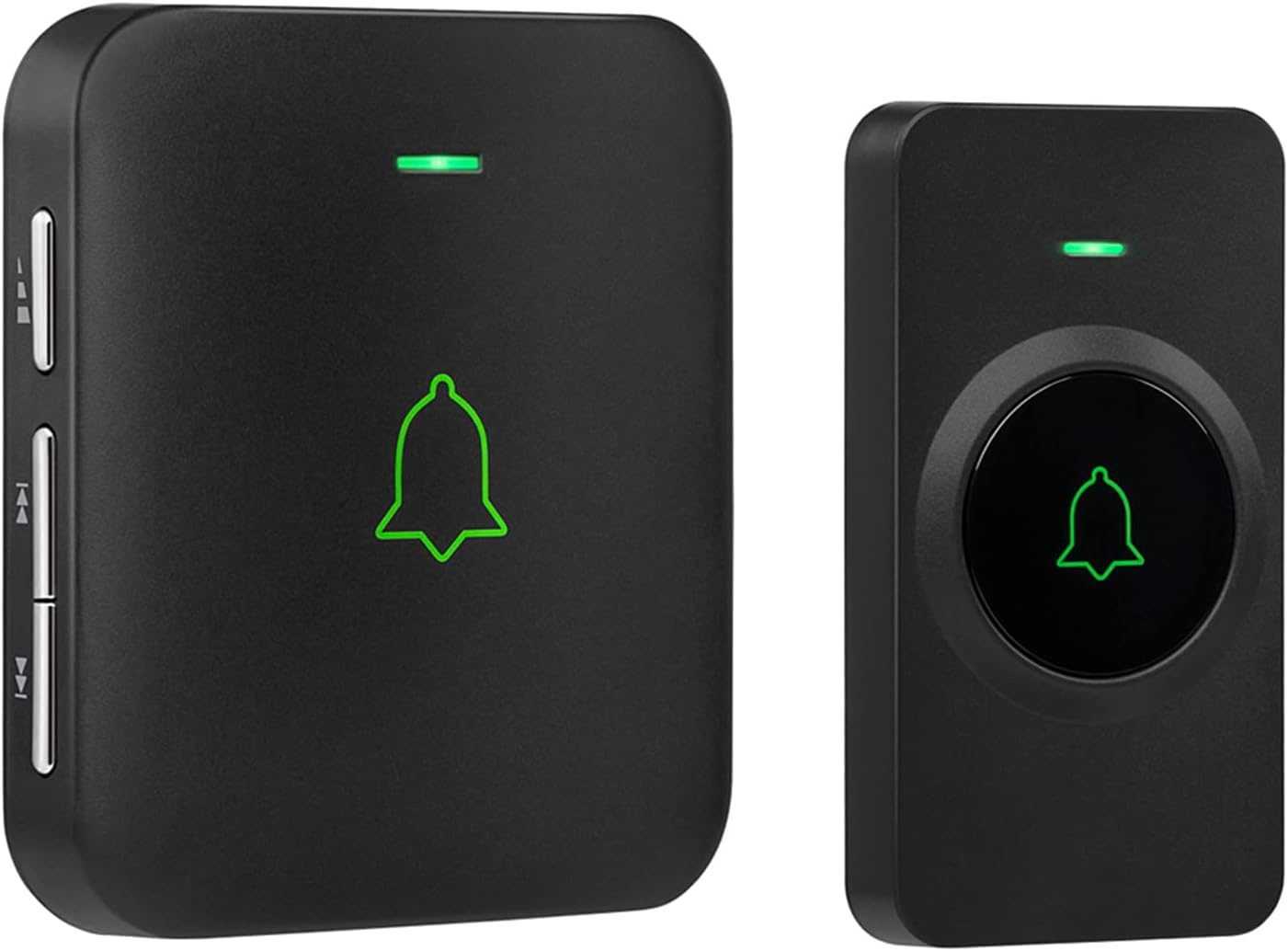
AVANTEK Wireless Doorbell CB-11 – 1000 ft Range, 1 Button + 1 Plug-In Receiver, 115 dB Volume, LED Flash, 52 Chimes, Waterproof, 3-Year Battery
$12.91 $17.99
50% OFF
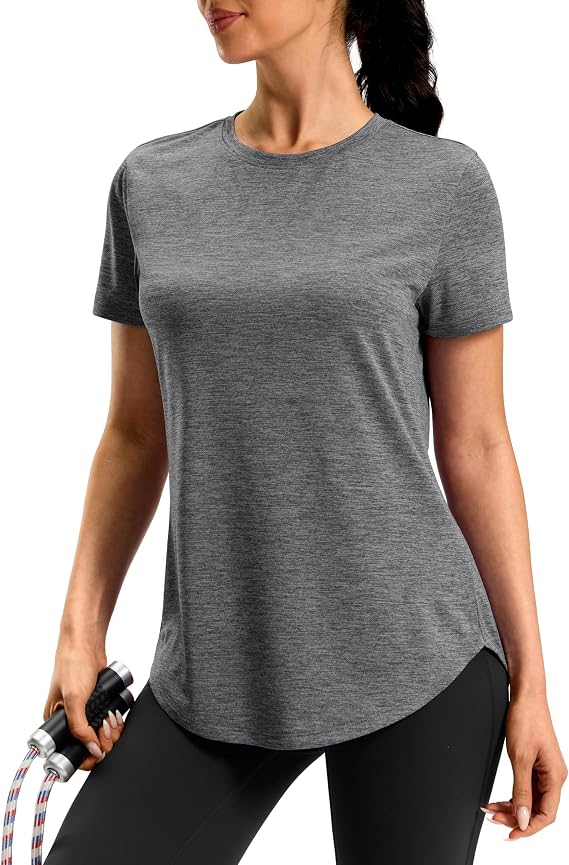
Women's Workout Shirts – Bum-Covering Length Short Sleeve Dry Fit Tops, Lightweight & Breathable for Athletic, Hiking, Running & Summer Wear
$6.99 $13.99
50% OFF
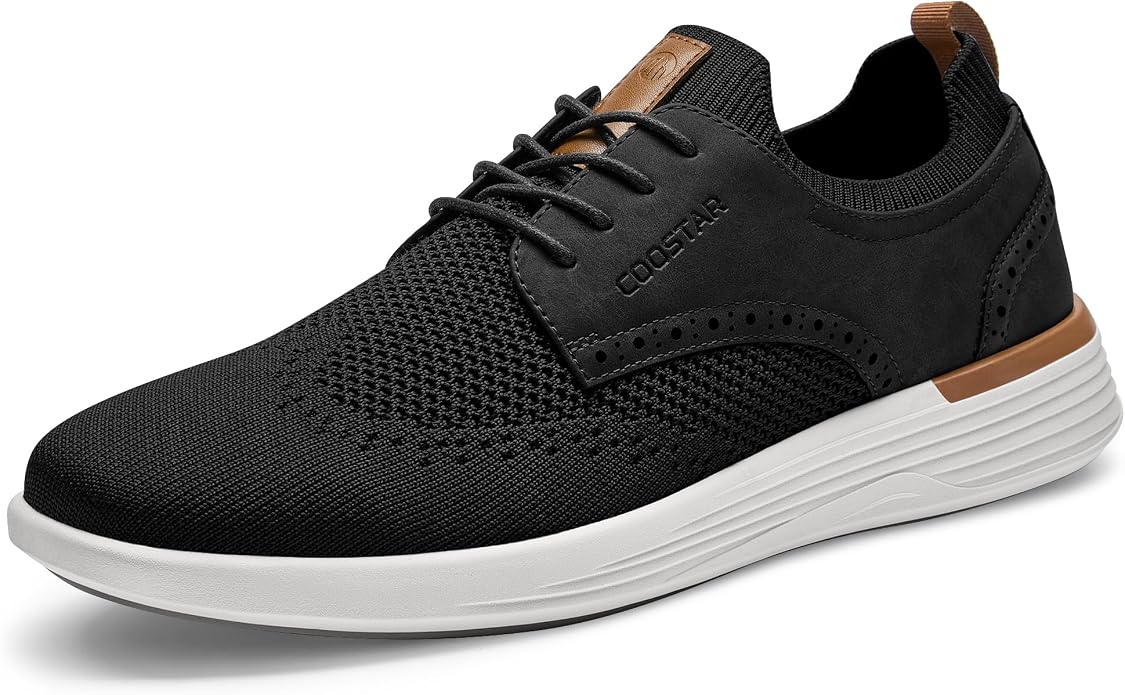
Coostar Men's Casual Dress Sneakers – Lightweight Wingtip Oxford Style with Breathable Knit Upper, Rubber Sole & Slip-On Elastic Collar, Business & Walking Shoe
$22.49 $44.99
45% OFF
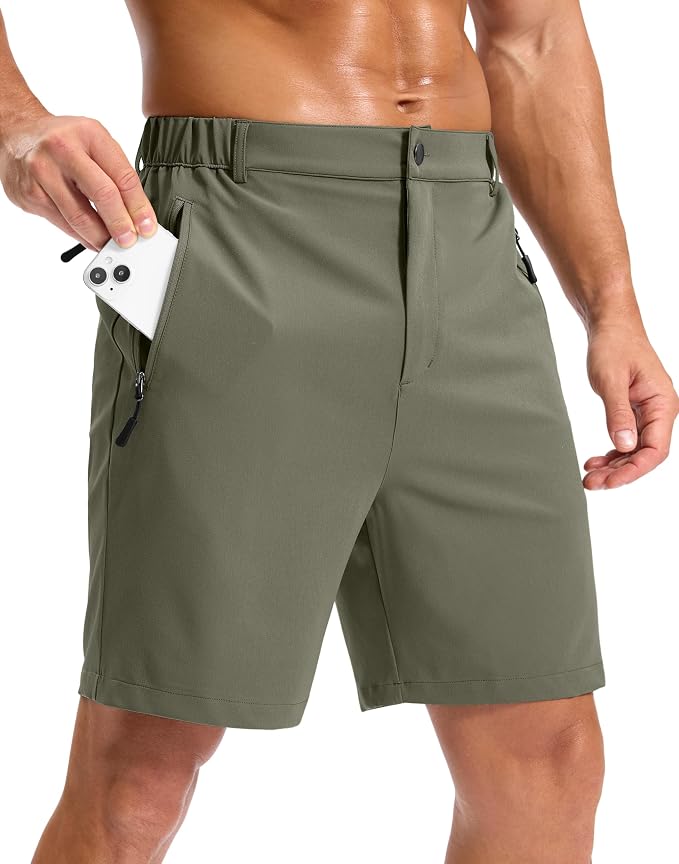
Pudolla Men's Quick Dry Hiking and Golf Shorts with 3 Zipper Pockets
$14.84 $26.99
50% OFF

Venture Pal Ceremonial Grade Matcha Green Tea Powder – First Harvest, Shade Grown, 100% Pure with No Additives, Unsweetened, Vegan & Gluten-Free, 30g Tin
$7.5 $14.99
40% OFF
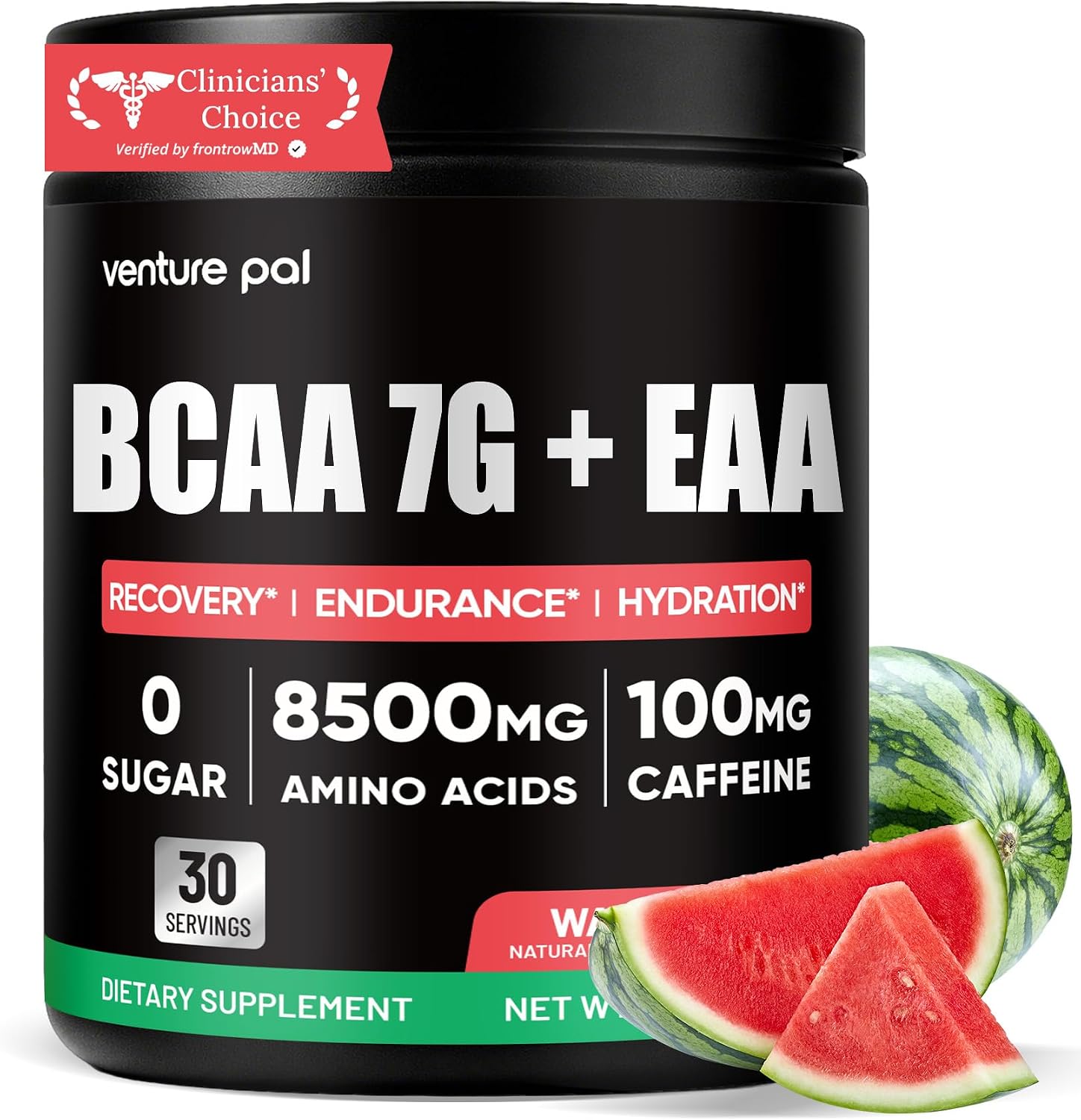
Venture Pal Sugar Free 7g BCAA + EAA Powder – 9 Essential Amino Acids with L-Glutamine, Caffeine, Electrolytes & Vitamins for Muscle Recovery, Growth & Hydration
$14.99 $24.99
30% OFF
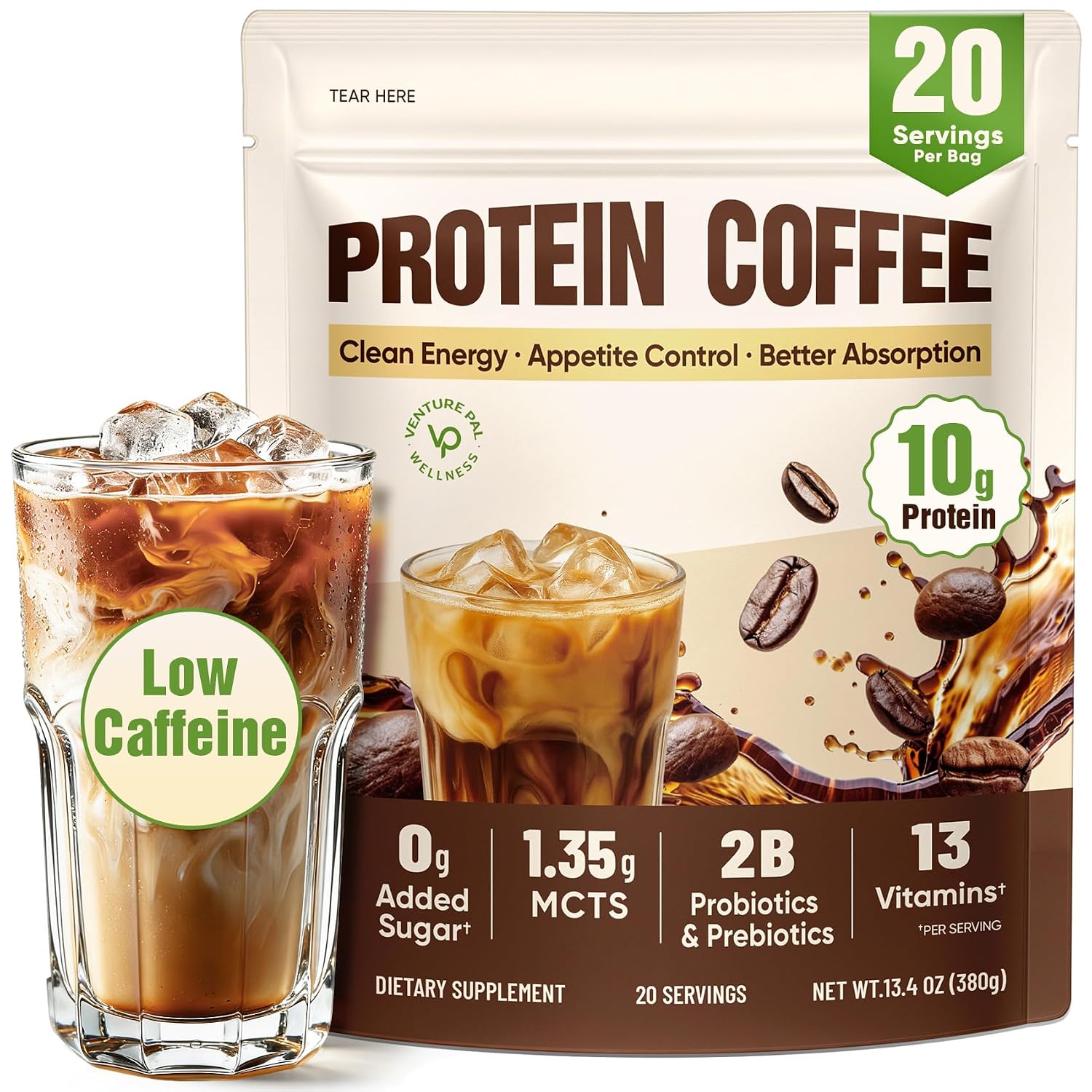
Venture Pal Sugar Free Protein Coffee – Cold Brew Mocha Instant Iced Coffee with MCT Oil, Probiotics, Fiber & 13 Vitamins, 70mg Caffeine, Keto & Gluten-Free, 20 Servings
$13.29 $18.99
20% OFF

Venture Pal Mushroom Hot Cocoa – Natural Sleep Aid with 12 Superfoods, Melatonin 3mg, Magnesium Glycinate, L-Theanine, Glycine, Lion's Mane, Reishi & Turkey Tail, Bedtime Cocoa Mix, 30 Servings
$23.99 $29.99
24% OFF

Cortisol Supplement for Women & Men with Ashwagandha & GABA – Magnesium, L-Theanine & Rhodiola, Stress Support for Sleep, Mood & Focus, 60-Day Supply, Made in USA
$15.29 $19.99
50% OFF

Venture Pal 18-in-1 Creatine for Women – Creatine Monohydrate with Collagen, Myo & D-Chiro Inositol, Electrolytes & Vitamins for Strength, Recovery & Skin Support, Sugar Free, 10.58 oz
$14.99 $29.99
32% OFF
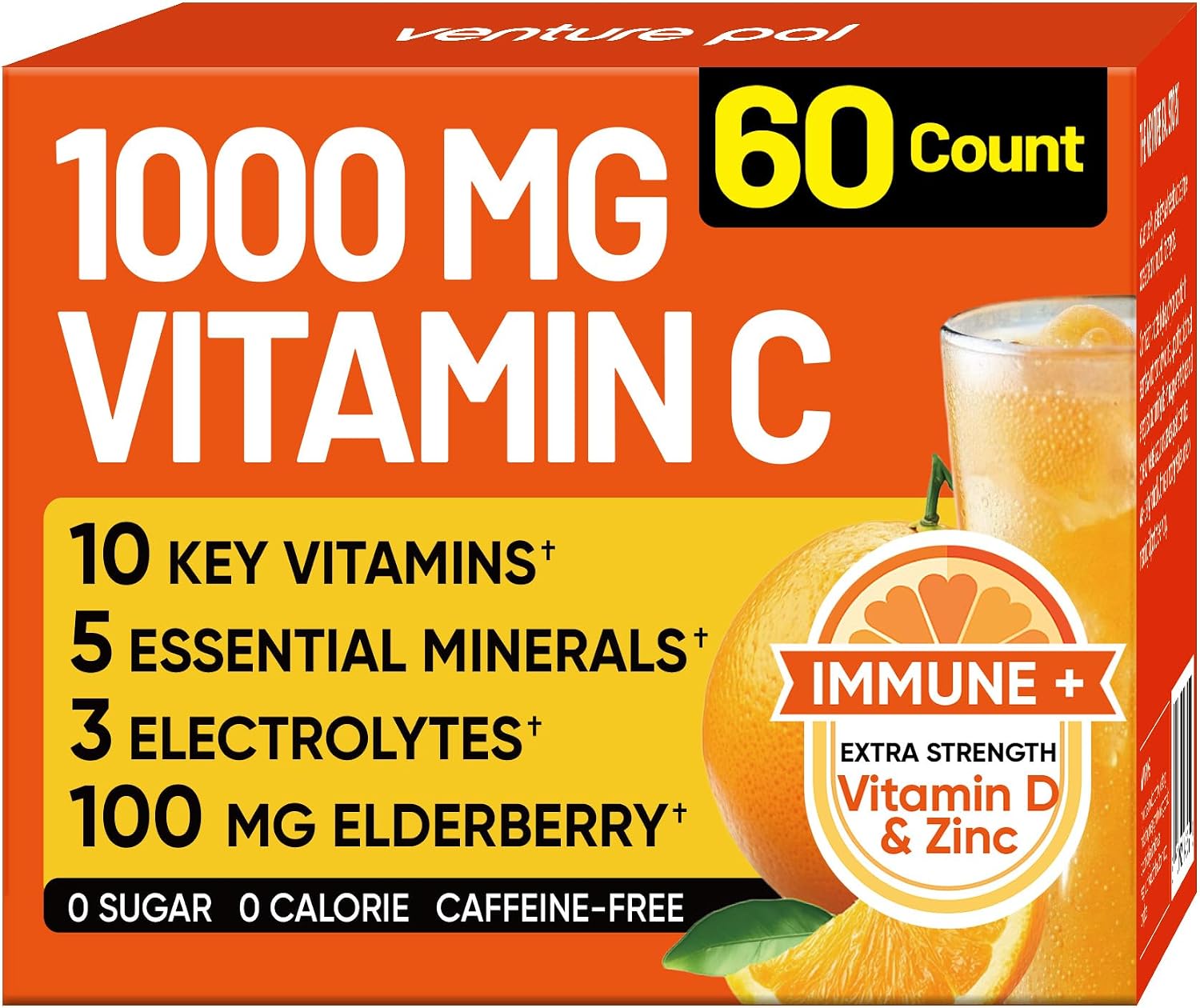
Venture Pal 1000mg Vitamin C Powder with Zinc & Elderberry – Sugar Free B Complex, 10 Vitamins, Minerals & Electrolytes, Daily Immune & Energy Support Packets, 60 Count
$13.59 $19.99
20% OFF
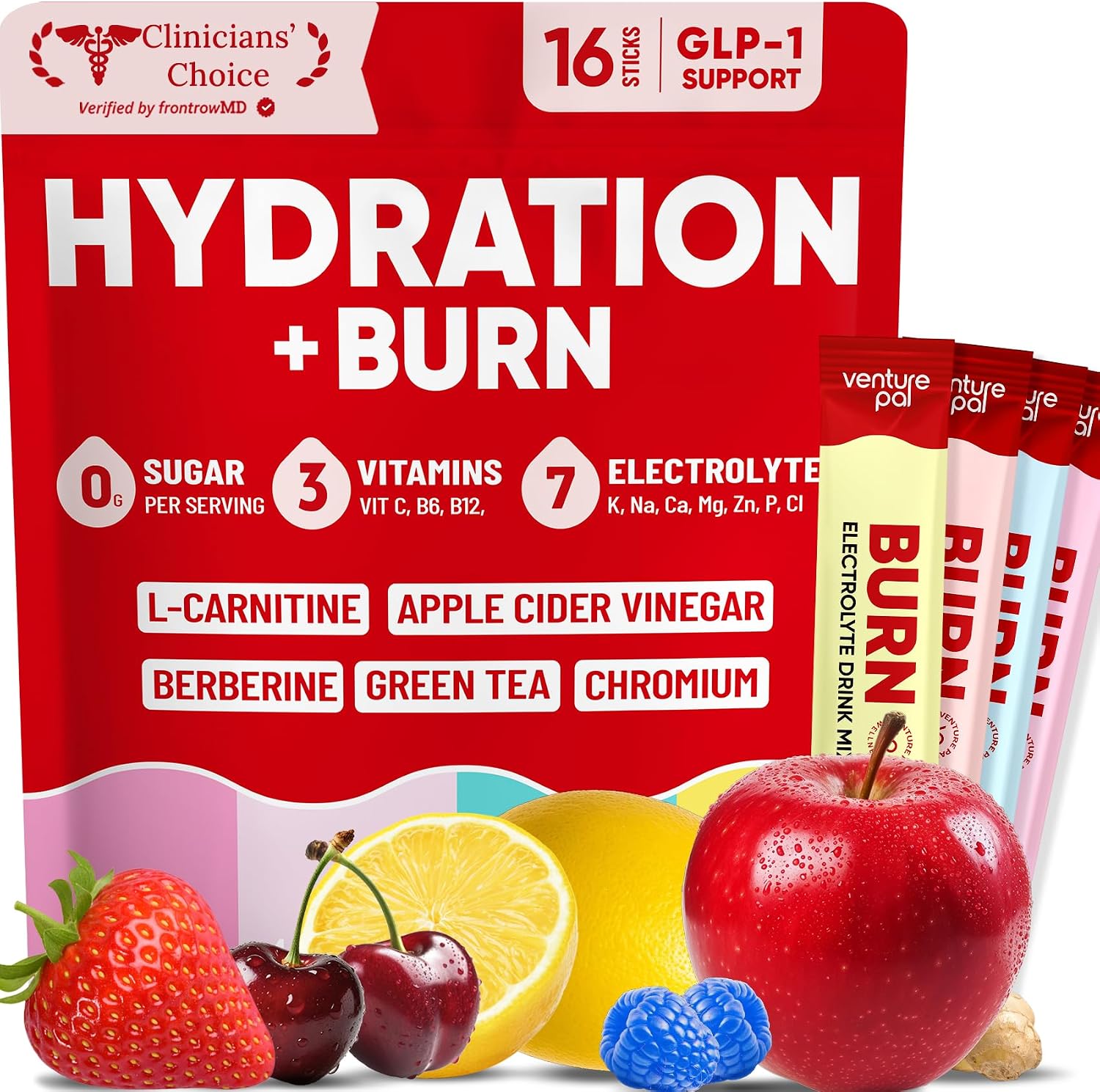
Venture Pal Burn Electrolyte Packets – Sugar Free Hydration with 7 Electrolytes, L-Carnitine, Berberine, ACV & Chromium, Metabolic & Satiety Support, Keto & Vegan, 16 Sticks
$15.99 $19.99




-

Canadian family claim Christian grandmother was euthanised against her wishes
-

Bethel pausing sale of The Passion Translation amid backlash
-

Requiem Mass held for Ann Widdecombe at Buckfast Abbey
-

Jen Hatmaker says she no longer believes in Hell
-

Christian claims insurance broker told him to remove ‘Jesus Loves You’ car stickers
-

Are churches missing out in the bitcoin boom?
Most Popular
News

Global church body concerned for Armenian Church amid dispute with state
The Armenian Apostolic Church (AAC) has been engaged in a years long cold war with the Armenian government.

Twenty African countries back charter affirming traditional marriage and opposition to abortion
Twenty African countries have endorsed a new charter affirming national sovereignty over issues including abortion, marriage and family policy, amid an ongoing debate over the influence of Western governments and international organisations on social policy across the continent.

Government cohabitation plans risk undermining marriage, Christian group warns
Had Taylor Swift and her former boyfriend been together under the government’s proposed system, Swift could potentially have been on the hook for tens of millions of dollars.

Why the Church should make the case for church weddings
The Church should be confident in explaining why getting married in church still matters.
Lumbar Support Pillow for Car with Headrest – Memory Foam Full-Length S-Curve Back & Neck Cushion for Long Drives, Fits Cars, SUVs & Trucks
$32.89
Soothfeel Men's Running Shorts with Zipper Pockets – Quick Dry Athletic Shorts in 9", 7" & 5" Inseams for Basketball, Gym & Workout
$12.91
Men's Slip On Walking Shoes – Hands-Free Casual Sneakers with Arch Support, Wide Stable Base, Breathable Knit Upper, Non-Slip Traction
$29.99
Pudolla Men's UPF 50+ Sun Shirt – Long Sleeve Quick Dry Hiking & Running Shirt with Thumb Holes, Lightweight Moisture-Wicking Rash Guard Base Layer
$11.99
Vilanva Women's Walking Shoes – Cushioned Lightweight Running Sneakers with Slip-Resistant Sole, Breathable Woven Upper for Everyday Wear & Workouts
$35.09
Rocoren 12-Pack Magnetic Cable Clips – 360° Rotating Cord Organizer with No-Residue Adhesive, Cord Holder for Desk, Nightstand, Wall, Car & Office, White
$6.5
Red Light Therapy Mask for Face – 7-Color LED Silicone Facial Mask, Cordless Rechargeable Skincare Device with 240 LEDs for Home & Travel
$39.99
Men's Slim Fit Polo Shirt – Quick Dry Moisture Wicking, High Elasticity, Athletic Fit Polo for Golf, Tennis, Work & Casual Wear (Runs Small, Size Up)
$6.99
AVANTEK Wireless Doorbell CB-11 – 1000 ft Range, 1 Button + 1 Plug-In Receiver, 115 dB Volume, LED Flash, 52 Chimes, Waterproof, 3-Year Battery
$12.91
Women's Workout Shirts – Bum-Covering Length Short Sleeve Dry Fit Tops, Lightweight & Breathable for Athletic, Hiking, Running & Summer Wear
$6.99
Coostar Men's Casual Dress Sneakers – Lightweight Wingtip Oxford Style with Breathable Knit Upper, Rubber Sole & Slip-On Elastic Collar, Business & Walking Shoe
$22.49
Pudolla Men's Quick Dry Hiking and Golf Shorts with 3 Zipper Pockets
$14.84
Venture Pal Ceremonial Grade Matcha Green Tea Powder – First Harvest, Shade Grown, 100% Pure with No Additives, Unsweetened, Vegan & Gluten-Free, 30g Tin
$7.5
Venture Pal Sugar Free 7g BCAA + EAA Powder – 9 Essential Amino Acids with L-Glutamine, Caffeine, Electrolytes & Vitamins for Muscle Recovery, Growth & Hydration
$14.99
Venture Pal Sugar Free Protein Coffee – Cold Brew Mocha Instant Iced Coffee with MCT Oil, Probiotics, Fiber & 13 Vitamins, 70mg Caffeine, Keto & Gluten-Free, 20 Servings
$13.29
Venture Pal Mushroom Hot Cocoa – Natural Sleep Aid with 12 Superfoods, Melatonin 3mg, Magnesium Glycinate, L-Theanine, Glycine, Lion's Mane, Reishi & Turkey Tail, Bedtime Cocoa Mix, 30 Servings
$23.99
Cortisol Supplement for Women & Men with Ashwagandha & GABA – Magnesium, L-Theanine & Rhodiola, Stress Support for Sleep, Mood & Focus, 60-Day Supply, Made in USA
$15.29
Venture Pal 18-in-1 Creatine for Women – Creatine Monohydrate with Collagen, Myo & D-Chiro Inositol, Electrolytes & Vitamins for Strength, Recovery & Skin Support, Sugar Free, 10.58 oz
$14.99
Venture Pal 1000mg Vitamin C Powder with Zinc & Elderberry – Sugar Free B Complex, 10 Vitamins, Minerals & Electrolytes, Daily Immune & Energy Support Packets, 60 Count
$13.59
Venture Pal Burn Electrolyte Packets – Sugar Free Hydration with 7 Electrolytes, L-Carnitine, Berberine, ACV & Chromium, Metabolic & Satiety Support, Keto & Vegan, 16 Sticks
$15.99